

Antique Extensible Dining Table
An antique extensible dining table brings adaptability and presence to a room, expanding smoothly for gatherings while retaining compact everyday proportions.
Antique Extensible Dining Table
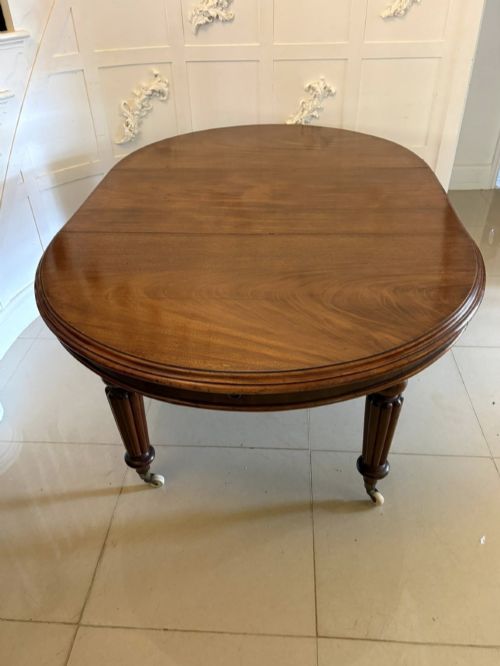
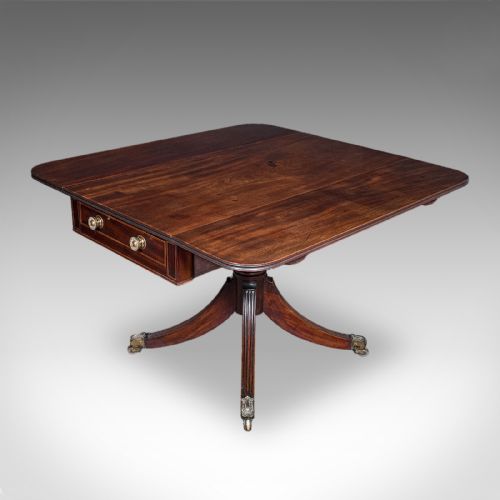
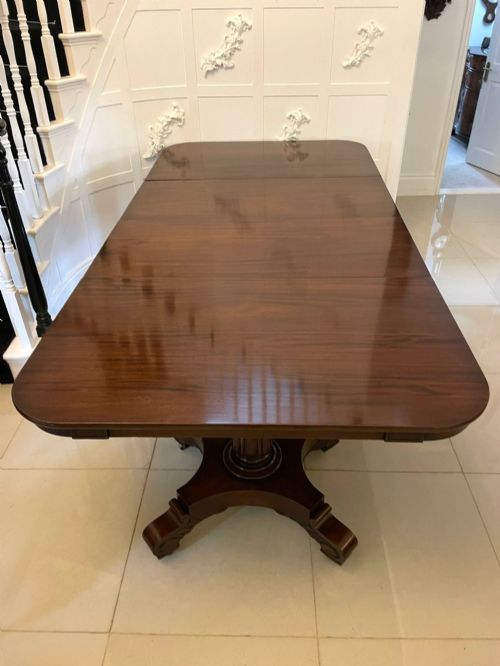
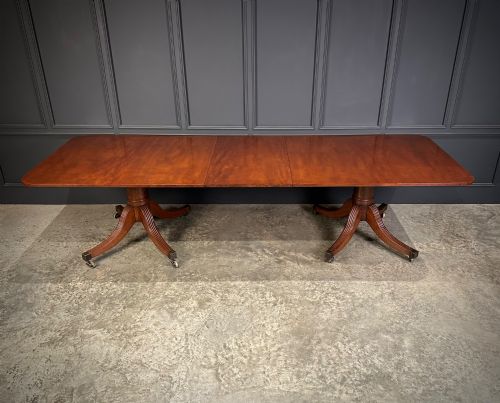
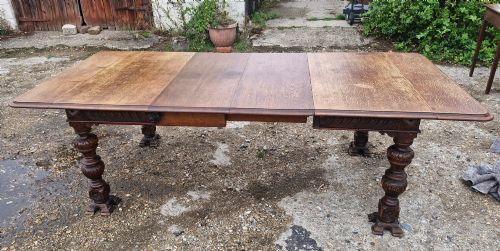
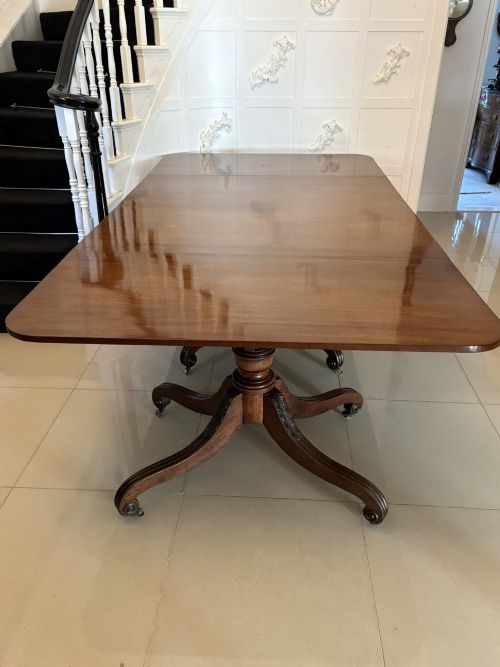
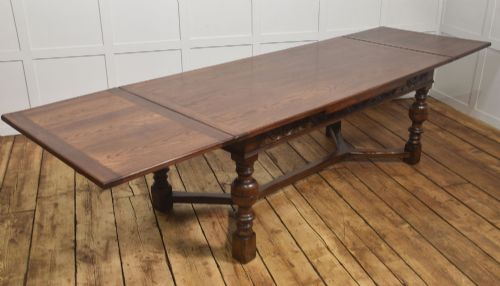
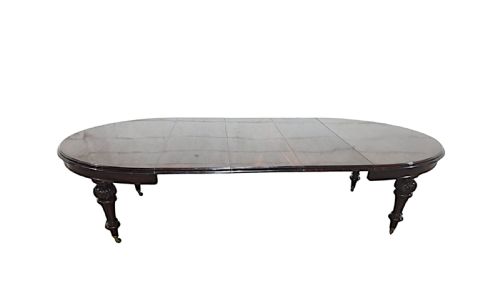
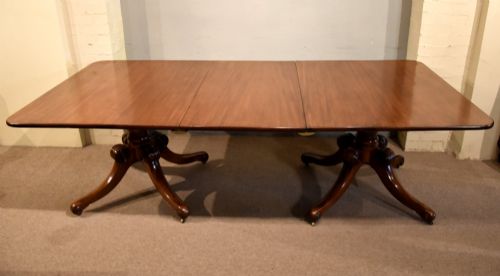
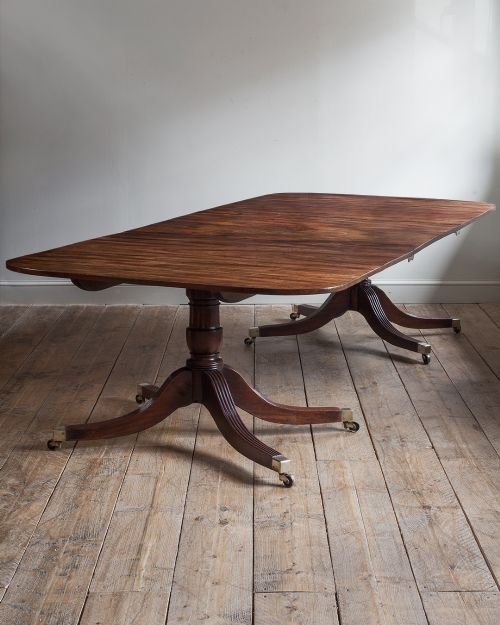
When you search for an antique extensible dining table, you find pieces engineered to alter their footprint using draw leaves, drop leaves, or internal mechanisms like wind-out systems and extra leaves. The most common examples met on this page are mahogany pedestal or pillar tables from the nineteenth century, alongside oak draw-leaf pieces.
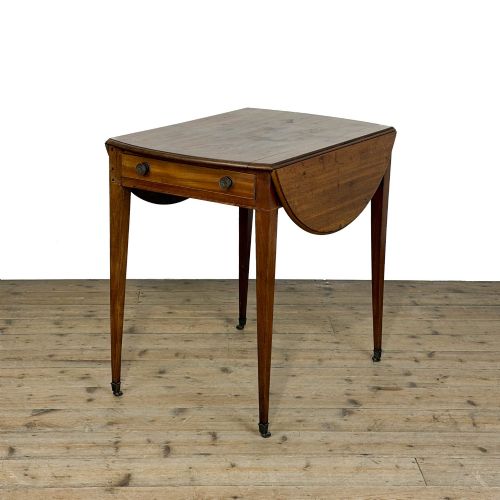
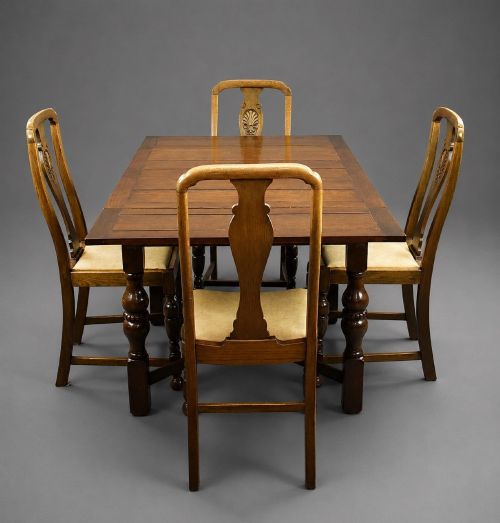
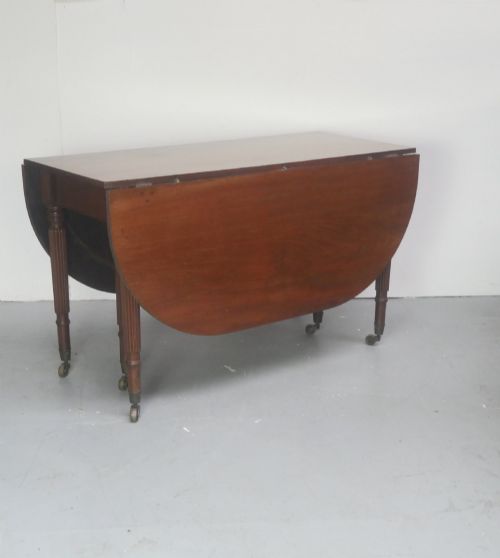
Forms range widely across periods from the seventeenth century through to the art deco era. You will encounter dining suites, smaller Pembroke tables, refectory farmhouse tables, and grand triple-pedestal designs seating up to twenty-two people.
Stylistic influences span Regency, Victorian, Edwardian, and Jacobean revivals. Each period brings distinct edge profiles, leg designs, and timber selections to the mechanism.
Materials and construction
Makers relied heavily on solid and figured mahogany, oak, and walnut, often accentuating grain patterns with burr walnut veneers. Structural stability required robust timber frames to support expanding leaves and heavy mechanical tracks.
Brass fittings, castors, and sometimes ceramic elements appear on nineteenth-century pillar and pedestal bases to aid movement. Surface finishing utilised traditional polishing methods to highlight the natural colour and figure of the wood.
Listings span several centuries, with materials ranging from solid mahogany and oak to decorative burr walnut veneers and brass hardware.
Judging quality and execution
Quality rests in the precision of the extension mechanism and how snugly the extra leaves fit into the main top when closed. Smooth operation of wind-out screws or draw-leaf sliders separates superior workshop production from simpler designs.
Timber selection and the continuity of grain across added leaves indicate higher grade cabinet-making. Substantial pillar supports, well-carved pedestals, and intact original brass castors contribute to a more substantial piece.
William and Gibton·Wylie and Lochead·Maple and Company·Whytock and Reid·Hille·F and J Smith
The Antique Extensible Dining Table Glossary
- Wind-out mechanism
- A mechanical system operated by a crank handle that separates the table halves to insert additional leaves. This internal screw gear became popular during the Victorian period for heavier tables.
- Draw leaf
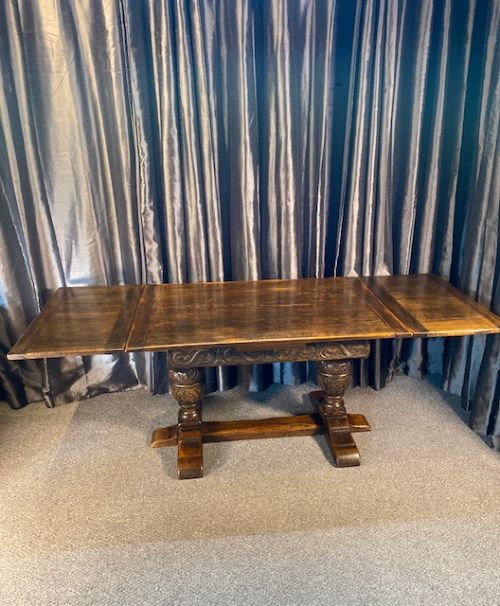
- A table design where extension leaves store underneath the main top and pull out from each end. This allows quick adjustment without removing loose leaves.
- Pembroke table
- A small drop-leaf table with hinged flaps on either side, often featuring a single drawer. They function well in constrained spaces.
- D-end dining table
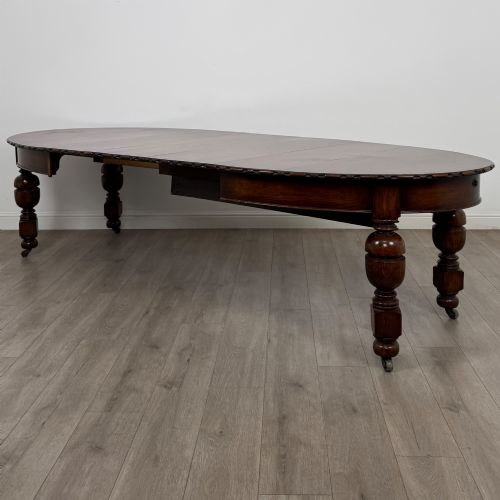
- A table with semicircular ends that can detach or separate when middle leaves are removed. They formed a staple of late Georgian and Regency dining rooms.
- Triple pedestal
- A table base consisting of three distinct columns or pillars resting on splayed legs, providing support for very long tops. This configuration prevents sagging along extended spans.
Antique Extensible Dining Table: Frequently Asked Questions
How do wind-out tables operate?
Wind-out tables use an internal metal screw mechanism turned with a removable crank handle. Turning the handle drives the two main sections apart to create a gap for insertion leaves.
Once the leaves drop into place, the handle turns in reverse to draw the top tightly together, locking the leaves in alignment.
Where were these tables made?
These tables originate primarily from British workshops, cabinet makers, and larger commercial retailers across England, Scotland, and Ireland. Regional preferences influenced the choice of timber and revival style.
Cities like Dublin, Glasgow, and London produced notable cabinet-making firms whose stamped or labelled pieces survive today.
How do I care for a mahogany top?
Keep wooden surfaces away from direct heat sources and strong sunlight to prevent the timber from drying out or fading. Use coasters and placemats to protect the polished finish from moisture and heat damage.
Apply traditional wax polish occasionally to nourish the grain and maintain the natural lustre of the wood.
Can I seat ten people comfortably?
Many tables listed are specifically designed to accommodate ten or more diners when fully extended with their extra leaves. Triple-pedestal and large double-pillar tables offer the necessary length without restricting legroom.
Check the overall extended length and the placement of pedestals or legs to ensure chairs fit neatly underneath.