






Antique Export Ware
Antique export ware brings together centuries of crafted porcelain, earthenware and decorative pottery made in East Asia for international markets.
Antique Export Ware
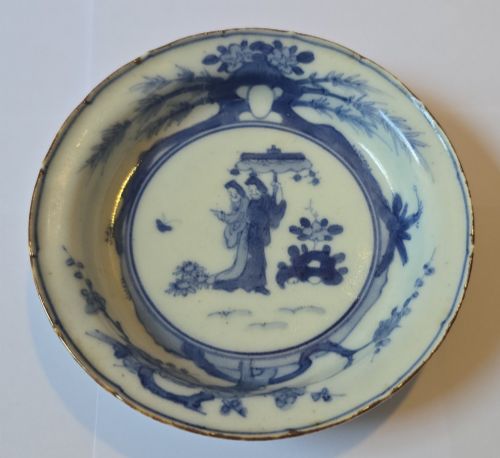
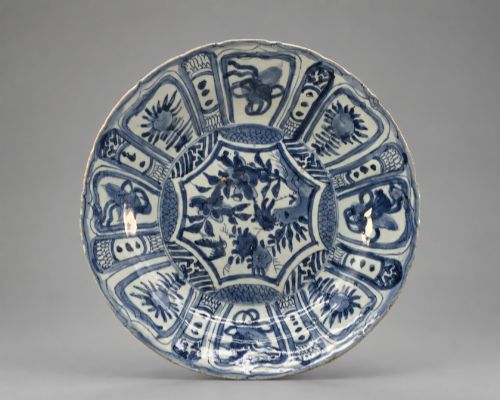
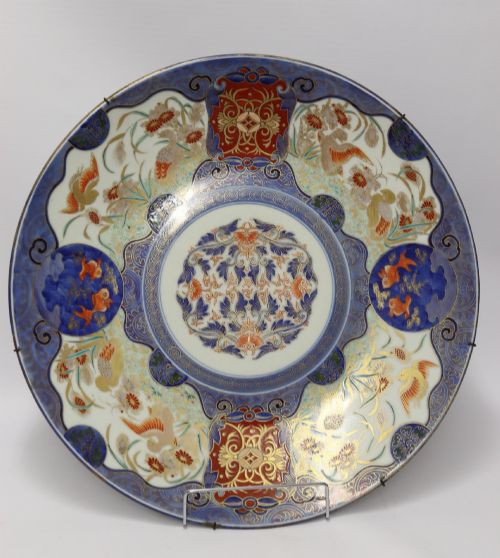
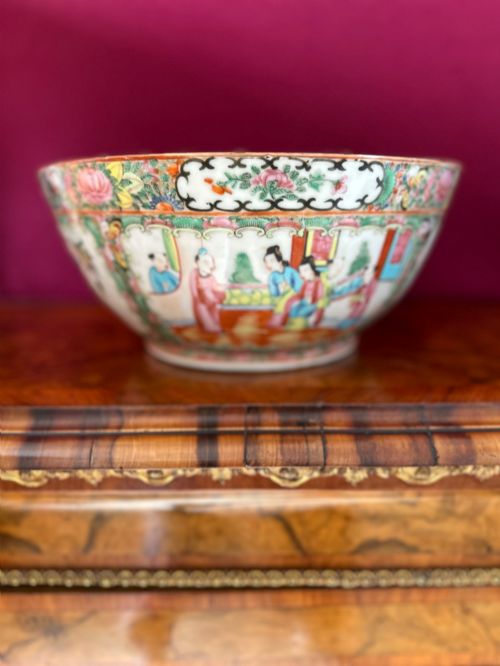
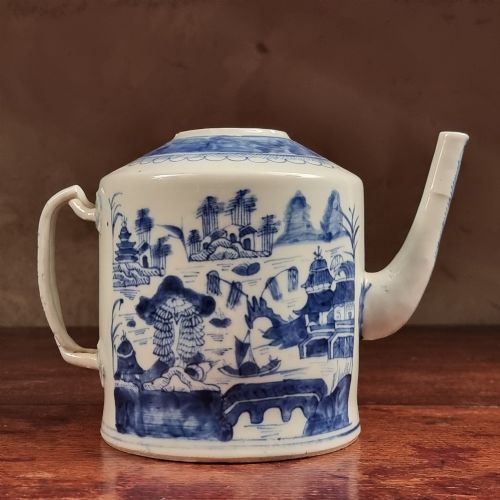
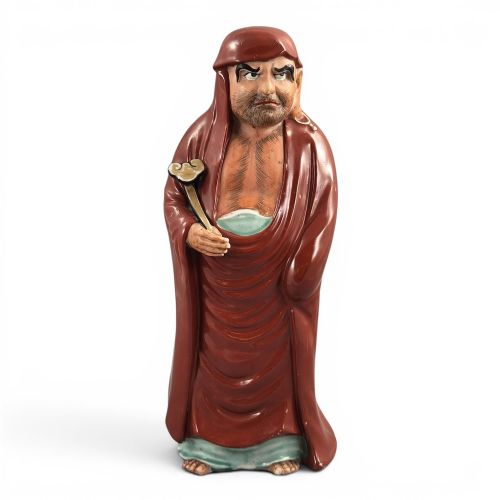
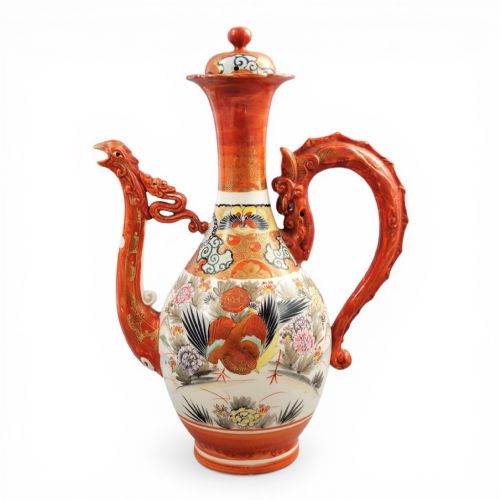
When you search for antique export ware, you encounter a diverse range of items created across multiple centuries for overseas trade. The selection spans delicate tea sets, large decorative chargers, bowls, vases and sculpted figurines originating from Chinese and Japanese kilns.
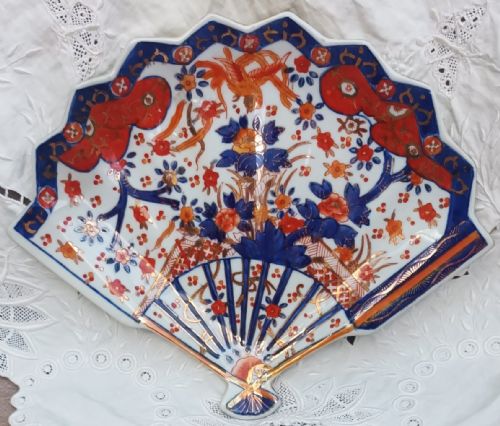
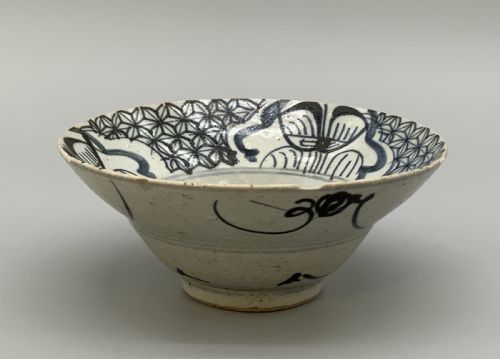
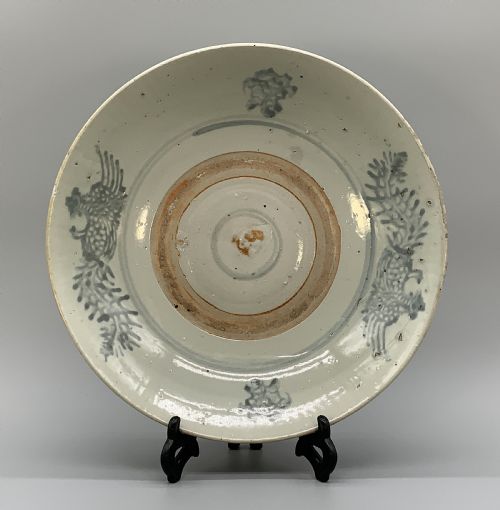
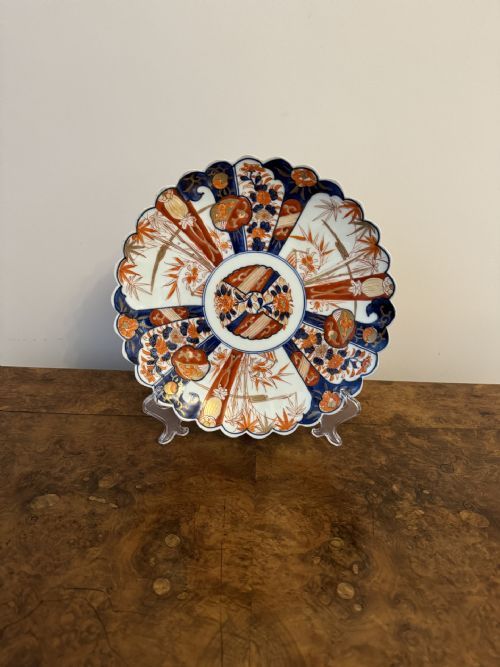
Chinese pieces in this category include sixteenth-century Kraak chargers, Ming Dynasty Swatow bowls, and eighteenth-century Qianlong period porcelain. Japanese examples frequently feature Meiji period Satsuma vases, Arita dishes, and nineteenth-century Imari plates.
The forms vary from utilitarian teapots and cups to monumental display vases and intricate okimono figures. Buyers typically encounter items spanning from the late sixteenth century through to the Edwardian era.
Materials and construction
Makers utilised fine porcelain and earthenware as the primary foundation for these decorated objects. Artisans applied cobalt glaze, enamel paint and rich gold leaf to build intricate surface patterns across the ceramic bodies.
Kiln workers executed detailed painting by hand, often incorporating gilding and specialised chocolate-glazed reserves. The firing techniques across Ming, Qing, Edo and Meiji periods produced durable ceramic structures capable of surviving long maritime journeys.
Antique Export Ware Retail Price Guide 2026
Typical asking prices for export ware among the pieces listed under this phrase on Sellingantiques today, from the lower quarter to the upper quarter. They describe what is for sale here now, not the wider market.
Listings feature porcelain and earthenware objects spanning from the 16th century to the Edwardian era, predominantly originating from Chinese and Japanese kilns.
Understanding quality differences
The distinction between standard commercial output and superior examples lies in the precision of the hand-painted details and the complexity of the design. Workshops employing skilled artists achieved greater depth in cobalt blue tones and finer execution of figural scenes.
The density of the glaze, the crispness of moulded edges, and the balanced integration of gold leaf distinguish finer vessels from simpler production pieces. Pieces bearing specific kiln signatures or mon symbols often demonstrate a higher grade of artistic execution.
Hododa·Kinkozan Kyoto·Hattori·Taniguchi
The Antique Export Ware Glossary
- Kraak porcelain
- Chinese export porcelain produced mainly during the Wanli period, typically featuring panelled blue and white designs.
- Imari
- Japanese porcelain decorated in underglaze blue, iron red, and gold, highly popular for export from the Edo period onward.
- Satsuma
- Japanese earthenware featuring a crackled ivory glaze decorated with polychrome enamels and gilding.
- Swatow ware
- Late Ming dynasty Chinese export porcelain and coarse stoneware made for Southeast Asian and Western markets.
- Okimono
- Japanese decorative shelf ornaments carved from porcelain or other materials during the Meiji period.
Antique Export Ware: Frequently Asked Questions
How do I date Chinese export porcelain?
Dating relies on stylistic markers, imperial reign periods, and characteristic glazing methods such as those found on Ming Kraak wares or Qing dynasty Qianlong pieces.
Changes in cobalt blue shades and decorative motifs across different centuries provide reliable chronological indicators.
How were Japanese Imari pieces used?
Japanese Imari porcelain served primarily as high-status decorative display items in European and domestic interiors.
Many pieces were formed as large chargers, bowls and garniture vases intended for prominent placement on mantelpieces and side tables.
What distinguishes Satsuma ware?
Satsuma ware is characterised by its distinctive ivory-coloured earthenware body covered in a fine crackle glaze.
These surfaces were subsequently decorated with elaborate hand-painted polychrome scenes and generous applications of gold leaf.