




Antique Export Art
Antique export art brings together centuries of global trade goods, offering detailed paintings, porcelain and lacquer created specifically for overseas markets.
Antique Export Art
When buyers search for antique export art, they encounter items produced in Asia for Western patrons during periods spanning the seventeenth century through the early twentieth century. These pieces record cross-cultural exchange through distinctive decorative objects made for international clientele.
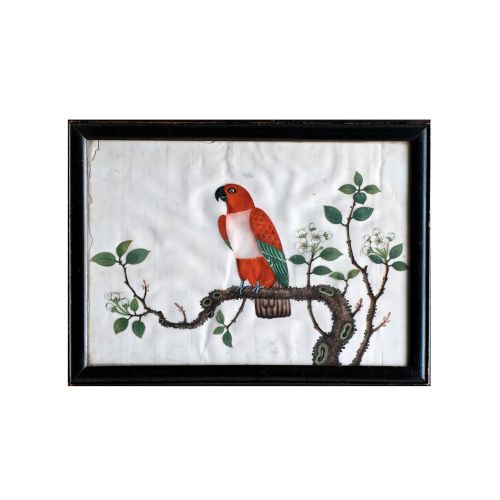
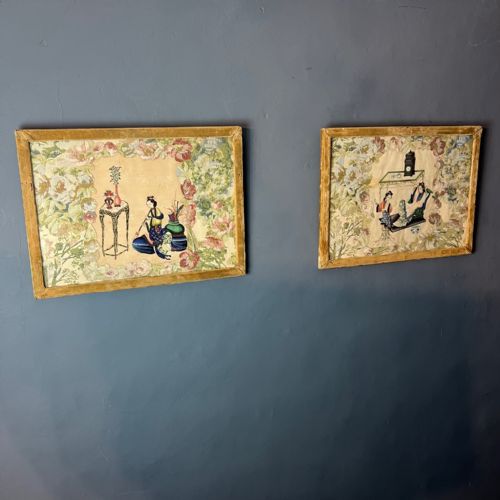
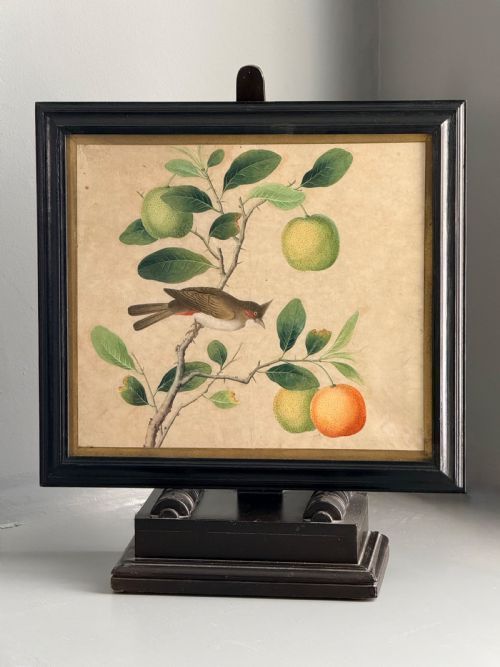
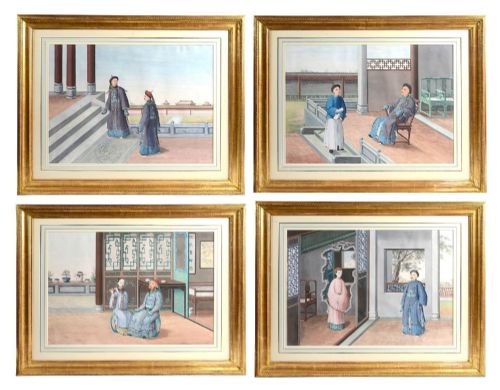
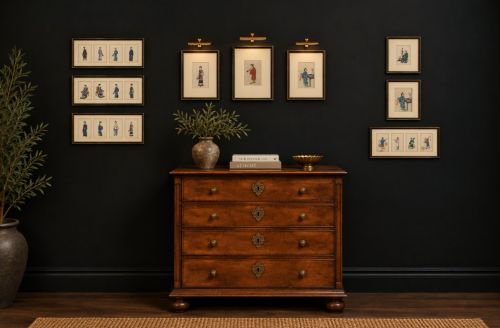
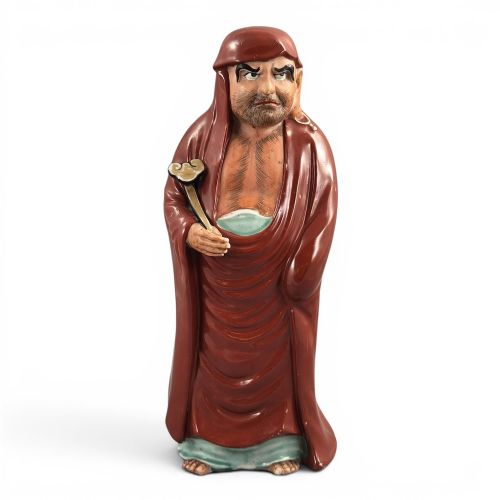
The most common forms found on this page include framed paintings on pith paper and glass, alongside ceramic vases, dishes and figures. Works originating from Chinese and Japanese workshops dominate the selection.
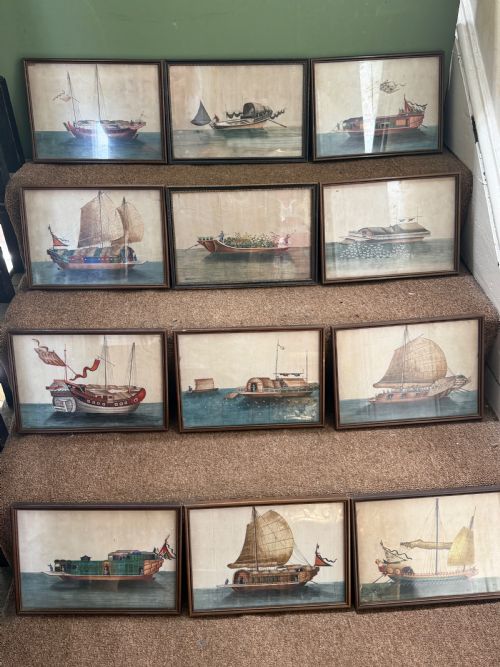
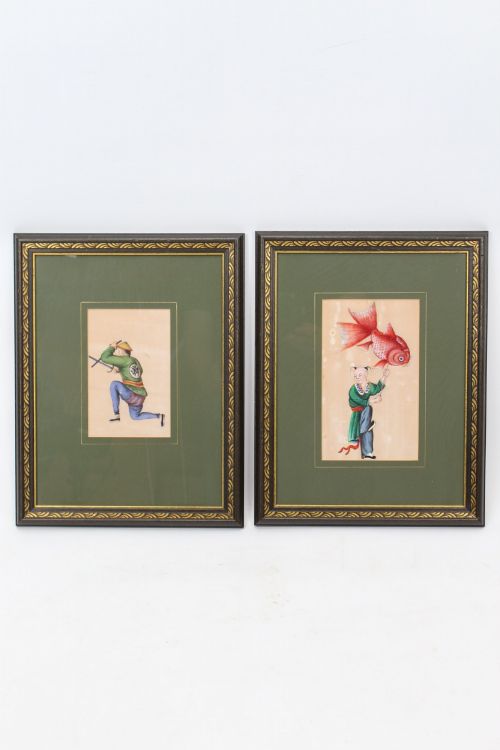
Items range from sets of gouache paintings depicting junks and butterflies to porcelain dishes and lacquer panels. Buyers examine these works for their historical record of maritime trade and traditional craftsmanship.
Materials and techniques
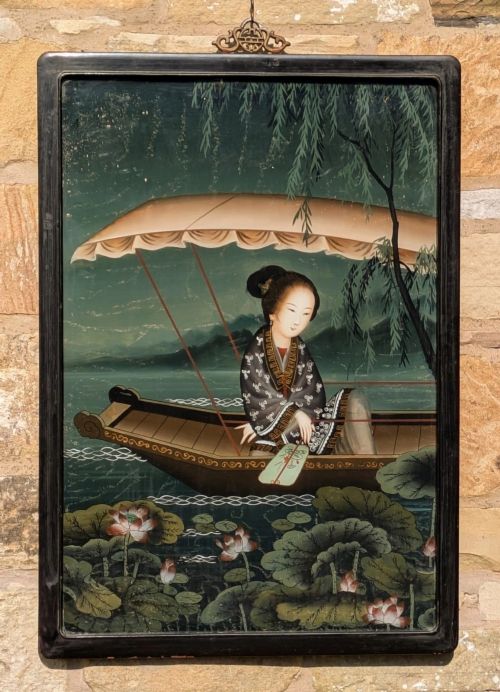
Makers utilised delicate supports such as pith paper, silk and reverse glass for paintings rendered in gouache and watercolour. These fragile surfaces required steady brushwork to capture fine details of figures, ships and botanical subjects.
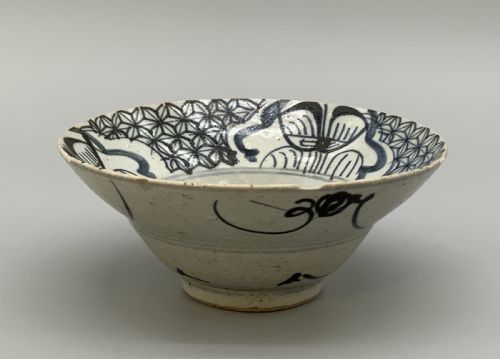
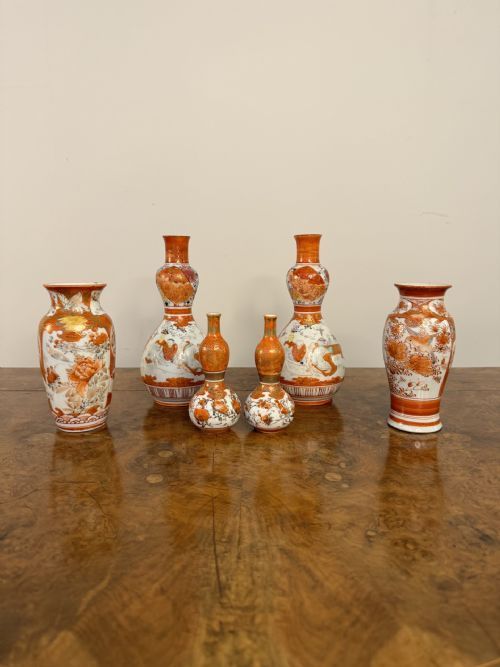
Ceramic objects incorporate porcelain and enamel, often shaped into vases, double gourd vessels and dishes decorated with blue and white pigments or famille rose enamels. Metalwork items feature silver filigree combined with enamel.
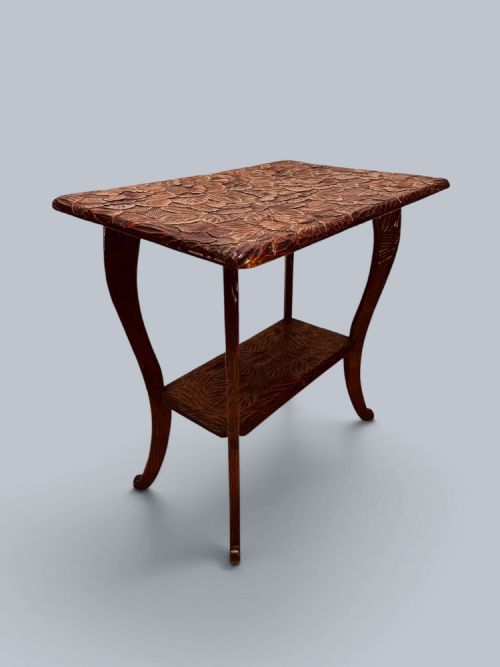
Woodwork employs lacquer and gold leaf to create framed panels and decorative items. Artisans built these pieces using traditional methods that combined structural woodwork with intricate surface ornamentation.
Antique Export Art Retail Price Guide 2026
Typical asking prices for export art among the pieces listed under this phrase on Sellingantiques today, from the lower quarter to the upper quarter. They describe what is for sale here now, not the wider market.
Some nineteenth-century artists clearly studied British steamships with the same fascination as ancient junks.
Measures of quality
The refinement of brushwork and the complexity of the composition separate superior paintings from simpler trade pieces. Works with detailed figures, vibrant gouache pigments and intact pith paper display higher artistic investment.
In ceramics, the precision of the enamel application and the clarity of the porcelain body determine the grade of the piece. Well-preserved surfaces without heavy fading or major restoration hold greater merit.
Completeness within sets, such as matched groups of pith paintings or vases, influences the desirability of the objects. Uniformity across multi-piece sets demonstrates original production integrity.
The Antique Export Art Glossary
- Pith paper
- A delicate material formed from the cellular interior of the Tetrapanax papyrifer plant. Artisans used this absorbent medium extensively for nineteenth-century watercolor and gouache paintings.
- Reverse painting on glass
- A technique where artists apply pigment directly to the back of a glass sheet, creating a finished image viewed from the front. This method produces a reflective, glossy surface.
- Imari
- A style of Japanese porcelain decorated in underglaze blue and overglaze red, gold and other colours. Export versions were widely shipped to European markets.
- Famille rose
- A palette of opaque enamel colours dominated by pink or rose hues introduced to Chinese porcelain production during the Qing dynasty. These enamels allowed for nuanced shading and detailed pictorial scenes.
- Coromandel work
- A form of Chinese incised lacquer where carved designs are filled with colours on a dark ground. Export versions often adorned folding screens and wall panels.
Antique Export Art: Frequently Asked Questions
What is export art?
Export art refers to goods manufactured in Asian workshops specifically for sale to Western markets during the eighteenth and nineteenth centuries.
These pieces bridge Eastern decorative traditions and European tastes, encompassing paintings, ceramics and lacquerware.
How do I care for pith paper paintings?
Pith paper paintings require strict protection from direct sunlight and high humidity to prevent the fragile plant-based material from cracking.
Framing these artworks behind UV-filtering glass helps preserve the delicate gouache pigments.
What is reverse glass painting?
Reverse glass painting involves applying paint to the rear side of a glass panel so the image is viewed through the transparent front.
This technique yields a smooth, luminous finish characteristic of many trade paintings from the nineteenth century.
How are Chinese and Japanese export ceramics different?
Chinese export ceramics often feature blue and white designs or famille rose enamels created for European dining and display habits.
Japanese export wares frequently include Imari palettes and Kutani figures produced during later periods for international collectors.