




Antique Evening Bag
An antique evening bag brings the sparkle of the Victorian, Edwardian, and Art Deco eras into your hand with lasting metalwork and textile craftsmanship.
Antique Evening Bag
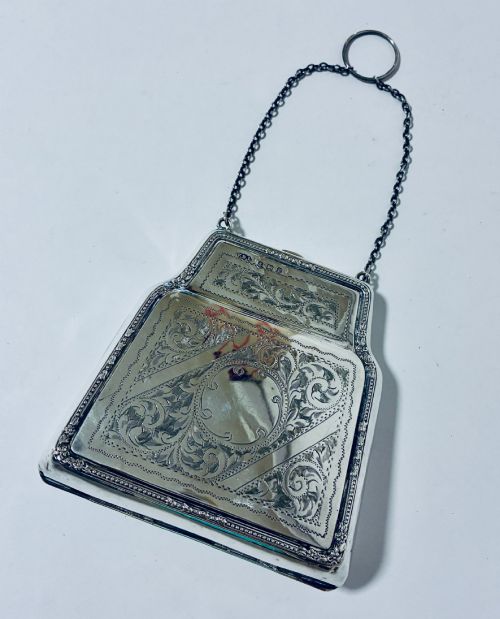
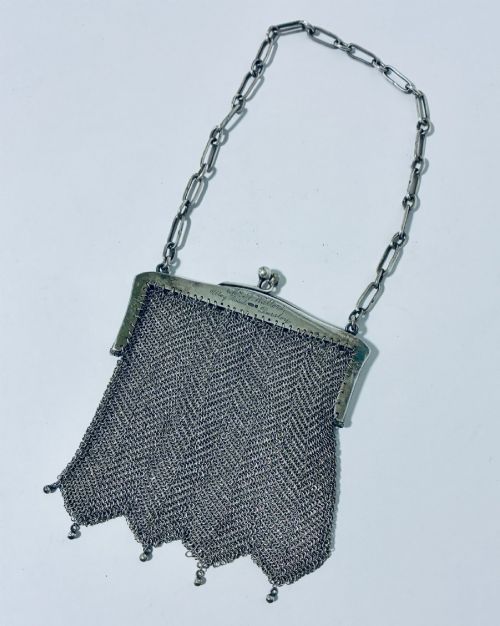
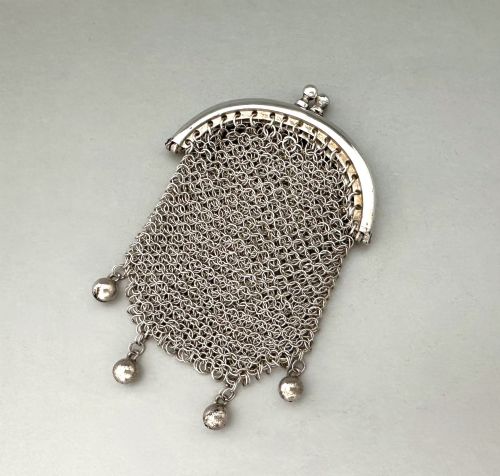
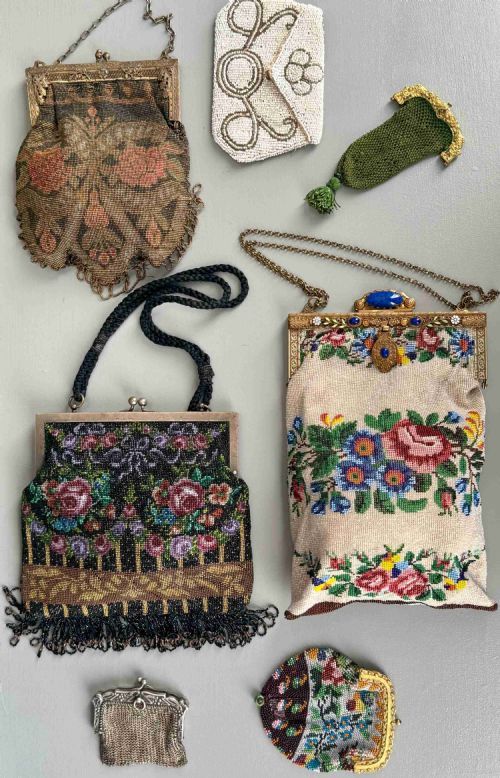
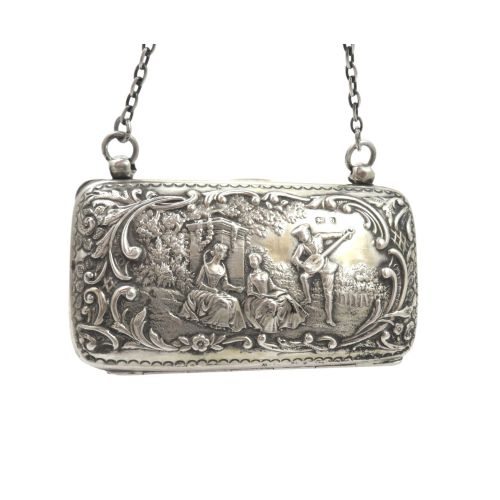
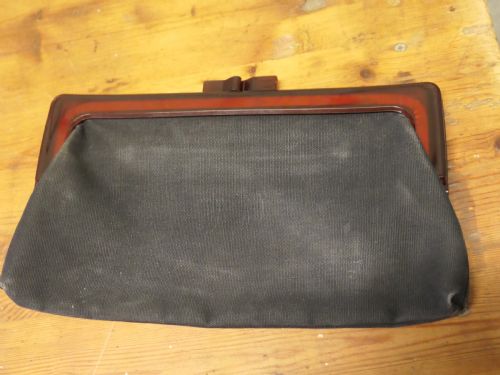
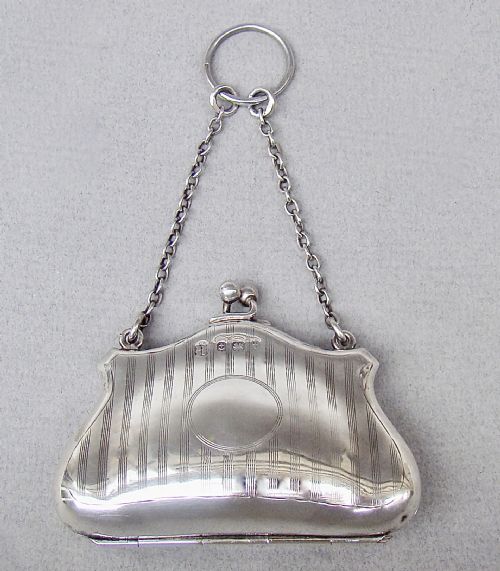
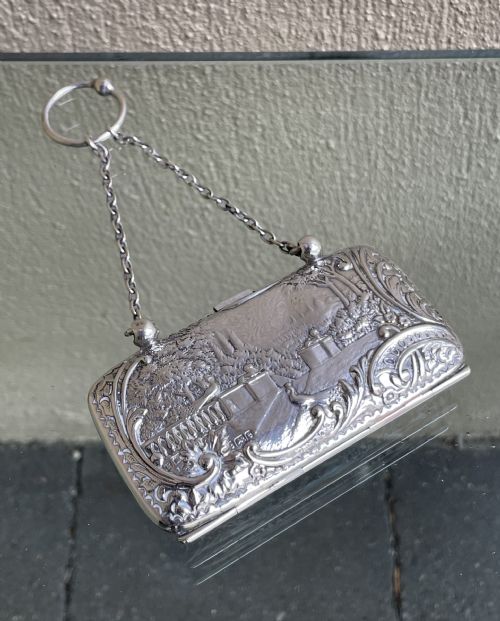
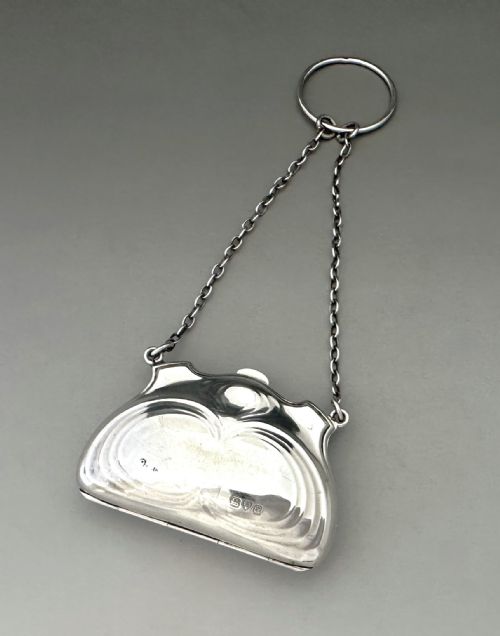
An antique evening bag encompasses small purses, cocktail bags, and clutches designed for social occasions from the nineteenth century through the mid twentieth century. The selection ranges from petite French silver chain link cocktail purses to beaded designs and structured nineteenth century styles.
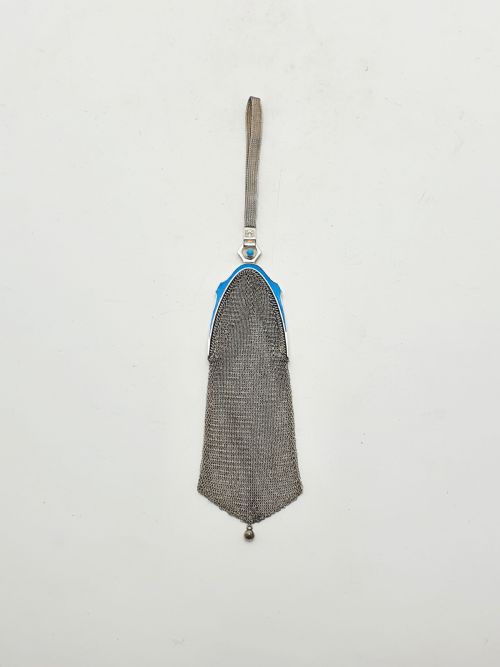
The most common examples you will encounter span the Victorian, Edwardian, and Art Deco periods. These pieces frequently manifest as silver mesh or chain mail frames, fabric pouches, and exotic skins.
Makers such as John Collard Vickery, Robert Cawley, William Adams Ltd, and Koret produced refined accessories that survive today. They function as both historical artefacts and tactile accessories for modern use.
How they were made
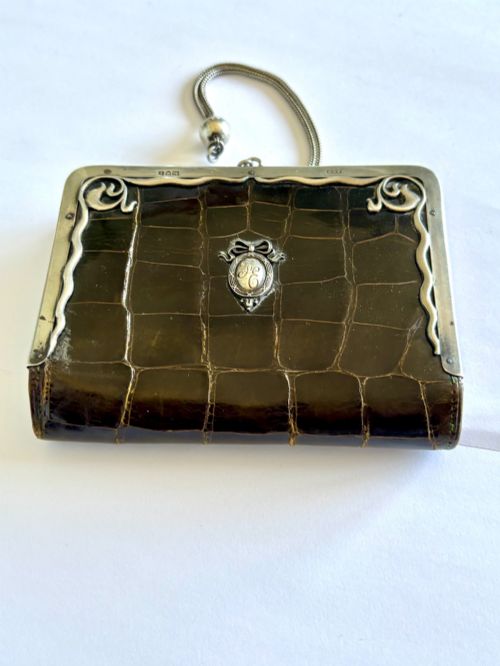
Makers utilised sterling silver, silver mesh, and brass to construct rigid frames, chain mail links, and secure clasps. Textile elements incorporate silk, fabric, and glass beads, whilst luxury variants employ crocodile skin, python skin, and horn back alligator tail skin.
Decorative techniques include blue guilloché enamel and petit point stitching set into silver mounts. Components like mother of pearl and gilded chains appear alongside hallmarked silver elements stamped in assay offices such as Birmingham and Chester.
Several vintage bags include fitted interior compartments explicitly sized to hold cigarette cases alongside evening cosmetics.
What varies in quality
Quality depends upon the integrity of the materials and the precision of the assembly, from the tightness of silver chain link mesh to the condition of delicate silk fabrics and glass beadwork. Hallmarked English silver and named makers indicate higher manufacturing standards.
The sophistication of decorative details such as hand-applied guilloché enamel, petit point panels, and inscribed silver frames elevates a piece above standard utilitarian examples.
JOHN COLLARD VICKERY·THE BOOTS COMPANY·ROBERT CAWLEY·G. NORMAN·WILLIAM ADAMS LTD·Koret
The Antique Evening Bag Glossary
- Guilloché enamel
- A decorative technique involving precise engine-turned patterns beneath a translucent layer of coloured enamel.
- Petit point
- A form of highly detailed tent stitch embroidery executed on single-thread canvas, frequently utilised on nineteenth-century purse panels.
- Chain mail
- Interlinked metal rings forming a flexible, textile-like fabric used extensively in silver cocktail purses.
- Assay mark
- A stamp indicating the purity of precious metal and the office where it was tested, crucial for dating silver pieces.
Antique Evening Bag: Frequently Asked Questions
How do I date an antique evening bag?
Examine the metal hallmarks for assay office symbols and date letters which reveal the exact year of manufacture. Stylistic indicators like Art Deco geometric lines or Victorian floral repoussé work also point to specific decades.
Material choices and closure mechanisms further narrow down the era, distinguishing nineteenth-century fabric pouches from 1930s exotic skin clutches.
Are these bags sturdy enough to use?
Most pieces remain robust for careful evening use, particularly solid silver mesh and leather or skin clutches. Historic fabrics and fine glass beadwork require a gentler touch to prevent strain on aged threads.
Checking the security of the clasp and the strength of the internal lining ensures safe handling during modern outings.
What materials were commonly used?
Makers relied heavily on sterling silver for frames and mesh, often pairing them with silk, fabric, or glass beads. Exotic materials like python, crocodile, and alligator skin appear alongside horn back tail sections.
Decorative accents frequently feature mother of pearl, brass, and coloured guilloché enamel set into the metalwork.
How should I store my evening bag?
Keep the bag in a breathable dust cover away from direct sunlight and damp environments to protect delicate textiles and leathers. Support the interior with acid-free tissue paper to maintain its original structural form.
Avoid hanging pieces by their delicate chains or silk cords for extended periods to prevent undue stretching.