



Antique European Kilim
These antique european kilim pieces bring rich folk art textiles into a room, offering warm wool flatweaves from eastern europe and the balkans.
Antique European Kilim
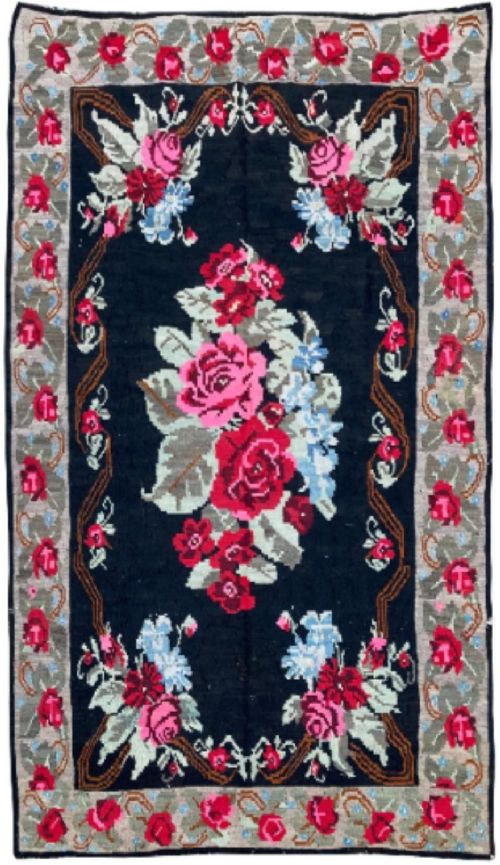
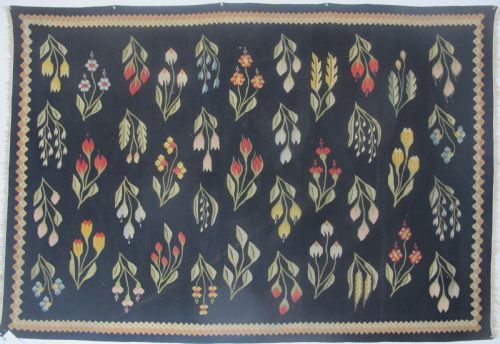
When you search for an antique european kilim, you encounter flatwoven rugs and tapestries originating from regions such as Bessarabia, Ukraine, the Caucasus, and the Balkans. These floor coverings and wall hangings display regional folk art traditions that span from the late nineteenth century through the early twentieth century.
The pieces appearing on this page take the form of rugs, area rugs, and tapestries featuring floral motifs and banded designs. Bessarabian kilims form a large portion of these examples, alongside Ukrainian wool kilims, Caucasian Karabagh pieces, and Balkan folk weaves.
Makers produced these textiles primarily as functional household items for warmth and decoration, utilising traditional motifs passed down through generations. Today, collectors and decorators use them to add historical texture and vibrant pattern to contemporary or traditional interiors.
How they were made
These textiles rely on natural fibres, primarily wool and cotton, spun and dyed by hand before weaving. Artisans utilised traditional flatweaving techniques without a knotted pile, creating reversible textiles with smooth surfaces.
Weavers employed slit-tapery methods and supplementary weft techniques to build up intricate floral patterns and geometric bands. The dyes derived from natural sources yielded deep tones that mellow gently over decades of light exposure.
Antique European Kilim Retail Price Guide 2026
Typical asking prices for european kilim among the pieces listed under this phrase on Sellingantiques today, from the lower quarter to the upper quarter. They describe what is for sale here now, not the wider market.
Many Bessarabian weavers borrowed French floral motifs, giving rustic village sheep a taste for Parisian gardens.
What varies in quality
The distinction between standard examples and superior ones rests on the crispness of the drawing and the complexity of the floral compositions. Master weavers achieved greater depth in floral tapestries through subtle colour shading and precise execution of curvilinear motifs.
Structural integrity and the retention of original dimensions also separate individual pieces. Examples that maintain tight, even weaves and vibrant, unfaded wool display the highest degree of preservation from their period.
The Antique European Kilim Glossary
- Kilim
- A flatwoven textile produced without a pile, common throughout eastern europe and the near east. These pieces function as floor coverings or wall hangings.
- Bessarabian
- A regional style known for dark grounds and naturalistic floral bouquets influenced by french tapestries. These works originate from the historical region between the prut and dniester rivers.
- Slit-tapestry
- A weaving technique where weft threads of different colours turn back at the boundaries of their respective colour areas, creating a small slit in the fabric. This method allows for sharp geometric and floral design transitions.
- Karabagh
- A Caucasian weaving tradition encompassing distinctive flatweaves and pile rugs. Pieces from this area often incorporate bold geometric structures alongside floral elements.
Antique European Kilim: Frequently Asked Questions
Where were these kilims made?
These textiles originate from eastern european and balkan regions, including Bessarabia, Ukraine, Moldova, and the Caucasus.
Local workshops and domestic weavers produced them using regional wool and traditional patterns that reflect specific village aesthetics.
How do I care for a wool kilim?
Protect the flatweave by placing a quality rug underlay beneath it to prevent slipping and reduce fibre wear.
Vacuum gently without a rotating brush roll and consult a specialist in antique textiles for professional cleaning.
Are these pieces suitable for high-traffic areas?
Flatwoven wool rugs tolerate moderate foot traffic in living spaces and bedrooms when supported by a proper underlay.
Very fine tapestries or delicate floral pieces suit low-traffic rooms or wall display better than busy corridors.
How do I date an antique kilim?
Dating relies on stylistic analysis, material assessment, and structural evidence within the weave.
Pieces from the late nineteenth and early twentieth centuries show specific dye characteristics and wool preparations typical of that era.