

Antique European Cut Ring
An antique european cut ring holds hand-faceted diamonds shaped by older cutters to catch candle and gas light with deep, broad flashes.
Antique European Cut Ring
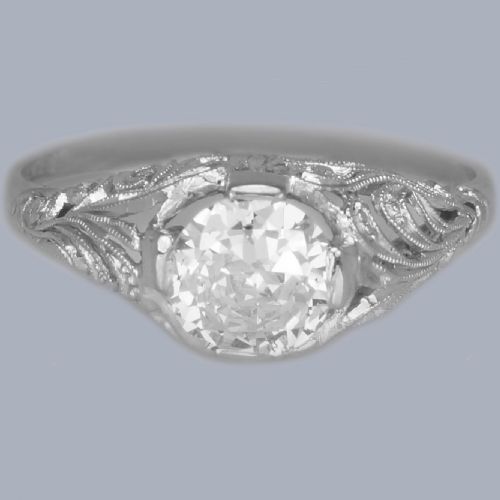
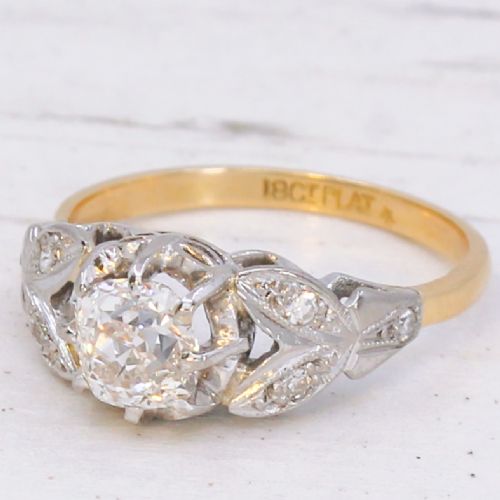
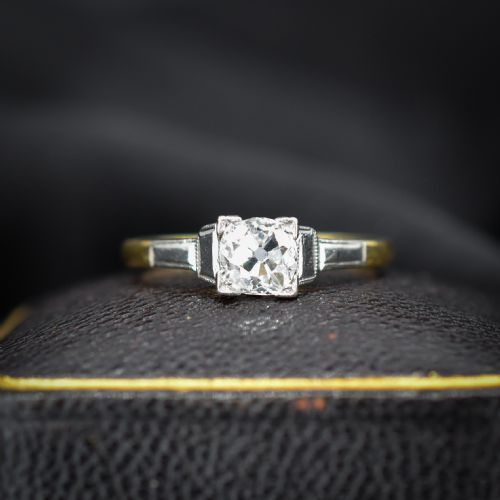
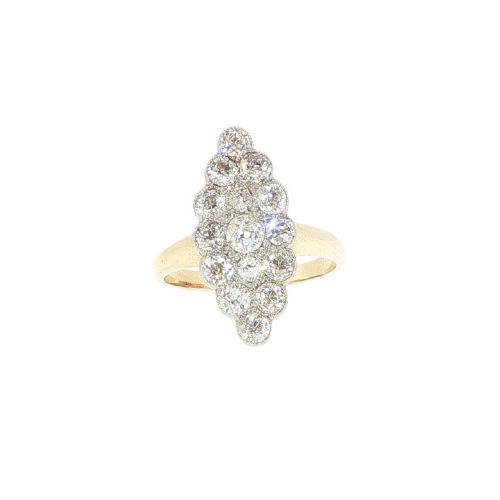
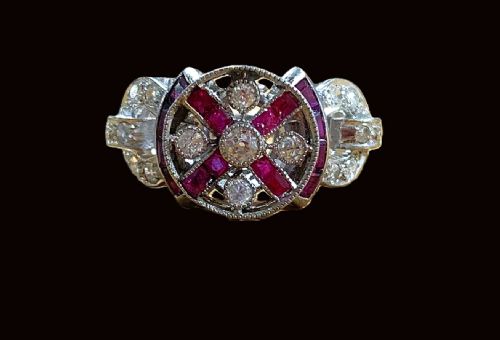
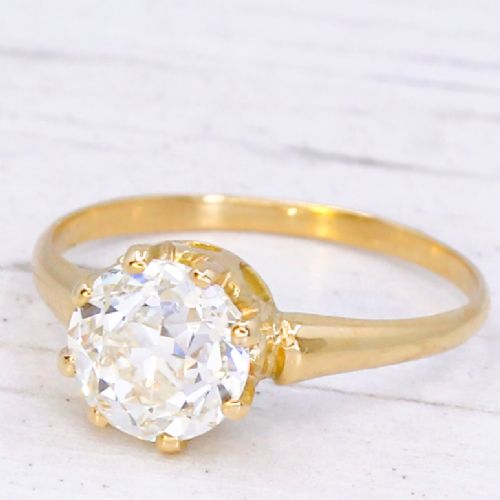
An antique european cut ring brings together engagement rings, solitaire designs, and multi-stone clusters produced from the Victorian era through the mid-twentieth century. Buyers searching this phrase encounter pieces spanning Edwardian filigree work, geometric Art Deco mountings, and the bold lines of 1940s retro styles. The most common survivors on this page are solitary diamonds or multi-stone arrangements set into platinum or gold bands.
The stones themselves display the distinct proportions of hand-cut gems, characterised by smaller tables, higher crowns, and open culets that distinguish them from modern brilliant cuts. These mountings were made to hold stones securely while showcasing the individuality of each hand-formed facet pattern.
How they were made
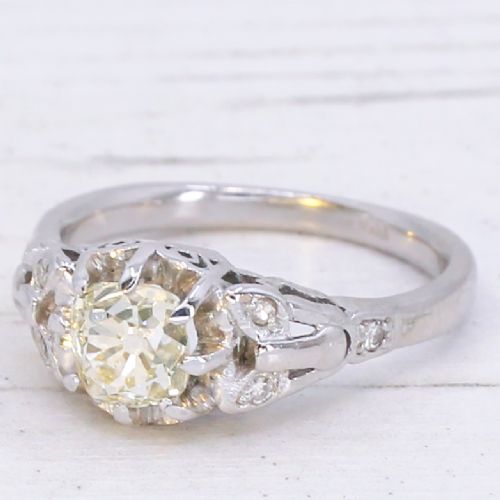
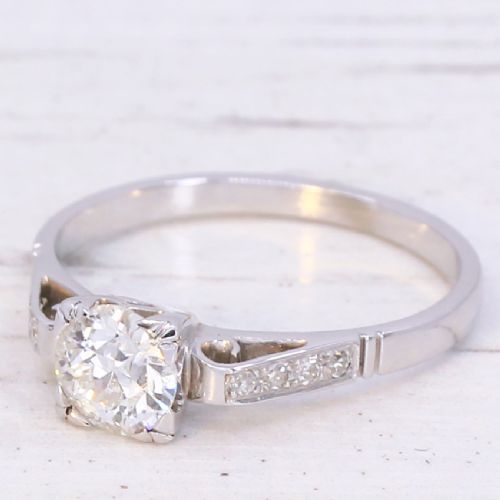
Metals such as platinum and eighteen-carat yellow or white gold form the structural foundations of these pieces, often paired in Edwardian and Art Deco examples to contrast bright white metal against warm gold bands. Platinum gained favour for its strength in delicate, lace-like settings, allowing intricate pierced galleries and claw arrangements without adding excessive bulk.
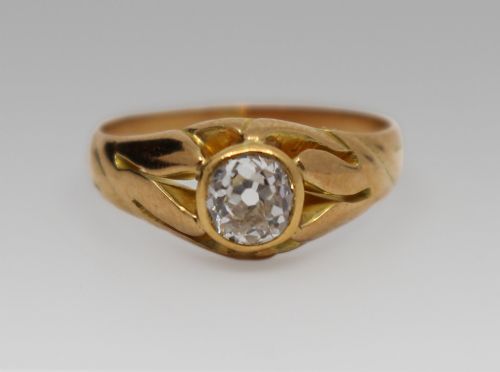
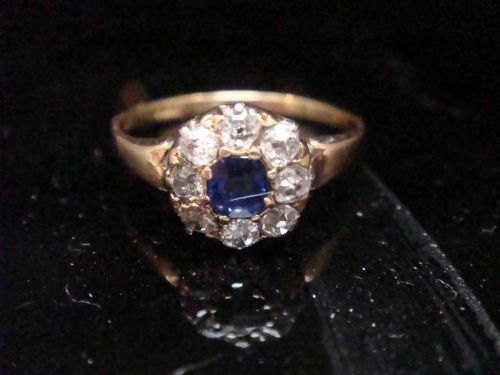
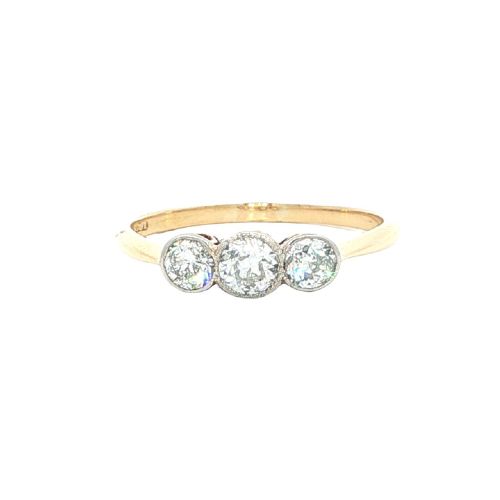
Diamonds were shaped by hand wheel rather than computer-calculated lasers, resulting in stones with unique symmetry and character. Jewellers secured these centres alongside rubies, sapphires, or emeralds using grain, bezel, or gypsy settings beaten directly into the solid metal.
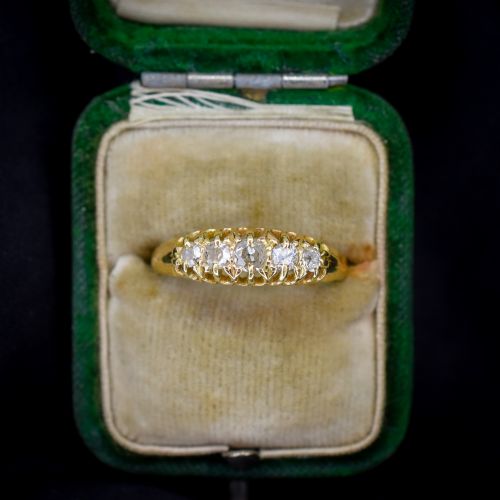
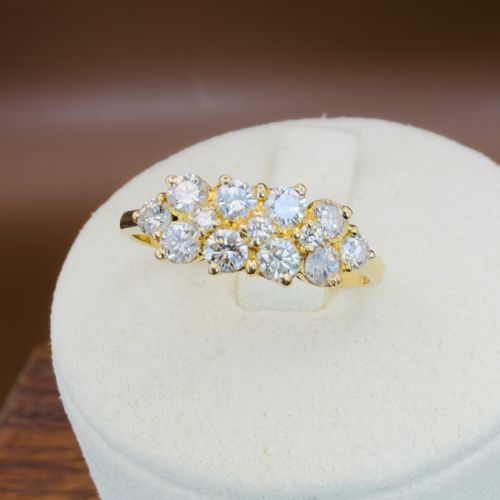
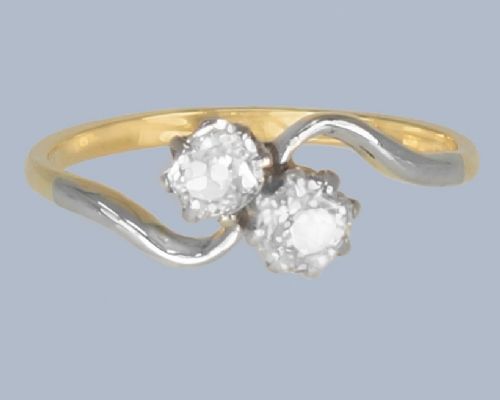
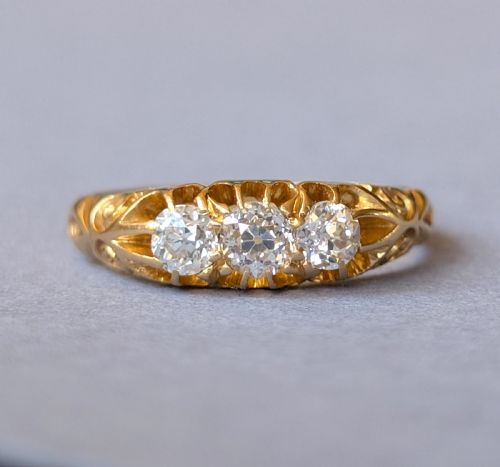
Current listings demonstrate a progression from Victorian gypsy settings through Edwardian platinum clusters to geometric Art Deco solos.
What varies in quality
The standard of an antique european cut ring depends heavily on the symmetry of the hand-cut diamond and how harmoniously the stone integrates with its mounting. Superior examples demonstrate careful alignment of the crown and pavilion facets, ensuring light returns evenly across the face of the gem rather than leaking through an oversized open culet.
Execution of the metalwork defines the higher tiers of surviving pieces, where hand-engraved millegrain edges and pierced gallery work remain crisp and sharp. Wear around the claws and thinning along the underside of the shank reflect the history of daily use, distinguishing well-preserved originals from heavily altered mountings.
The Antique European Cut Ring Glossary
- Old European Cut
- A round diamond cut popular from the late nineteenth century through the Art Deco period, characterised by a small table, steep crown, and a noticeable open culet.
- Culet
- The small flat facet at the bottom tip of a gemstone. Older cutting styles typically left a wider opening here, visible as a tiny circle through the crown.
- Millegrain
- A decorative technique consisting of a row of tiny raised metal beads along the edge of a setting, common in Edwardian and platinum jewellery.
- Gypsy Ring
- A style where the gemstone is flush-set directly into a thick, tapered solid metal band, popular across Victorian and Edwardian workshops.
- Toi et Moi
- French for 'you and me', describing a ring featuring two main gemstones set side by side to symbolise two intertwined lives.
Antique European Cut Ring: Frequently Asked Questions
How do I care for my ring?
Clean your piece gently using warm water, mild soap, and a soft brush to remove everyday oils from beneath the setting. Avoid harsh ultrasonic cleaners, which can loosen stones set in older, delicate metalwork.
Have a professional jeweller inspect the claws and prongs annually to ensure the hand-cut diamond remains secure within its antique mounting.
Can these rings be resized?
Most gold and platinum bands can be adjusted by a skilled jeweller who understands antique construction methods. Care must be taken to preserve hallmarks and delicate shoulder engravings during the process.
Extensive sizing may alter the proportions of the shank, so consult a specialist experienced in handling vintage mountings.
Are these rings suitable for daily wear?
Platinum and eighteen-carat gold provide durable foundations for everyday engagement wear when paired with secure settings. Low-profile bezel and gypsy styles offer particular resilience against daily bumps and snags.
High-set Edwardian or Art Deco cluster designs require more mindful wear to protect delicate pierced galleries and fine millegrain edges.
How do I identify the period?
Examine the choice of metals and overall geometric design, noting the platinum-topped gold common in Edwardian work or the sharp symmetry of Art Deco pieces. Maker's marks, metal stamps, and official assay office hallmarks stamped inside the band provide definitive dating evidence.
The geometry of the diamond itself, with its deep crown and open culet, points directly to manufacturing periods prior to the mid-twentieth century.