





Antique Ethnic Rug
An antique ethnic rug brings tactile warmth, nomadic geometry and rich regional history directly into a modern interior.
Antique Ethnic Rug
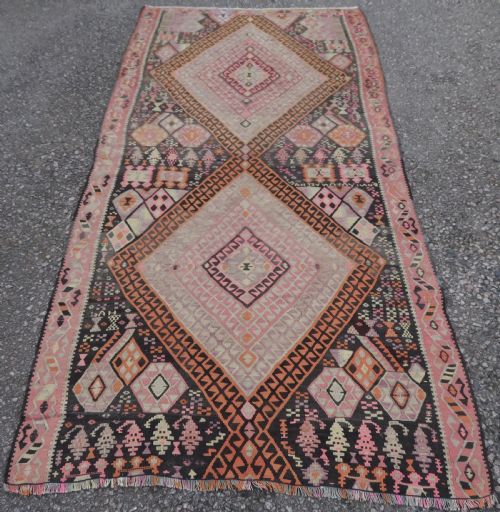
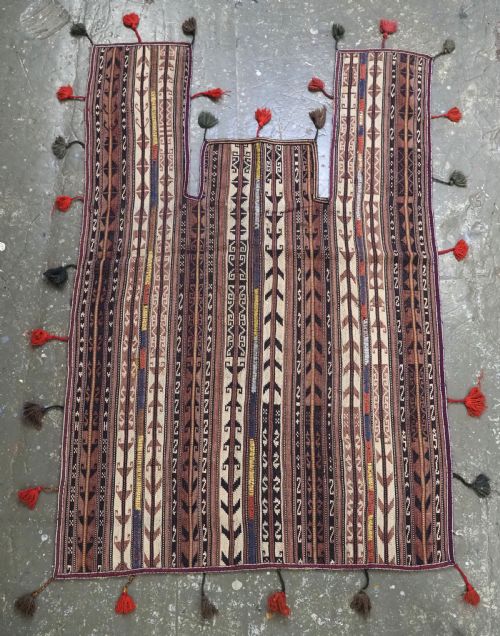
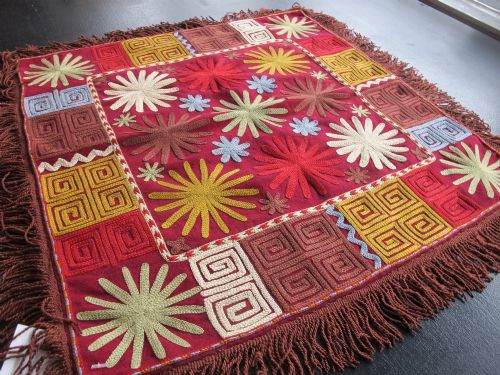
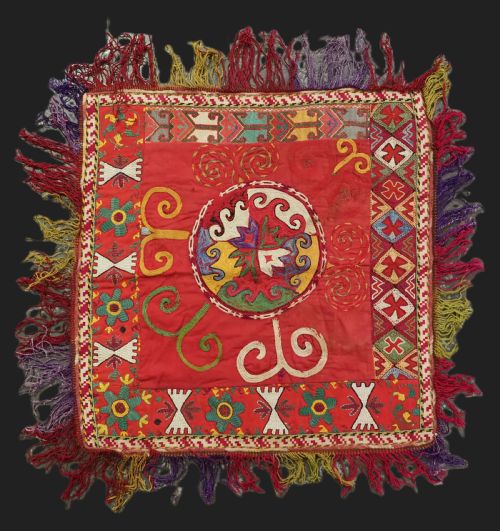
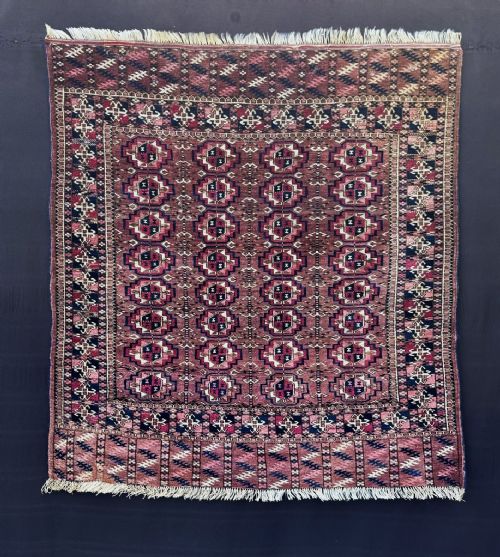
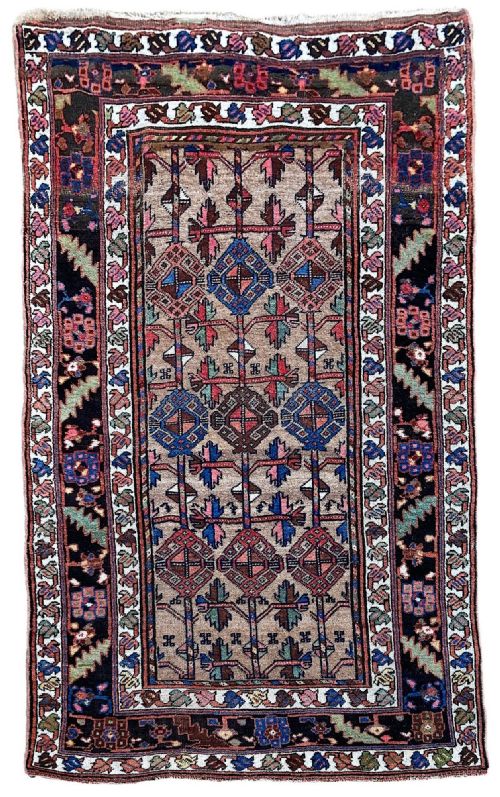
When searching for an antique ethnic rug, buyers encounter a diverse selection of nomadic and village textiles originating primarily from Central Asia, Persia, Turkey, and the Caucasus. These pieces include utilitarian floor coverings alongside ceremonial horse blankets, dowry embroideries, wall hangings, and decorative cushions.
The objects span from the mid-nineteenth century through the early twentieth century, capturing distinct tribal traditions. Turkmen, Kurdish, Uzbek, and Anatolian weavers created these textiles for functional domestic use or specific tribal ceremonies rather than for export markets.
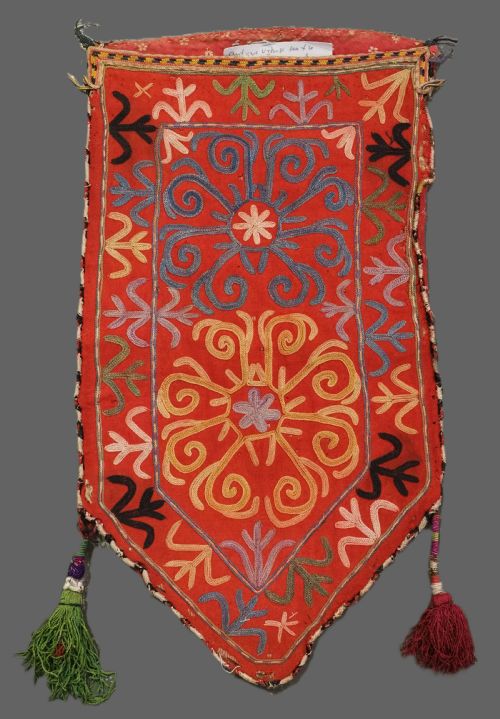
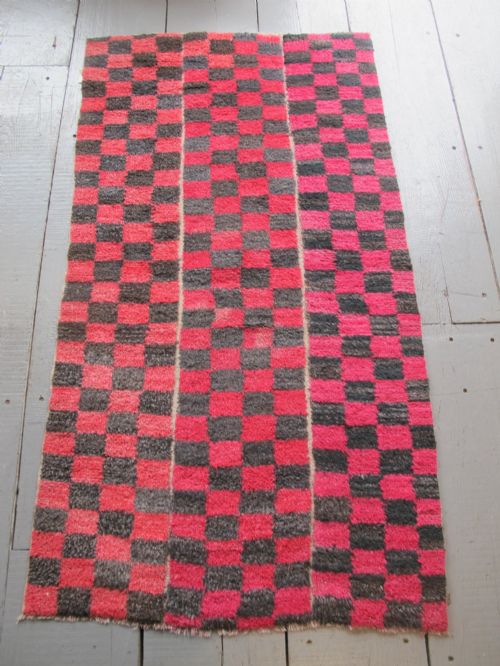
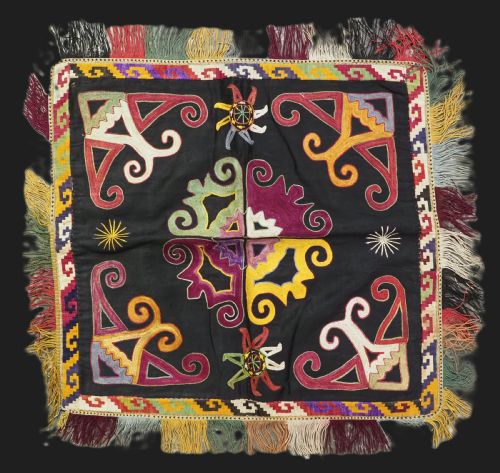
On this page, buyers frequently meet smaller format rugs, runners, flatwoven kilims, and embroidered wall panels such as suzanis and ilgichs. Each item reflects the distinct visual vocabulary and practical lifestyle of the tribal groups who made them.
Materials and construction methods
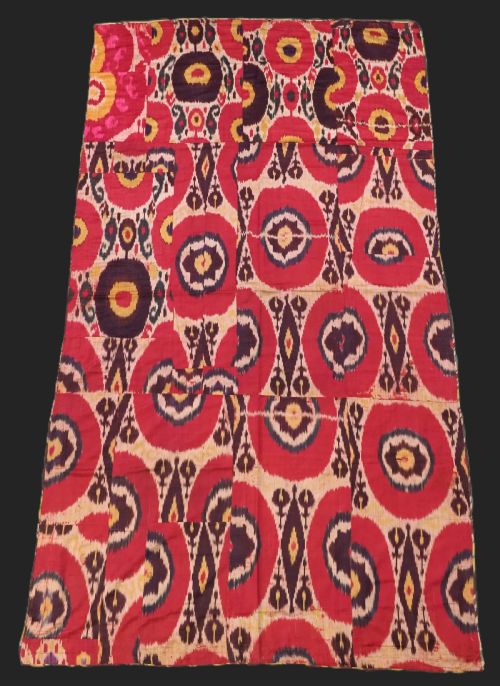
Weavers relied on locally sourced natural fibres, predominantly utilising hand-spun wool, cotton, and occasionally silk for finer embroideries and ikat panels. Goat hair also appears in heavier utilitarian structures where durability was paramount.
Construction techniques vary widely between piled carpets, flatwoven kilims, and heavily embroidered textiles on cotton or wool grounds. Natural dye stuffs provided the saturated colour palettes seen in tribal pieces from regions such as Shakrisabz and the Trans-Caspian steppes.
Antique Ethnic Rug Retail Price Guide 2026
Typical asking prices for ethnic rug among the pieces listed under this phrase on Sellingantiques today, from the lower quarter to the upper quarter. They describe what is for sale here now, not the wider market.
Some horses enjoyed better ceremonial wardrobes than royalty, draped in heavily embroidered Lakai blankets designed to turn heads across the steppes.
Distinguishing quality in tribal textiles
Quality in these textiles rests upon the integrity of the materials, the tightness of the weave or fineness of the needlework, and the clarity of the tribal motifs. Hand-spun wool with complex, well-balanced natural dye palettes generally sits higher in the range than later commercial dye variations.
The handled handle of the textile, the structural stability of the foundation, and the complexity of regional tribal designs determine the overall standing of an individual piece within its category.
The Antique Ethnic Rug Glossary
- Kilim
- A flatwoven carpet or rug produced without a pile by tightly interweaving warp and weft threads. These textiles often feature bold geometric patterns and served numerous nomadic domestic functions.
- Suzani
- A large, embroidered tribal wall hanging or textile panel originating from Uzbekistan and surrounding regions. They are typically worked in vibrant silk threads on a cotton or linen ground.
- Torba
- A small Turkmen wall hanging or storage bag traditionally hung inside a nomadic tent. They frequently display characteristic tribal göls and medallions.
- Ikat
- A dyeing technique where yarn is resist-dyed in patterns prior to weaving, producing characteristic feathered edges along the design motifs. This method is prominent in Central Asian silk fabrics.
- Göl
- A primary repeating medallion or octagonal design motif used by Turkmen and other Central Asian tribes to identify specific clans and lineages.
Antique Ethnic Rug: Frequently Asked Questions
How were antique ethnic rugs originally used?
Nomadic and village communities utilised these textiles as functional floor coverings, bedding, animal trappings, and decorative dowry items within tents and dwellings. Many pieces served specific ceremonial purposes during weddings and tribal gatherings.
Over time, these utilitarian objects transitioned into interior decorations, prized for their rich cultural narratives and durable construction.
How do I care for an antique wool rug?
Regular, gentle vacuuming without a rotating brush roll prevents dust and grit from settling into the wool fibres. Keeping the textile out of direct, harsh sunlight preserves the natural dye colours over decades.
Professional cleaning tailored to antique textiles is recommended when deeper maintenance becomes necessary.
Can I hang an antique rug on the wall?
Many lighter textiles, such as embroideries, kilims, and bag faces, adapt exceptionally well to wall display. Using a non-damaging mounting method distributes the weight evenly across the upper edge of the textile.
Wall hanging keeps delicate flatweaves and embroideries safe from heavy foot traffic while showcasing their intricate patterns.