




Antique Etching Plate
An antique etching plate delivers tangible history through copper and ink, carrying the precise lines pressed by artists centuries ago.
Antique Etching Plate
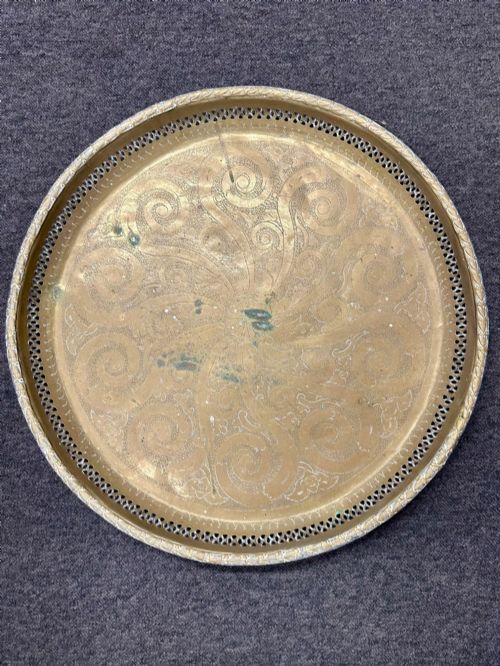
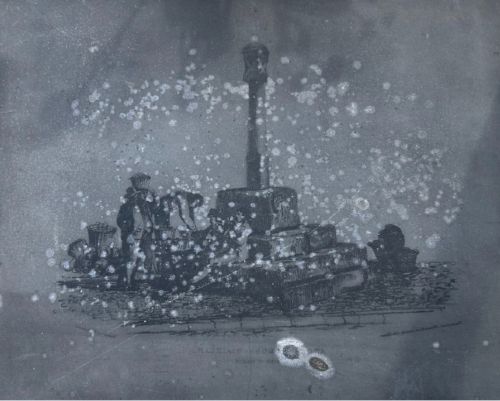
When buyers search for an antique etching plate, they seek out the tactile surfaces and printed works originating from the eighteenth and nineteenth centuries. These items encompass both the metal printing plates themselves and the resulting prints, such as the works by William Hogarth and engravings from the antiquities of Athens.
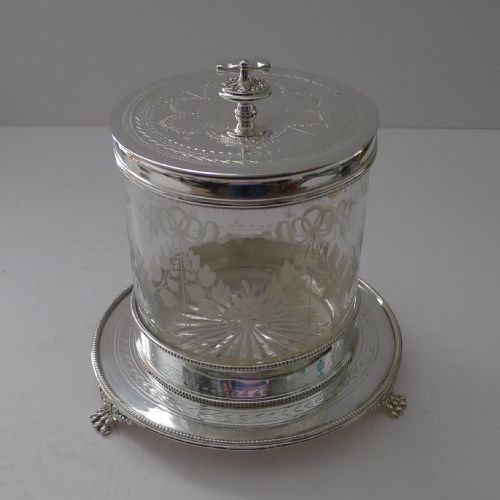
The selection ranges from early nineteenth-century lithographic metal printing plates to eighteenth-century copper engravings. Collectors encounter prints pulled from historic plates as well as decorative items featuring engraved or etched glass plates.
Each piece bears the distinct marks of its period, whether it is the refined detail of Georgian printmaking or the industrial utility of Victorian metal plates. Examining these objects connects the modern collector directly to traditional print rooms and workshops.
Materials and construction methods
Makers utilised durable metals such as copper and lithographic metal for the primary printing surfaces, impressing ink onto quality paper. Artisans also worked with glass, silver plate, and giltwood to frame or accompany these graphic works.
The manufacturing process involved incising designs directly into metal plates or treating glass surfaces with acid etching and reverse cutting. Skilled hands then transferred these compositions using traditional printing presses and specialised inks.
Antique Etching Plate Retail Price Guide 2026
Typical asking prices for etching plate among the pieces listed under this phrase on Sellingantiques today, from the lower quarter to the upper quarter. They describe what is for sale here now, not the wider market.
Hogarth's moralizing progress series offered Georgian viewers serial drama long before the invention of television.
Distinctions in craftsmanship
The finesse of the engraved line and the crispness of the impression separate superior examples from standard production. Sharper details on copper plates and cleaner preservation of the paper indicate a higher standard of original execution.
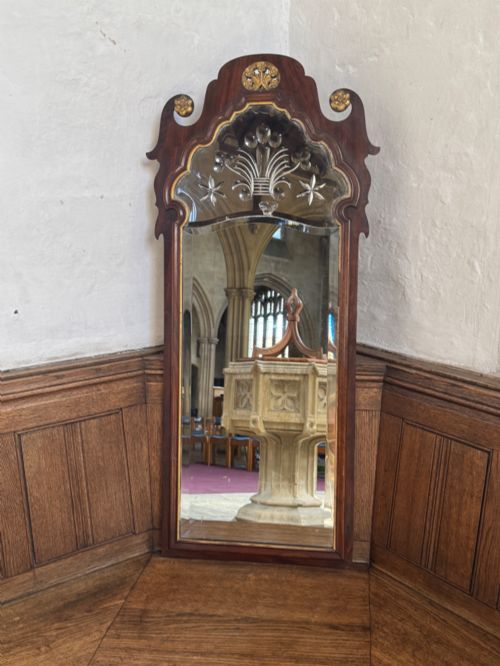
The integrity of the surrounding materials, such as parcel gilt frames or silver-plated mounts, contributes significantly to the overall merit of the piece. Well-preserved patination and minimal wear on the plate surfaces demonstrate careful stewardship over the decades.
John Horner Halifax Pontifex & Stiles·E.L. Riepenhausen·Walker & Hall·Elkington·William Hogarth·Edward Rooker·James Basire
The Antique Etching Plate Glossary
- Etching
- A printmaking process where acid is applied to bite lines into a metal plate, holding ink for the press. This technique allows for fluid, expressive lines that mimic hand-drawn illustrations.
- Engraving
- A method of cutting designs directly into a metal plate using a sharp tool called a burin. The resulting lines are precise and clean, common in eighteenth-century illustrative plates.
- Lithography
- A planographic printing method based on the repulsion of oil and water on a flat surface, often utilised for commercial and artistic production in the nineteenth century.
- Plate mark
- The indentation left on paper by the pressure of the metal plate during the printing process. This physical ridge confirms the authenticity and method of traditional intaglio printing.
- Foxing
- Brown age spots appearing on paper caused by chemical reactions over time. While common in antique prints, minimal spotting is preferred by collectors.
Antique Etching Plate: Frequently Asked Questions
How do I care for antique paper prints?
Keep printed works away from direct sunlight to prevent fading of the ink and yellowing of the paper. Frame them using acid-free materials and maintain stable indoor humidity.
Avoid hanging pieces in damp areas like kitchens or bathrooms. Gentle dusting of the exterior glass protects the fragile paper within.
What is the difference between an engraving and an etching?
An engraving is made by pushing a burin directly into the metal to clear a groove. An etching relies on acid to bite the lines into the plate through a protective ground.
Engravings typically display crisp, tapered lines, whereas etchings offer a freer, more varied stroke. Both techniques defined historical print production.
How can I date an antique printing plate?
Examine the type of metal used, the manufacturing marks, and the typographic style found on the piece. Eighteenth-century plates often feature heavier copper with distinct hand-hammered edges.
Nineteenth-century examples incorporate machine-rolled metals and standardised lettering. Comparing the style to documented historical works helps narrow the decade of origin.
Are metal printing plates still usable for printing?
Most historic plates are preserved as collector items or decorative objects rather than active printing tools. Repeated runs can wear down the delicate incised lines on soft metals like copper.
Modern printmakers prefer fresh plates to ensure sharp impressions. Displaying the historic metal piece highlights its sculptural and historical value.