





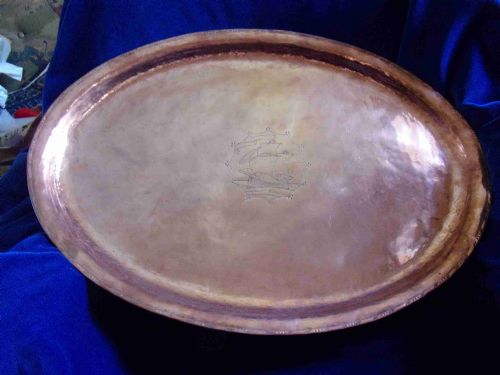


Vintage Copper Engraving
These vintage copper engraving pieces bring sharp line work and rich tonal depth into a room, offering genuine historical printmaking and metalwork for collectors.
Vintage Copper Engraving
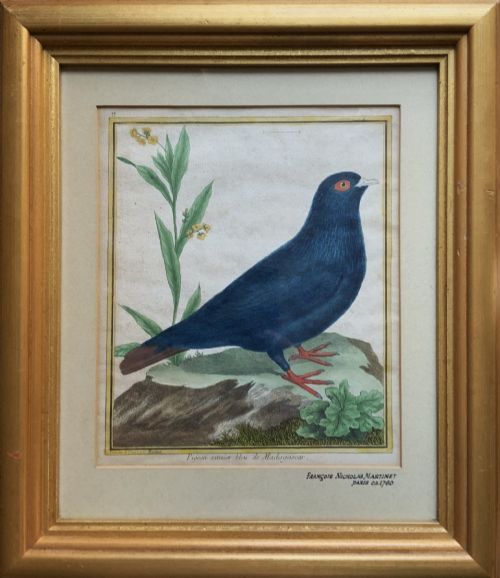
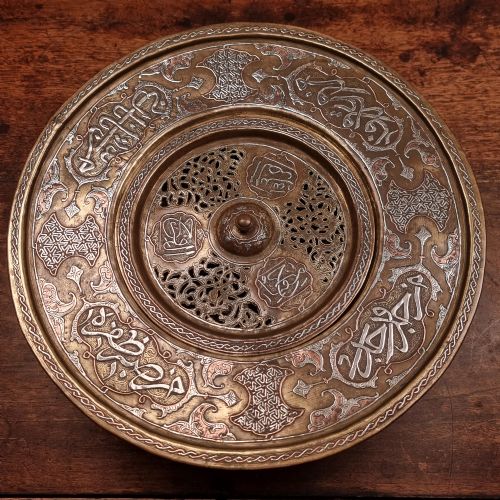
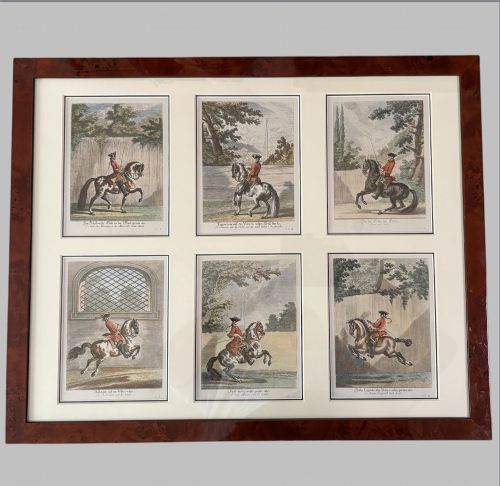
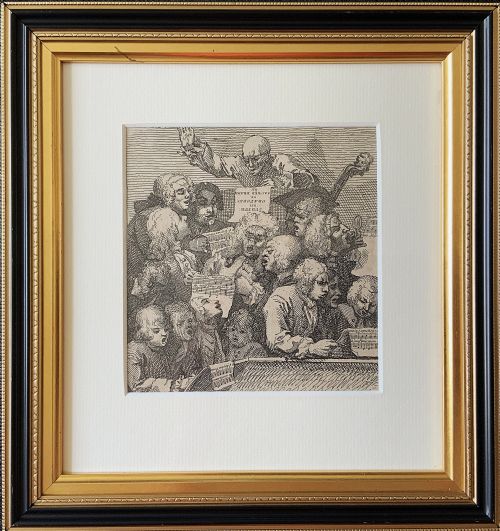
When you search for vintage copper engraving, you encounter a varied selection that includes framed prints and engravings on paper, alongside engraved copper and brass vessels, trays, and dishes from the eighteenth, nineteenth, and twentieth centuries. The printed works range from eighteenth-century natural history plates and satirical scenes to nineteenth-century architectural studies, while the metal objects feature detailed decorative engraving, repousse work, and silver inlay.
The paper works on this page often originate from British, German, and Italian workshops, created by artists and printmakers working from the seventeen-fifties through the nineteenth century. Alongside these flat prints, the selection incorporates Middle Eastern, Persian, and Indian metalware utilising copper, brass, and mixed metals.
A buyer seeking this phrase will most frequently meet framed historical book plates, hand-coloured ornithological and botanical engravings, and nineteenth-century engraved copper trays or bowls. These items bridge two distinct collecting categories, spanning works on paper and decorative metalwork.
Materials and technique
The printed items rely upon copper plates worked by hand with gravers and etching acid, transferring ink onto laid or wove paper. Many examples receive subsequent hand-colouring in watercolours or washes to enhance the printed lines.
The metal objects employ sheets and castings of copper, brass, and silver inlay, shaped by hammering, repousse, and surface engraving. Patination is common on the older metal pieces, highlighting the hand-tooled details against the dark background.
Vintage Copper Engraving Retail Price Guide 2026
Typical asking prices for vintage copper engraving among the pieces listed under this phrase on Sellingantiques today, from the lower quarter to the upper quarter. They describe what is for sale here now, not the wider market.
A bulldog print stares down an eighteenth-century pigeon.
Assessing quality
Quality in the printed works rests on the crispness of the plate impression and the precision of the hand-colouring, where strong, unblemished lines indicate an early strike from the copper plate before wear occurred. Faded or muddy ink and heavy paper discolouration distinguish lesser impressions from the sharpest plates.
For the metalware, quality is visible in the depth and clarity of the engraved and repousse decoration, as well as the deliberate integration of mixed metals like silver and brass. Pieces with crisp chisel work and secure inlay sit clearly above mass-produced or lightly incised vessels.
François-Nicolas Martinet·Ridinger·William Hogarth·Thomas Jefferys·E. Jackson Stodart·James Basire
The Vintage Copper Engraving Glossary
- Engraving
- A printmaking technique where an artist cuts lines directly into a copper plate using a sharp metal tool called a burin. The resulting plate holds ink within the grooves to transfer a sharp image onto paper under pressure.
- Etching
- A method of printmaking where acid bites into the exposed lines of a metal plate coated with an acid-resistant ground. This process creates the recessed lines that hold ink for printing.
- Repousse
- A metalworking technique where the artisan hammers the metal from the reverse side to form a raised design in relief. Details are then refined from the front using chisels and punches.
- Cairoware
- Nineteenth-century metalware produced in Egypt and Europe, featuring intricate brass and copper surfaces inlaid with silver and black paste. These pieces draw on traditional Islamic metalwork designs.
- Stipple engraving
- A method of creating prints using a pattern of dots rather than continuous lines, often achieved with specialised stippling tools to produce soft tonal gradations.
Vintage Copper Engraving: Frequently Asked Questions
How are copper engravings dated?
Print dates often rely on publication plates, watermarked paper, and documented editions produced by the artist or publisher.
Lettering beneath the image typically records the original publication year, though strike dates can sometimes occur decades later.
Are these prints original?
The listings feature original impressions pulled from the historic copper plates during the periods stated.
Modern photographic reproductions are absent from this selection, which focuses on period ink-on-paper works and hand-tooled metal.
How should I frame antique paper?
Prints on paper require acid-free backing materials and conservation-grade mounts to prevent yellowing and deterioration over time.
Keeping them away from direct sunlight protects the delicate hand-coloured washes from fading.
What is mixed metalware?
Mixed metal items combine copper, brass, and silver inlay to create contrasting patterns across trays, bowls, and coffee pots.
Artisans in the Middle East and Britain utilised these combinations during the nineteenth century for decorative effect.