





Antique Equestrian Pottery
Antique equestrian pottery captures horses, riders and hunts in earthenware and porcelain, offering a tangible connection to historical pastimes and animal subjects.
Antique Equestrian Pottery
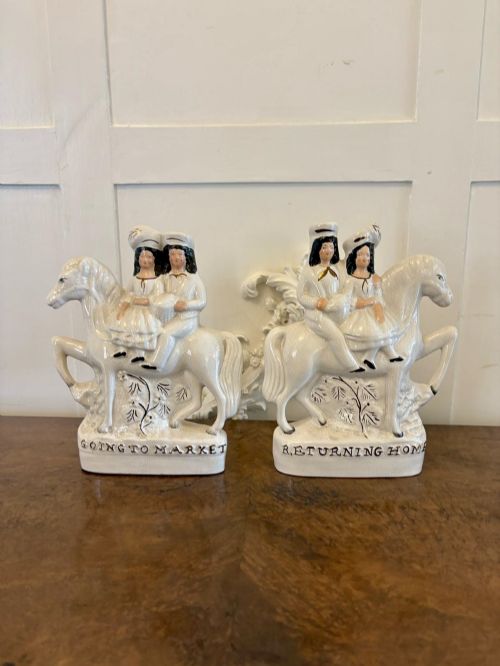
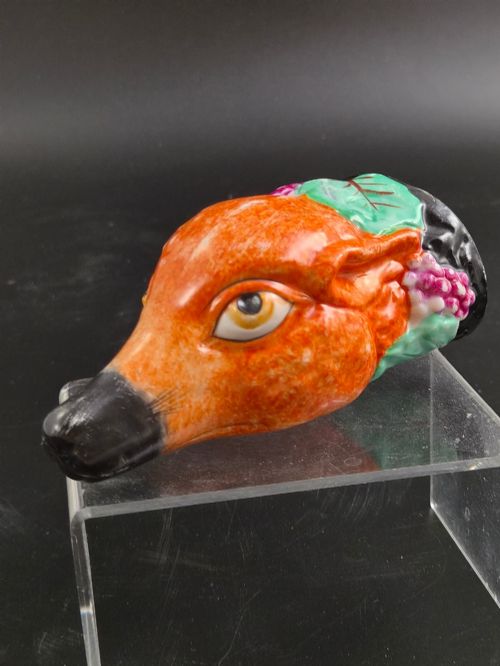
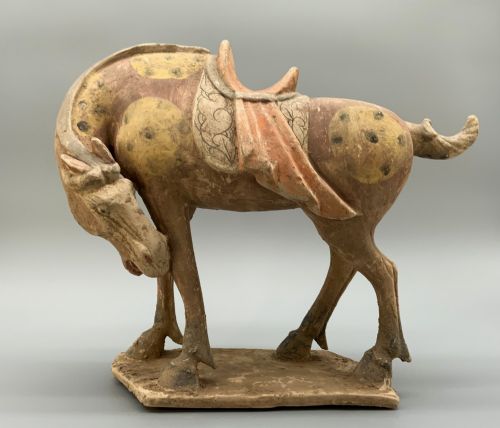
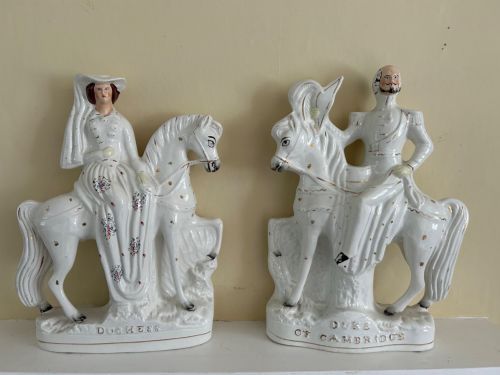
When you search for antique equestrian pottery, you encounter figures, vessels and wall brackets depicting horses, riders and hunting scenes. These objects range from Staffordshire flatbacks and stirrup cups to Persian lustre bowls and Chinese Tang Dynasty style pieces.
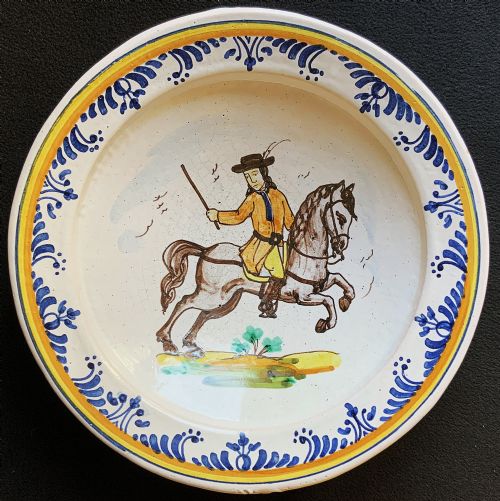
The Victorian period dominates the selection, particularly through Staffordshire pottery figures of mounted figures, jockeys and historical personages on horseback. Alongside these English pieces, earlier or continental examples such as Spanish faience chargers and Persian bowls appear.
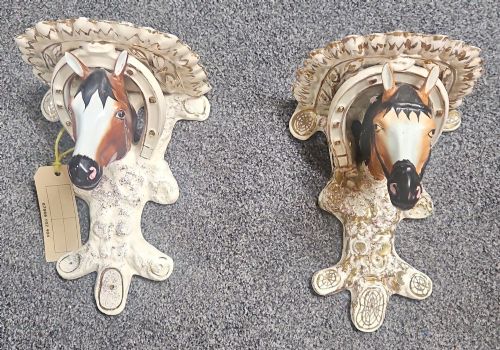
Forms vary from pairs of flatback figurines and loving mugs with hunting scenes to wall brackets shaped as horse heads and decorative plates. Each piece reflects the enduring fascination with horses in domestic ceramic display.
Materials and methods
Potters relied primarily on earthenware, ceramic and porcelain, shaping the clay through moulding and hand-modelling before firing. Earthenware formed the foundation for many Staffordshire figures and slipware items, while porcelain suited finer items like stirrup cups.
Glazes, enamels and transfer printing brought colour and detail to the surfaces. Sancai glazes, polychrome pigments and transfer-printed hunting scenes defined the visual character of these works across different centuries and origins.
Antique Equestrian Pottery Retail Price Guide 2026
Typical asking prices for equestrian pottery among the pieces listed under this phrase on Sellingantiques today, from the lower quarter to the upper quarter. They describe what is for sale here now, not the wider market.
Some loving mugs feature hidden ceramic frogs peering up from the bottom to surprise drinkers.
Distinguishing quality
The preservation of original glazes and enamels without excessive restoration governs the desirability of these ceramics. Uniformity in the firing process and clarity of colour contribute to a more successful aesthetic outcome.
The Antique Equestrian Pottery Glossary
- Flatback
- A ceramic figure designed with a finished front and sides but a flat, unglazed or minimally decorated rear, intended to stand against a wall.
- Stirrup cup
- A ceramic cup shaped like an animal head, often a fox or hound, historically handed to mounted riders before a hunt.
- Faience
- Tin-glazed earthenware produced in Europe, known for its opaque white background and painted polychrome decoration.
- Sancai
- A traditional Chinese three-colour glaze scheme used widely on Tang Dynasty pottery figures and vessels.
- Pratt ware
- English earthenware characterised by low-relief moulding and specific underglaze colours like ochre, blue and brown.
Antique Equestrian Pottery: Frequently Asked Questions
What is a flatback figure?
Flatback figures are ceramic sculptures modelled primarily on the front and sides with a flat reverse. Makers designed them this way so they could sit neatly on mantelpieces against walls.
This construction style is particularly common among 19th-century Staffordshire pottery pieces depicting riders and historical personalities.
How were stirrup cups used?
Stirrup cups served as drinking vessels handed to riders while they remained seated in their saddles before a hunt. Because of their rounded or animal-head bases, they could not be set down until emptied.
They function today as decorative display objects rather than practical tableware.
Are all Staffordshire horse figures Victorian?
While the majority of Staffordshire equestrian pottery dates from the Victorian era, production spans different decades of the 19th century. Stylistic details and registration marks help narrow down the specific period of manufacture.
Earlier prototypes and later revivals also exist within the broader category.
How do I care for antique ceramic figures?
Display these pieces away from direct sunlight and sources of extreme heat to protect fragile glazes and enamel colours. Dust them gently with a soft, dry brush rather than liquid cleaners.
Stable placement on a flat surface prevents accidental tipping and damage.