


Antique Equestrian Furniture
Antique equestrian furniture brings the practical gear of the stable and tack room into the home as functional hall stands, boot jacks and saddle racks.
Antique Equestrian Furniture
Antique equestrian furniture encompasses pieces designed for the storage, maintenance and display of riding equipment and hunting gear. When searching for antique equestrian furniture, buyers encounter items created for the country house, the tack room and the military camp.
Domestic hall stands and horseshoe mirrors also appear alongside utilitarian saddle racks and jockey scales. Each piece reflects the central role of horses and riding in daily life during the nineteenth and early twentieth centuries.
How these pieces were made
Cabinet makers utilised durable hardwoods such as mahogany, oak and walnut to withstand the heavy wear associated with riding boots, saddles and tack. These timbers were selected for their strength and finished with brass hooks, folding iron pull mechanisms and glass components.
Military campaign items incorporated folding elements and robust brass fittings designed for travel and field use by officers. Joinery techniques in tack cupboards and hall racks prioritised structural integrity, utilising solid timber panels and straightforward construction methods suitable for utility spaces.
Some folding boot jacks retain their original brass hook pulls designed for muddy nineteenth-century officers.
What varies in quality
Quality in these pieces rests upon the grade of timber employed and the robustness of the original brass and iron hardware. Finer examples display superior timber selection, such as figured mahogany or well-grained oak, alongside precision in the smithing of folding hooks and boot pulls.
Utilitarian pieces made for stable use often show heavy functional wear, whereas items destined for the country house hallway exhibit more refined cabinet work and decorative carving. The presence of working mechanical elements, such as folding shoe pulls and makers' stamps like those by W & T Avery, distinguishes standard items from superior productions.
W & T Avery
The Antique Equestrian Furniture Glossary
- Boot jack
- A V-notched wooden device used for removing riding boots without bending down. Folding examples were popular among military officers for travel.
- Tack cupboard
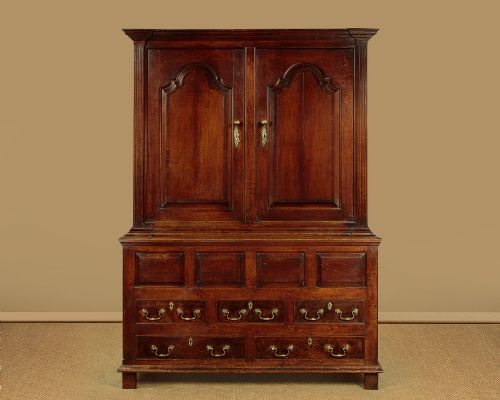
- A secure cabinet used for storing horse harnesses, saddles and riding accessories. These are typically constructed from solid oak with panelled doors.
- Campaign furniture
- Portable furnishings designed for military officers on active service. They feature collapsible elements, recessed brass handles and robust construction.
- Jockey scale
- A specialised weighing apparatus used in horse racing. Examples often incorporate brass plates and mahogany platforms.
- Whip stand
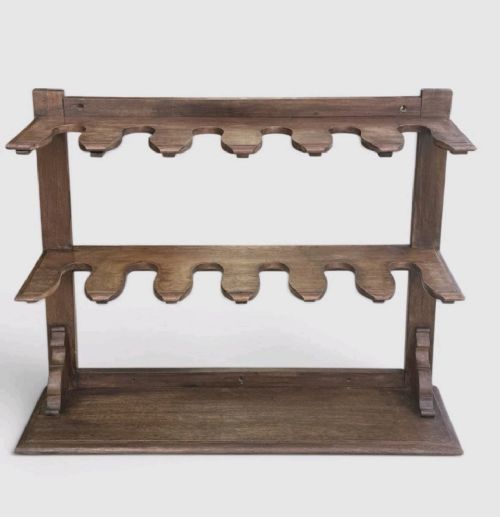
- A vertical rack or stand designed to hold riding crops and hunting whips. They are usually positioned in hallways or tack rooms.
Antique Equestrian Furniture: Frequently Asked Questions
What is antique equestrian furniture?
Antique equestrian furniture consists of functional items built for storing and managing horse riding equipment. This category includes boot racks, saddle stands, whip holders and tack cupboards.
These pieces originate mainly from the Georgian, Regency and Victorian eras when equestrian pursuits were central to travel and daily life.
How were boot jacks used?
A boot jack is placed on the floor with the heel of a riding boot held inside the V-shaped notch. The user steps on the base with the opposite foot and pulls their heel free from the tightly fitted leather boot.
Military and field versions often fold flat for easy packing during travel.
Where should I place a tack cupboard?
Tack cupboards suit entrance halls, boot rooms and studies where their deep shelves and cabinets serve practical storage needs. Their solid oak and mahogany construction brings a traditional country house aesthetic to domestic interiors.
Ensure the room humidity is stable to preserve the historic hardwood timbers.
How do I identify campaign pieces?
Campaign pieces feature structural elements designed for portability and field use, such as folding frames and recessed brass handles. They utilise durable timbers like mahogany and oak to withstand regular transport.
Look for original iron folding hooks and mechanical shoe pull mechanisms typical of nineteenth-century military equipment.