

Antique Entryway Hall Stand
An antique entryway hall stand welcomes guests while sorting coats, hats, sticks and umbrellas in the hallway.
Antique Entryway Hall Stand
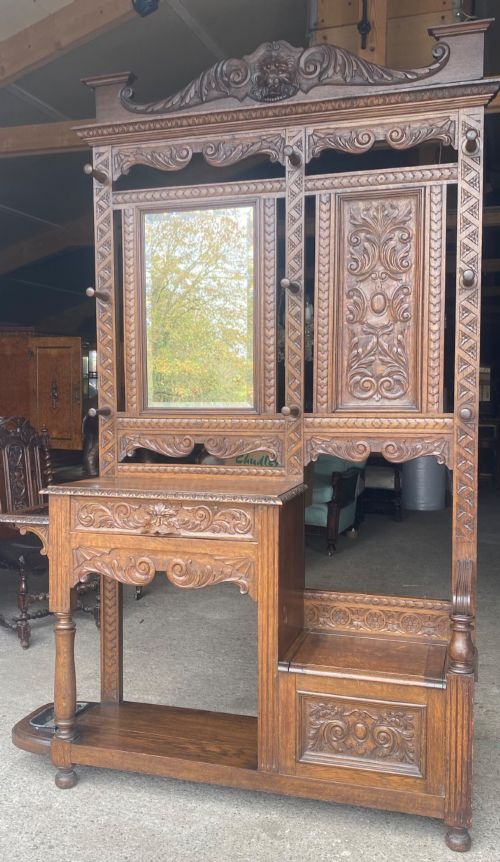
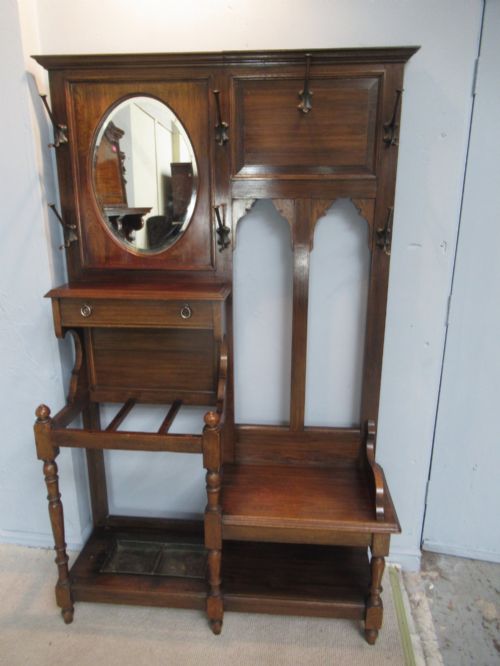
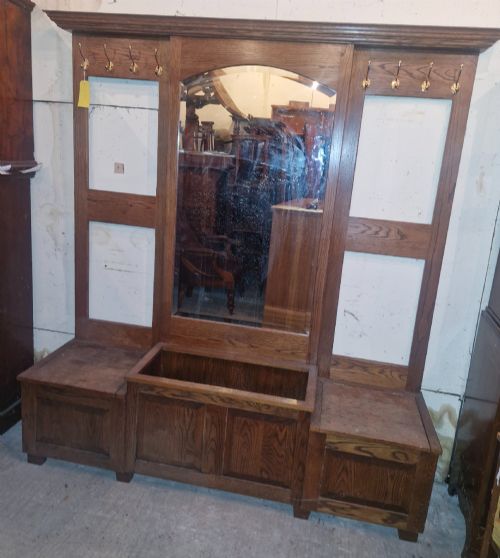
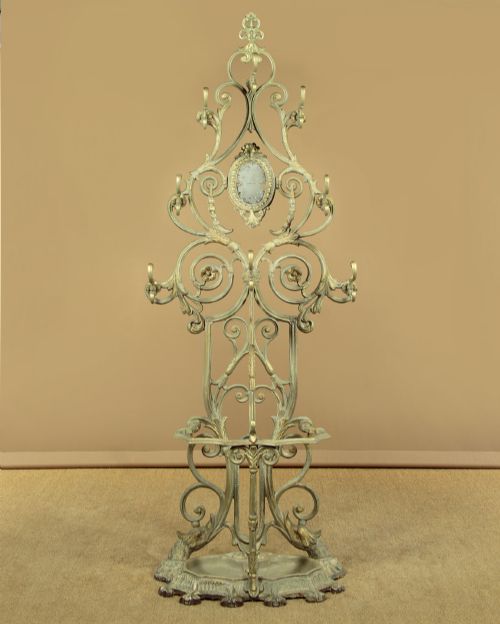
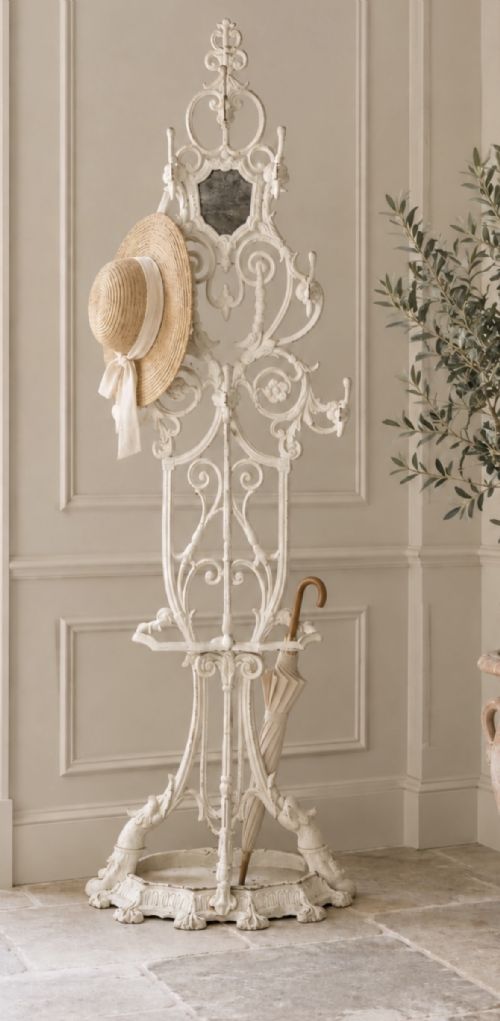
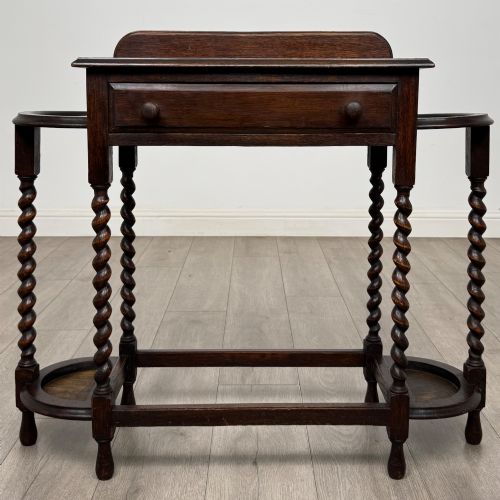
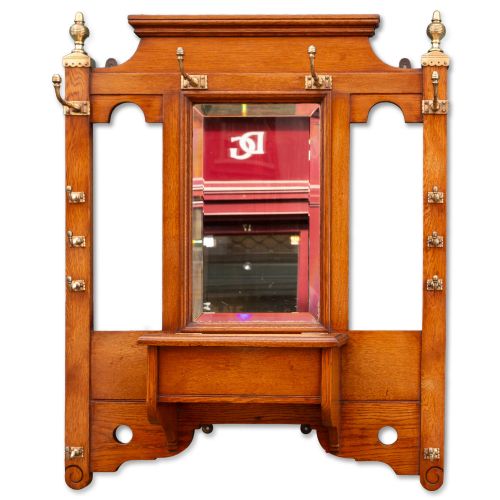
When you search for an antique entryway hall stand, you encounter substantial furniture designed to organise the entrance of a home. These pieces function as combined storage units, integrating coat hooks, hat shelves, and umbrella holders into a single vertical structure.
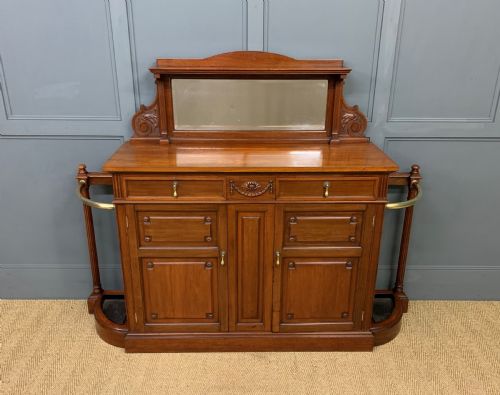
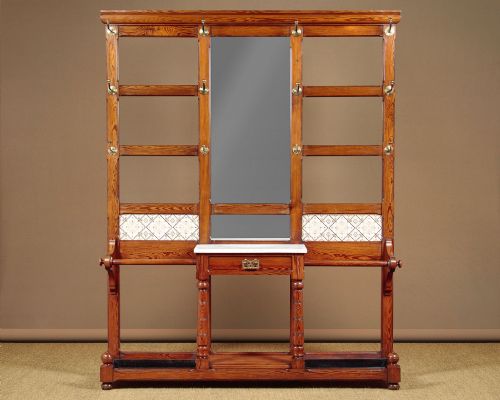
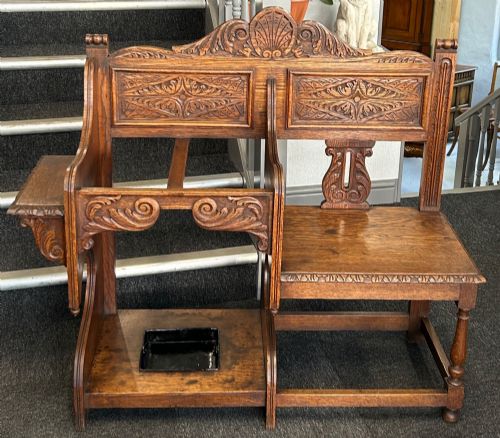
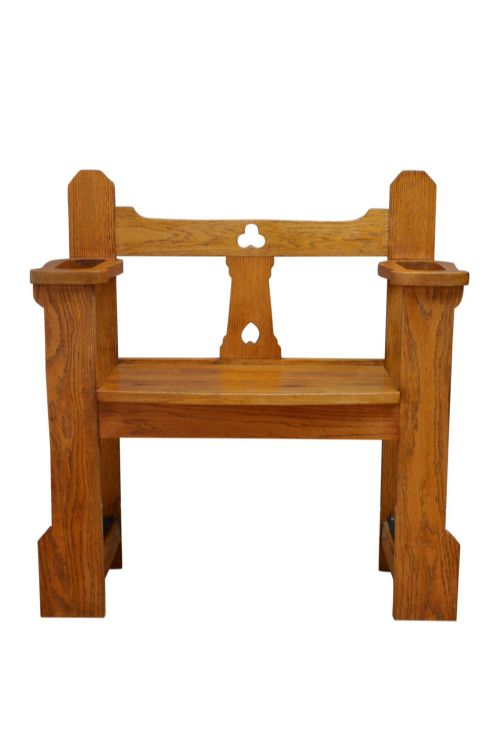
The most common versions on this page date from the Victorian and Edwardian periods, constructed predominantly in oak, walnut, or mahogany. Many examples incorporate central mirrors and integrated bench seats or lower umbrella pans to catch drips from wet days.
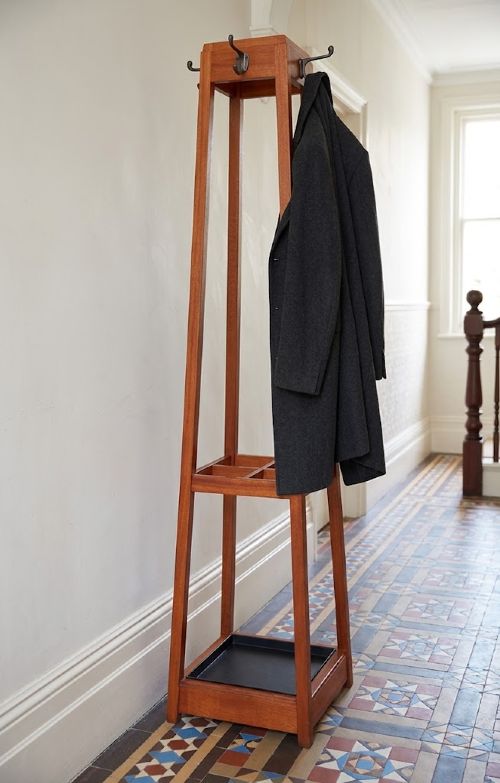
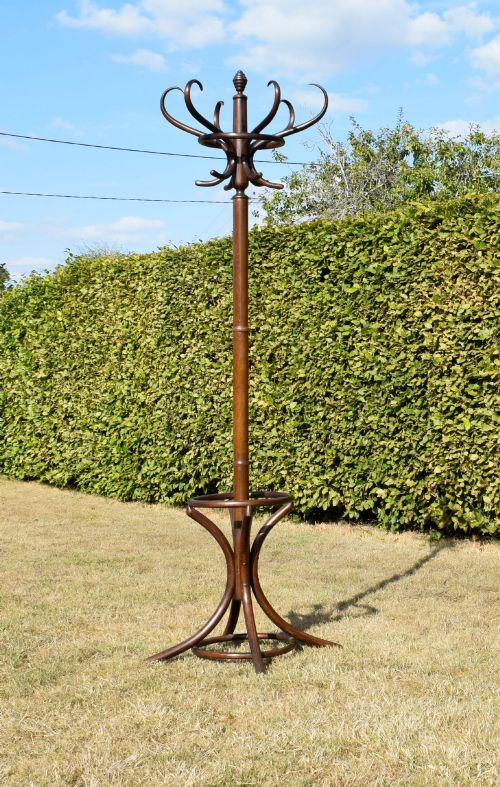
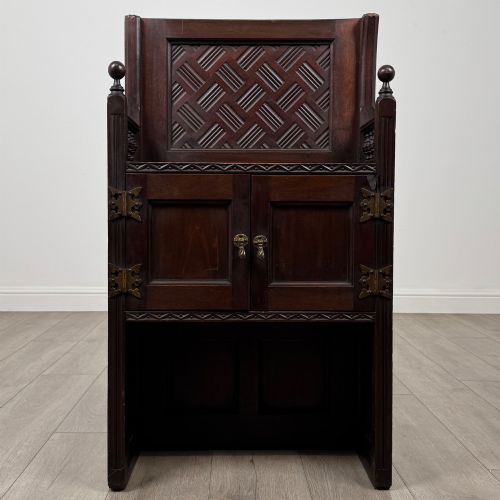
The forms range from simple wall-mounted coat racks and bentwood stands to large multi-functional hall seats and carved oak wardrobes. Originating from British and French workshops, they reflect the domestic priorities of nineteenth and early twentieth-century hallways.
How they were made
Cabinet makers utilised solid timbers like oak, walnut, and mahogany, often shaping them through carving, steam-bending, or panel construction. Structural robustness was essential to bear the heavy weight of winter garments and wet umbrellas.
Metal elements such as brass, cast iron, and steel formed the structural hooks, umbrella rails, and drip pans. Glass mirrors and marble inserts were frequently integrated into the wooden framework to provide utility and light reflection in dim corridors.
Some hall stands hid tiny compartments for calling cards and visiting gloves.
What varies in quality
The distinction between ordinary and superior pieces rests on the depth of carving and the selection of timber grain, such as figured walnut or golden oak. Substantial constructions involving Green Man motifs or complex architectural mouldings demonstrate greater workshop ambition.
Fittings also dictate worth, distinguishing between robust cast iron frames with original brass hardware and simpler utilitarian items. The presence of integrated seating, bevelled mirror glass, and heavy-gauge metal drip pans separates standard hall furniture from exceptional examples.
Shoolbred & Co.
The Antique Entryway Hall Stand Glossary
- Hallstand
- A piece of furniture combining coat hooks, hat storage, and umbrella holders for an entrance hall. Many also feature a mirror and a small bench or glove box.
- Bentwood
- Wood softened by steam and bent into curved structural forms. This technique created lightweight, resilient hat and coat stands during the late nineteenth and early twentieth centuries.
- Stick stand
- A compact furniture item designed specifically to hold walking sticks, canes, and umbrellas. They frequently incorporate metal drip pans at the base to protect flooring.
- Aesthetic Movement
- A late nineteenth-century design style emphasising visual beauty over narrative meaning. Pieces from this movement often utilise bamboo and distinctive decorative motifs.
- Console table
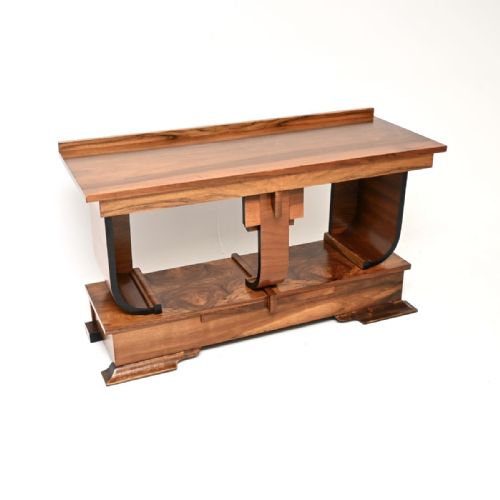
- A table designed to be fixed against a wall, sometimes supported by ornamental brackets or legs. In entrance halls, these provided a surface for letters and visiting cards.
Antique Entryway Hall Stand: Frequently Asked Questions
What is an antique entryway hall stand?
An antique entryway hall stand is a multi-functional piece of furniture designed to hold outdoor wear and walking accessories in a domestic entrance. These items combine hooks for coats and hats with umbrella holders and frequently include a mirror or seat.
Originating primarily from the Victorian and Edwardian eras, they served as both practical storage and a decorative focal point for visitors entering a home.
How were hall stands used historically?
Historically, households utilised hall stands to manage the heavy coats, top hats, umbrellas, and walking sticks worn during daily outdoor excursions. Upon arriving home, family members and guests could deposit wet garments and accessories immediately.
The integrated bench seat provided a convenient place to sit while removing boots, while the mirror allowed a final check of attire before stepping back outside.
How do I care for wooden hall furniture?
Preserving wooden hall furniture involves maintaining stable indoor humidity and keeping timber away from direct heat sources that cause warping. Regular dusting with a soft cloth prevents grime accumulation on intricate carvings and mouldings.
Conditioning the wood periodically with appropriate wax helps nourish the grain and protects the antique finish from drying out over time.
How can I tell Victorian from Edwardian stands?
Victorian hall stands typically feature heavier, darker timber, elaborate dark carvings, and robust cast iron or brass fittings. Their design often leans toward ornate architectural details and substantial proportions.
Edwardian pieces generally present lighter golden oak, simpler lines, and a greater emphasis on utility, reflecting changing domestic tastes at the start of the twentieth century.