





Antique Entry Hall Mirror
An antique entry hall mirror combines practical glass with sturdy timber frames to greet visitors and brighten dark passages.

Antique Entry Hall Mirror
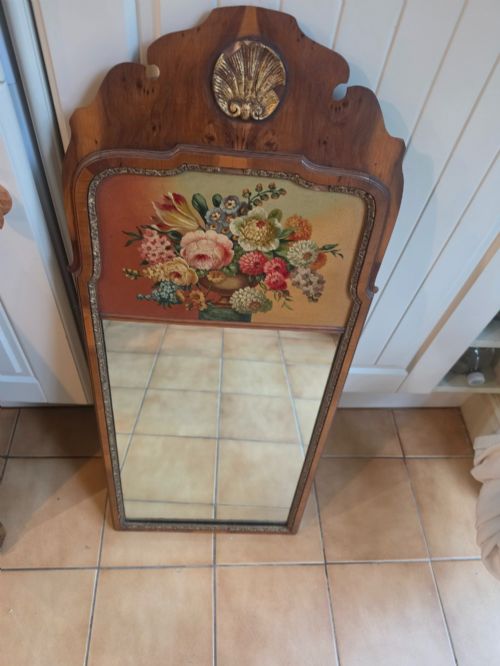
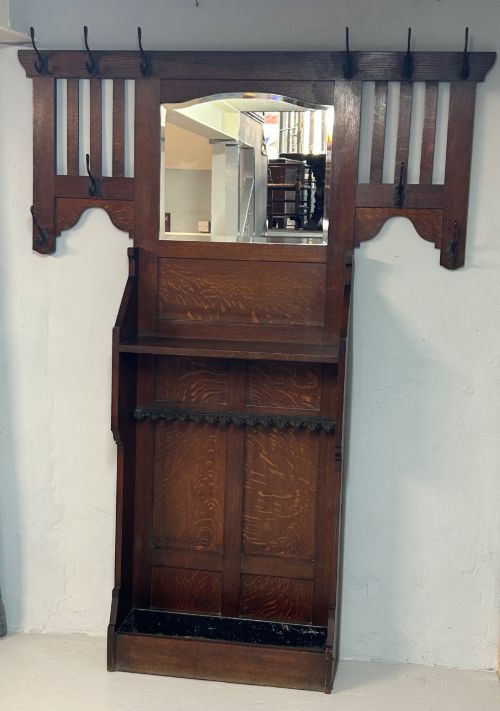
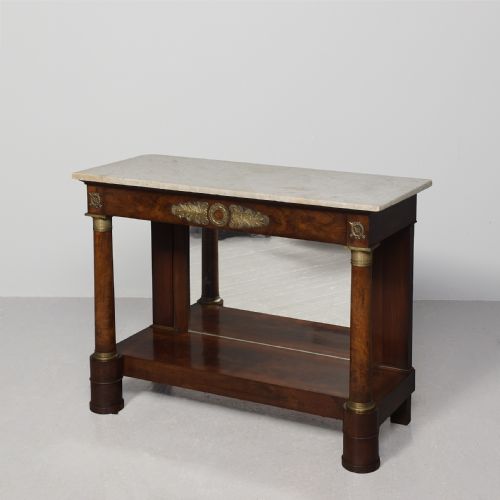
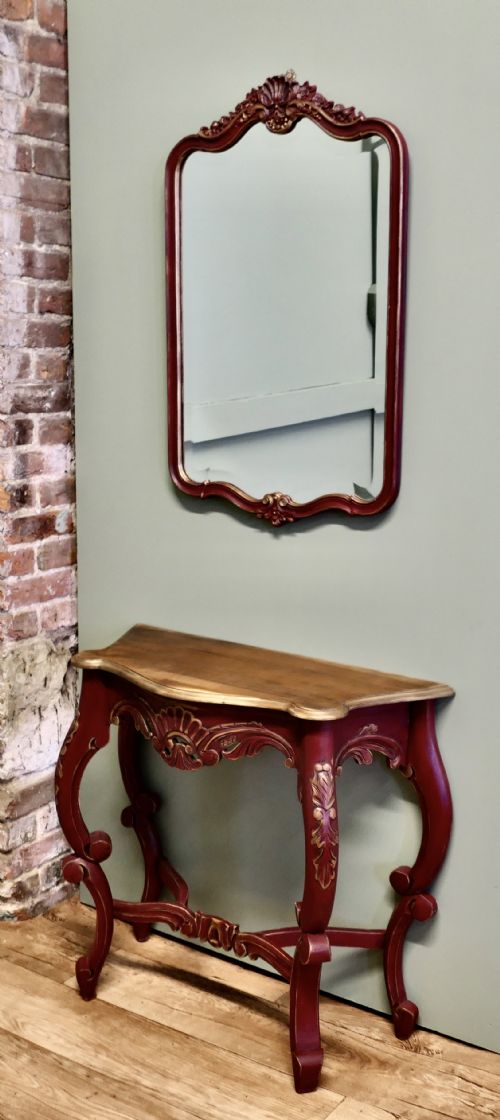
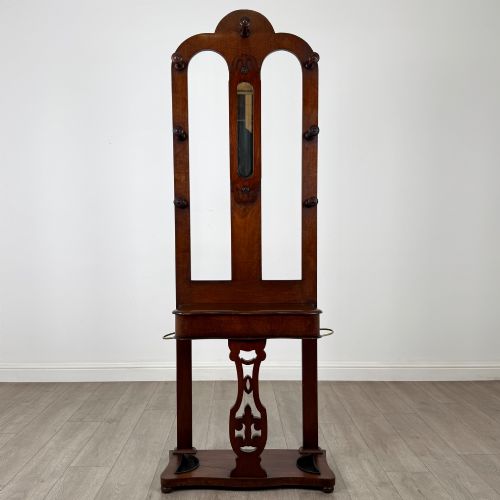
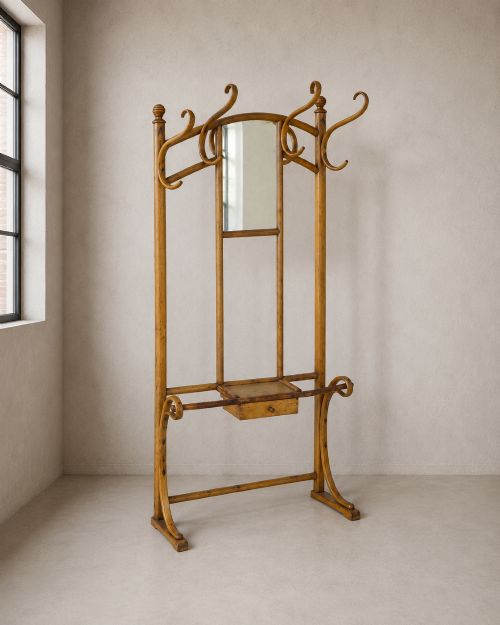
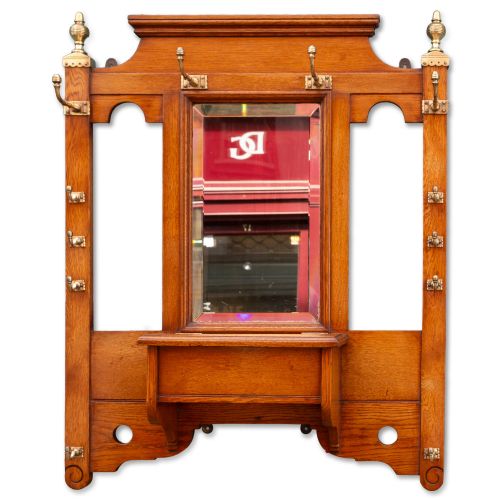
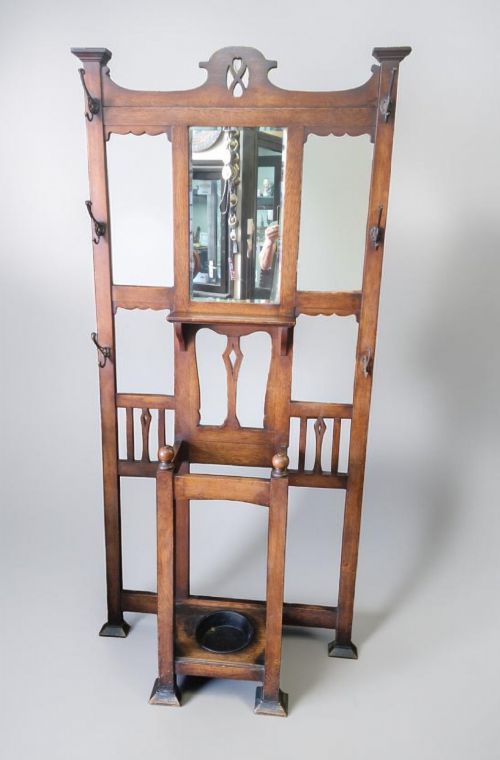
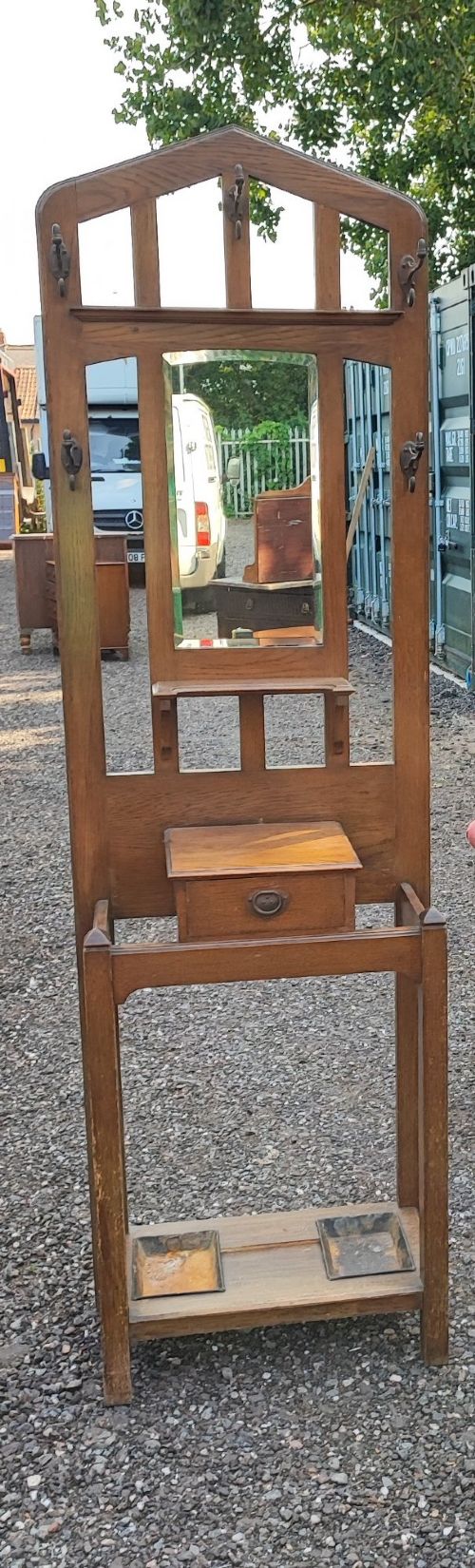
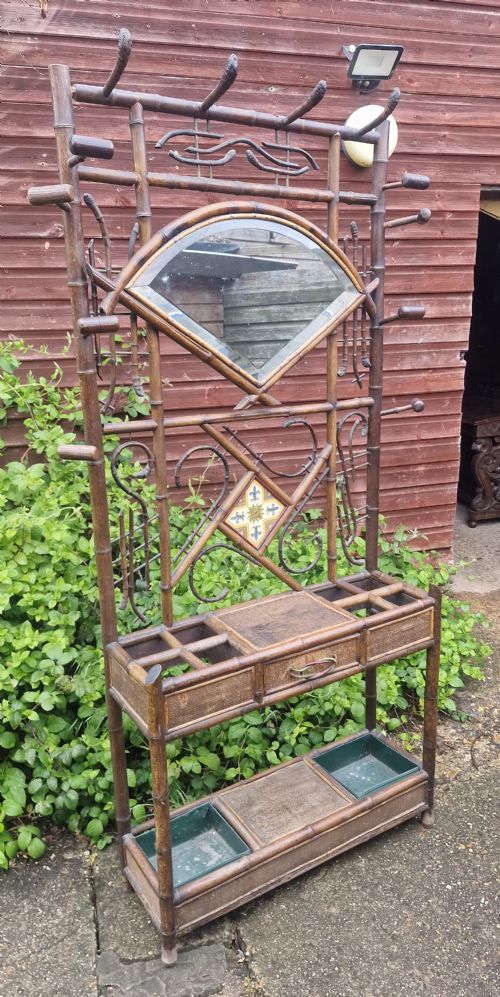
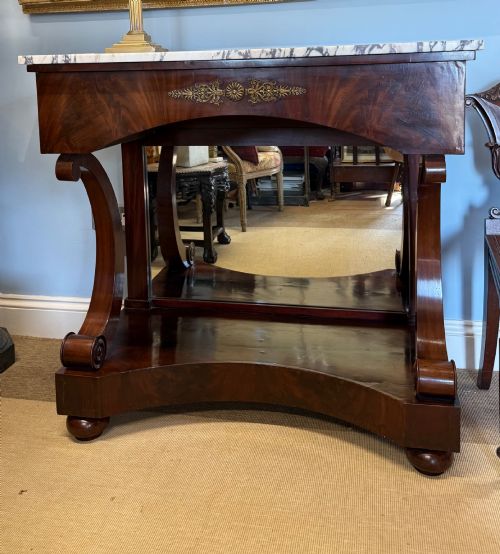
When you search for an antique entry hall mirror, you encounter a selection spanning the nineteenth century and the early twentieth century. These items appear in various forms, including wall mirrors, console tables with mirror backs, and multifunctional hall stands incorporating coat hooks and umbrella stands.
The pieces on this page originate from diverse styles such as Victorian, Edwardian, Regency, and Art Nouveau. Oak, mahogany, and walnut dominate the timber choices, frequently accompanied by original glass and brass fittings.
Materials and construction methods
Cabinet makers utilised solid hardwoods like oak and mahogany, alongside walnut and parcel gilt, building sturdy frames designed for daily household use. Many pieces incorporate white marble tops and cast iron elements, particularly within hall stands and console tables.
Joining techniques relied on traditional mortise and tenon construction, while decorative details featured hand carving, inlay work, and bentwood moulding. Giltwood finishes and bronze accents provided ornamental contrast against the darker timbers.
Antique Entry Hall Mirror Retail Price Guide 2026
Typical asking prices for entry hall mirror among the pieces listed under this phrase on Sellingantiques today, from the lower quarter to the upper quarter. They describe what is for sale here now, not the wider market.
Assessing quality in period hall mirrors
The standard of craftsmanship shows in the depth and crispness of the hand carving and the selection of figured timber veneers. Superior examples maintain integrated mirror plates and matching console tables that were designed as a single suite rather than assembled later.
Structural integrity in heavy items like oak hall stands depends on robust joinery and original brass coat hooks that withstand regular weight. The preservation of the original mercury or silvered glass plate also distinguishes finer items from later replacements.
Coalbrookdale
The Antique Entry Hall Mirror Glossary
- Console table
- A table designed to stand against a wall, frequently paired with a matching wall mirror above it. These tables often feature marble tops.
- Hall stand
- A multifunctional piece combining a mirror, coat hooks, umbrella stands, and sometimes a small bench or glove drawer.
- Parcel gilt
- A decoration technique where selected areas of a timber or gesso frame are coated in thin gold leaf while the rest remains exposed.
- Pier mirror
- A tall mirror specifically designed to hang on the pier, the solid section of wall between two windows.
Antique Entry Hall Mirror: Frequently Asked Questions
What is an antique hall tree?
An antique hall tree is another term for a hall stand, combining vertical timber panels, a mirror, and hooks for hats and coats.
These pieces served as the primary storage point for outerwear in historical entrance halls.
How do I date an oak hall stand?
Dating relies on stylistic clues, such as heavy Victorian carving, clean Edwardian lines, or the distinctive geometry of Arts and Crafts design.
Hardware styles and timber treatments also assist in narrowing the decade of manufacture.
Where should I place a console table with mirror?
Console tables with mirror backs function best in narrow entrance halls where they reflect natural light and create a sense of space.
The matching surface provides a convenient drop-off point for keys and post upon entering the house.
Did hall mirrors always include coat hooks?
Not all hall mirrors featured coat hooks, as wall-mounted mirrors and console tables were produced as distinct decorative items.
Wall mirrors focused purely on glass and framing, whereas hall stands integrated the hooks and umbrella wells.