

Antique Engraved Portrait
An antique engraved portrait captures historical likenesses through intricate printmaking techniques spanning centuries.
Antique Engraved Portrait
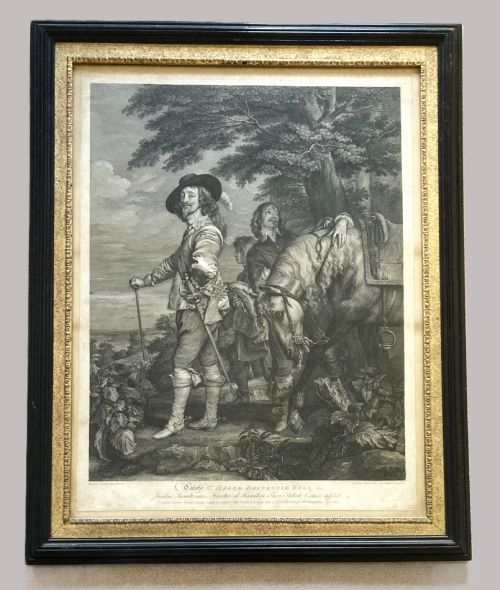
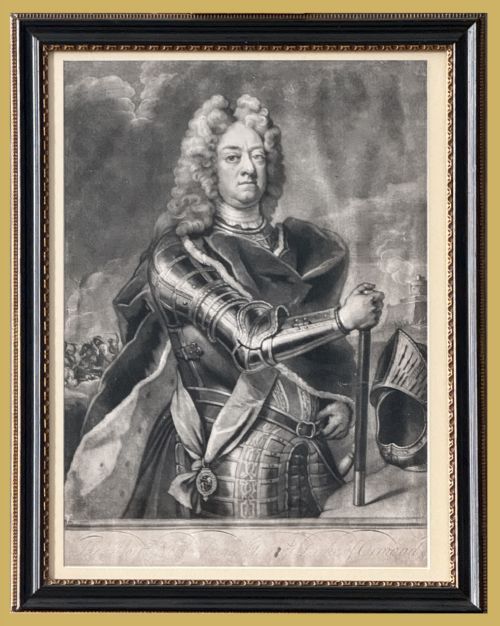
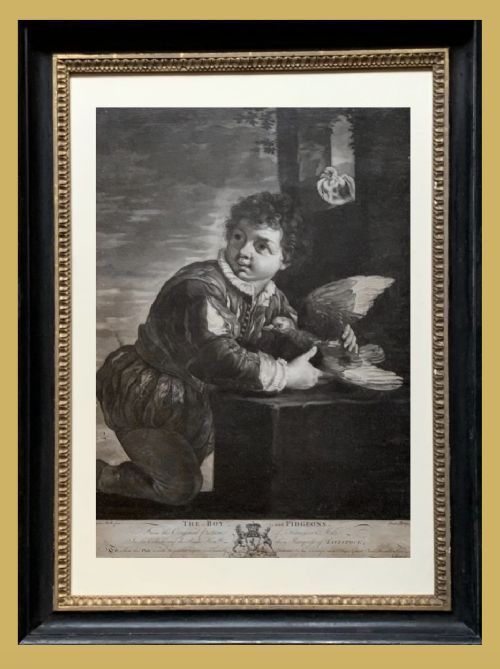
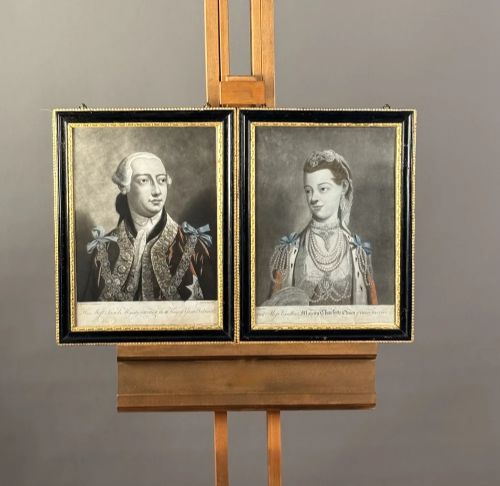
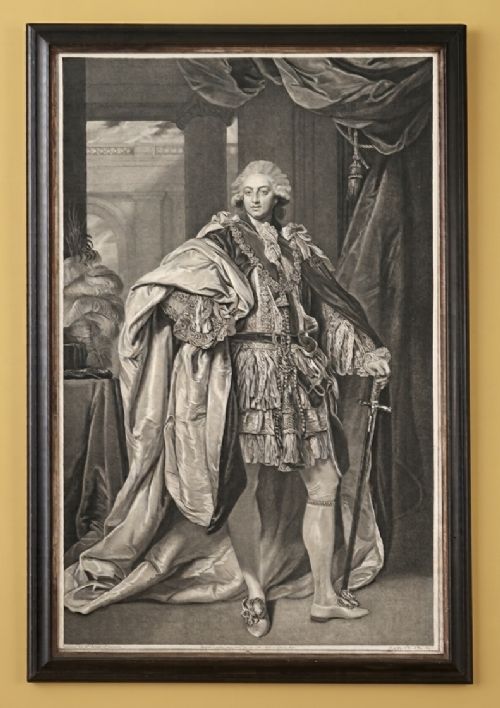
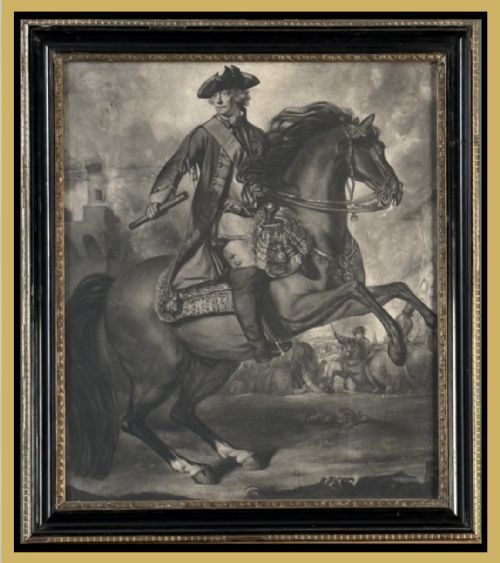
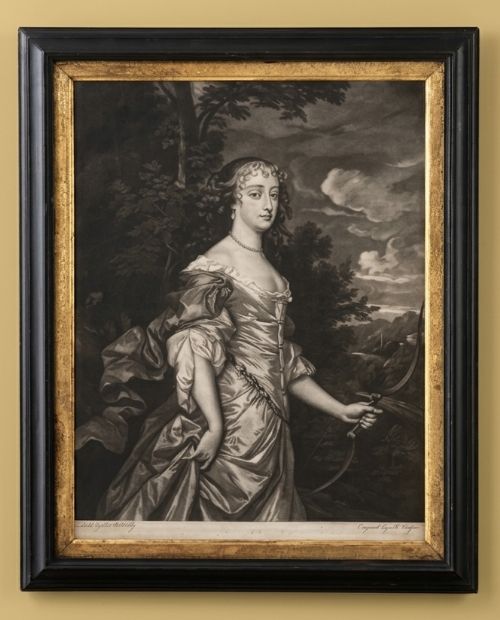
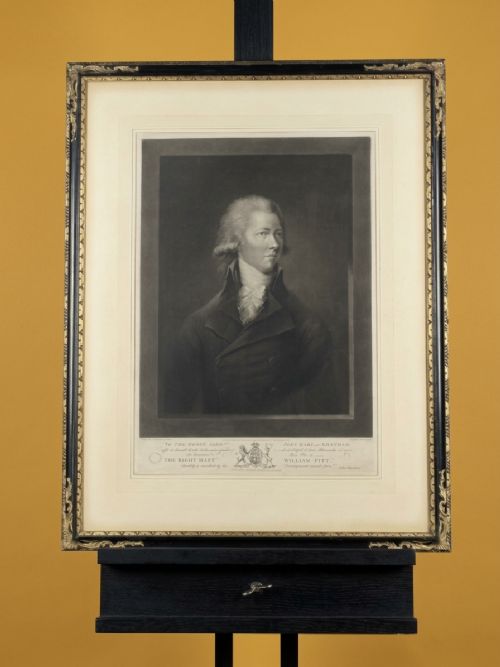
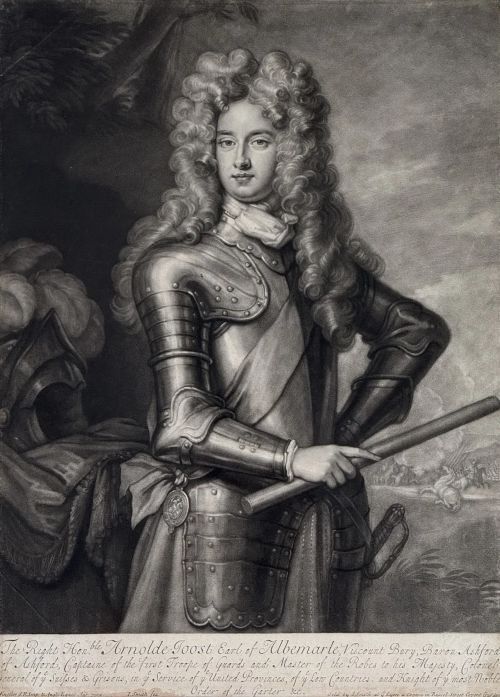
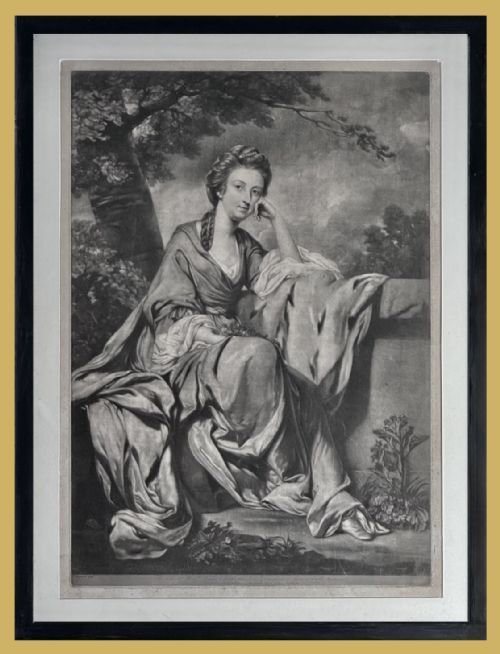
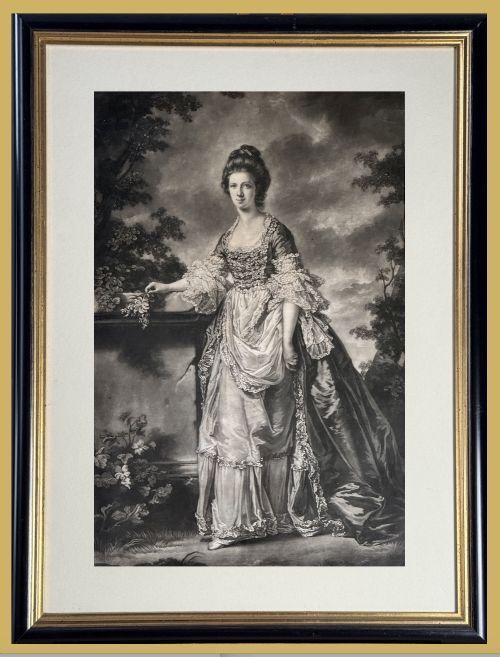
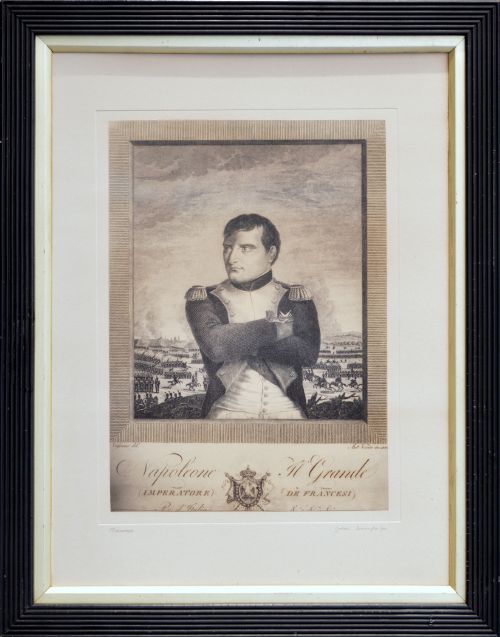
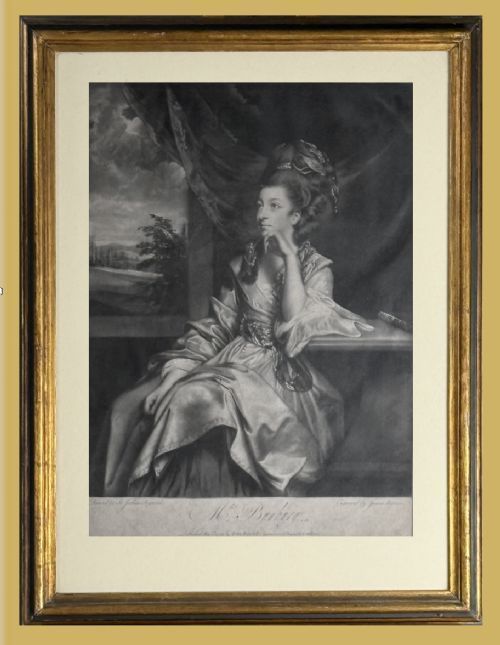
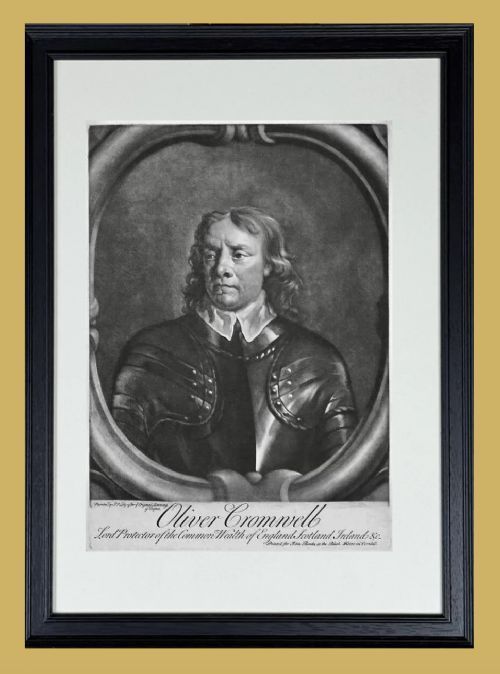
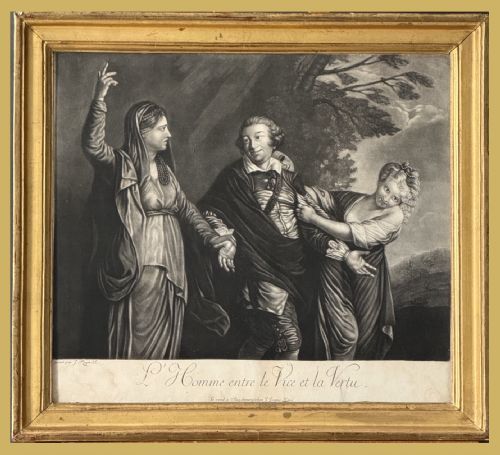
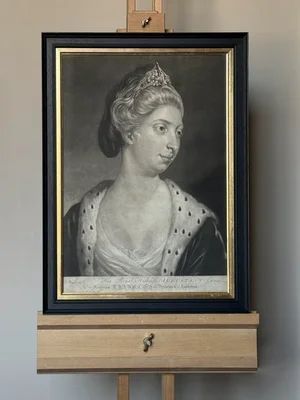
An antique engraved portrait depicts notable figures, aristocrats and historical personalities from the seventeenth century onwards. These framed prints and wall art pieces record the faces of British and European society through traditional printmaking methods. Most examples met on this page belong to the eighteenth century, reflecting Georgian patronage and portraiture.
The selection encompasses mezzotints, stipple engravings, etchings and drypoints housed within period frames of wood and gilt. Subjects range from royals and military commanders to artists and nobility, often translated from oil paintings by celebrated painters. Buyers encounter works published by prominent eighteenth-century printmakers alongside later twentieth-century etchings.
How They Were Made
Makers produced these works using copper plates prepared with specialised tools such as rockers, burins and etching needles. Ink was applied to the worked metal surface and transferred under pressure onto paper, creating rich tonal gradations in mezzotints or delicate dotted forms in stipple engravings. Certain prints received additional detail or were issued on alternative supports like silk.
Framing utilised timber mouldings, often enhanced with gold leaf, giltwood or simple gilt finishes to protect and display the paper artwork. These materials reflect period framing conventions, combining glass, wood and paper to preserve the delicate inked impressions over centuries.
Antique Engraved Portrait Retail Price Guide 2026
Typical asking prices for engraved portrait among the pieces listed under this phrase on Sellingantiques today, from the lower quarter to the upper quarter. They describe what is for sale here now, not the wider market.
Materials recorded across the inventory include paper, glass, wood, ink, gold leaf, giltwood and gilt.
What Varies in Quality
The impression quality depends on the condition of the metal plate during printing, where early pulls yield deep, velvety blacks and crisp lines while worn plates produce faded details. The nuance of the ink application and the preservation of the paper support dictate the visual impact of the portrait.
The survival of original period frames in wood and gilt adds considerable integrity to the piece. Matching an eighteenth-century print with its contemporary housing demonstrates proper historical pairing.
John Simon·Edward Fisher·John Boydell·James Watson·Francesco Bartolozzi·John Smith·Valentine Green·James McArdell·John Faber Jr·Herbert Dicksee
The Antique Engraved Portrait Glossary
- Mezzotint
- A printmaking process where the copper plate is roughened uniformly to produce rich dark tones and subtle graduations of light. This technique became the dominant method for reproducing oil portraits in Georgian Britain.
- Stipple engraving
- A method of creating images on metal plates using dots of varying sizes and densities rather than continuous lines. It produced soft, painterly flesh tones popular in late eighteenth-century portraiture.
- Drypoint
- A printmaking technique where an artist scratches directly into a metal plate with a sharp needle, raising a delicate ridge of metal called burr. This burr holds extra ink to create velvety, rich lines unique to the process.
- Giltwood
- Timber carved and coated with a thin layer of gold leaf or metallic powder. It provides decorative framing for many eighteenth-century and nineteenth-century works.
Antique Engraved Portrait: Frequently Asked Questions
What is a mezzotint portrait?
A mezzotint portrait is a print created by roughening a copper plate to hold ink, producing deep shadows and smooth tonal transitions. This method allowed printmakers to accurately translate painted oils into monochrome works.
Printers smoothed specific areas of the plate to create highlights, giving the printed image a rich, painterly depth that defined eighteenth-century print culture.
How should I hang antique portrait prints?
These works require placement away from direct sunlight to prevent the ink and paper from fading over time. Maintaining stable indoor humidity protects both the paper support and the wooden frame.
Use professional framing techniques with acid-free materials behind glass to ensure the print remains preserved against environmental damage.
Who printed these historical portraits?
Specialised printmakers engraved the copper plates, frequently working after prominent painters such as Sir Joshua Reynolds or Sir Peter Lely. Publishers distributed these likenesses to collectors and admirers across Britain and Europe.
Many sheets credit both the original painter and the printmaker in the lower margin alongside the publication date.
Are these portraits original period pieces?
The listings comprise original printings from the seventeenth, eighteenth, nineteenth and twentieth centuries rather than modern reproductions. Each period utilised specific paper stocks, printing techniques and plate wear consistent with its era of production.
Original frames often accompany the artworks, bearing the marks of age and traditional construction methods.