

Antique Engraved Container
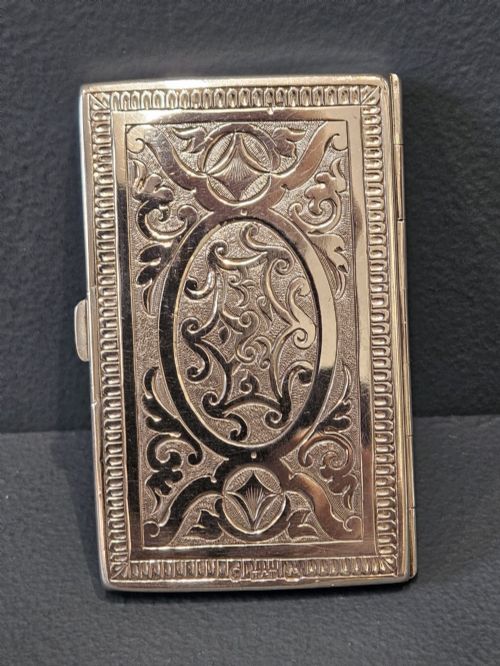
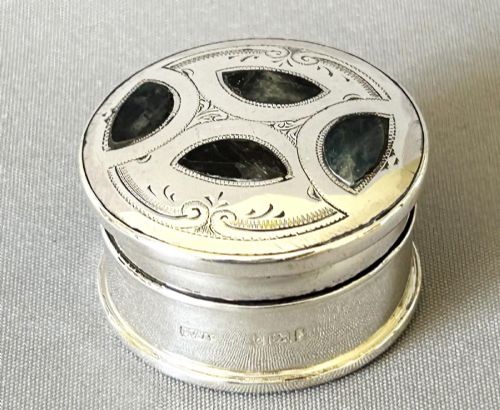
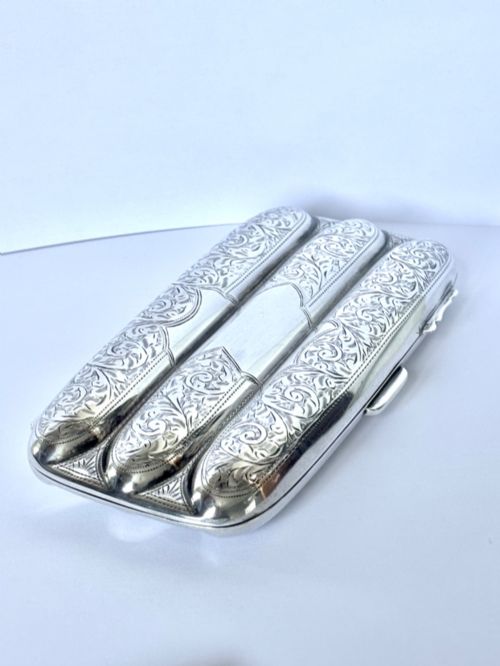
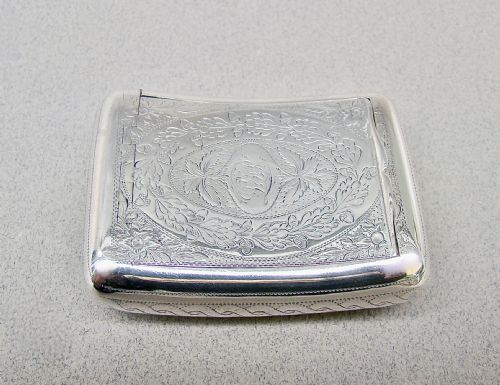
These antique engraved container examples range from Georgian snuff boxes to Victorian trinket chests, offering tactile history that fits neatly in the palm of your hand.
Antique Engraved Container
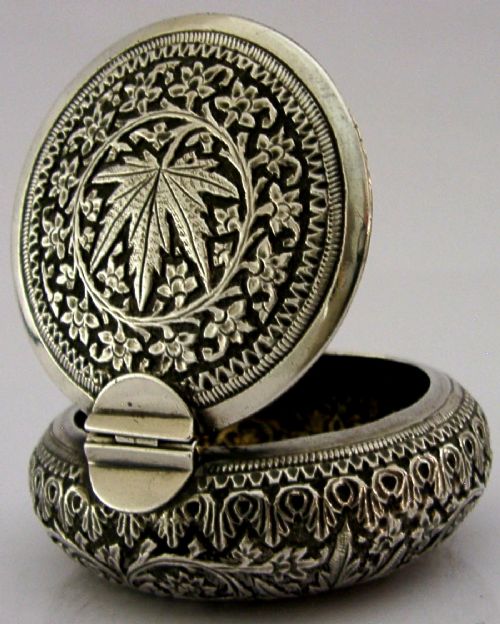
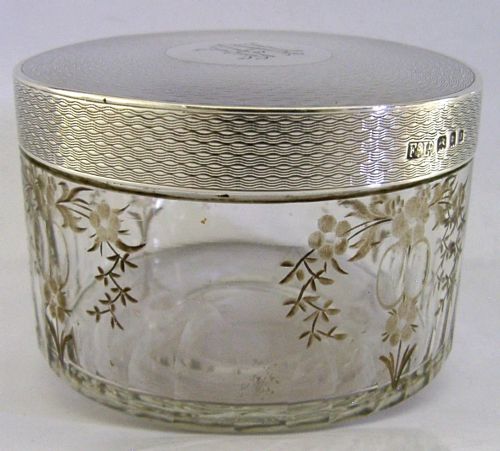
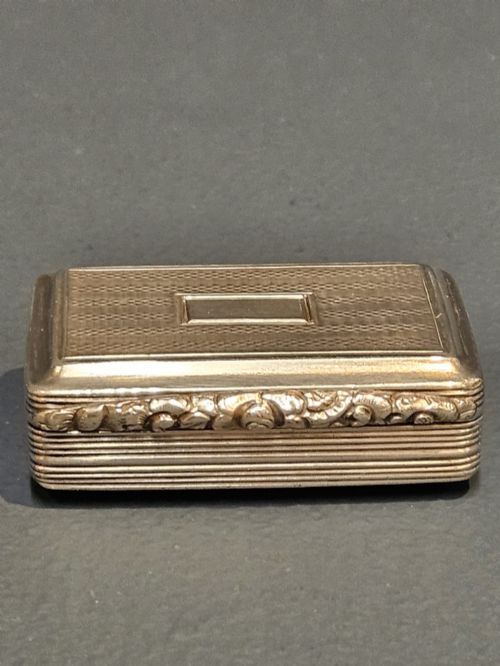
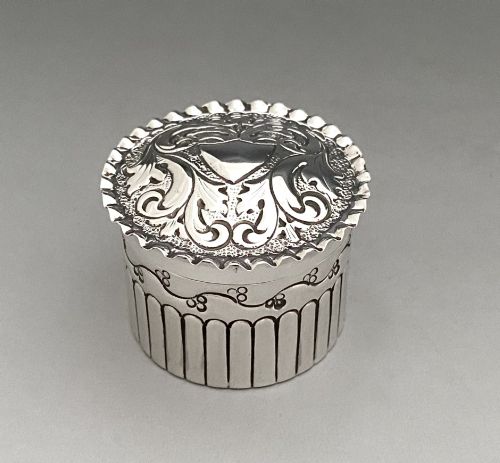
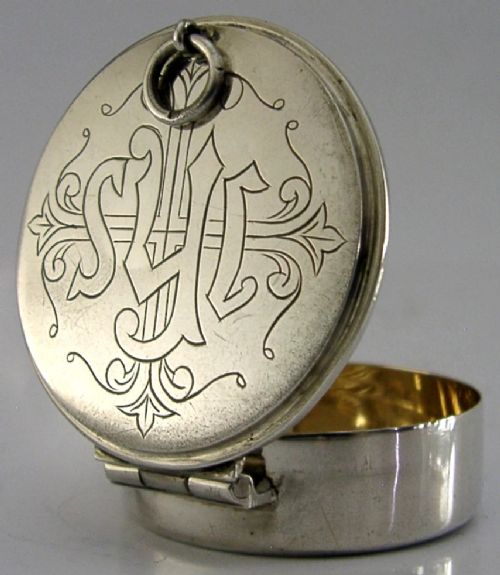
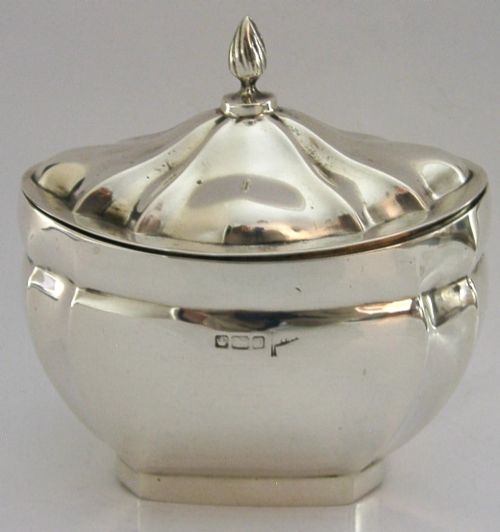
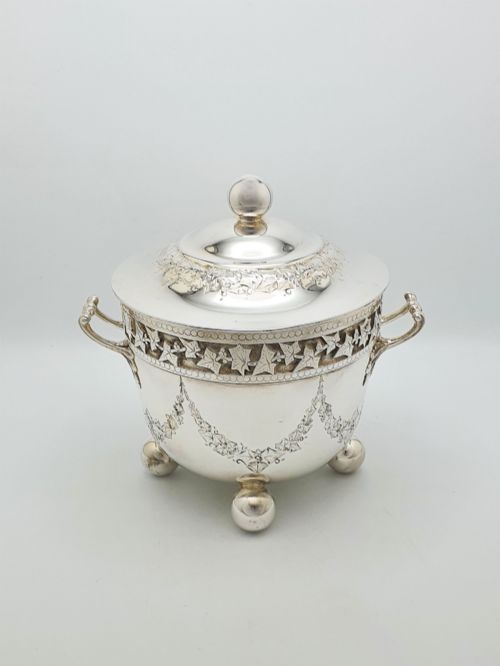
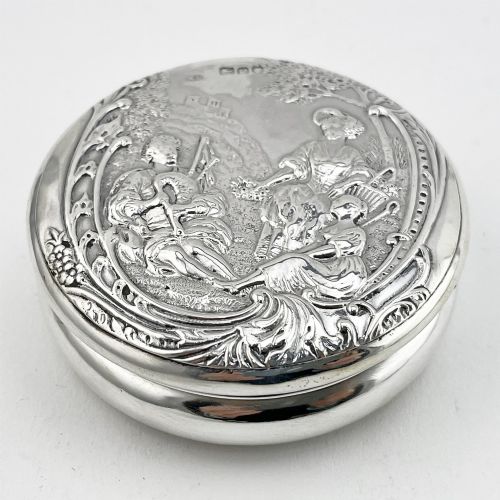
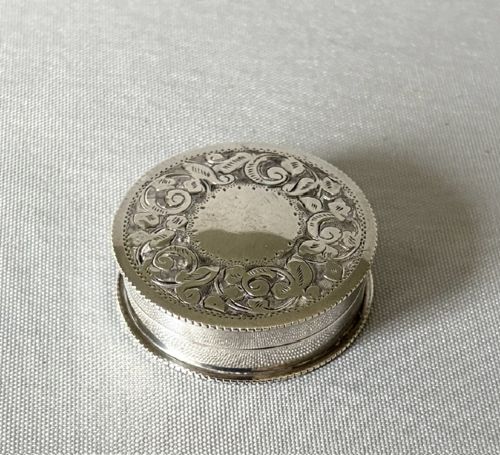
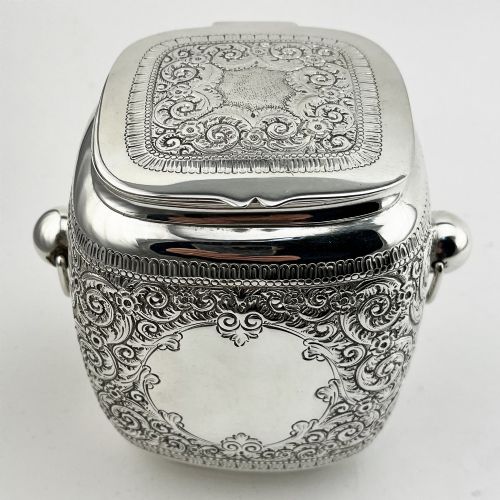
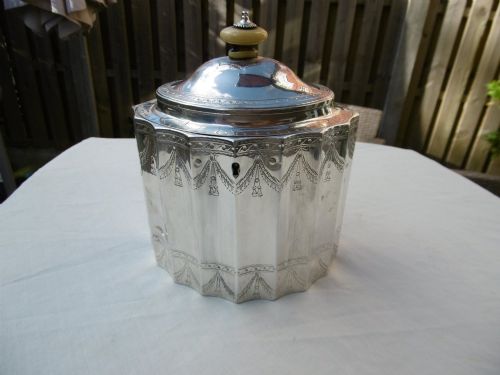
When you search for an antique engraved container, you enter a diverse field of small domestic vessels designed to hold tobacco, tea, spices, or personal items. The pieces on this page span several centuries, moving from Georgian pocket-sized nutmeg graters and snuff boxes to larger Victorian biscuit barrels and Edwardian trinket boxes.
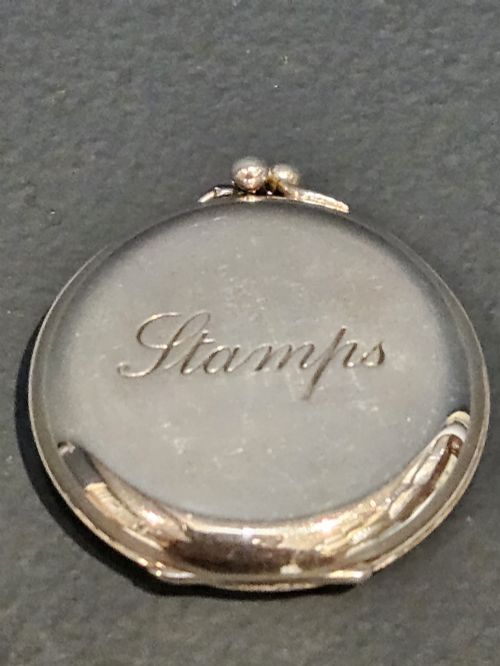
The most common forms you will meet are small metal boxes intended for snuff or sovereigns, alongside larger silver caddies and glass-lined trinket receptacles. Makers utilised brass, sterling silver, silver plate, horn, and cut glass to construct these utilitarian yet decorative items.
Origins stretch across British assay offices in Birmingham, Chester, London, and Edinburgh, alongside specific regional styles such as Anglo-Indian brasswork and eighteenth-century folk art. Each object fulfilled a precise daily purpose for its original owner, whether storing dry tea leaves or carrying personal correspondence wax.
How they were made
Silversmiths and metalworkers shaped sterling silver, silver gilt, brass, and silver plate through techniques involving hammering, casting, piercing, and turning. Many surfaces display hand-engraved scrollwork, floral motifs, or inscribed names using sharp graver tools that cut directly into the metal.
Glass components, seen in biscuit barrels and trinket boxes, were hand-blown and cut to fit snugly inside silver mounts or frames. Organic materials like horn and leather required specialised carving and stitching to form rigid containers capable of protecting snuff or tobacco.
Antique Engraved Container Retail Price Guide 2026
Typical asking prices for engraved container among the pieces listed under this phrase on Sellingantiques today, from the lower quarter to the upper quarter. They describe what is for sale here now, not the wider market.
What varies in quality
Quality rests heavily on the weight of the metal and the crispness of the hand-engraving. Heavier gauge silver provides a substantial feel in the hand and resists dents, whereas thinner plates bend easily under daily use.
The precision of the maker's hand marks the upper tier of pieces. Deeply cut, intricate foliate engraving executed by named workshops or skilled artisans displays far greater artistic merit than shallow, machine-assisted stamping found on later or lesser items.
Joseph Gloster Ltd·EV Pledge And Son·FA Barrett·Martin Hall And Co·Robert Hennell·Zimmermann·Nathan And Hayes·Mappin And Webb·Paul Storr·Robert Thornton·John Bettridge·Elkington And Co·Henry Charles Freeman
The Antique Engraved Container Glossary
- Assay mark
- An official stamp struck onto precious metals indicating the purity standard and the testing office. These marks help verify the exact year and city of manufacture.
- Vinaigrette
- A small ornamental box featuring an internal pierced grille, designed to hold a sponge soaked in aromatic vinegar. Victorians carried these to mask unpleasant odours in public spaces.
- Pyx
- A small circular container traditionally used to carry the Eucharistic host. In secular terms, it refers to small, pocket-sized lidded boxes intended for precious items.
- Sovereign case
- A compact pocket container engineered with spring-loaded holders for gold sovereign and half-sovereign coins. Edwardian examples often feature intricate exterior engraving.
- Silver gilt
- Sterling silver that has been coated with a thin layer of gold through an electrochemical or fire-gilding process. This technique gives the interior of boxes a rich golden warm tone.
Antique Engraved Container: Frequently Asked Questions
What were snuff boxes used for?
Georgian and Victorian gentlemen and ladies used snuff boxes to store powdered tobacco. Users pinched small amounts into the nose for a stimulant effect during social gatherings.
These pocket vessels required tight-fitting lids to keep the tobacco dry and retain aromatic additives.
How do I read silver hallmarks?
British hallmarks typically consist of a maker's mark, a standard mark indicating purity, an assay office symbol, and a date letter. Comparing these stamps against reference tables reveals the exact year of production.
Faded marks require gentle handling with a magnifying glass to decipher correctly without damaging the surrounding engraved metal.
Can I use an antique tea caddy for tea?
Yes, provided the interior is clean and free from old residues. Many sterling silver and brass caddies retain tight lids that seal out light and air effectively.
Ensure any vintage glass or wood lining remains stable before introducing loose leaf tea to avoid contamination.