



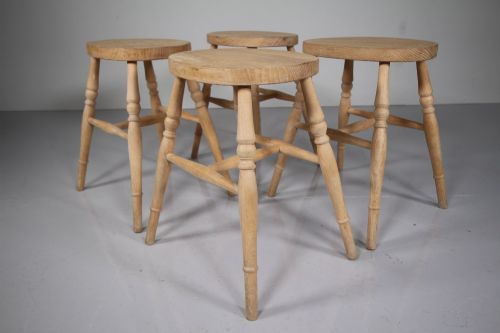
Antique English Wooden Seat
An antique English wooden seat brings the honest grain of elm, oak and ash straight into a modern room.
Antique English Wooden Seat
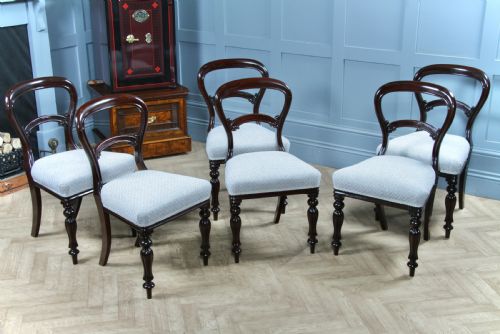
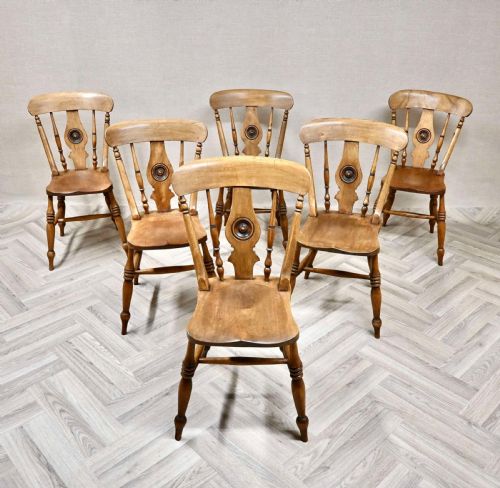
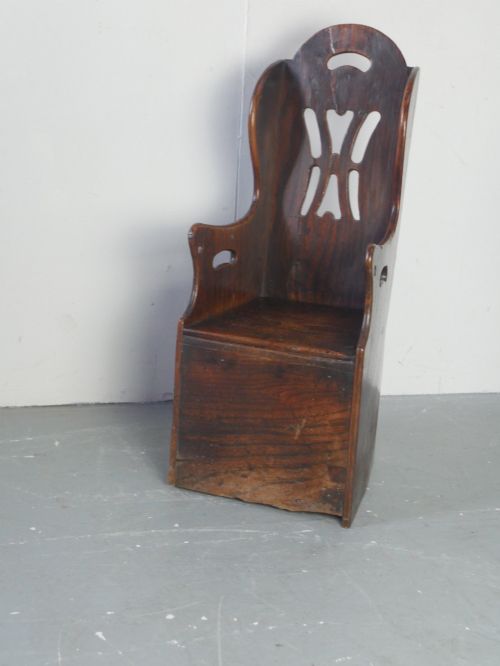
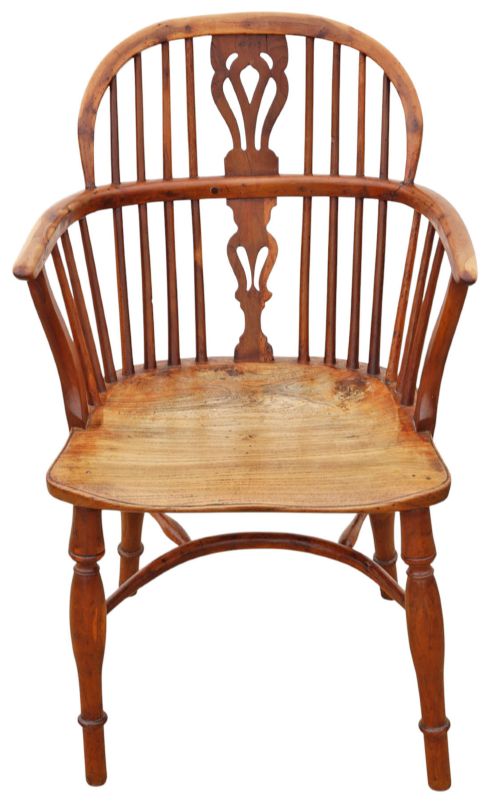
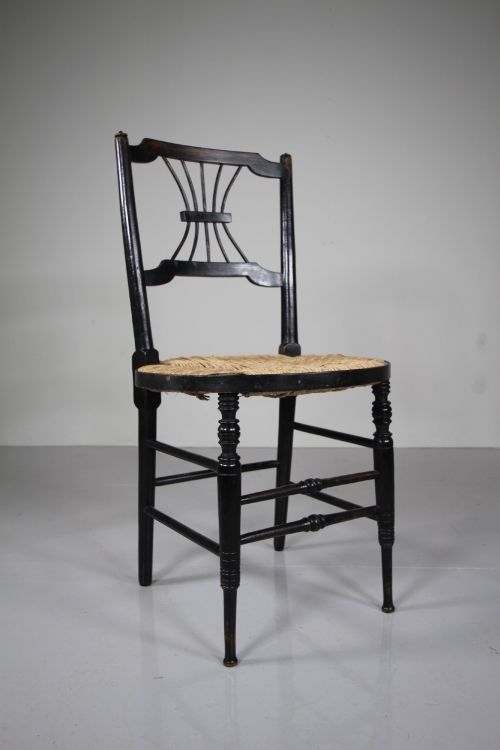
Every antique English wooden seat on this page serves a domestic or garden function shaped by centuries of regional design. Buyers encounter sturdy country Windsor armchairs alongside formal Georgian mahogany hall chairs and rustic joint stools.
The material vocabulary ranges from humble pine and fruitwood to richly figured yew and oak. Domestic seating spans kitchen benches, children's chairs, box settles and high-backed dining chairs originating from the seventeenth century through to the Edwardian era.
Measures of quality
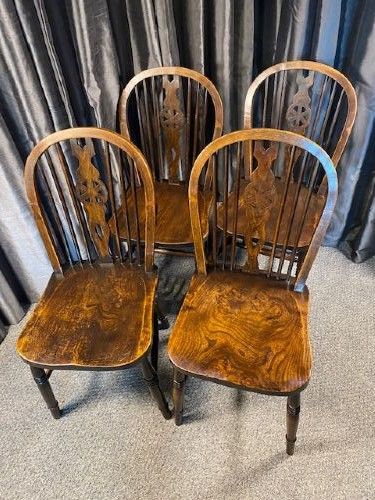
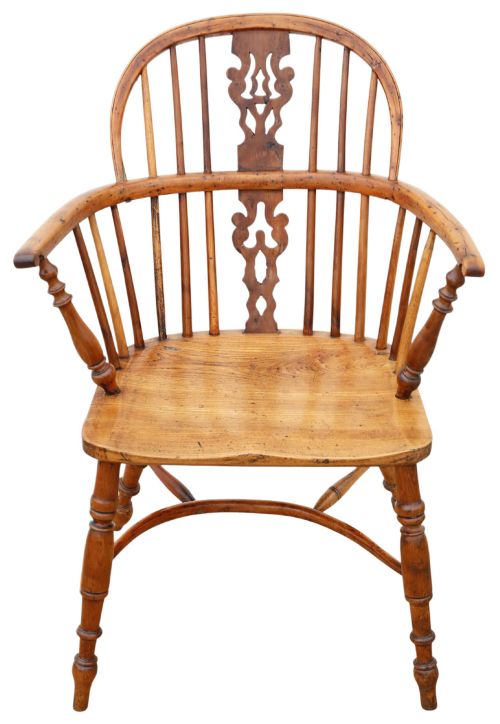
The distinction between ordinary and superior pieces lies in the harmony of timber selection and the integrity of the original construction. Windsor chairs show greater refinement when the yew and elm grain is deeply figured and the saddle seat retains its sculpted contours.
Surface patination reveals how a wooden seat has aged through centuries of handling and polishing. Original joined frames with minimal replacement timbers command more interest than heavily restored examples.
Listings feature solid elm, oak, ash, beech, yew, sycamore and teak timbers shaped into seating across multiple centuries.
William Morris·Philip Clissett·Maple and Co·Gillows
The Antique English Wooden Seat Glossary
- Windsor
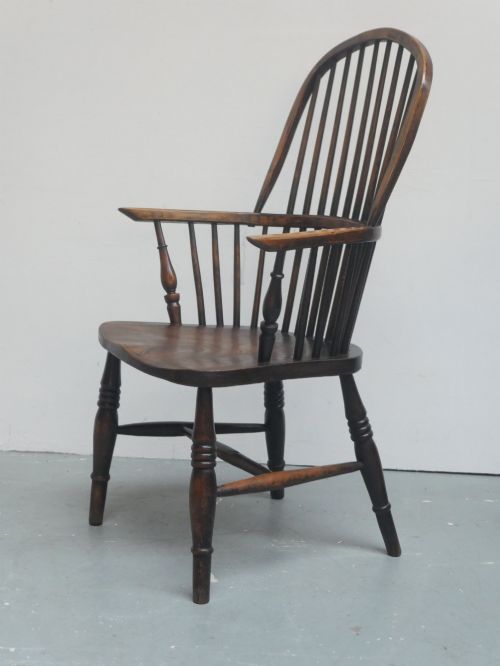
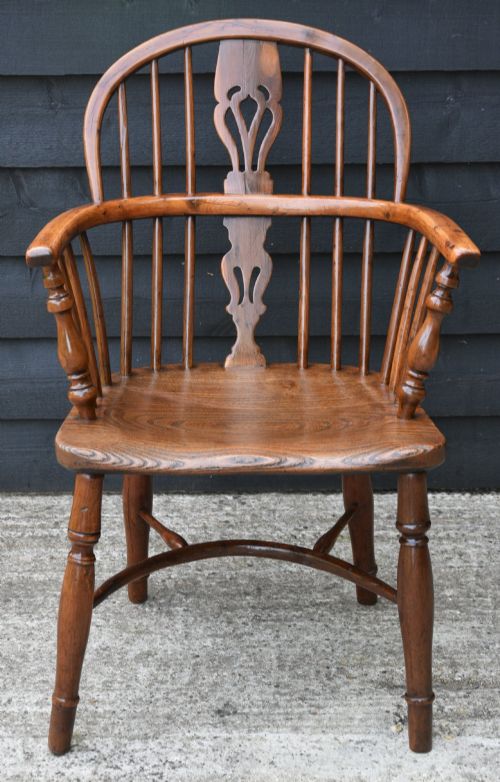
- A traditional wooden chair built with a solid saddle-shaped seat into which the legs and back spindles are directly fitted. These chairs often combine elm seats with ash or yew superstructures.
- Joint stool
- A low wooden stool constructed with mortise and tenon joints rather than turned legs driven into a solid block. Carpenters built these sturdy pieces in oak during the seventeenth and eighteenth centuries.
- Box settle
- A high-backed wooden bench featuring a storage compartment concealed beneath the seat. The solid back protected sitters from draughts in early English interiors.
- Elm
- A tough, interlocking timber frequently chosen for chair seats because it resists splitting under pressure. Makers paired this durable wood with contrasting timbers for spindles and arms.
- Hall chair
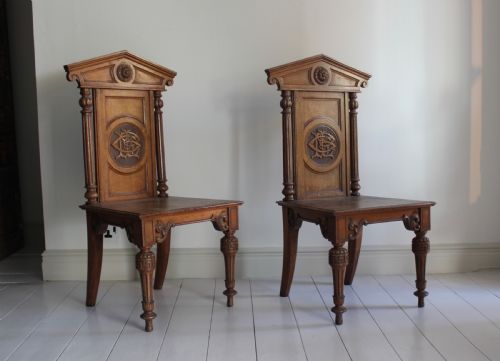
- A rigid wooden seat placed in an entrance hallway, usually constructed without upholstery and displaying carved family crests or shield backs. These pieces date prominently through the Georgian and Victorian periods.
Antique English Wooden Seat: Frequently Asked Questions
What is an antique English wooden seat?
These pieces comprise chairs, benches, settles and stools made from domestic timbers in England across several centuries. They range from rustic country Windsor seating to formal dining chairs and hall furniture.
Craftsmen utilised native woods like oak, elm, ash and yew, creating functional forms that evolved from heavy seventeenth-century jointed frames to lighter Victorian and Edwardian shapes.
How were Windsor chairs constructed?
A Windsor chair is built around a thick wooden seat, usually carved from a single piece of elm. The legs and back spindles are tenoned directly into bored holes in this central plank.
Makers used steam-bent ash for the bow backs and arms, combining resilient woods to create a strong, unified seating structure without relying on heavy upholstered frames.
Where should I place a wooden bench?
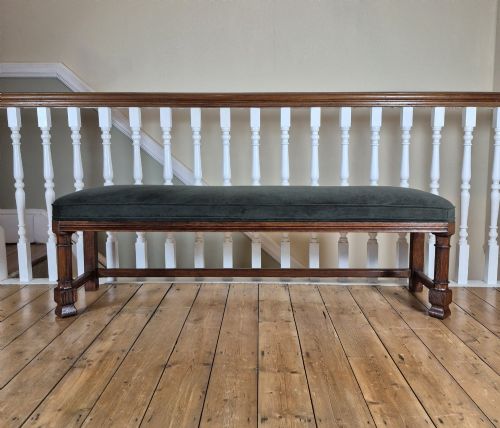
Solid wooden benches and settles suit hallways, kitchens and boot rooms where durable surfaces withstand regular daily use. Their storage compartments and high backs also provide practical solutions for smaller living spaces.
Teak and weathered garden benches function well outdoors, while indoor pine pews and oak settles add architectural character to dining areas.
How do I care for antique wood?
Maintain antique wooden furniture by applying traditional beeswax periodically to nourish the dry grain and preserve the surface patination. Avoid placing pieces near direct heat sources or in strong sunlight.
Gentle dusting with a soft cloth keeps the finish intact without stripping away the historical layers built up over centuries of handling.