

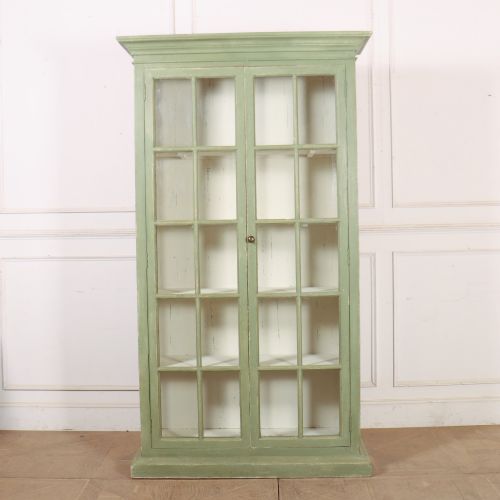


Antique English Vitrine
An antique English vitrine holds precious objects behind glass, bringing architectural elegance and refined display into a room.
Antique English Vitrine
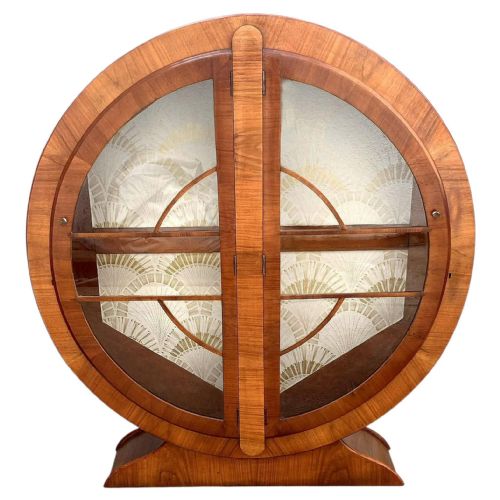
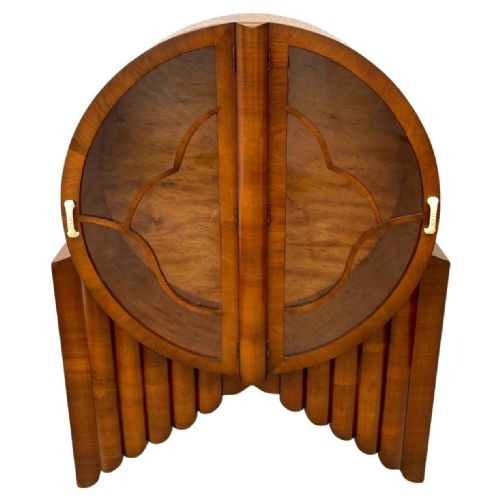
When searching for an antique English vitrine, a buyer looks at glazed display cabinets, bookcases, and pier cabinets designed to showcase valued possessions. These pieces appear across various periods from the Regency era through Victorian times, Edwardian years, and into 1930s Art Deco forms.
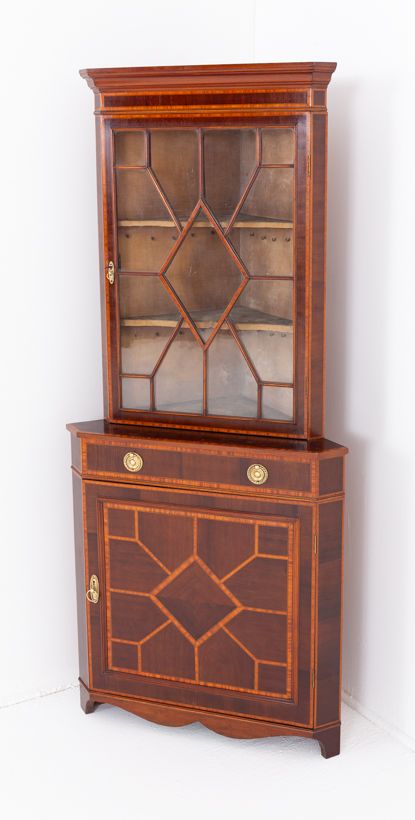
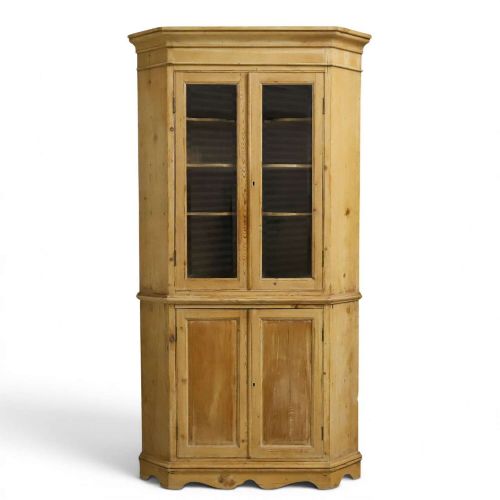
The versions met most frequently on this page include walnut and mahogany display cabinets, corner cabinets, and bijouterie tables. Workshops utilised rich timbers and glass to create functional furniture that protected delicate items from dust while keeping them visible.
Forms range from tall standing bookcases on stands to small wall cabinets and circular display pieces. Each style reflects the aesthetic priorities of its period, from Georgian proportion to decorative Edwardian framing and curved Art Deco lines.
Materials and construction
Cabinet makers built these pieces using solid and veneered timbers such as mahogany, walnut, oak, satinwood, and sycamore. Frames often incorporate brass hardware, ormolu mounts, and leaded glass to structure the viewing areas.
Surfaces frequently feature marquetry inlay, painted finishes, or bleached walnut treatments. Interiors commonly line with velvet to cushion displayed items and enhance the visual depth behind the glass doors.
Listings feature cabinets spanning from the Georgian period and Regency era through Victorian, Edwardian, and Art Deco 1930s styles.
Distinctions in quality
Quality rests on the selection of timber veneers and the precision of the joinery in the door frames and glazing bars. Finer examples display carefully matched grain patterns and crisp inlay work rather than plain surfaces.
The sophistication of decorative mounts, such as cast ormolu or detailed brass work, separates standard utility cabinets from high-end drawing-room pieces. Well-executed proportions and original glass panes elevate a cabinet within its period.
Edwards & Roberts
The Antique English Vitrine Glossary
- Vitrine
- A glass-fronted cabinet designed specifically for the display of curiosities, porcelain, and fine objects. The form prioritises visibility through large glazed panels.
- Bijouterie table
- A low display table with a glass top and glazed sides, intended for small jewellery and trinkets. These pieces often stand on slender legs in Edwardian or Victorian rooms.
- Pier cabinet
- A narrow cabinet designed to fit the wall space between windows, typically featuring a glazed door and timber shelves. Victorian examples frequently utilise walnut or ebonised wood.
- Marquetry
- The art of applying pieces of veneer to a structure to form decorative patterns and pictures. Makers utilised contrasting woods to create elaborate floral or geometric designs.
- Ormolu
- Gilded bronze mounts applied to furniture for decorative accent. These metal details appear on finer Victorian and Regency pieces.
Antique English Vitrine: Frequently Asked Questions
What is an antique English vitrine used for?
These cabinets were historically placed in drawing rooms and parlours to display fine porcelain, silver, and collected curiosities. The glass doors kept dust away while allowing guests to admire the owner's collection.
Today, they serve the same purpose in modern homes, functioning as focal points for curated displays of books, ceramics, and personal treasures.
How do I tell an Edwardian vitrine from a Victorian one?
Victorian cabinets often feature darker timbers like walnut and mahogany, sometimes with heavy ebonisation, gilt highlights, or classical revival motifs. They tend to have a solid, formal presence.
Edwardian pieces generally present a lighter aesthetic, incorporating satinwood, marquetry inlay, and slender proportions that reflect Sheraton Revival influences.
What rooms suit a corner display cabinet?
Corner cabinets make efficient use of unused wall junctions in dining rooms, studies, or drawing rooms. Their angled footprint allows them to display objects without dominating the floor space of a smaller room.
They pair well with traditional seating arrangements and help balance the geometry of a room by softening hard ninety-degree corners.
How should I care for timber and glass cabinets?
Keep wooden cabinets away from direct sunlight and radiators to prevent the timber veneers from drying out and splitting. Dust the glass regularly with a soft cloth and clean with a gentle, non-ammonia glass cleaner.
Check the interior velvet linings periodically and avoid placing excessively heavy items on glass shelves designed for lighter display pieces.