

Antique English Table
An antique english table brings centuries of domestic craftsmanship into a room, spanning rustic oak farmhouse boards and polished mahogany dining suites.
Antique English Table
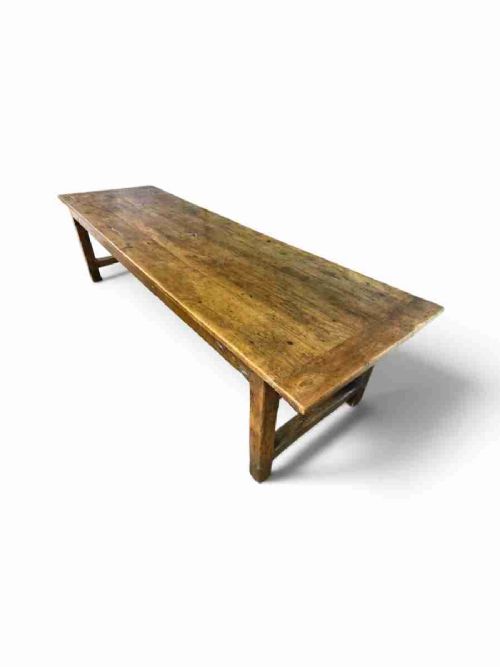
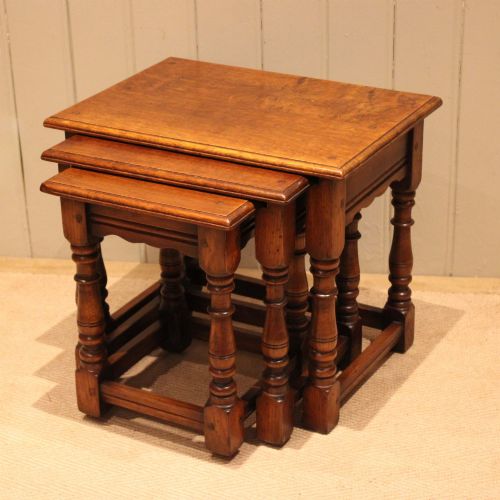
An antique english table encompasses numerous forms found in domestic spaces, ranging from expansive banquet dining tables and refectory boards to smaller occasional tables, wine tables, lamp tables, and pembroke tables. Buyers searching for an antique english table encounter pieces originating from the 18th century, the Georgian period, the Regency era, and the Victorian and Edwardian decades, alongside later 20th-century examples.
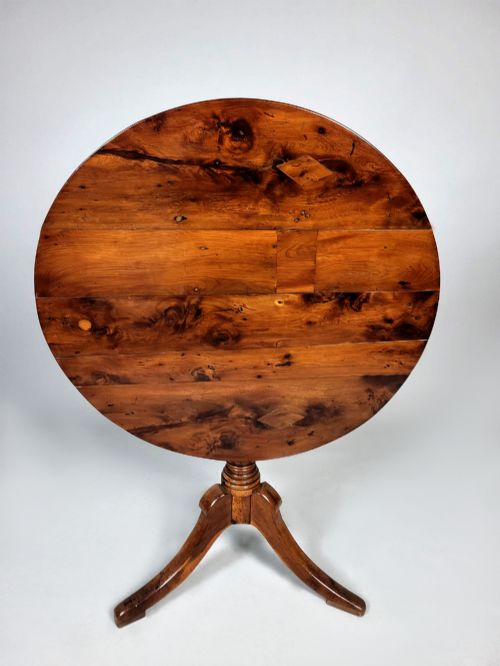
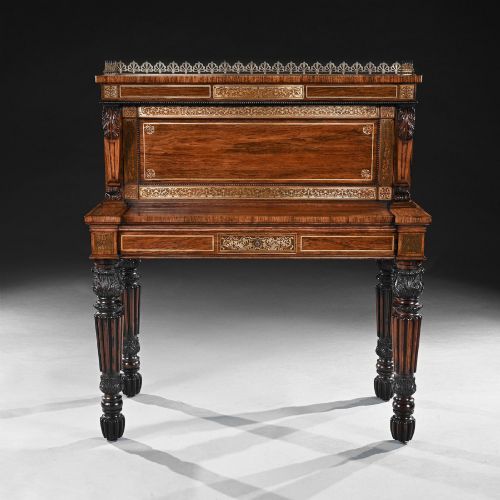
The material selection varies significantly by period and function, uniting domestic timbers such as oak, mahogany, walnut, yew wood, satinwood, and elm. Examples span simple country pieces like cricket tables and tavern tables to highly formal dining furniture with pedestals and brass inlay.
Materials and Technique
Makers utilised solid hardwoods and native timbers, constructing frames with traditional joinery such as mortise and tenon. Oak and elm served predominantly in earlier country furniture, while mahogany, satinwood, and walnut defined later formal pieces.
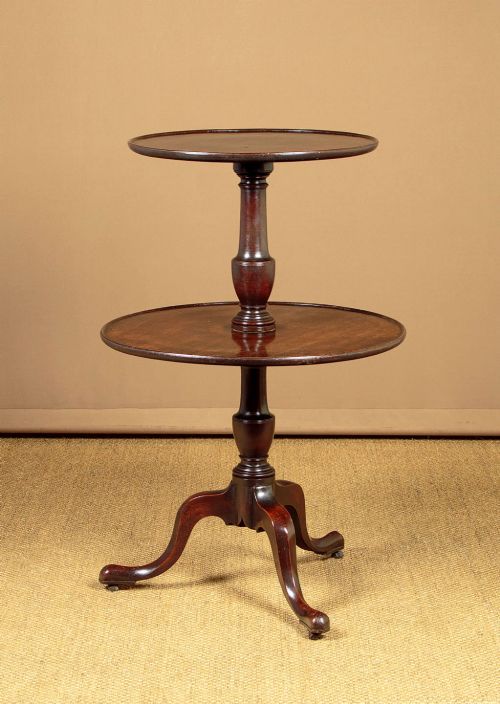
Surface treatments included wax polishing, brass inlay, and leather inserts for writing surfaces. Turning, carving, and tripod bases provided structural support and ornamentation across different stylistic periods.
Certain tavern tables retain historical graffiti carved directly into the wooden top by past patrons.
Gradations of Excellence
The standard of an antique english table depends on the selection of figured timber, the precision of the joinery, and the integrity of the original surface. Pieces retaining their structural stability and authentic finish command greater interest from collectors.
Sophistication of design - such as inlaid brass work, carved tripod bases, or balanced proportions - separates standard utility furniture from high-status examples produced by skilled workshops.
Gillows Oxford Street Workshop
The Antique English Table Glossary
- Cricket table
- A small, three-legged occasional table typically constructed from oak and originating in country settings. Its three-legged design ensured stability on uneven floors.
- Pembroke table
- A small, drop-leaf table with hinged flaps on either side, used primarily as a breakfast table or writing desk. It often incorporates a single drawer.
- Gateleg table
- A table with hinged leaves supported by swing legs that resemble a gate opening. This design allows the surface area to expand or contract.
- Refectory table
- A long, narrow dining table traditionally used in communal dining halls. It is characterised by sturdy wooden legs joined by floor stretchers.
Antique English Table: Frequently Asked Questions
How do I date an old wooden table?
Dating relies on examining the timber species, construction methods, and tool marks visible on the underside and interior components. Earlier periods commonly utilise oak and hand-sawn boards, while later eras introduced machinery and imported timbers like mahogany.
Stylistic cues such as leg turning, edge moulding, and hardware fastening also indicate the manufacturing period.
What is a cricket table used for?
A cricket table served as a versatile piece of small household furniture for holding candles, cups, or sewing items. Its three-legged tripod construction made it exceptionally stable on flagstone or uneven cottage floors.
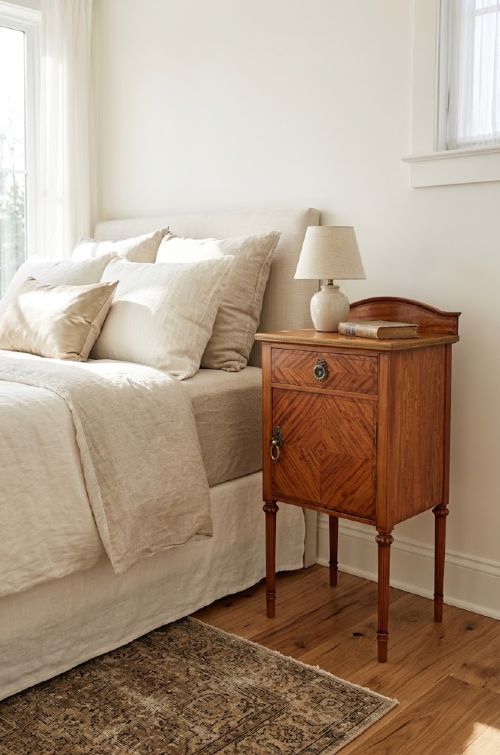
Today, these tables function well as bedside stands or compact coffee tables in smaller living spaces.
Are drop leaf tables sturdy?
Drop leaf tables provide reliable structural support when the hinged flaps are raised and secured by swing legs or brackets. The joints and hinges bear the weight during daily use, making quality joinery essential for long-term stability.
Properly maintained hinges and solid wood framing ensure these tables handle everyday dining or serving tasks securely.
How should I care for a polished wood surface?
Maintaining a polished wooden surface involves regular dusting with a soft, dry cloth and the occasional application of traditional beeswax. Avoid placing wooden furniture in direct sunlight or near heat sources to prevent timber splitting and finish degradation.
Using coasters and placemats protects the antique polish from moisture rings and thermal damage.