

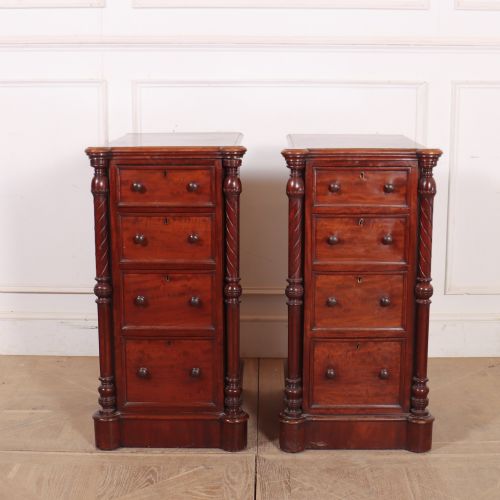
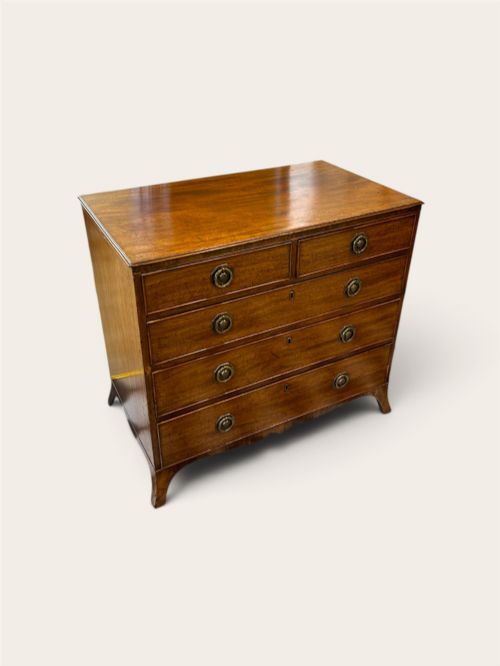
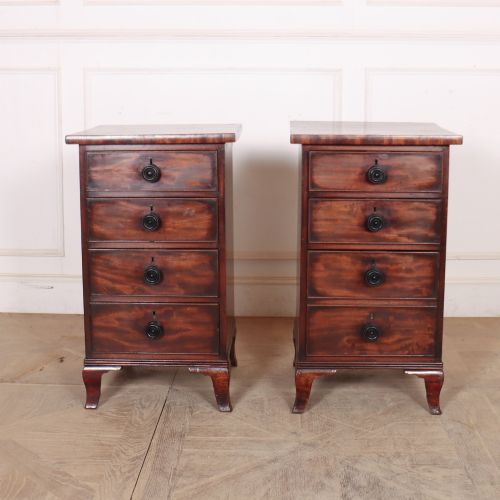
Antique English Mahogany Drawers
When you search for antique english mahogany drawers, you meet generations of cabinet work spanning Georgian grandeur to Victorian utility.
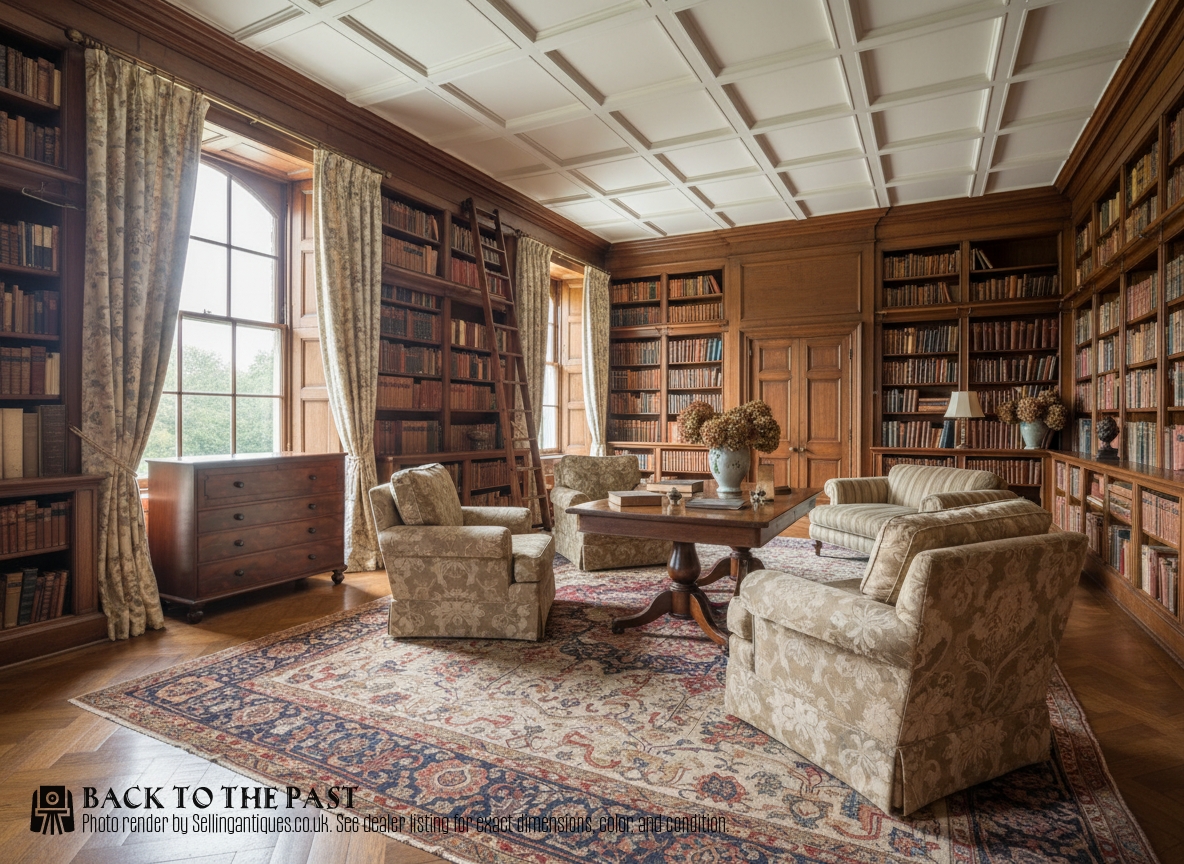
Antique English Mahogany Drawers
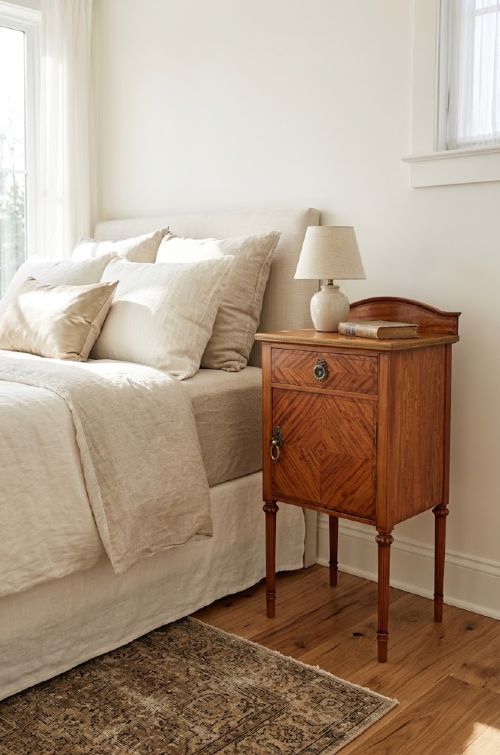
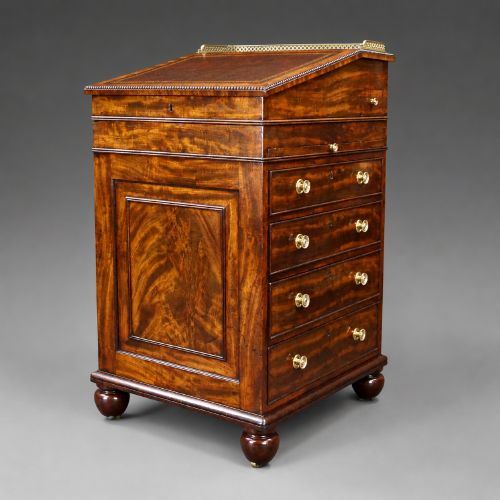
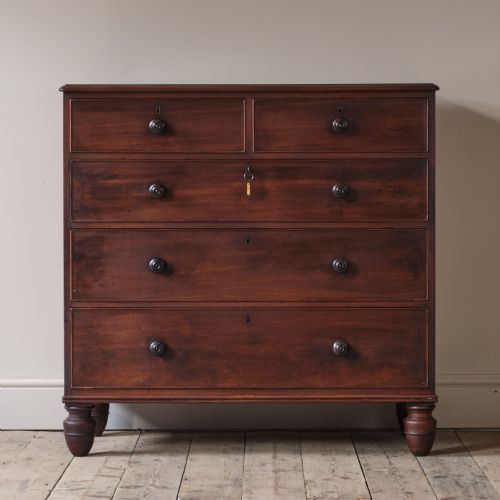
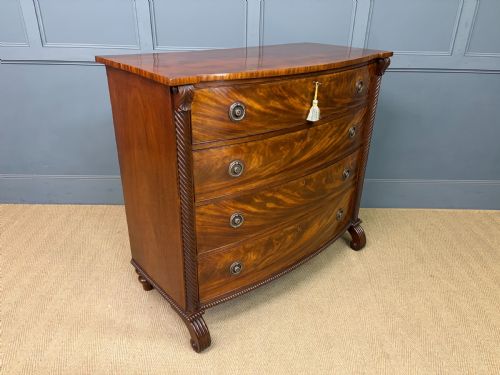
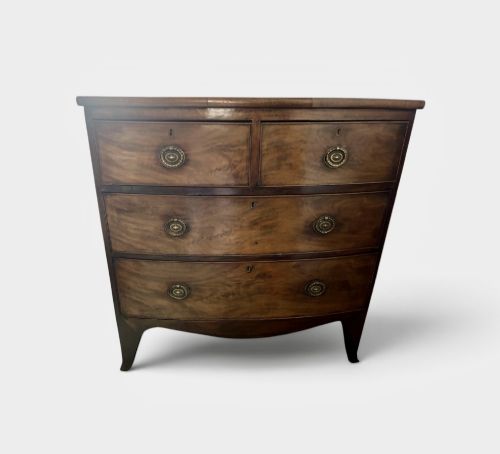
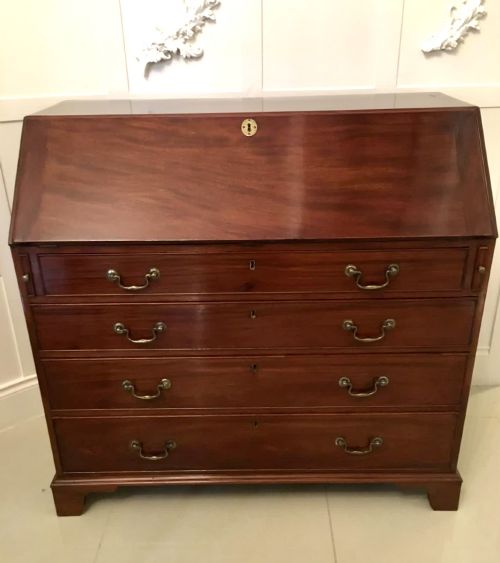
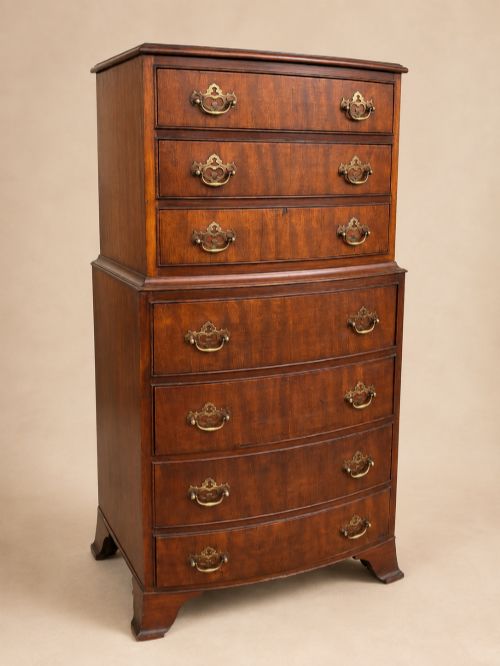
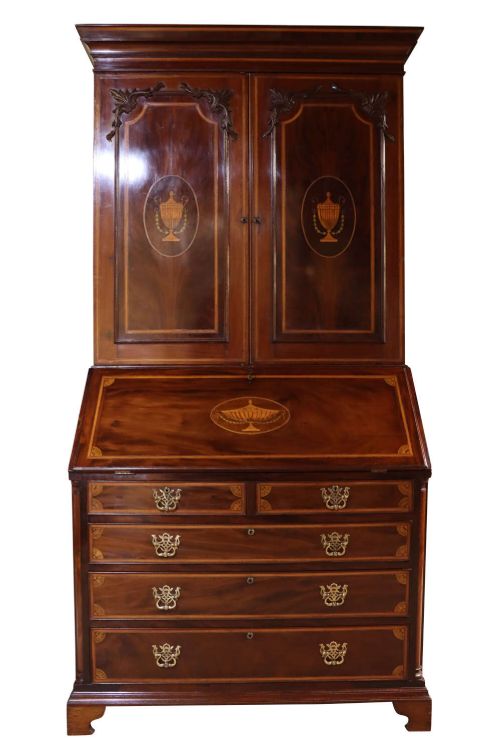
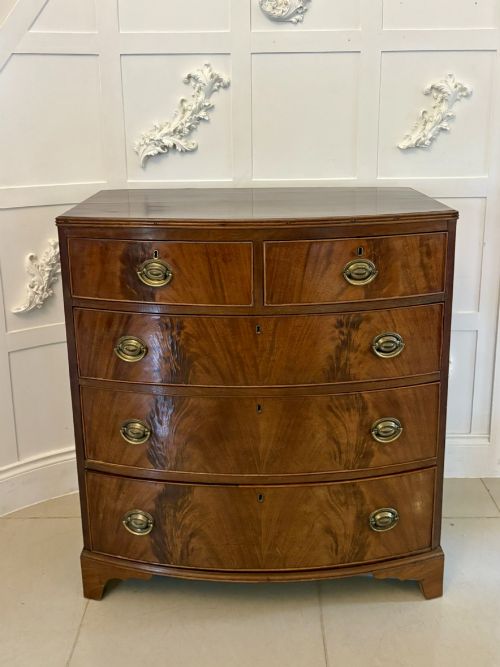
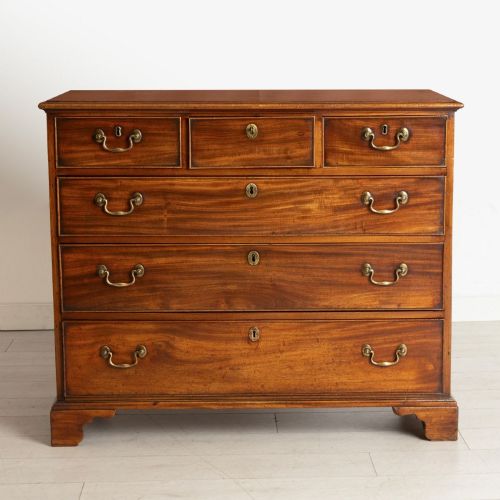
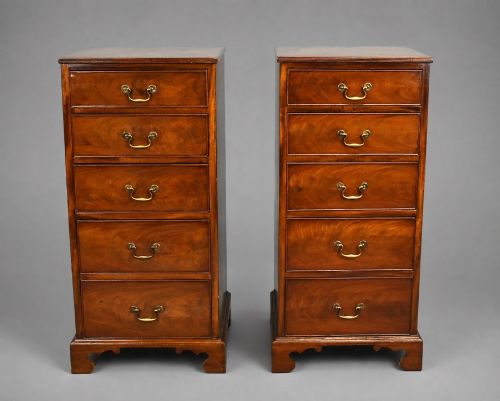
Antique english mahogany drawers encompass a diverse array of case furniture designed for domestic storage and writing, heavily represented by chest of drawers forms from the Georgian and Regency periods. Pieces range from compact bedside chests and bow front variations to tallboys, secretaires, and side tables fitted with functional storage.
The material vocabulary centres on dense tropical timber, often figured with flame grain or enhanced by satinwood inlay and brass mounts, reflecting stylistic shifts across the eighteenth and nineteenth centuries. Buyers frequently encounter standard two-over-three drawer configurations alongside more specialised furniture like apothecary banks, campaign chests, and bureau bookcases.
How They Were Made
Cabinet makers constructed primary carcases using solid mahogany or framed panels with secondary timbers such as oak, applying veneers of figured flame mahogany to expansive drawer fronts and tops. Drawers typically feature hand-cut dovetail joints, smooth internal secondary woods, and side-hung runners designed for durability.
Surface finishes rely on traditional polish built up over decades, while decorative enrichment involves contrasting string inlay, satinwood crossbanding, and cast brass drop handles or campaign mounts.
Form variations include chest of drawers, campaign chests, Canterbury stands, side tables, and bureau bookcases.
What Varies In Quality
Quality rests heavily on the selection of timber figures, where symmetrical flame mahogany veneer and carefully matched grain distinguish superior cabinet work from plain stock. The crispness of hand-cut dovetails, the retention of original brass hardware, and the harmony of proportions further separate workshops of distinction.
Structural integrity, such as smooth drawer movement, uncompromised secondary woods, and minimal timber shrinkage, defines the distinction between pieces that have survived with grace and those heavily restored.
Gillows of Lancaster·T & G Seddon·Graves and Sons of Devonport
The Antique English Mahogany Drawers Glossary
- Bow Front
- A convex curved cabinet front that became popular during the Regency and Georgian periods. This shape softens the profile of large chests and side tables.
- Flame Mahogany
- Timber cut from the fork of the mahogany tree to reveal a dramatic, flickering grain pattern. Cabinet makers reserved this highly decorative veneer for prominent drawer fronts.
- Brushing Slide
- A pull-out shelf integrated above the top drawer of a chest or bachelors piece. It served as a temporary writing surface or clothes-brushing platform.
- Dovetail
- An interlocking joint formed by interlocking wedge-shaped pins and tails. Hand-cut versions secure drawer corners with great tensile strength.
Antique English Mahogany Drawers: Frequently Asked Questions
How do I identify a Georgian chest?
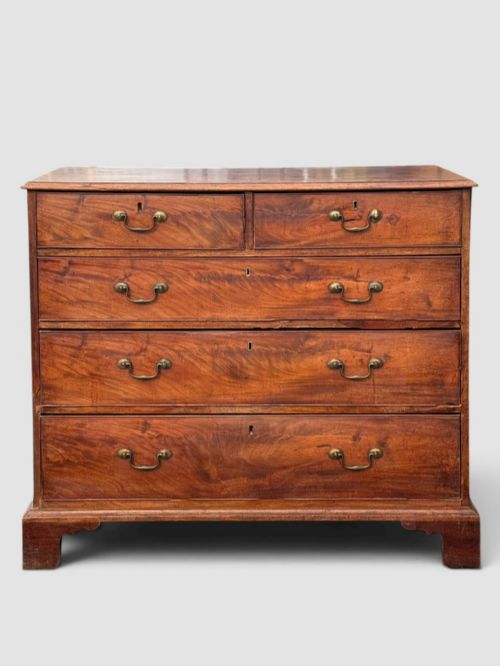
Georgian chests generally display generous proportions, hand-cut dovetails, and understated bracket feet or ogee feet. Timber selection often favours solid mahogany with rich, dark patination.
Drawer configurations frequently follow a two-over-three arrangement, sometimes accompanied by a brushing slide above the primary storage.
What is a military campaign chest?
Campaign chests were built in two or more separable sections for easy transport by British officers on active service. They feature recessed brass carrying handles and protective brass corners.
Drawer interiors often house secretary compartments or small storage wells suited to field use.
Why choose flame mahogany furniture?
Flame mahogany offers exceptional visual movement and warmth derived from specialised veneer cutting. It signals finer cabinet work commissioned for principal rooms rather than utility spaces.
Over centuries, this grain develops a deep, translucent patina that standard timber lacks.
How should I care for antique drawers?
Keep mahogany furniture away from direct heat sources and dramatic humidity fluctuations to prevent veneer lifting and timber splitting. Feed the surface periodically with traditional beeswax to maintain the polish.
Avoid commercial silicon sprays and lift chests entirely rather than dragging them across floors.