




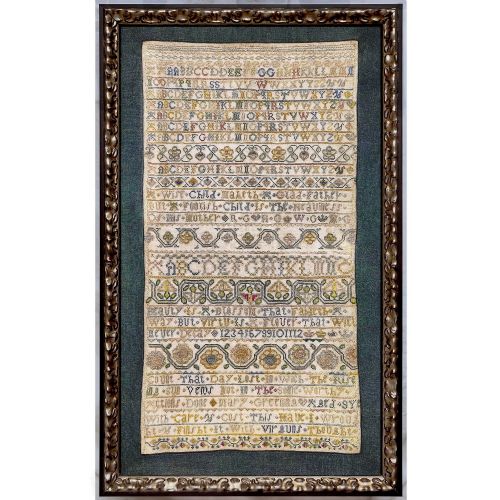
Antique English Embroidery
These antique English embroidery pieces bring historic needlework, sampler panels, and crewelwork directly into your room.
Antique English Embroidery
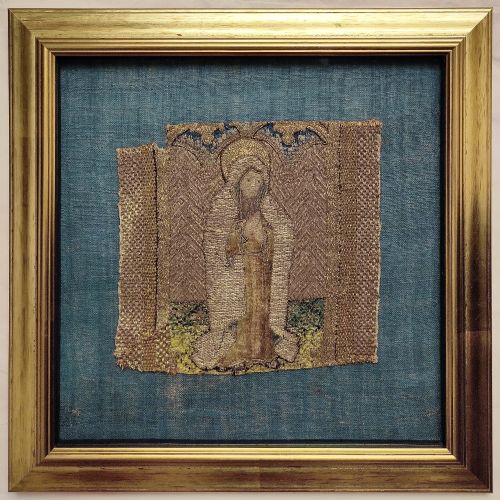
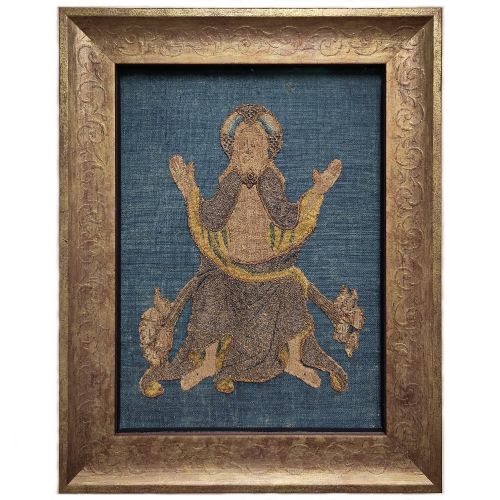
When you search for antique english embroidery, you encounter a range of historic textiles spanning centuries of British needlework tradition. The selection encompasses framed needlework pictures, crewelwork panels, band samplers, and specialised furniture incorporating textile art.
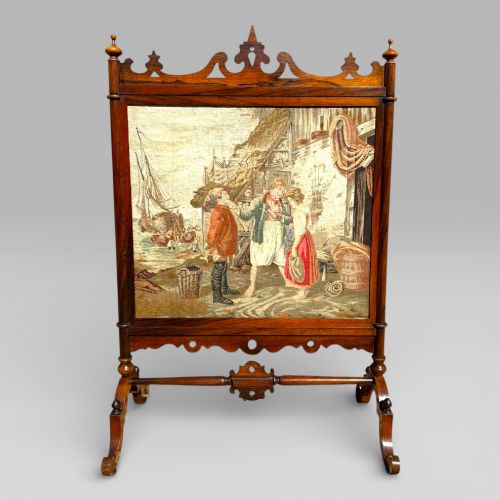
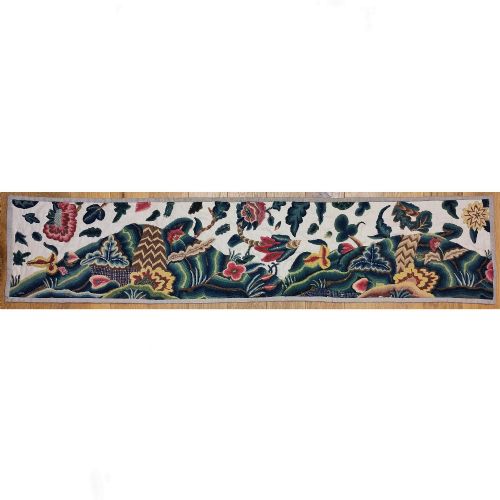
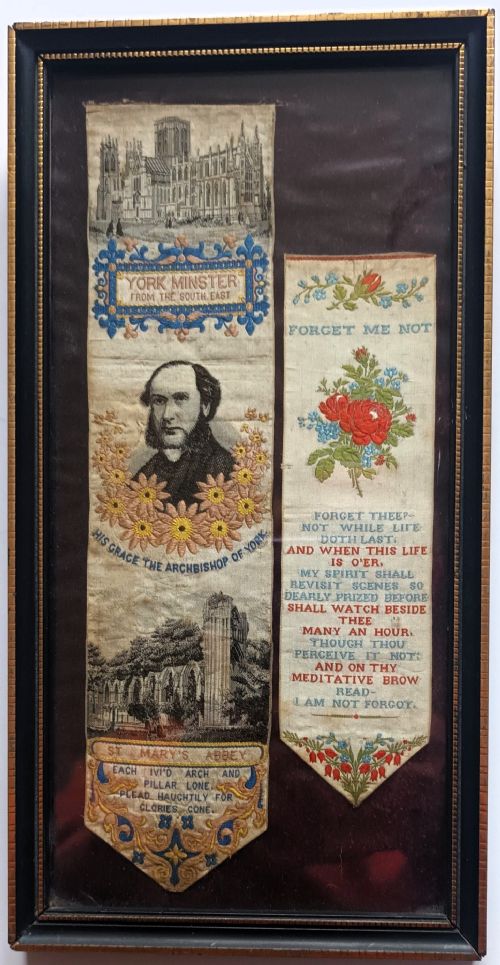
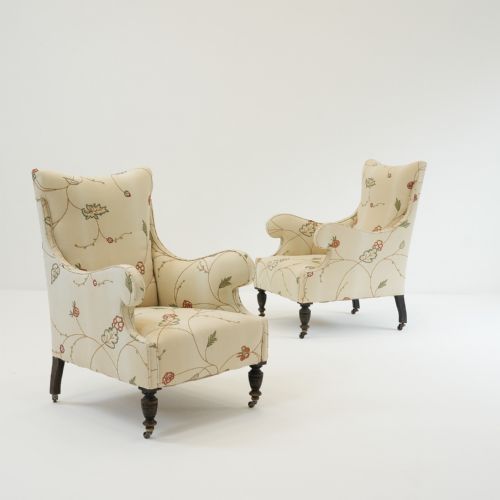
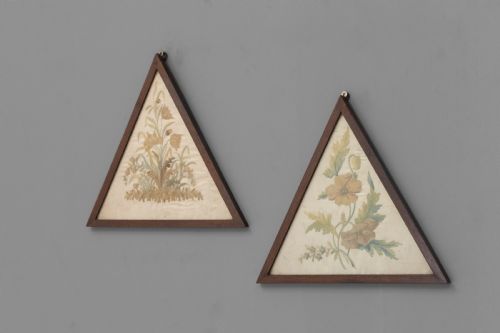
The pieces you meet most frequently on this page date from the seventeenth century through to the Victorian era. They appear as wall art, wall hangings, and functional sewing stands or tables fitted with needlepoint panels.
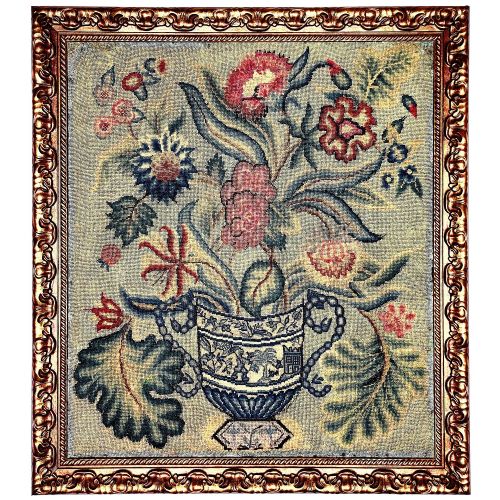
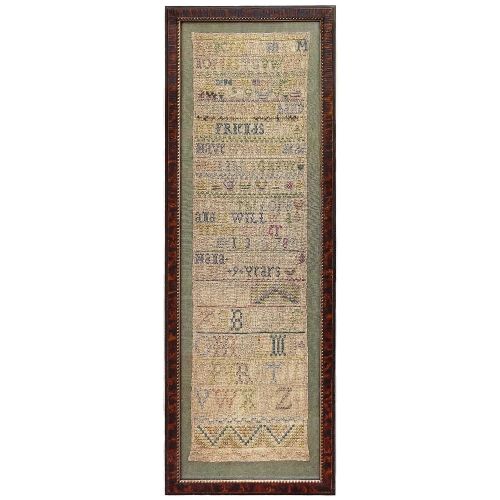
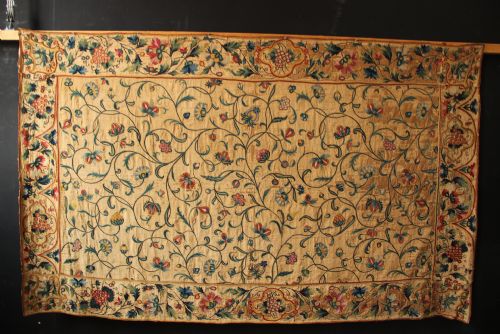
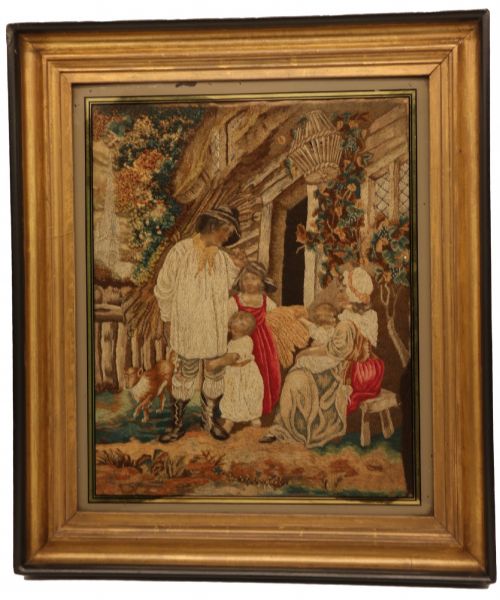
Examples include early crewelwork, hand-painted silk pictures, and detailed band samplers worked by named makers such as Mary Greening. These textiles reflect the domestic skill and decorative taste of their respective periods, from Jacobean and Stuart designs to Victorian revivals.
What varies in quality
The distinction between standard and exceptional pieces rests upon the fineness of the stitchwork and the complexity of the composition. Early crewelwork and detailed pictorial needlework demonstrate superior technical dexterity through varied stitch densities and sophisticated use of colour.
Condition and completeness also dictate the standing of a piece. Well-preserved samplers retain their original linen grounds and legible lettering, while integrated furniture relies on the structural integrity of the mahogany or rosewood housing to support the textile component.
Antique English Embroidery Retail Price Guide 2026
Typical asking prices for english embroidery among the pieces listed under this phrase on Sellingantiques today, from the lower quarter to the upper quarter. They describe what is for sale here now, not the wider market.
Materials recorded across the archive include brass hardware, glass covers, and mahogany timber supporting wool and silk embroidery.
Stevens of Coventry·Mary Greening·Mary Street Didsbury
The Antique English Embroidery Glossary
- Crewelwork
- A style of embroidery utilising wool thread on a stout linen or cotton ground. This technique creates textured, heavy-pile designs typical of seventeenth-century wall hangings and Victorian armchairs.
- Band sampler
- A long, narrow piece of linen worked with various decorative embroidery stitches and alphabet rows. Young makers practised and displayed their needle skills through these exercises.
- Needlepoint
- A type of canvas work where yarn is stitched through a stiff open-weave canvas mesh. This technique provides the robust surface seen on nineteenth-century tapestry frames and sewing tables.
- Silkwork
- Embroidery executed primarily in silk threads, often combined with hand-painted elements on a silk background. These pictorial works frequently depict classical, literary, or pastoral scenes.
Antique English Embroidery: Frequently Asked Questions
How do I care for antique embroidery?
Keep textile pieces away from direct sunlight to prevent the silk and wool threads from fading and losing their original colour.
Display framed wall art and samplers in stable environmental conditions, avoiding damp rooms and excessive heat variations.
How are sewing tables related to embroidery?
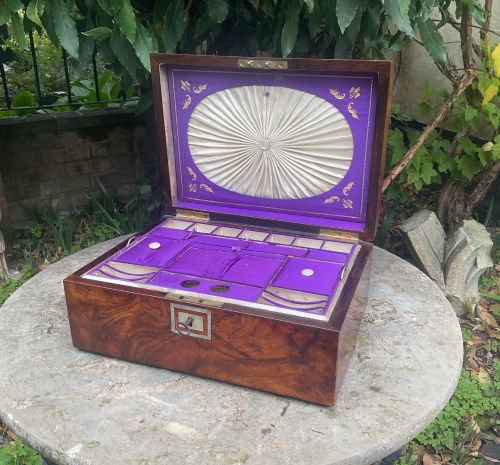
Regency and Victorian sewing tables incorporate built-in compartments, silk bags, and top panels designed for needlework and crafting.
These occasional tables served as functional furniture where makers stored their threads, fabric, and tools while working.
How do I date a sampler?
Many samplers include embroidered names, dates, and alphabets stitched directly into the linen ground by the original maker.
Stylistic markers, such as the specific script, framing materials, and framing methods, help confirm the Georgian or seventeenth-century origin.