



Antique English Buffet Table
An antique english buffet table brings solid historical character to a dining room, offering substantial timber surfaces for serving and display.
Antique English Buffet Table
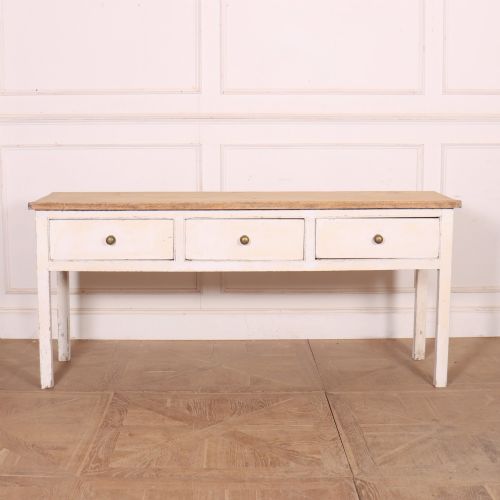
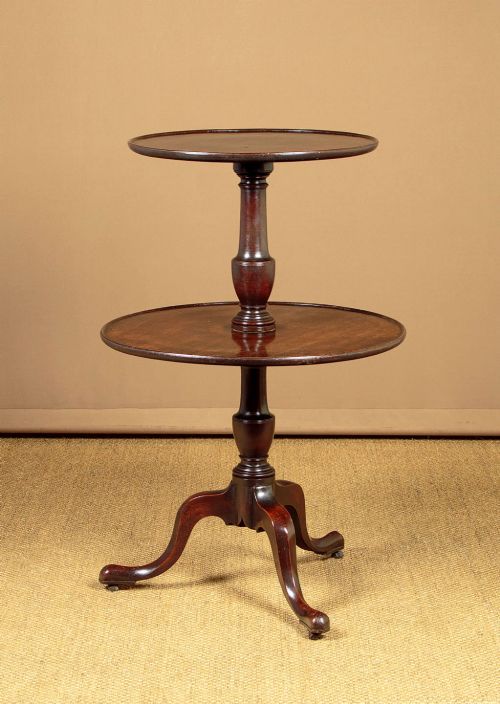
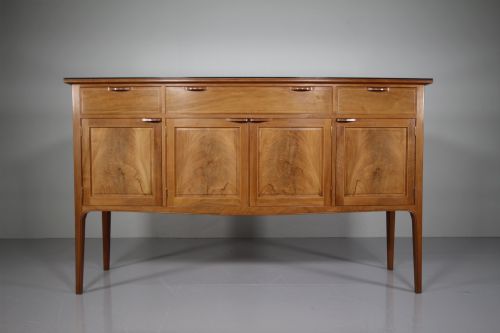
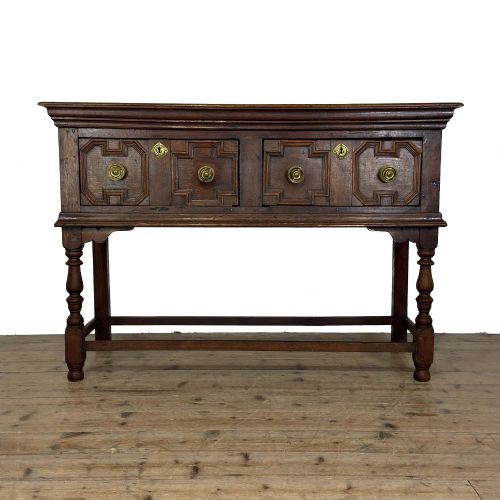
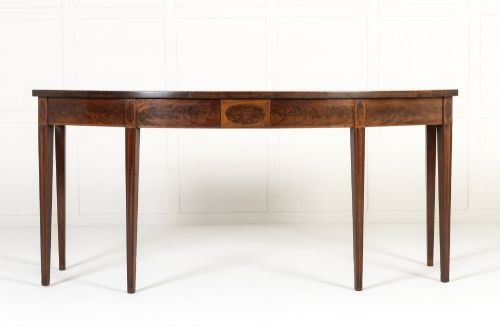
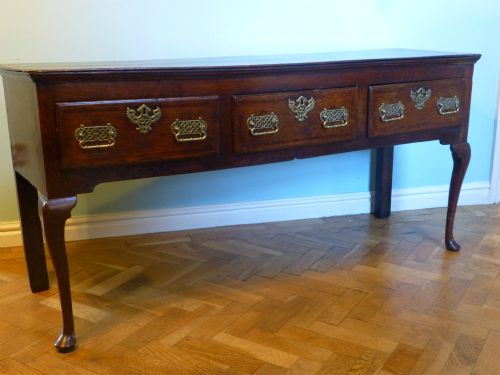
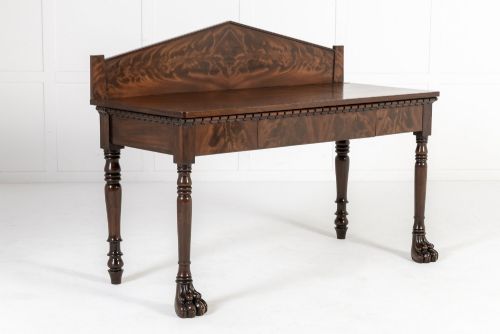
When you search for an antique english buffet table, you encounter a varied group of dining and serving furniture spanning the eighteenth and nineteenth centuries. These pieces encompass serving tables, pedestal sideboards, dresser bases, and tiered dumb waiters designed for domestic service.
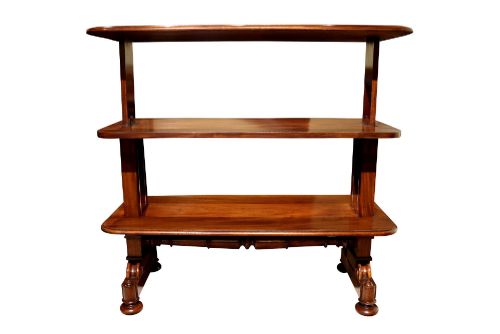
The selection ranges from formal Georgian mahogany serving tables to robust oak dresser bases and heavily carved Victorian pollard oak buffets. Earlier examples often show straightforward potboard or drawer configurations, whilst later nineteenth-century pieces introduce tiered shelving and enclosed cabinets.
Country house variants and simpler English country pieces sit alongside grander Regency and William IV designs. Each form reflects the specific dining customs and storage requirements of its period.
Materials and construction methods
Makers relied primarily on native and imported hardwoods, working extensively in mahogany, oak, and pine. Flame mahogany veneer and satinwood inlay appear on more formal Regency and Georgian pieces, bringing rich grain patterns to the surface.
Construction involved traditional joinery, incorporating hand-carved details, turned legs, and brass hardware. Cabinetmakers also utilised pollard oak and applied paint finishes depending on the regional workshop and the prevailing style of the era.
Listings feature oak, mahogany, and pine construction spanning the Georgian, Regency, and Victorian periods.
Assessing quality and craftsmanship
Quality rests on the selection of timber and the precision of the joinery, particularly in the figuring of mahogany veneers and the soundness of solid oak framing. Superior pieces demonstrate crisp hand-carving and careful attention to structural proportions rather than applied ornamentation alone.
The integrity of the original surfaces and hardware dictates the standing of a piece within its period. Refinished items or replacements alter the balance, whereas untouched timber patination and original brass fixtures elevate the status of the furniture.
The Antique English Buffet Table Glossary
- Dresser base
- A low wooden sideboard fitted with drawers and occasionally a lower shelf, originating from early English kitchens and dining rooms.
- Dumb waiter
- A tiered stand with rotating or fixed circular trays used for serving food and drink without servants present.
- Potboard
- An open lower shelf on a dresser base traditionally used for storing pots and heavy kitchen utensils.
- Flame mahogany veneer
- Thin slices of mahogany cut from where branch junctions meet the trunk, creating a distinctive flamelike grain pattern.
- Pollard oak
- Timber taken from trees that were pollarded, producing a dense, knotty burl grain prized in nineteenth-century cabinetry.
Antique English Buffet Table: Frequently Asked Questions
How were buffet tables used originally?
These pieces served as auxiliary surfaces during large meals, holding dishes, silverware, and serving platters away from the main dining table.
They also functioned as display areas for silver and ceramic wares when dining rooms were not in active use.
What is the difference between a sideboard and a buffet?
Sideboards generally incorporate a mix of drawers and cupboards for formal dining storage, often featuring a longer, lower profile.
Buffets frequently include tiered shelving or serving surfaces tailored specifically for presenting food and dishes during service.
How do I date an antique buffet table?
Dating relies on identifying the primary wood species, construction techniques, and stylistic markers such as cabriole legs or reeded mouldings.
Georgian pieces favor clean classical proportions and mahogany, whilst Victorian examples often display heavier carving, applied panels, and darker finishes.
Are these tables suitable for modern dining rooms?
Their solid proportions and practical surface areas make them exceptionally functional for contemporary dining spaces and hallways.
They provide useful storage capacity while introducing authentic period warmth and historical texture to an interior.