



Antique Enamel Trinket
When you handle an antique enamel trinket, you hold a miniature canvas of fused glass and metal shaped by centuries of decorative craft.
Antique Enamel Trinket
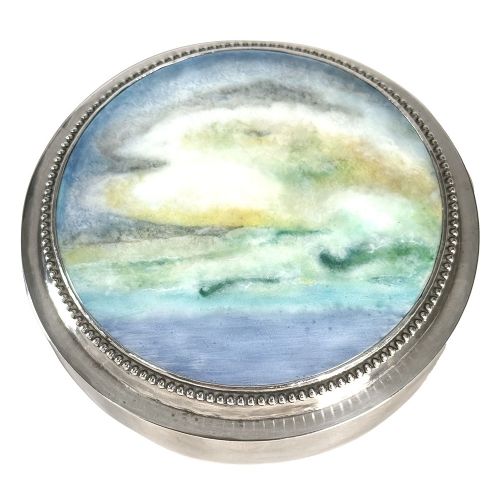
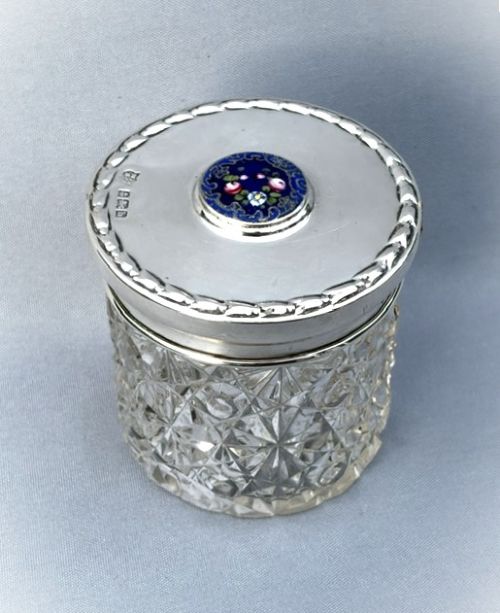
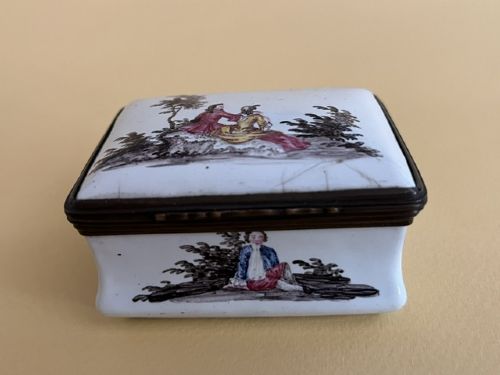
An antique enamel trinket encompasses small utilitarian containers such as patch boxes, snuff boxes, pill boxes, and larger dressing table jars intended for personal use. These items serve to hold small valuables, cosmetics, or medicinal powders within secure, hinged, or lidded compartments.
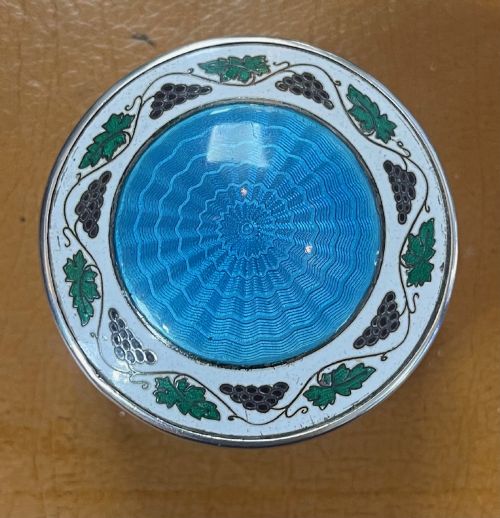
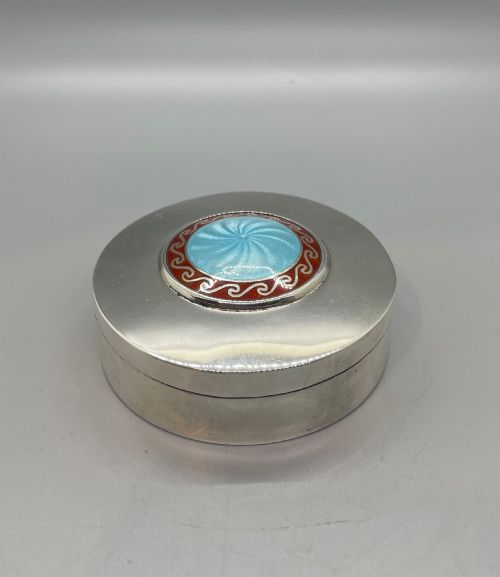
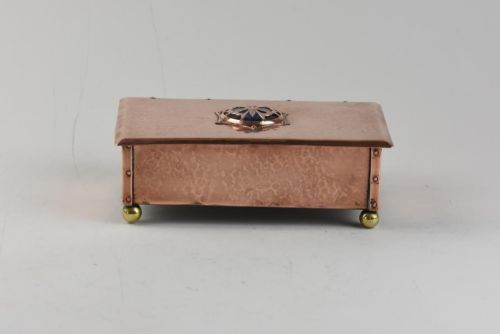
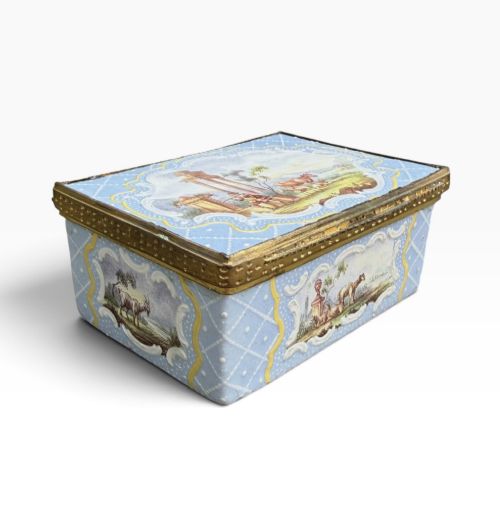
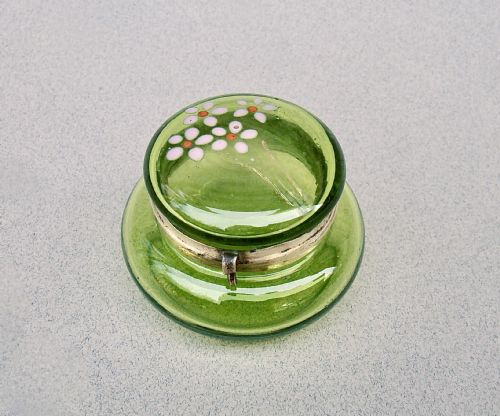
The selection ranges widely across periods, including Georgian examples from South Staffordshire and Bilston alongside 19th-century French champlevé pieces and 20th-century Art Deco sterling silver and guilloché enamel items. Common forms also incorporate cut glass, porcelain, and pottery bodies mounted with decorated metal lids.
Originating from diverse European and Asian workshops, these small boxes reflect the prevailing styles of their respective eras, moving from Rococo Revival curves to geometric Arts and Crafts and Art Deco lines.
How they were made
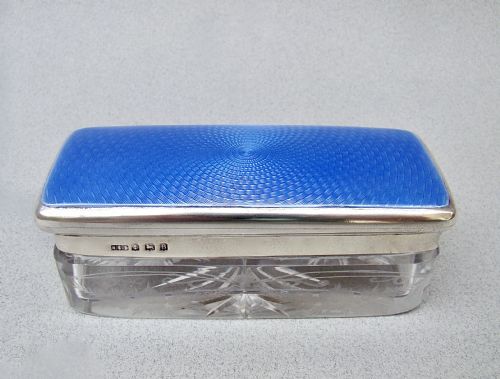
The construction typically combines a metal armature of copper, brass, or sterling silver with vitreous enamel fused to the surface through intense heat. Techniques such as guilloché involve machining intricate geometric patterns into the metal base before applying translucent enamel, allowing the pattern to show through the colour.
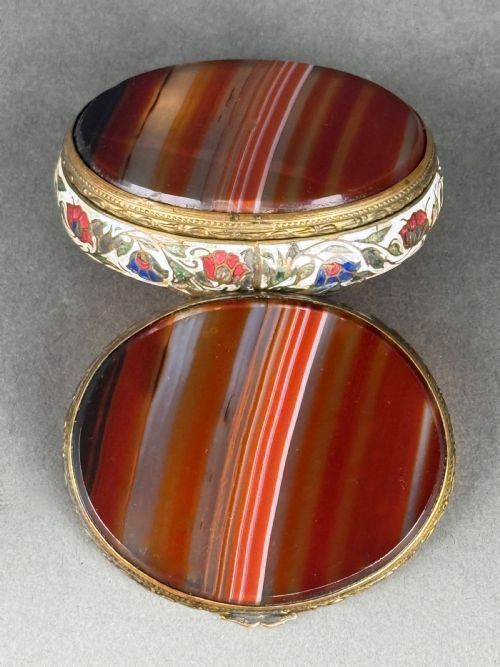
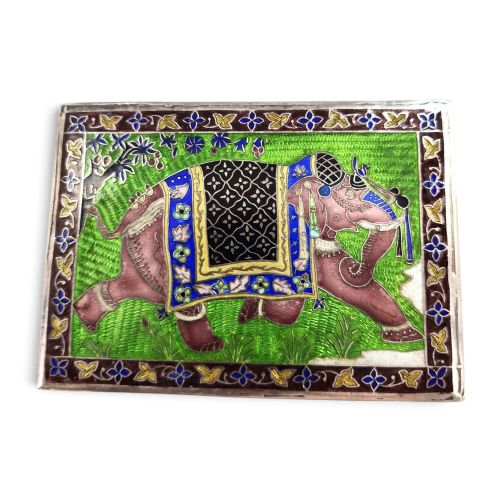
Other pieces employ champlevé or cloisonné methods, where metal cells or troughs are filled with coloured enamel pastes prior to firing and polishing. Many examples integrate glass or porcelain bodies fitted with metal bezels and hinged lids.
Antique Enamel Trinket Retail Price Guide 2026
Typical asking prices for enamel trinket among the pieces listed under this phrase on Sellingantiques today, from the lower quarter to the upper quarter. They describe what is for sale here now, not the wider market.
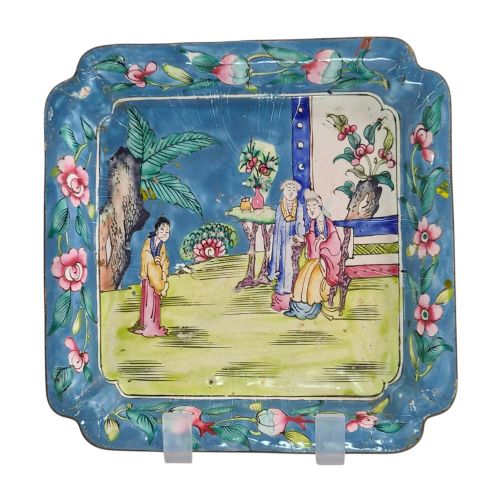
Listings feature 18th-century Bilston and South Staffordshire copper boxes alongside 19th-century French champlevé and 20th-century Art Deco guilloché silver items.
What varies in quality
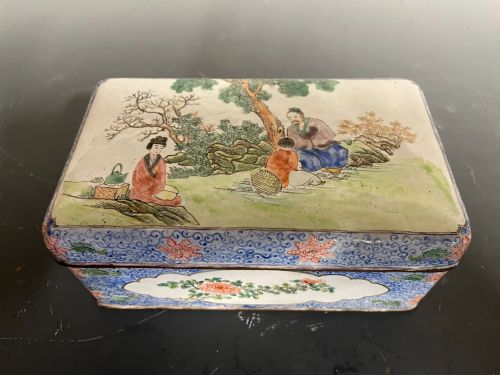
Quality rests upon the precision of the metalwork and the uniformity of the vitreous enamel surface. Superior examples demonstrate finely executed hand-painted miniature scenes, even pigment distribution, and securely fitted hinges that operate without strain.
Lower-tier items often display uneven enamel thickness, bubbling in the glassy surface, or crude framing mounts that lack the crisp definition found in workshop pieces from established centres like Birmingham or Bilston.
Guild of Handicrafts·Henry Clifford Davis·George Adam Scheid
The Antique Enamel Trinket Glossary
- Guilloché
- A decorative technique where a mechanical lathe engraves a precise, intricate repeating pattern into a metal substrate before translucent enamel is applied.
- Champlevé
- An enamelling method where troughs or cells are hollowed out in the metal plate and filled with enamel powder before firing.
- Cloisonné
- A technique where thin metal wires are soldered to a metal base to form compartments that are subsequently filled with enamel paste.
- Patch box
- A small, shallow container, often fitted with an interior mirror, historically used for storing small fabric patches worn on the face.
- Bilston enamel
- Enamelware produced in the Staffordshire town of Bilston during the 18th century, typically featuring copper bases with opaque white enamel coatings and hand-painted top scenes.
Antique Enamel Trinket: Frequently Asked Questions
What is an antique enamel trinket used for?
These small vessels historically held personal items such as snuff, medicinal pills, beauty patches, or cosmetic powders for daily use. Today, collectors utilise them to store rings, cufflinks, or small keepsakes on dressing tables.
Their compact scale made them easily portable for travel or social calls in past centuries, combining practical storage with decorative display.
How do I date an antique enamel trinket?
Dating relies heavily on hallmarks stamped onto the silver or metal mounts, combined with the stylistic indicators of the enamel work and overall form. Georgian and 18th-century pieces often feature copper bases with hand-painted pastoral scenes.
Later Edwardian and Art Deco examples typically incorporate machine-turned guilloché patterns over sterling silver frames stamped with specific assay office marks and date letters.
Are these boxes made of solid silver?
Most metal mounts, bezels, and hinges on these pieces are fabricated from sterling silver, brass, copper, or gilt metal rather than solid silver throughout. The primary body often consists of copper, glass, porcelain, or pottery coated with fused glass enamel.
Examining the underside or interior rim usually reveals the base metal and any relevant hallmarks indicating the metal standard used by the maker.
How should I clean my enamel trinket box?
Enamel surfaces require gentle cleaning with a soft, dry or slightly damp cloth to remove dust without abrasive pressure. Metal mounts can be polished carefully with a specialist cloth, taking care to avoid rubbing cleaning agents directly onto the vitreous enamel.
Harsh chemical dips and ultrasonic cleaners should be avoided, as they can weaken historic adhesives, discolour exposed copper seams, or crack fragile glass coatings.