


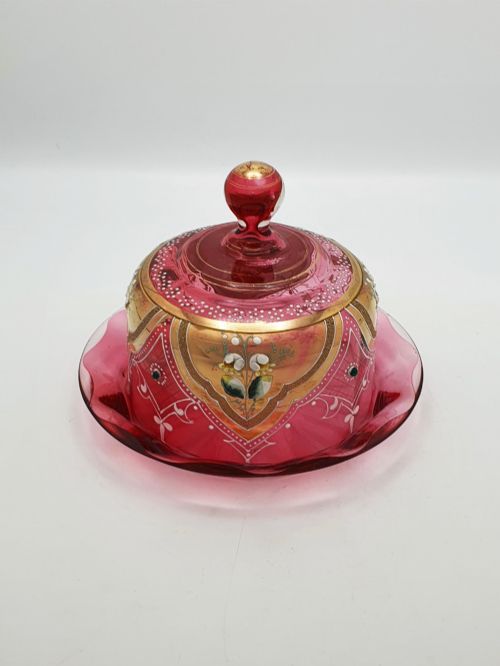


Antique Enamel Tableware
Antique enamel tableware brings vibrant colour and meticulous detail to the table, offering durable beauty crafted by skilled hands.
Antique Enamel Tableware
Antique enamel tableware encompasses a colourful variety of decorative serving pieces, decorative bowls, and dining accessories designed to elevate historical table settings. The selection includes items ranging from delicate porcelain and glass pieces to solid silver spoons adorned with intricate cloisonné work.
Makers from various traditions contributed to this field, including Russian workshops creating silver-gilt items, Japanese artisans producing Satsuma ware, and English factories shaping porcelain. Buyers will encounter Victorian and Georgian periods alongside Qing Dynasty and Meiji Period pieces.
The objects span from cheese dishes and sauce boats to teaspoons and reticulated chestnut baskets with stands. Each piece demonstrates how historical dining habits integrated bright pigments and metallic gilding into daily hospitality.
How these pieces were made
Artisans applied vitreous enamel onto metal bases such as silver gilt, creating durable coloured surfaces through high-temperature firing. Cloisonné techniques required delicate wire partitions soldered onto the metal to contain each distinct block of enamel paste.
Porcelain and glass items utilised hand-painted designs, gold leaf, and gilding to add rich metallic contrast to the fired base materials. Soft-paste porcelain was shaped and glazed before receiving detailed hand-painted scenes, as seen in eighteenth-century sauce boats.
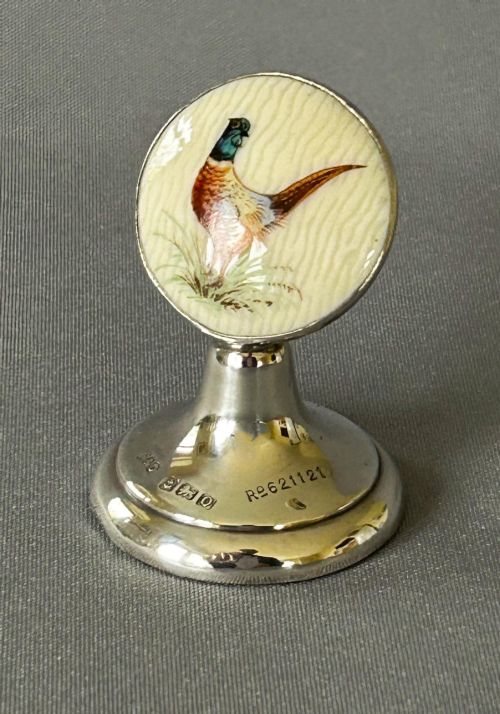
Guilloche enamel on silver items involved machine-turning a metal substrate to create precise geometric patterns beneath translucent layers of coloured enamel. This technique allowed light to reflect through the pigment, producing depth and variation across the surface.
Antique Enamel Tableware Retail Price Guide 2026
Typical asking prices for enamel tableware among the pieces listed under this phrase on Sellingantiques today, from the lower quarter to the upper quarter. They describe what is for sale here now, not the wider market.
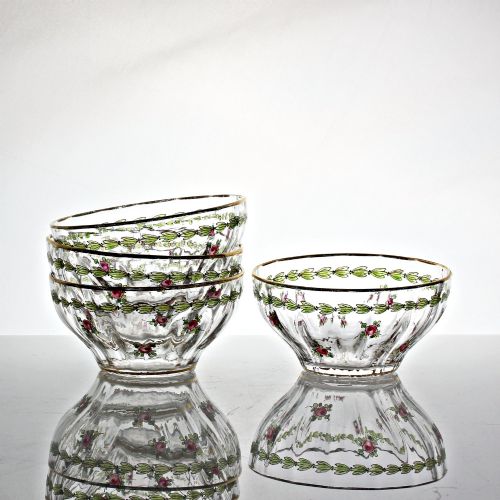
Summer garden parties required elaborate glass services to keep aristocratic butter chilled outdoors.
What varies in quality
The precision of the enamel work dictates much of the visual distinction, particularly in cloisonné pieces where wire work must remain uniform and secure. Clean lines and smooth, even distribution of coloured pastes separate master workshops from standard production.
The quality of the underlying metal or ceramic body influences durability and refinement, with solid silver and soft-paste porcelain offering superior tactile weight and substance. Hand-painted details show varying degrees of artistic skill, from simple repetitive motifs to complex figurative scenes.
Preservation of the original gilding and surface finish plays a major role in how successfully a piece retains its intended decorative impact. Intact gold leaf and undamaged enamel surfaces preserve the visual harmony intended by the original maker.
Dmitrii Nikolaevich Nikolaev·Vasily Agafonov·David Andersen
The Antique Enamel Tableware Glossary
- Cloisonné
- An enamel technique where metal wires are soldered to a base to form compartments filled with coloured glass paste. These wires define the boundaries of each coloured section before firing.
- Silver gilt
- Silver that has been coated with a thin layer of gold on its surface. This treatment provides the warm appearance of gold while utilising silver as the structural base.
- Guilloche
- A decorative technique where intricate geometric patterns are mechanically engraved into a metal substrate. Translucent enamel is then applied over the pattern so the engraving shows through.
- Soft-paste porcelain
- A ceramic material made from clay mixed with ground glass and other substitutes, fired at lower temperatures than hard paste. It possesses a characteristic warm, slightly creamy body.
- Reticulated
- Designed with an openwork or netted pattern resembling a net or lattice. This ceramic or metalwork technique creates lightweight, decorative borders on baskets and vessels.
Antique Enamel Tableware: Frequently Asked Questions
What is antique enamel tableware?
Antique enamel tableware comprises historic dining and serving items finished with fused glass coatings, porcelain decoration, or metalwork. These pieces include spoons, bowls, dishes, and tableware sets.
Items range from eighteenth-century porcelain to late nineteenth-century silver-gilt and cloisonné pieces. They reflect diverse international traditions spanning European and Asian workshops.
How do I care for enamel tableware?
Enamel surfaces require gentle handling to preserve the glass coating and underlying metal or ceramic body. Hand washing with mild soap and warm water is essential, avoiding abrasive materials.
Silver and silver-gilt components benefit from appropriate metal care that does not harm the adjacent enamel sections. Storing pieces away from extreme temperature fluctuations protects the bond between metal and glass.
How can I tell periods apart?
Distinguishing periods involves examining the material composition, decorative style, and manufacturing technique characteristic of specific eras. Georgian and Victorian pieces often show distinct European ceramic or glass forms, while nineteenth-century Russian items feature characteristic silver cloisonné.
Stylistic influences such as Meiji Period Japanese motifs or Qing Dynasty famille rose provide clear chronological markers. Maker marks and silver hallmarks offer definitive evidence for dating specific workshops.
How were these pieces used?
These items served functional and decorative roles during historic meals, tea services, and formal gatherings. Sauce boats and cheese dishes held specific courses, while chestnut baskets presented desserts.
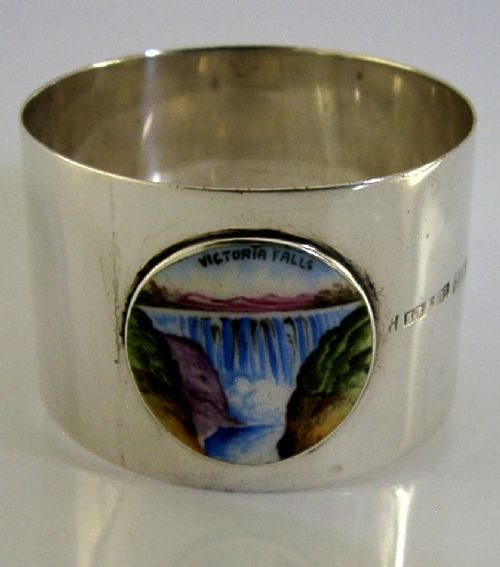
Silver spoons and napkin rings added refined details to private dining and garden parties. Many pieces were designed both for practical use and to display wealth and taste.