





Antique Enamel Decor
Antique enamel decor brings together vivid vitreous colours and metals, ceramics, or glass across centuries of global craftsmanship.
Antique Enamel Decor
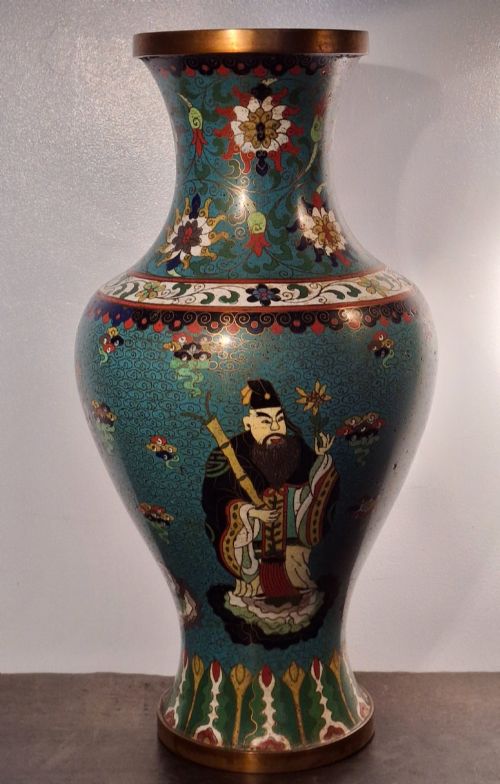
Antique enamel decor encompasses a diverse range of objects, from Chinese cloisonné vases and Japanese ashtrays to European glassware, metalwork, and advertising signs. Pieces span multiple centuries, originating from workshops in Britain, France, China, Japan, and the Middle East.
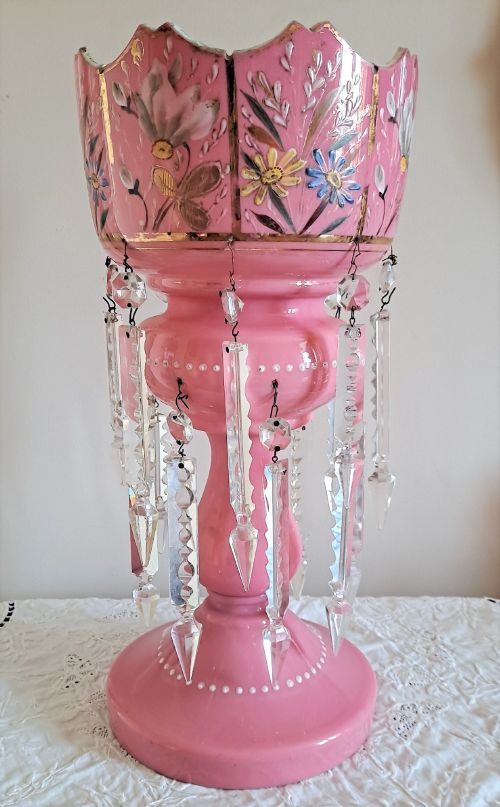
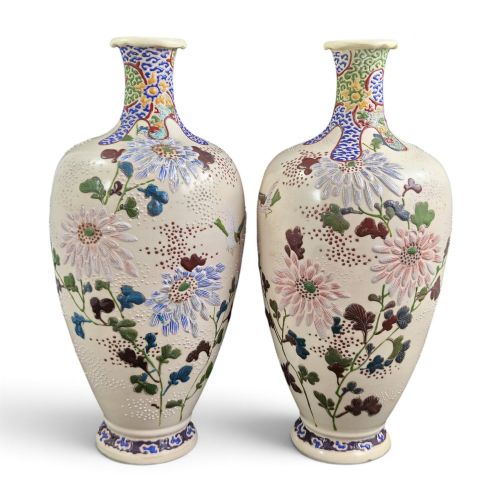
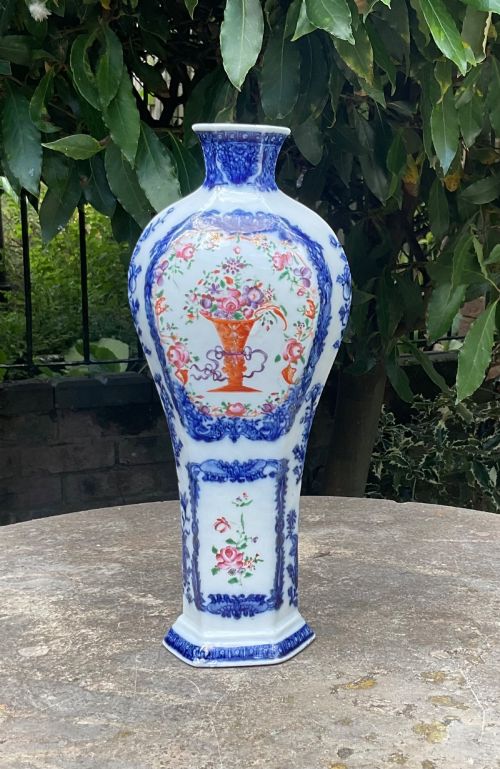
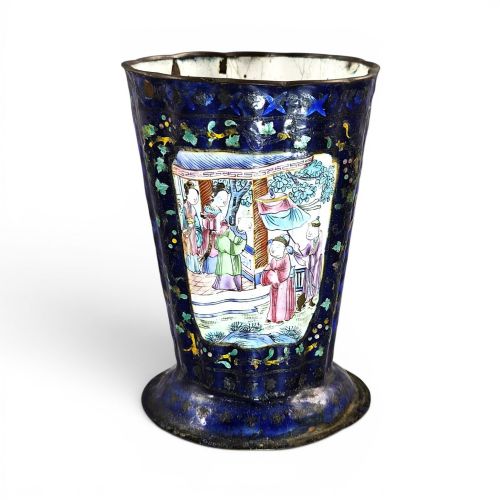
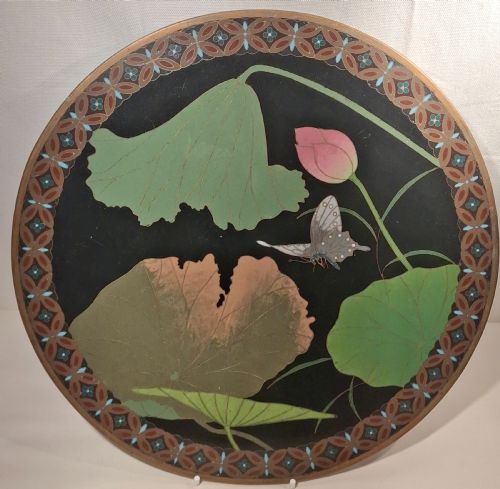
Vessels and decorative plates dominate the selection, accompanied by candlesticks, wall art, and smaller items such as menu holders and napkin rings. Surfaces feature intricate hand-painted floral motifs, figurative scenes, and geometric patterns fused onto base materials.
Buyers encounter both Asian export wares and European Revival styles, reflecting distinct regional techniques. The grouping bridges functional household items and pure cabinet display pieces.
Materials and techniques
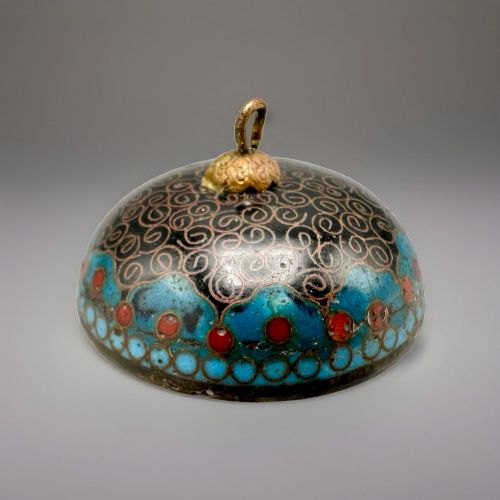
Makers fused powdered glass onto metal bases such as copper, brass, pewter, and silver, or ceramic surfaces including porcelain, earthenware, and stoneware. Techniques like cloisonné involved creating wire cells to hold distinct coloured pastes before firing.
Other pieces utilised champlevé, where troughs were carved into the metal body to receive enamel, or guilloche methods on silver gilt grounds. Hand-painting directly onto glass and porcelain allowed for delicate pictorial scenes.
Firing transformed the vitreous powders into a durable, glossy coloured surface that resisted tarnishing. Artisans often combined these enamelled panels with hand-blown glass, gilt mounts, or carved stone.
Antique Enamel Decor Retail Price Guide 2026
Typical asking prices for enamel decor among the pieces listed under this phrase on Sellingantiques today, from the lower quarter to the upper quarter. They describe what is for sale here now, not the wider market.
Differences in quality
The precision of the metalwork and the complexity of the enamel cells dictate the upper tier of execution. Finer pieces demonstrate meticulous hand-painting, smooth surface finishes, and crisp delineation between colours without firing flaws.
Collaborations between notable designers and established firms introduce higher artistic ambition, distinguishing standard production items from masterworks. The depth of the colour palette and the preservation of original gilding also influence the standard of a piece.
Archibald Knox for Liberty & Co·David Andersen·Samson·Legras
The Antique Enamel Decor Glossary
- Cloisonné enamel
- A metalwork technique where fine wires form raised barriers on a surface to create compartments filled with coloured enamel paste.
- Champlevé
- A method where depressions are gouged into a metal base plate and filled with enamel before the entire piece is fired and polished.
- Guilloche
- An ornamental mechanical engraving technique applied to a metal substrate beneath a translucent layer of enamel.
- Satsuma ware
- A type of Japanese earthenware featuring a crackled ivory glaze decorated with polychrome enamels and gilding.
- Famille rose
- A Chinese porcelain palette characterised by opaque pink or rose enamels introduced during the Qing dynasty.
Antique Enamel Decor: Frequently Asked Questions
How do I clean antique enamel?
Dust surfaces gently with a soft, dry cloth to prevent abrasion.
Avoid liquid cleaners, chemical solvents, or immersion in water, which can damage exposed metal mounts and delicate old pastes.
Can I use these vases for water?
Many antique vessels and vases are porous or feature internal joining materials that degrade upon contact with moisture.
Display them dry or utilise a hidden inner liner if fresh botanical arrangements are desired.
How do I date Chinese cloisonne?
Examine the weight of the bronze or brass base, the tone of the enamel colours, and the characteristics of the wirework.
Earlier pieces often display heavier casting and softer, more integrated colour transitions compared to later serial production.
What is the difference between cloisonne and champleve?
Cloisonné uses thin metal wires soldered onto a flat surface to create raised walls that contain the vitreous paste.
Champlevé carves the design directly into the solid metal plate, creating recessed troughs to hold the coloured enamel.