

Antique Empire Style Cabinet
An antique empire style cabinet brings architectural form and rich timber to a room, holding books, linens or glassware with grounded classical proportion.
Antique Empire Style Cabinet
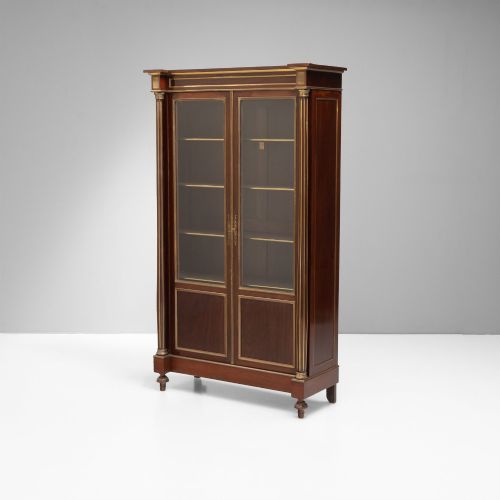
An antique empire style cabinet encompasses tall bookcases, bedside chests, secretaire cabinets and side pieces shaped by nineteenth-century classical revivals. Buyers seeking this phrase meet French and Italian examples alongside later revival pieces from the twentieth century.
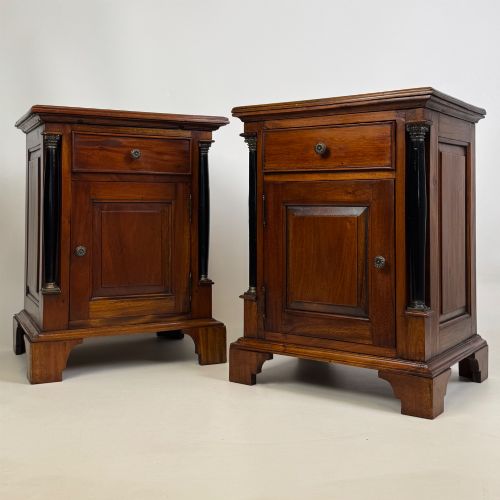
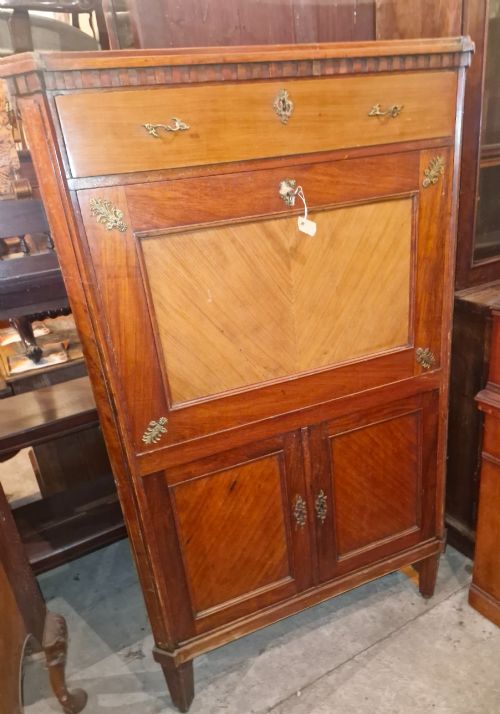
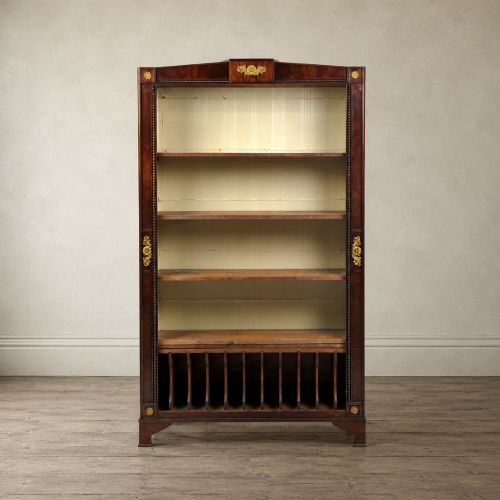
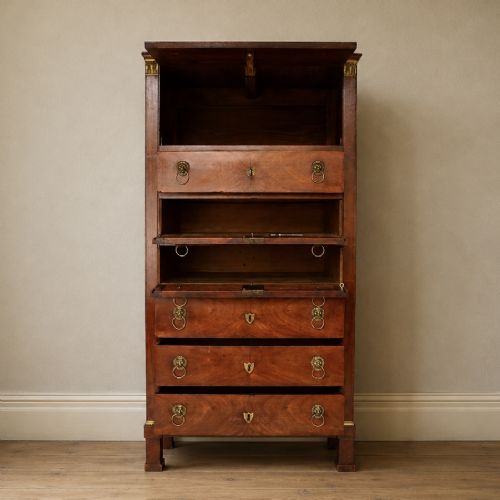
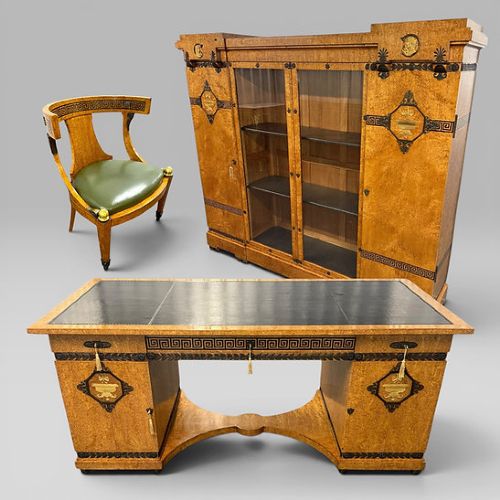
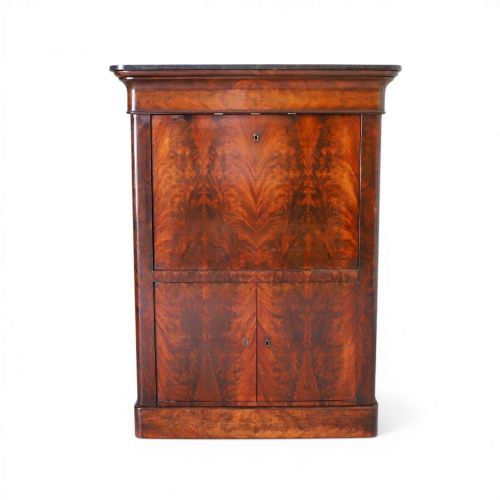
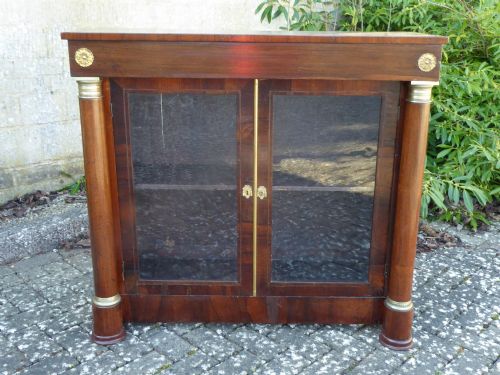
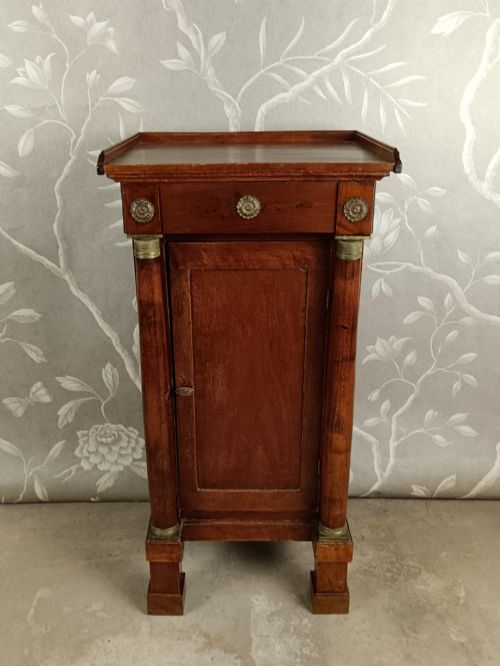
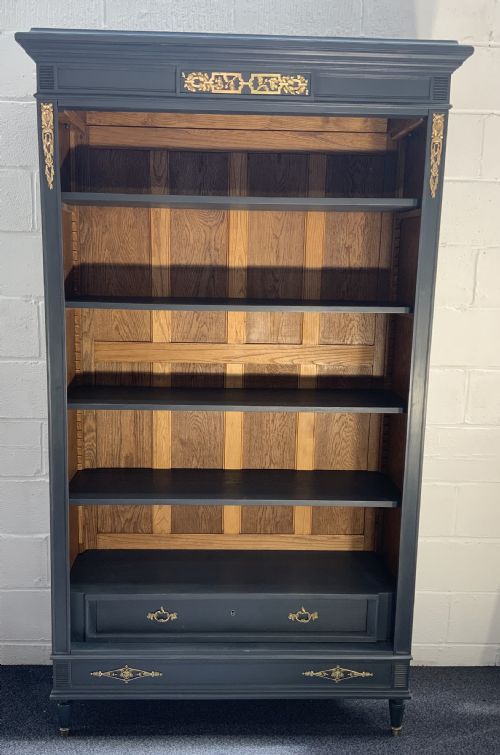
The selection ranges from upright secretaire à abattant pieces with drop-down writing desks to open bookcases and marble-topped nightstands. Mahogany, walnut and rosewood form the primary carcasses, often paired with contrasting ebonised wood or birch.
Origins span French workshops, Italian ateliers and English Regency cabinet makers, reflecting a shared vocabulary of columns, pilasters and restrained symmetry. These items served formal salons, libraries and bedrooms, fulfilling both display and storage needs.
Materials and construction
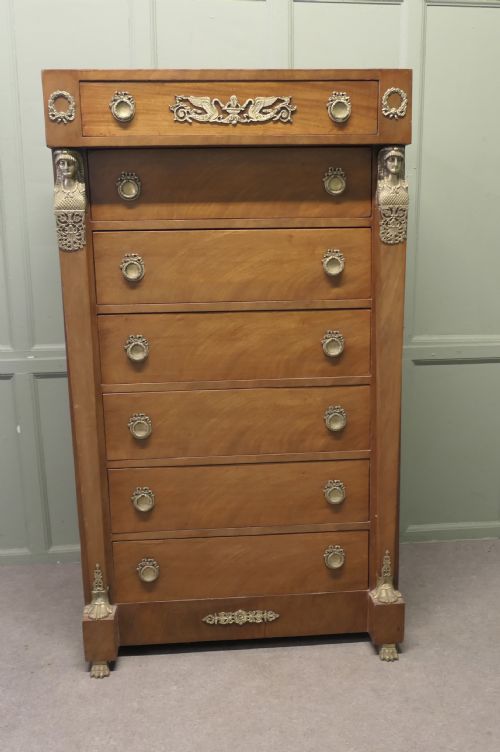
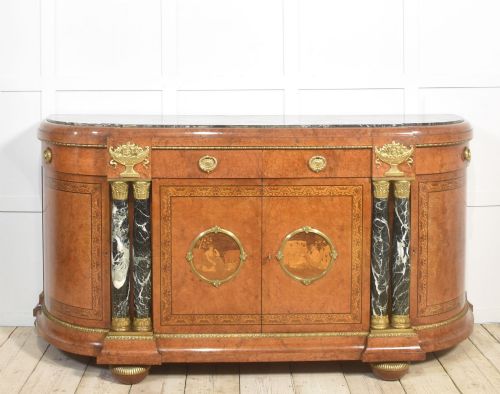
Cabinet makers built these pieces using dense hardwoods like mahogany and rosewood over robust pine or oak carcases, frequently applying finely figured veneer to large flat surfaces. Ormolu mounts in cast and gilt brass provide architectural accents around doors, drawers and cornices.
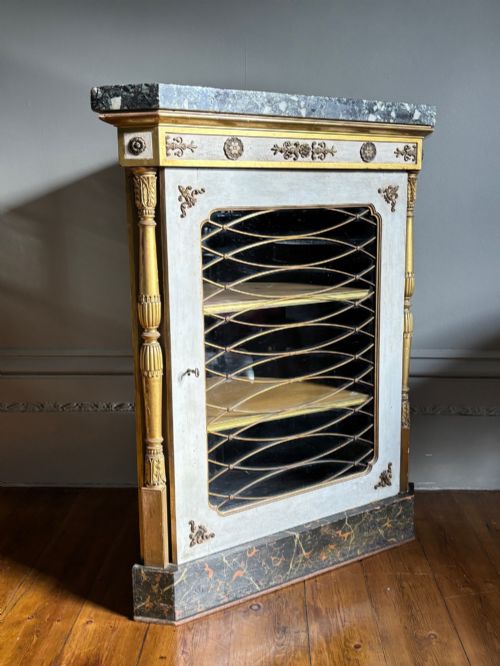
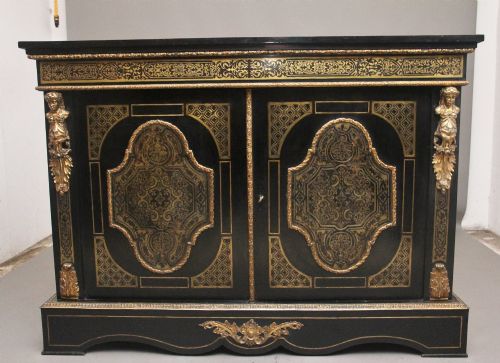
Marble tops, particularly in white and grey varieties, offer durable surfaces on bedside tables and side cabinets. Applied brass inlay, gilt metal mounts and porcelain plaques complete the decorative vocabulary recorded in the archive.
Several pieces conceal tiny hidden compartments behind secret drawers for storing private letters.
Distinctions in quality
Quality rests upon the crispness of the cast ormolu mounts and the precision of the timber matching across drawer fronts and doors. Superior examples exhibit harmonious grain continuity and well-integrated secondary timbers within hidden drawer linings.
The architectural integrity of columns, cornices and carved or applied brass details separates standard production from finer cabinet work. Original marble slabs and intact interior secret drawers maintain the integrity of a piece.
Mercier Frères·Meissen·KPM Berlin
The Antique Empire Style Cabinet Glossary
- Secrétaire à abattant
- A tall upright cabinet featuring a fold-down front that reveals a fitted writing interior with small drawers and pigeonholes. This form conceals functional workspace behind a unified architectural facade.
- Ormolu
- Gilded bronze or brass mounts applied to furniture edges, corners and friezes for decorative contrast. The technique involves treating metal with an acid-gold amalgam before firing.
- Ebonised
- Timber treated with a dark finish to imitate expensive ebony. Makers used this process on fruitwood and birch to create sharp visual contrast against gilt mounts.
- Biedermeier
- A central European style spanning the early nineteenth century prioritising clean lines, domestic comfort and light-coloured native woods over excessive ornamentation.
- Chiffonier
- A low cabinet or sideboard equipped with doors enclosing shelves, often topped by a small tiered superstructure. The form developed during the nineteenth century for dining and drawing rooms.
Antique Empire Style Cabinet: Frequently Asked Questions
Where should an empire cabinet go?
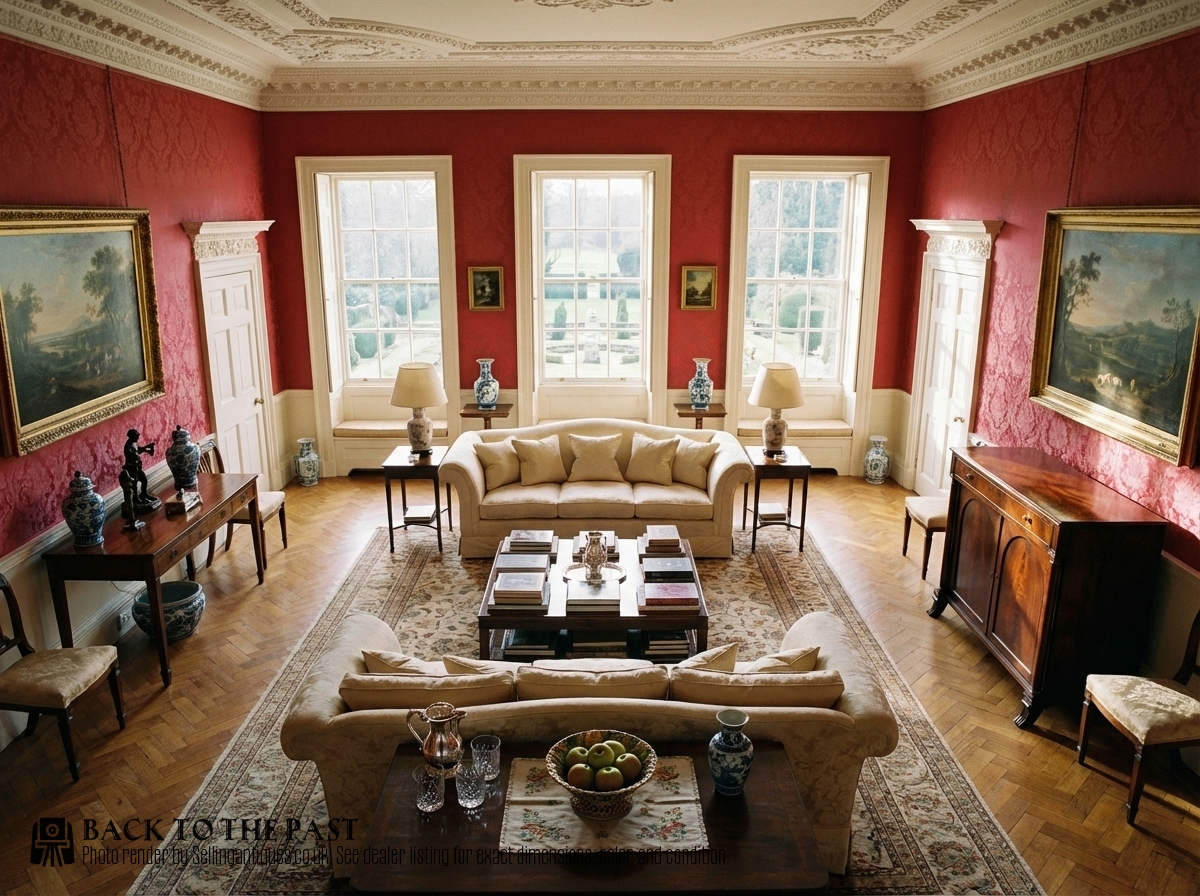
An antique empire style cabinet suits living rooms, studies or hallways where its architectural presence anchors the room. Tall bookcases and secretaire cabinets utilise vertical wall space efficiently while providing enclosed storage.
Smaller bedside cabinets and nightstands fit beside low beds or serve as end tables in reception rooms. Their marble tops and polished timber surfaces withstand daily use while adding classical proportion to modern interiors.
How do I care for polished mahogany?
Dust mahogany and rosewood surfaces regularly with a soft, dry cloth to prevent particulate buildup on the wax or polish. Avoid placing wooden cabinets in direct sunlight or near heat sources to prevent timber shrinkage and veneer splitting.
Apply a traditional beeswax conditioner occasionally to nourish the grain and maintain the deep lustre of the wood. Clean marble tops using a damp cloth without acidic household chemicals that etch the stone surface.
What is a secretaire cabinet?
A secretaire cabinet combines standard shelf or drawer storage with a fold-down writing desk concealed behind a central drawer or door panel. Opening the drop-front reveals pigeonholes and small secret compartments designed for correspondence and paperwork.
This dual function made such cabinets popular in nineteenth-century bedrooms and libraries where space for a separate desk was limited. The exterior presents a uniform stack of drawers or a flat-fronted cupboard when closed.
How do I identify nineteenth-century pieces?
Examine construction methods, timber selection and hardware behind the doors and drawers to determine period origin. Hand-cut dovetails, secondary lining woods like oak or pine, and fire-gilt ormolu mounts point toward nineteenth-century workshop production.
Stylistic cues such as neoclassical columns, restrained brass embellishments and dense mahogany veneers align with Regency and French Empire revivals. Comparing proportions and decorative motifs against documented pieces helps confirm the date.