



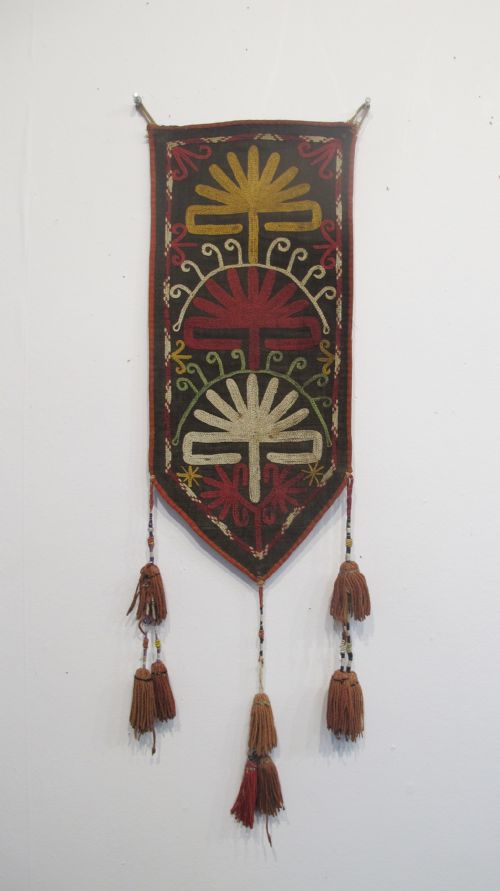


Antique Embroidery Fragment
An antique embroidery fragment holds centuries of needlework history, offering tactile fragments of Ottoman, Greek, and English textiles for your walls.
Antique Embroidery Fragment
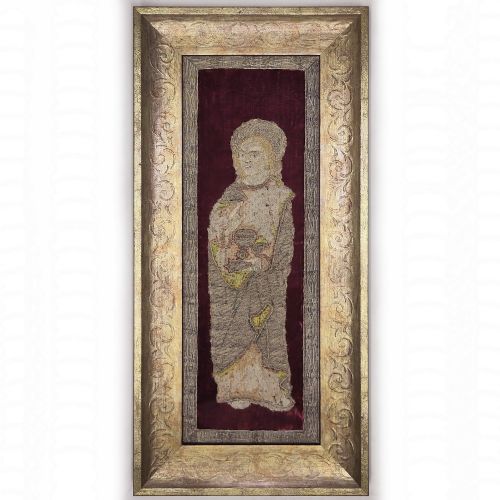
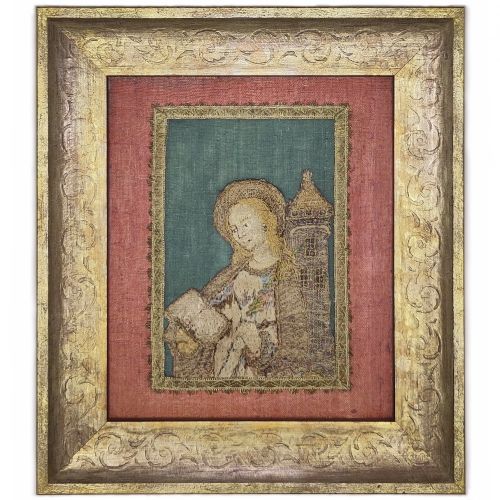
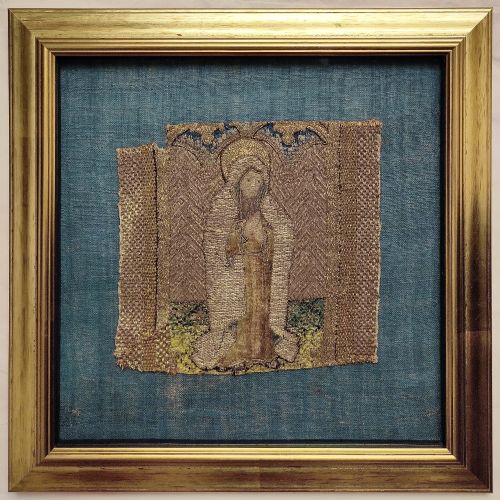
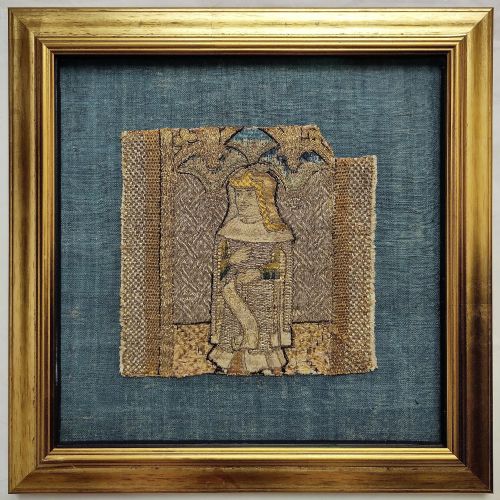
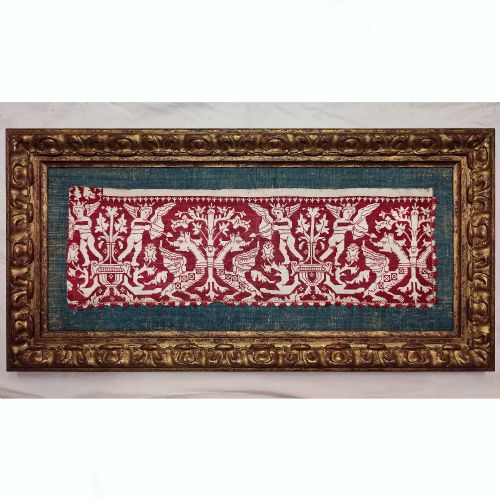
When you search for an antique embroidery fragment, you encounter surviving textiles salvaged from larger domestic furnishings, garments, and hangings. These pieces range from seventeenth-century Italian borders and Stuart beadwork panels to eighteenth-century Greek island bedsheet borders from Skyros and Crete.
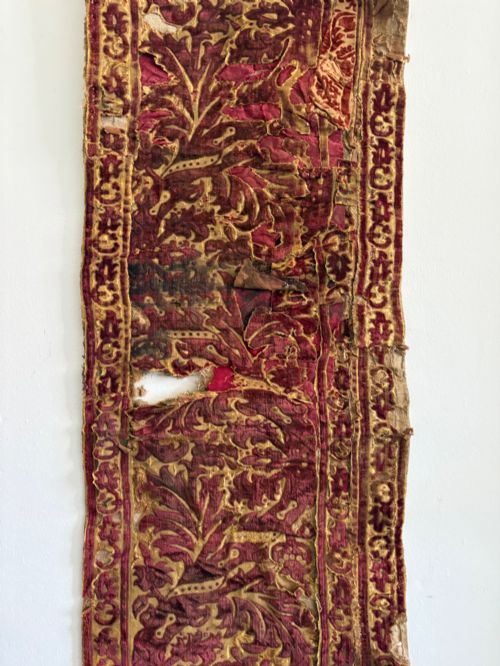
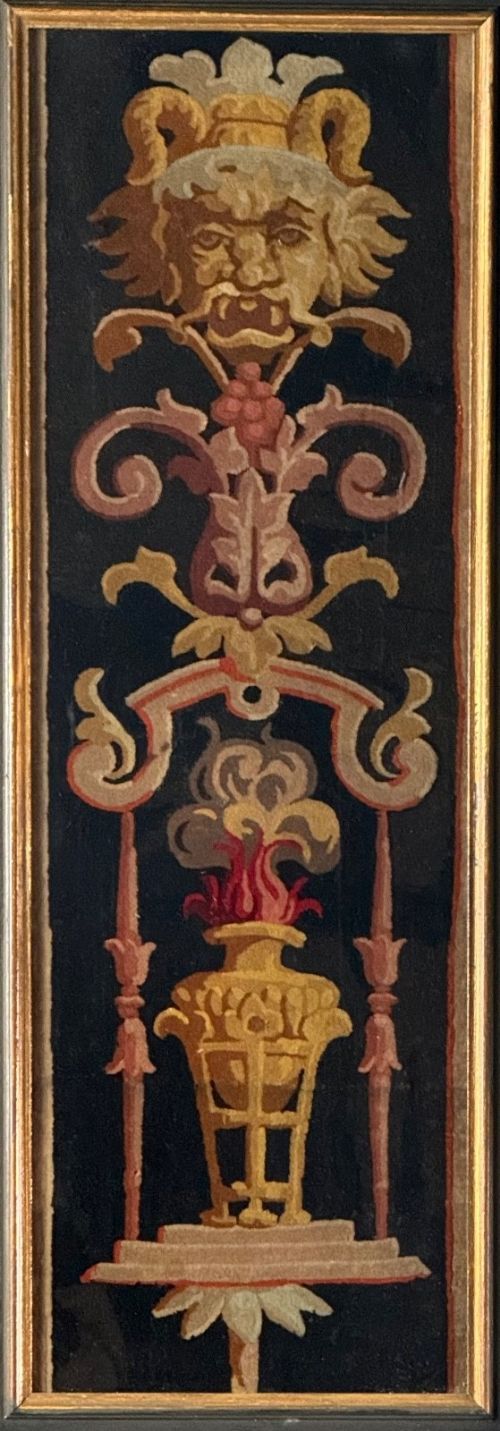
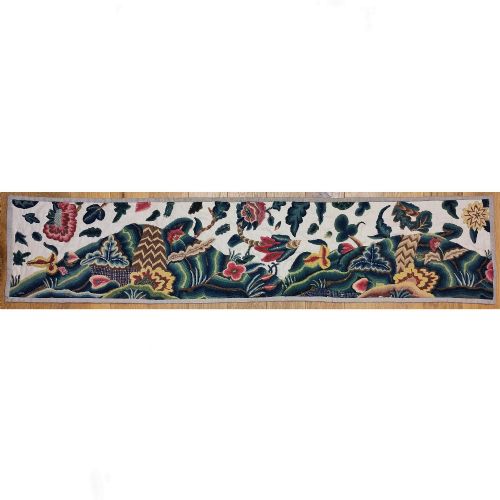
You are most likely to meet framed textile panels, wall art, and mounted fragments originating from the seventeenth, eighteenth, and nineteenth centuries. The selection includes Ottoman long borders, English needlework pictures, Uzbek amulet holders, and Banjara gala fabrics.
The geographic origins span diverse textile traditions, encompassing Greek folk art, Ottoman court styles, Georgian England, and seventeenth-century Baroque workshops. Each piece represents a surviving section of a once-complete textile, preserved for its decorative needlework.
Materials and construction techniques
These textiles rely on natural foundations of linen, cotton, and silk velvet, which support intricate hand-stitched ornamentation. Artisans worked needle and thread directly into these woven grounds to build pictorial scenes, geometric borders, and botanical motifs.
Many examples incorporate metallic threads alongside dyed silk and wool yarns to create reflective depth and texture. Specialised techniques include raised needlework, beadwork, and layered stitching found across English pictures and Greek island bedsheet borders.
Antique Embroidery Fragment Retail Price Guide 2026
Typical asking prices for embroidery fragment among the pieces listed under this phrase on Sellingantiques today, from the lower quarter to the upper quarter. They describe what is for sale here now, not the wider market.
A seventeenth-century beadwork fragment preserves a royal hunting scene in tiny glass beads.
Factors of quality and execution
The division between simpler works and finer examples lies in the density of the stitchery and the complexity of the design. Skilled needlework displays precise tension, controlled polychrome palettes, and intricate pictorial details such as the figures in Royal Hunting scenes.
Preservation of the ground fabric and the stability of metallic threads dictate the enduring integrity of a textile panel. Superior pieces retain vibrant dyed hues and secure mounting within frames or onto backing supports.
The Antique Embroidery Fragment Glossary
- Bedsheet border
- A decorated band of embroidery traditionally worked for the edge of Greek island wedding linens. These long panels were later salvaged when the main textiles wore out.
- Needlework picture
- A framed pictorial composition stitched in thread rather than painted on canvas. Popular in seventeenth and eighteenth-century England, these often depicted historical or biblical scenes.
- Metallic thread
- Flat metal strips or wire wrapped around a silk or cotton core. Used historically to add shimmer and status to ecclesiastical and secular embroidery.
- Beadwork fragment
- A small surviving section of embroidery constructed from tiny glass beads sewn onto a backing. Seventeenth-century examples frequently depicted courtly figures and animals.
- Silk velvet
- A woven fabric with a dense, short pile made from silk fibres. It served as a luxurious background ground for heavy metal-thread embroidery.
Antique Embroidery Fragment: Frequently Asked Questions
What is an antique embroidery fragment?
An antique embroidery fragment is a surviving section of a larger historic textile, such as a bedsheet border, garment panel, or wall hanging. These pieces are saved for their artistic needlework and historical materials.
They allow collectors to own examples of seventeenth-century, eighteenth-century, and nineteenth-century textile artistry without needing to acquire an entire historic furnishing.
How were embroidery fragments used originally?
Many fragments originated as decorative borders on Greek island bedsheets, panels on Ottoman garments, or central motifs on English needlework pictures. They served both ornamental and domestic functions in wealthy households.
Over time, as the main textiles deteriorated, surviving embroidered sections were cut away and preserved for their decorative artistic merit.
How should I display a textile fragment?
Textile fragments are most safely displayed when professionally framed behind glass or mounted onto conservation-grade supportive backing. This prevents further fraying of fragile linen, silk, and cotton grounds.
Keep mounted pieces away from direct sunlight and high humidity to protect the organic dyes and metallic threads from fading or corrosion.
How can I tell the age of embroidery?
Dating relies on examining the materials, the types of dyes used, the stitching techniques, and the stylistic motifs characteristic of specific periods like the seventeenth century or the Georgian era. Regional traits, such as Greek folk art patterns or Ottoman border layouts, also offer clues.
Comparing the weave of the linen or cotton foundation to documented historic textiles helps confirm the era of production.