





Antique Embroidered Wall Picture
An antique embroidered wall picture brings hand-stitched historical narratives and botanical studies straight to the interior.

Antique Embroidered Wall Picture
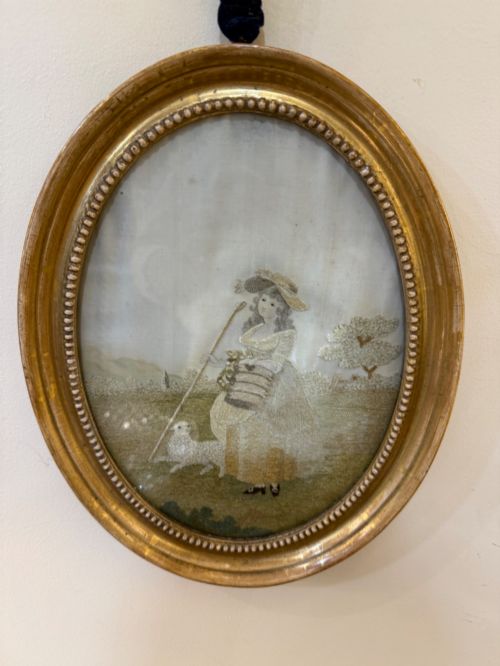
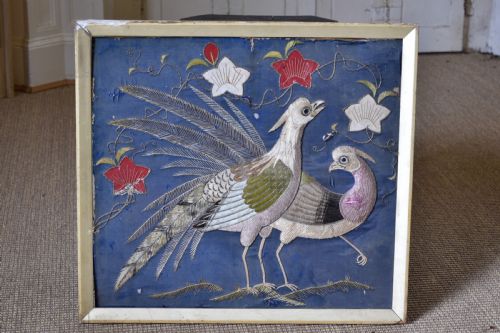
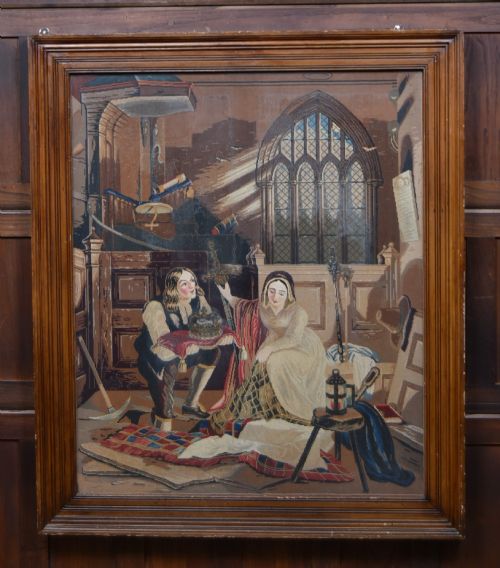
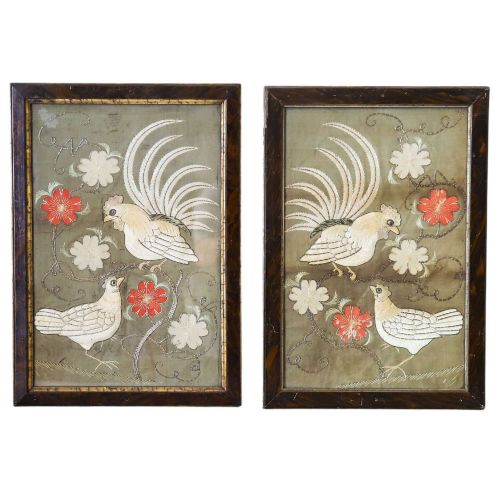
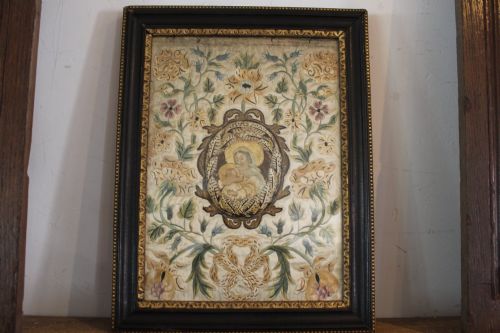
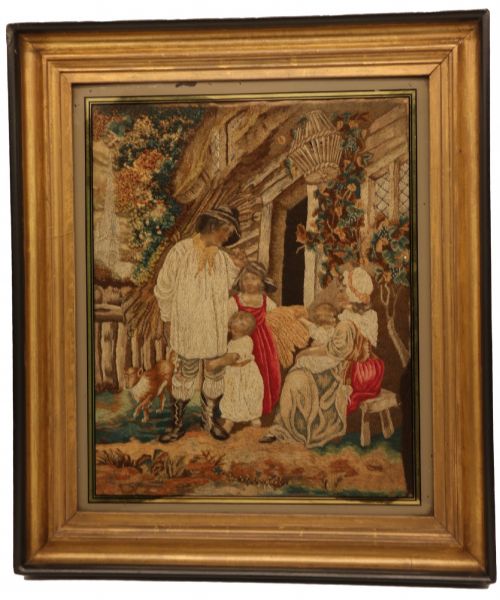
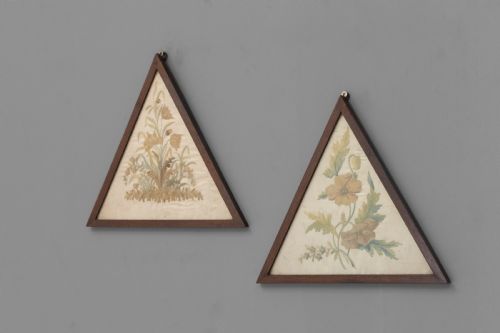
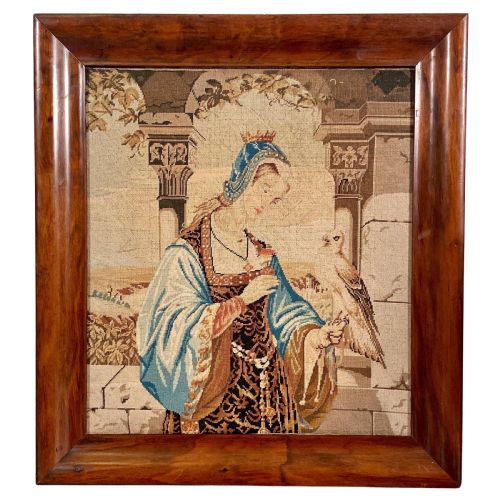
An antique embroidered wall picture comprises framed textile compositions created across several centuries, ranging from seventeenth-century Stuart stumpwork to nineteenth-century woolwork. These works capture subjects as varied as pastoral farming scenes, classical portraits, maps, and alphabets.
Buyers most frequently encounter nineteenth-century needlework pictures and samplers alongside eighteenth-century silk and wool panels. These textile artworks typically arrive housed in period surrounds such as giltwood or verre églomisé frames.
Materials and construction
Makers utilised natural textile elements including silk, wool, linen, and canvas as the foundation for intricate needlework pictures. Silk floss and crewel wool provided the varied textures required for detailed pictorial and typographic execution.
Antique Embroidered Wall Picture Retail Price Guide 2026
Typical asking prices for embroidered wall picture among the pieces listed under this phrase on Sellingantiques today, from the lower quarter to the upper quarter. They describe what is for sale here now, not the wider market.
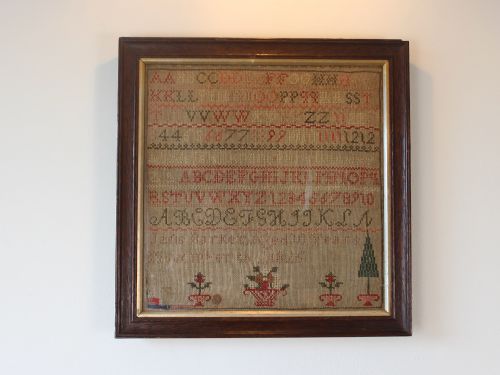
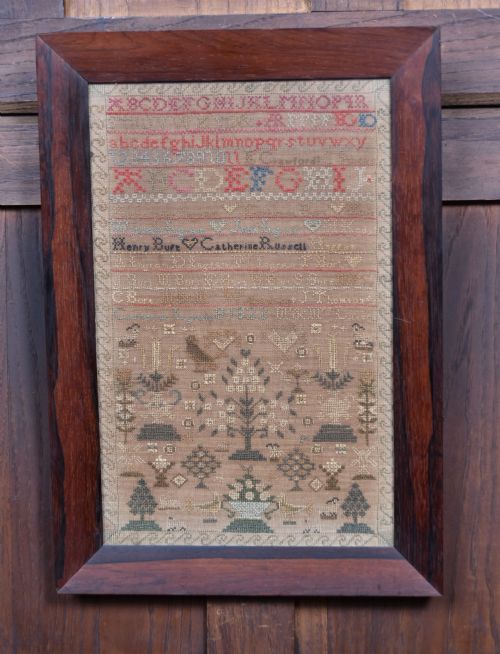
Stitchers occasionally recorded their exact age and the date in thread, leaving permanent proof of a thirteen-year-old's patience from December 1847.
Evaluating distinction
The sophistication of the needlework technique and the complexity of the pictorial subject dictate the standing of an antique embroidered wall picture. Fine execution in materials like silk floss elevates individual panels above standard woolwork compositions.
The integrity of the original frame, whether giltwood, glass-fronted verre églomisé, or carved wood, contributes significantly to the historical coherence of the piece. Superior examples retain their original mounting and retain clear provenance regarding the maker or maker's age.
Iida Takashimaya Company
The Antique Embroidered Wall Picture Glossary
- Stumpwork
- A raised embroidery style popular in the seventeenth century that uses padded foundations to create three-dimensional figures and motifs. This technique often depicts historical or biblical scenes with remarkable depth.
- Verre Églomisé
- A process of applying gold or silver leaf to glass combined with engraving and painting to create decorative borders. These specialised frames frequently encase nineteenth-century oval woolwork pictures.
- Sampler
- A piece of needlework demonstrating various stitches, alphabets, or motifs, often worked by young makers as proof of skill. Map samplers and alphabet examples record educational and domestic practices.
- Crewel work
- Embroidery executed using fine wool yarn on a linen or cotton twill fabric. This traditional technique produces robust surface decoration seen in early nineteenth-century panels.
Antique Embroidered Wall Picture: Frequently Asked Questions
How do I hang a textile picture safely?
Position the framed textile away from direct sunlight to prevent the silk and wool threads from fading over time. Maintain stable indoor humidity levels to protect both the fabric and the historic wooden frame.
Ensure the hanging wire and wall fixings adequately support the weight of the glass and timber construction. Professional framing specialists can install UV-filtering glass for added preservation.
What subjects appear in these embroideries?
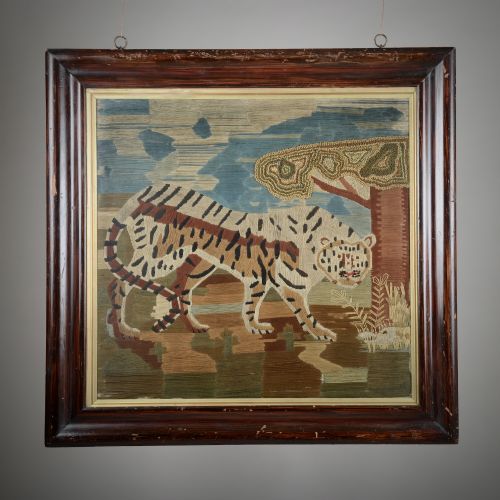
Needlework panels frequently depict pastoral landscapes, birds, animals such as tigers and horses, and human portraits. Commemorative pieces, maps, and alphabets also feature prominently across different centuries.
Narrative scenes drawn from literature and history, including stories like Jack and the Beanstalk, provide rich visual subject matter. Military commemorations record specific regiments and historical events.
How do I distinguish eighteenth from nineteenth-century work?
Eighteenth-century examples often employ fine silk and wool on canvas to create classical or pastoral subjects with sophisticated shading. Samplers from this period frequently display distinct regional lettering styles and muted vegetable-dyed palettes.
Nineteenth-century pieces commonly introduce brighter Berlin wool work, printed silk backgrounds, or distinct Victorian framing choices like verre églomisé. Dated samplers from the eighteen-hundreds explicitly record the maker's age and year of completion.
Were these always framed for walls?
Many textile works began as samplers or panels intended to demonstrate needlework proficiency before receiving professional framing. Once completed, mounting them under glass protected the delicate threads from dust and handling.
Over subsequent centuries, owners re-framed these textiles in giltwood or decorative timber surrounds to suit interior display. Surviving historic frames often provide key evidence regarding the period of presentation.