





Antique Elm Nursery Seat
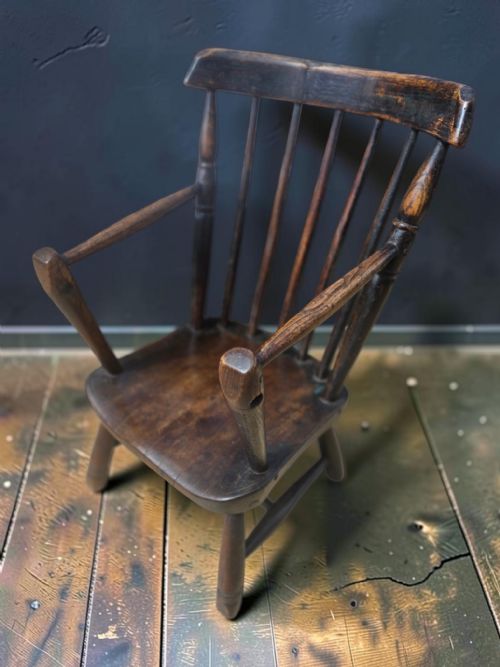
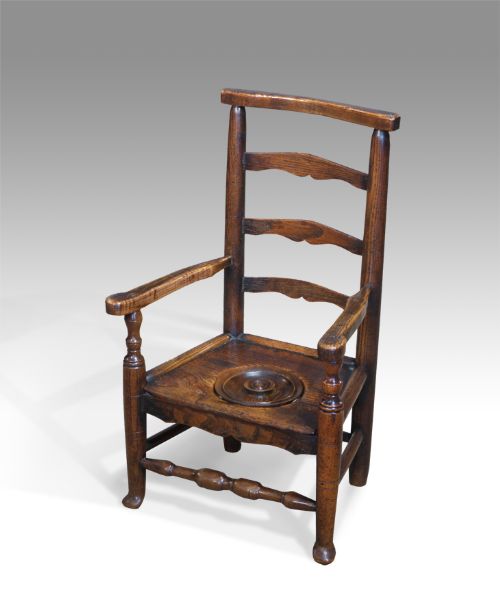
These antique elm nursery seat pieces are robust vernacular children's chairs built to last, offering collectors genuine domestic history in miniature.
Antique Elm Nursery Seat
The pieces appearing on this page originate predominantly from the nineteenth century and the Georgian era, alongside Victorian, Edwardian, and early twentieth-century examples. Makers produced these functional items to suit the needs of young children within households across English regions.
How they were made
Craftsmen utilised native timbers, pairing solid elm seats with supportive woods like ash, beech, yew, and oak for spindles, backs, and legs. This combination provided the necessary strength for daily use by children.
Makers employed traditional regional vernacular woodworking techniques, constructing Windsor frames and splat backs with pegged joints and turned components. The resulting structures relied on robust joinery rather than ornamentation.
Antique Elm Nursery Seat Retail Price Guide 2026
Typical asking prices for elm nursery seat among the pieces listed under this phrase on Sellingantiques today, from the lower quarter to the upper quarter. They describe what is for sale here now, not the wider market.
Listings feature elm combined with ash, beech, yew, and oak across Georgian, Victorian, and Edwardian periods.
What varies in quality
Quality rests in the harmony of proportions between the child-scale dimensions and the traditional adult chair forms. Pieces featuring finer turning work on spindles and legs display a higher level of regional craftsmanship.
The selection of timber grain, particularly figured elm seats paired with contrasting yew or ash components, elevates the visual presence of a piece. Earlier examples from the eighteenth and early nineteenth centuries often exhibit superior integration of materials.
The Antique Elm Nursery Seat Glossary
- Vernacular
- Everyday objects made by local craftsmen following regional traditions rather than high-style metropolitan fashions. These pieces reflect the materials available in the immediate countryside.
- Windsor
- A chair built with a solid wooden seat into which the legs and back spindles are directly bored and wedged. This construction method ensures great durability.
- Splat back
- A chair design featuring a central vertical wooden slat, or splat, set into the backrest. In child-sized versions, this provides sturdy lumbar support.
- Commode chair
- A seated piece housing a concealed chamber pot beneath the lift-out seat or hinged aperture. In nursery forms, this assisted with toilet training.
- High Wycombe
- An English town in Buckinghamshire famous for its extensive chair-making industry. Workshops here produced large quantities of Windsor and vernacular seating.
Antique Elm Nursery Seat: Frequently Asked Questions
What is an antique elm nursery seat?
An antique elm nursery seat is a small-scale historic chair made for children using native English hardwoods. These pieces include Windsor armchairs, high chairs, rocking chairs, and commode chairs.
Craftsmen built them to withstand daily domestic use in nurseries and parlours across various historical periods, ranging from the eighteenth century into the twentieth century.
How were these children's chairs used?
Families used these seats for feeding, playing, and general child-rearing in the home. High chairs elevated children to table height, while rocking chairs helped soothe infants.
Commode chairs served a practical sanitation purpose during a time before modern plumbing. Every form was tailored to accommodate the everyday routines of historical households.
How do I date an elm nursery seat?
Dating relies on examining the construction techniques, tool marks, timber selection, and overall style evolution. Georgian and eighteenth-century examples often feature different turning patterns and wear characteristics compared to Edwardian or 1920s pieces.
Comparing the specific Windsor or splat back design against documented regional furniture helps narrow down the period of manufacture.
Are these chairs suitable for daily use?
Many buyers place these sturdy vernacular pieces in modern homes as decorative items or for gentle seating. Their robust construction from elm, ash, and beech has allowed them to survive for centuries.
Collectors often appreciate them as displays of miniature craftsmanship that fit well in contemporary spaces.