
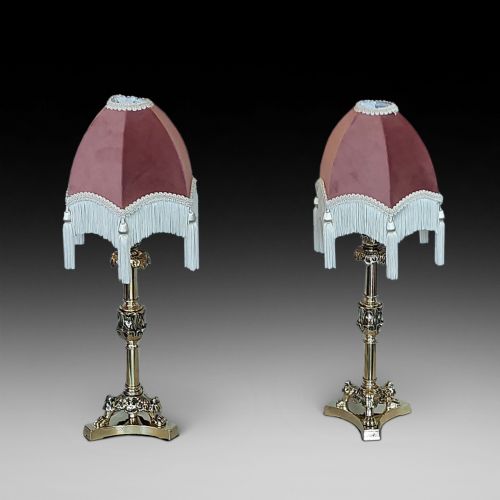


Antique Electric Table Lamp
An antique electric table lamp brings period character and steady ambient light to a room through centuries of metalwork and conversion.
Antique Electric Table Lamp
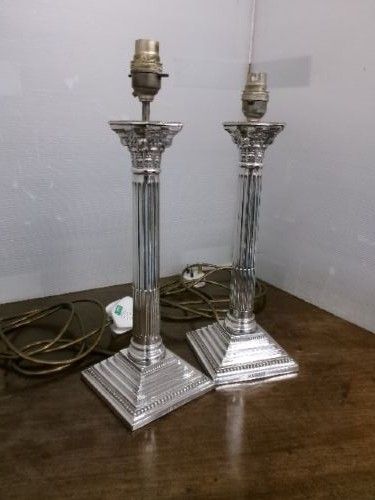
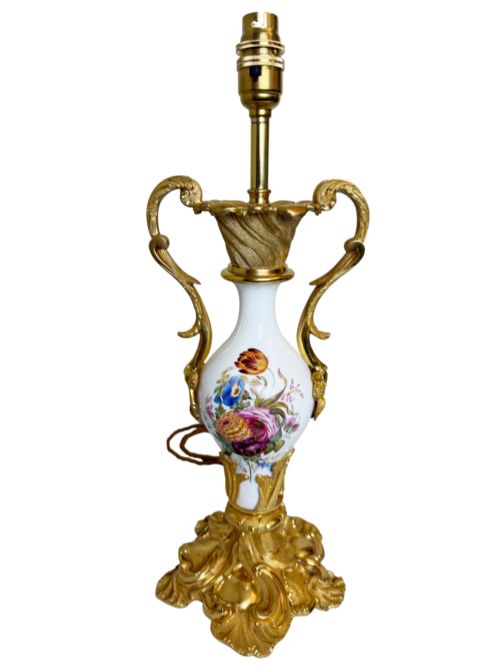
When you search for an antique electric table lamp, you encounter pieces that began life as oil lamps, candelabra, or candlesticks before receiving modern wiring. Many examples stem from the Victorian and Edwardian eras, utilising solid brass, silver plate, or gilt bronze foundations.
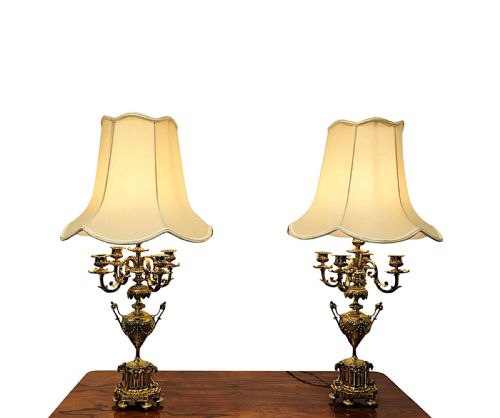
The selection on this page relies heavily on converted lighting forms, such as Corinthian column oil lamps and multi-branch candelabra adapted for domestic electricity. These objects span from the early nineteenth century through the art deco period, reflecting diverse historical revival styles.
Buyers frequently select pairs of table lamps or single large columnar bases to anchor a room scheme. The materials range from heavy cast metals to delicate porcelain and crystal, offering both utilitarian task light and sculptural presence.
How they were made
The construction of these lamps combines heavy metal casting with skilled hand finishing. Founders shaped brass, bronze, and ormolu using sand casting or stamping techniques, then chased the surface details by hand.
Conversion work involved threading electrical cable through existing oil font channels or candle sockets, often preserving the original burner mechanisms or gallery mounts. Glass components, including opaline shades and cut crystal drops, were mouth blown and hand polished.
Several Victorian cherubs appear to be hard at work conducting an orchestra from the base of a converted oil lamp.
What varies in quality
The distinction between ordinary and exceptional pieces rests on the crispness of the casting and the thickness of the metal. Superior examples display sharply defined acanthus leaves on Corinthian capitals and deeply chased relief on bronze bases rather than soft, mass produced contours.
Proportion and weight also dictate worth, as sturdier columns and substantial bronze mounts command greater presence. Original mercury gilding or heavy silver plating patinates differently over decades compared to modern chemical treatments.
WAS Benson·Walter Latham & Son
The Antique Electric Table Lamp Glossary
- Corinthian column
- A classical architectural column form featuring ornate acanthus leaf capitals, frequently utilised for nineteenth century tall table lamps.
- Ormolu
- Gilt bronze created by applying finely ground high karat gold to a bronze base, yielding a warm, durable metallic lustre.
- Candelabra
- A branched lighting fixture holding multiple candles, often adapted later to house electrical lamp holders.
- Font
- The oil reservoir section of a nineteenth century lamp, which remains central to the silhouette of converted pieces.
- Spelter
- An alloy of zinc and lead used as a less expensive alternative to bronze for decorative figures and lamp bases.
Antique Electric Table Lamp: Frequently Asked Questions
How do I date an antique electric table lamp?
Dating relies on stylistic clues, manufacturing techniques, and the materials used in the base structure. Victorian Corinthian columns and Edwardian silver plate differ visibly from heavier art deco wrought iron or earlier Napoleon III bronze work.
Examining the weight, the method of metal joining, and any stamped maker marks or registry numbers helps narrow the production decade.
Were these always electric lamps?
Most antique examples began as oil lamps, candelabra, or candlesticks that were later converted to run on electricity. The conversion process typically involved running wiring through the central oil channel or adapting the burner assembly.
This adaptation allows historical lighting forms to function safely in modern interiors while retaining their original patination and craftsmanship.
Are converted oil lamps difficult to place in a room?
Converted oil lamps and candelabra offer considerable height and sculptural presence, making them well suited for sideboards, large desks, or hall tables. Their substantial metal or ceramic bases anchor them securely in traditional or eclectic room schemes.
Pairing matching columns or candelabra creates visual balance on dual mantelpieces or bedside chests.
What metals are commonly found on these lamps?
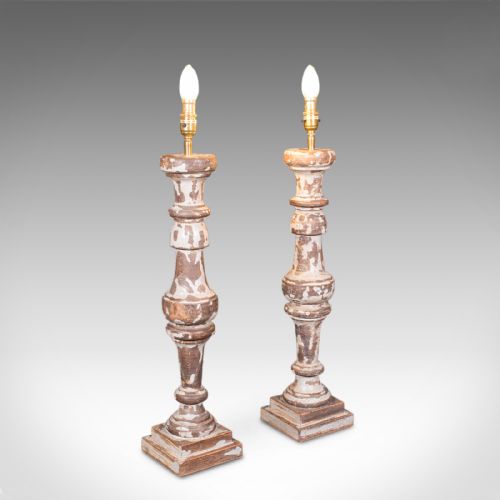
Brass and silver plate dominate the selection, often accompanied by gilt bronze, ormolu, and copper. Some pieces incorporate crystal drops, marble plinths, or painted pine sections for added texture.
These materials acquire a natural age patina that distinguishes antique metalwork from modern reproductions.