



Antique Eglomise Portrait
These antique eglomise portrait pieces bring reverse-painted glass and delicate silhouettes into your home, offering a glimpse of Georgian and Regency craftsmanship.
Antique Eglomise Portrait
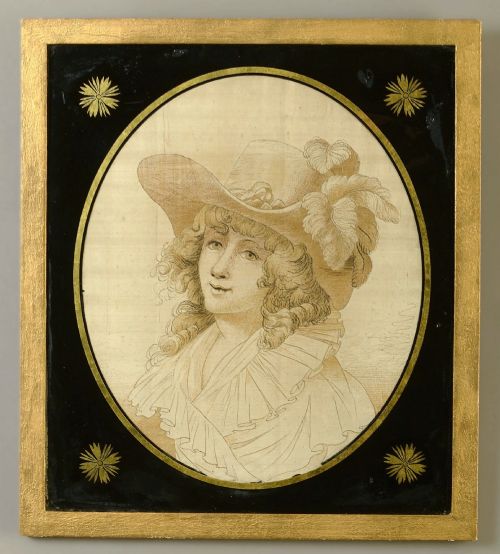
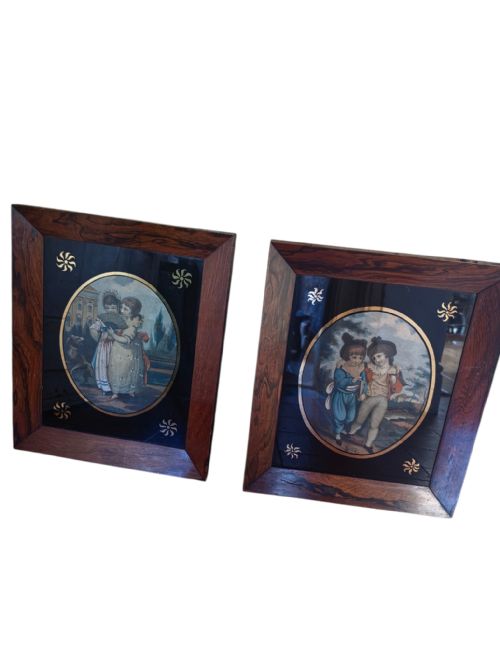
An antique eglomise portrait presents detailed likenesses created through reverse painting on glass or delicate silhouette work from the Georgian and Regency periods. These artworks often capture fashionable ladies, children, or gentlemen within compact frames of wood, rosewood, or ebonised timber.
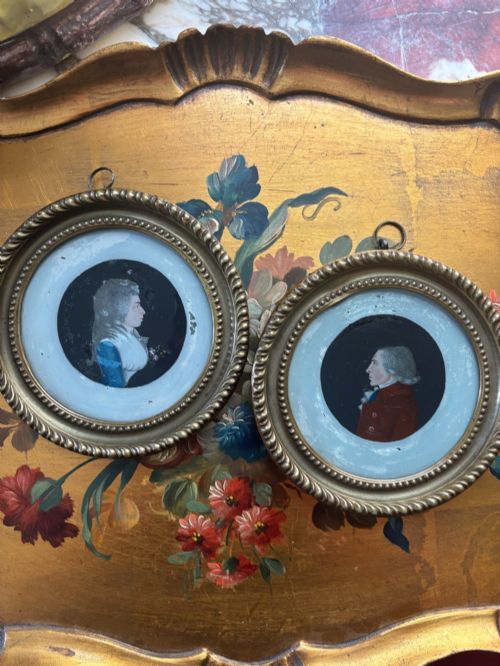
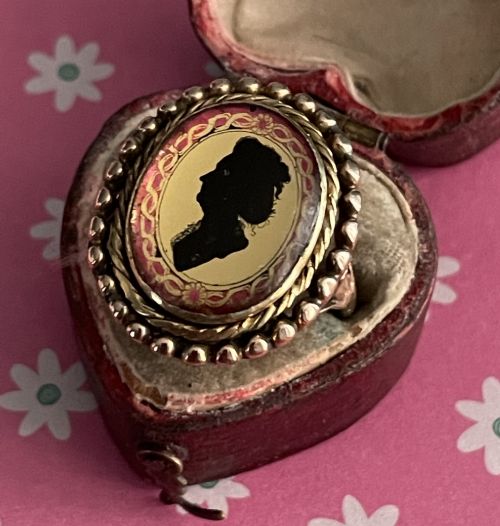
The versions most commonly met on this page include miniature marriage portraits, silhouette rings, and framed reverse glass prints dating from the eighteenth and nineteenth centuries. Alongside these glass works, related pieces emerge in woven silk and embroidery.
Makers such as John Miers appear among the listings, alongside items reflecting Neoclassical and French Empire styles. Each piece serves as a compact window into historical portraiture, executed with pigment, gold leaf, and silk.
How they were made
Artisans applied pigment and gold leaf directly to the reverse side of glass plates, creating a finished image that shines through with distinct clarity. This technique requires steady precision, as mistakes on the rear surface cannot be easily corrected.
Frames fashioned from rosewood, ebonised wood, and giltwood encase these delicate glass panels and textile works. Silkwork pictures and woven silk portraits incorporate fine threads alongside traditional mounting methods to secure the fabric.
Antique Eglomise Portrait Retail Price Guide 2026
Typical asking prices for eglomise portrait among the pieces listed under this phrase on Sellingantiques today, from the lower quarter to the upper quarter. They describe what is for sale here now, not the wider market.
Marriage portraits painted on glass ensured couples could gaze upon each other with lasting shine, even if the soup grew cold.
What varies in quality
The preservation of the glass and the originality of the surrounding wooden frame contribute significantly to the character of each piece. Intact backing materials and clear, unclouded reverse painting retain the intended visual impact.
John Miers·Elizabeth Hudson
The Antique Eglomise Portrait Glossary
- Eglomise
- A method of applying gold leaf and pigment to the reverse of glass. This process creates a reflective and glossy finish when viewed from the front.
- Silhouette
- A solid shape of a person's profile, usually filled in with dark pigment or cut from paper. These profiles gained popularity for portable likenesses before photography.
- Reverse glass print
- An image transferred or painted onto the back of a glass panel. Viewers observe the finished picture through the glass itself.
- Silkwork
- Embroidery created using fine silk threads on a fabric ground. These needlework pieces often depict figures or classical scenes.
- Giltwood
- Wood that has been covered with a thin layer of gold leaf or gilt paste. It frequently forms the decorative border of period frames.
Antique Eglomise Portrait: Frequently Asked Questions
What is an eglomise portrait?
An eglomise portrait is an artwork created by painting or applying gold leaf to the reverse side of a glass panel. This technique gives the image a smooth, reflective surface when viewed from the front.
These pieces often take the form of miniature portraits or silhouettes framed in wood or gilt materials. They date primarily from the Georgian and Regency eras.
How do I date a glass portrait?
Dating relies on the style of the frame, the costume of the sitter, and documented markers like signatures or dates on the reverse. Georgian and Regency pieces often feature specific clothing styles and ebonised wood frames.
Examining the materials, such as early paper types and hand-blown glass panels, helps narrow down the period of production.
Are silkwork pictures related to eglomise?
Silkwork pictures share the same historical period and decorative impulse as glass portraits, focusing on framed visual art. While eglomise uses glass and gold leaf, silkwork employs needle and thread on fabric.
Both forms offer a glimpse into domestic portraiture and decorative arts from the eighteenth and nineteenth centuries.