




Antique Edinburgh Silver
These pieces of antique edinburgh silver bring forth the distinct marks of Scottish assay offices on domestic items, tableware, and personal silver.
Antique Edinburgh Silver
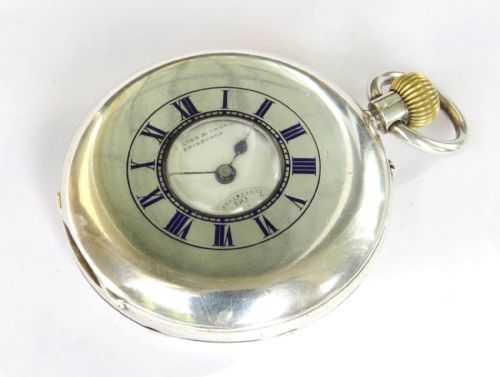
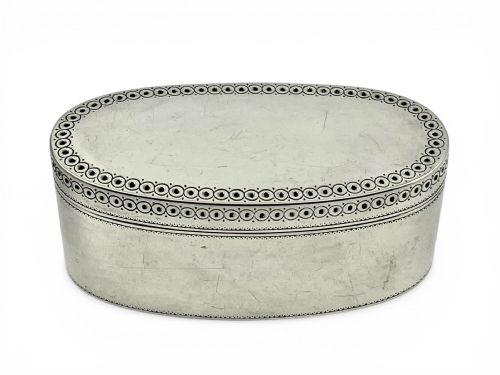
You also meet smaller personal accessories, including snuff boxes, vinaigrettes set with agate, pocket watches, and brooches incorporating citrine, ram's horn, or coconut. Pieces range from early eighteenth-century Queen Anne and George I items through Georgian, Victorian, and Edwardian periods up to the early twentieth century.
The version most commonly met on this page is the functional domestic piece or flatware bearing regional Edinburgh hallmarks, reflecting the shifts in domestic dining and personal adornment across different reigns.
Materials and construction
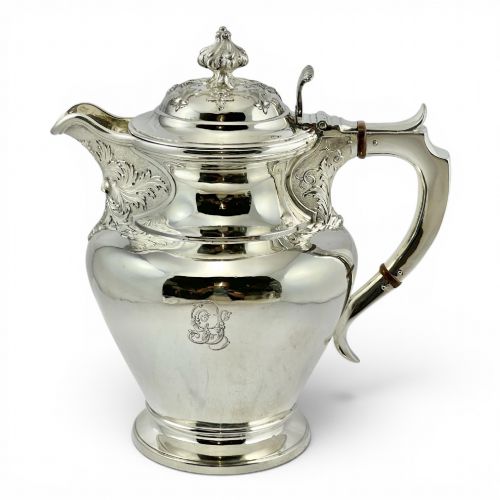
The primary material across these objects is sterling silver or standard Scottish silver, shaped through hammering, casting, and piercing depending on the form. Hollowware pieces like teapots, water jugs, and bowls involve raised bodies soldered to bases and fitted with cast handles or finials.
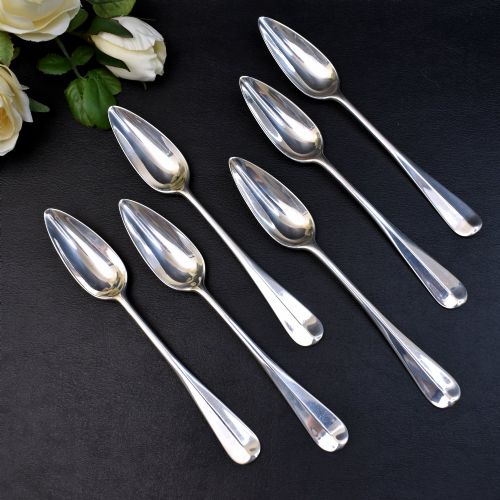
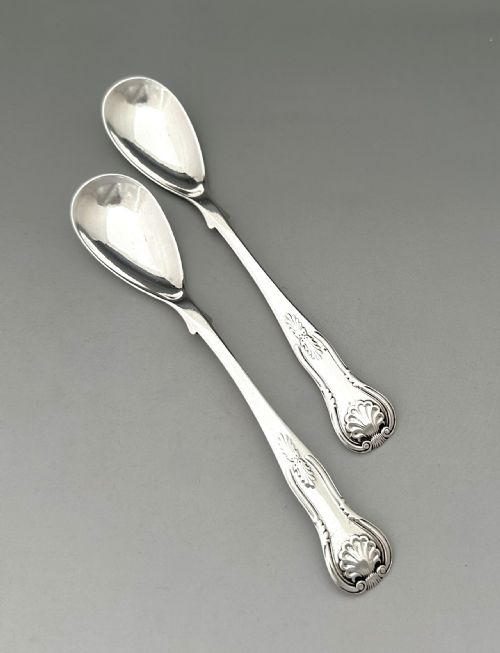
Flatware is forged from solid silver bars, while decorative smalls and brooches frequently combine silver mounts with organic or mineral elements such as agate, citrine, wood, glass, or horn. Maker's marks, date letters, and assay office symbols are punched directly into the metal surface after completion.
Assessing quality and craftsmanship
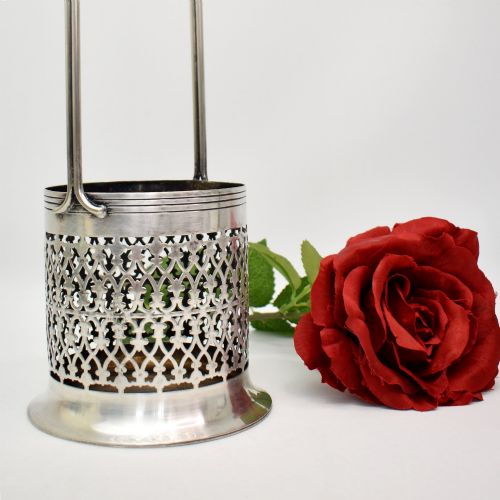
Quality in these items rests upon the crispness of the assay stamps, the integrity of the original construction, and the balance of the form. Early cast elements, hand-engraved crests, and piercing work show the technical skill of makers working in the Edinburgh workshops.
Preservation of original surface detail, minimal wear to hallmarks, and the weight of the silver relative to the object type distinguish finer examples from standard production pieces.
Hamilton & Inches·Brook & Son·John Edmonstone·James Tait·Robert Gordon·John Kincard·Richard Rae·Mackay & Chisholm·Alexander Henderson·Patrick Robertson
The Antique Edinburgh Silver Glossary
- Assay office
- The official body responsible for testing the purity of precious metals and stamping items with hallmarks. The Edinburgh assay office uses the triple castle mark.
- Hallmark
- A series of official marks stamped on precious metal items to show the standard of silver, the maker, the assay office, and the year of assay.
- Quaich
- A traditional Scottish two-handled drinking vessel, often constructed in the form of a shallow bowl or a wooden barrel with silver staves.
- Vinaigrette
- A small ornamental box fitted with an internal pierced grille, holding a sponge soaked in aromatic vinegar.
- Rat tail
- A prominent spine running down the back of a spoon bowl, reinforcing the join between the bowl and the handle on early pieces.
Antique Edinburgh Silver: Frequently Asked Questions
What is antique edinburgh silver?
These items comprise silverware, flatware, and personal accessories assayed and marked in Edinburgh, Scotland, across several centuries. They include domestic table items and personal items made from sterling silver.
Makers in the city produced everything from large coffee pots and tea caddies down to small vinaigrettes and pocket watches, all bearing the distinct Edinburgh town mark.
How do I date antique edinburgh silver?
Dating relies on the specific letter punches used as date marks by the Edinburgh assay office alongside maker marks and duty marks. Comparing the stamped letters against recorded assay tables establishes the exact year of production.
Style, form, and secondary stamps such as the king's head sovereign duty mark also help narrow the manufacturing period.
What are Scottish provincial silver marks?
Provincial marks refer to maker stamps used outside the main incorporated assay offices like Edinburgh, though Edinburgh itself operated as the primary Scottish statutory office. Items marked in Edinburgh carry the official castle symbol rather than provincial maker symbols alone.
Understanding these town marks distinguishes items made in the capital from those produced in other Scottish burghs.
How should I care for antique silver?
Silver requires gentle cleaning using non-abrasive cloths and specialised silver polishes only when tarnish obscures the surface and details. Frequent heavy polishing removes thin layers of metal and softens crisp hallmarks over time.
Storing pieces in dry conditions away from rubber and direct sunlight protects both the silver surfaces and any set stones like citrine or agate.