



Antique Ecclesiastical Cross
These antique ecclesiastical cross selections bring historic ritual and fine metalwork into modern interiors.
Antique Ecclesiastical Cross
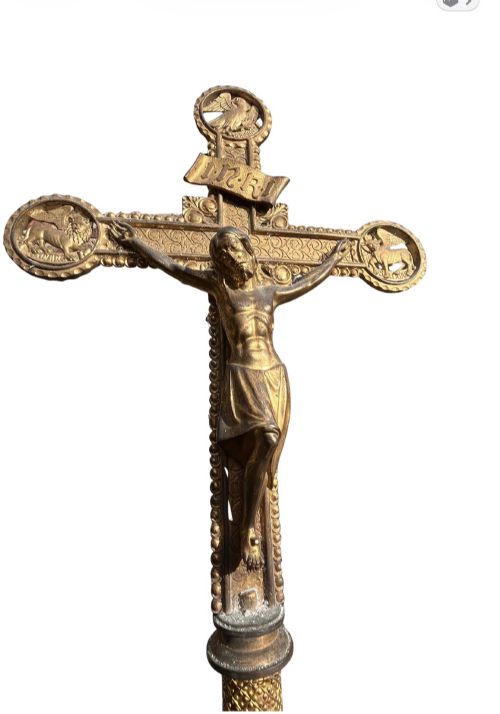
When searching for an antique ecclesiastical cross, buyers encounter items rooted in centuries of devotional tradition and liturgical practice. These pieces span centuries of craftsmanship, ranging from processional brass objects to smaller domestic devotional items.
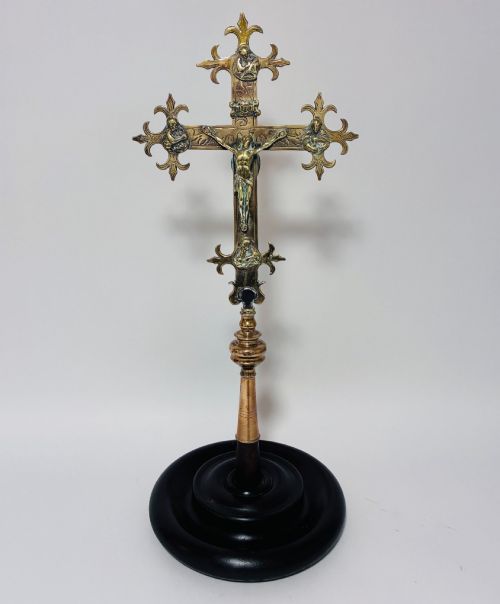
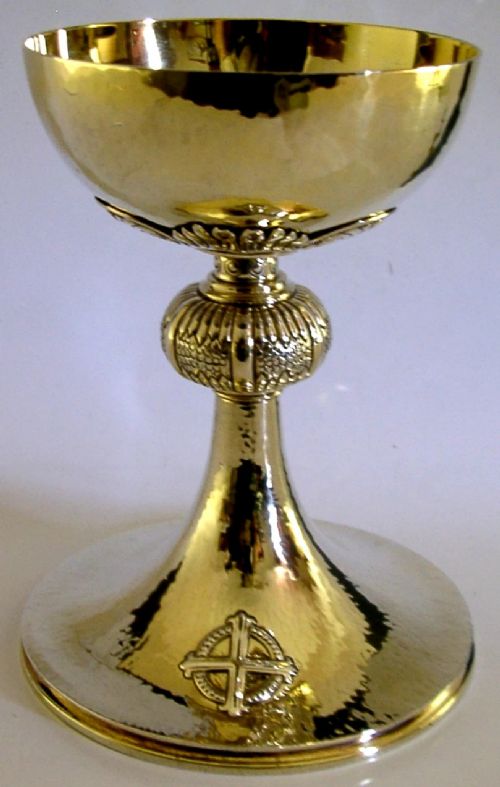
The selections on this page commonly feature brass and silver gilt forms alongside wooden carvings. Objects date from the sixteenth century through to the mid-twentieth century, capturing shifts in religious art and material culture.
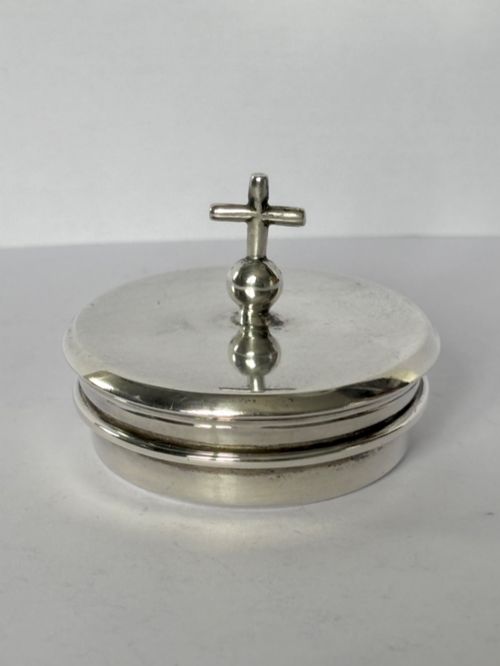
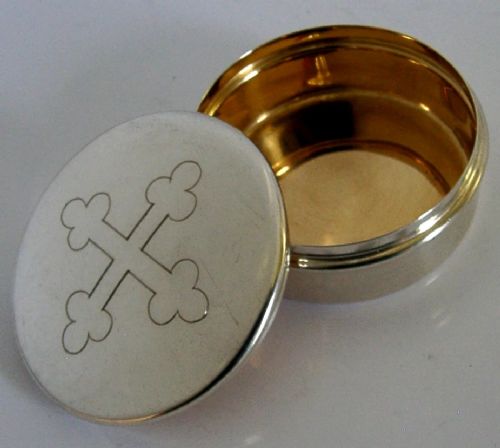
Gothic revival and Victorian styles dominate the aesthetic range, alongside earlier sixteenth-century Franco-Spanish items. Buyers also find related liturgical artefacts such as pyx boxes and relief sculptures depicting Christ on the way to Calvary.
How they were made
Metal items rely on traditional casting, engraving, and gilding techniques, particularly evident in brass processional crosses and silver gilt pyx boxes. Artisans shaped copper and brass through heavy casting before applying surface engraving and gilding.
Wooden artefacts utilise oak and pine, shaped through detailed hand carving to produce relief sculptures and lecterns. Parian ware objects demonstrate fine ceramic moulding, creating smooth, matte surfaces that mimic carved marble.
Antique Ecclesiastical Cross Retail Price Guide 2026
Typical asking prices for ecclesiastical cross among the pieces listed under this phrase on Sellingantiques today, from the lower quarter to the upper quarter. They describe what is for sale here now, not the wider market.
One nineteenth-century maker evidently decided that a religious cross simply had to double as a delicate scent bottle.
What varies in quality
Quality in these items depends upon the crispness of the hand engraving and the depth of relief in carved wooden figures. Pieces featuring detailed figural work and precise metal chasing represent higher standards of period craftsmanship.
The integrity of the original gilding and the weight of the cast metal distinguish finer examples from standard production pieces. Material selection also dictates quality, with sterling silver and lapis lazuli accents marking superior tiers of manufacture.
F. Osbourne And Co London
The Antique Ecclesiastical Cross Glossary
- Processional cross
- A large crucifix mounted on a long shaft, designed to be carried at the head of a religious procession. These objects are typically cast in heavy brass or bronze.
- Pyx box
- A small round container used in Christian ministry to carry the Eucharist. Examples often feature hinged lids and intricate gilt engraving.
- Parian ware
- A type of unglazed biscuit porcelain developed in the nineteenth century to imitate white marble. It was frequently utilised for decorative figures and small vessels.
- Silver gilt
- Silver objects that have been coated with a thin layer of gold through fire gilding or electroplating. This technique provides the rich appearance of solid gold while utilising a strong silver base.
- Gothic revival
- An architectural and decorative style that drew inspiration from medieval design. It gained widespread popularity during the Victorian era for ecclesiastical furnishings.
Antique Ecclesiastical Cross: Frequently Asked Questions
What is an ecclesiastical cross?
An ecclesiastical cross is a devotional object created for church use or private worship. These items include processional crosses, altar crucifixes, and wall-mounted pieces.
They reflect the liturgical needs and artistic styles of their respective periods, ranging from sixteenth-century European metalwork to twentieth-century church furnishings.
How are brass crosses dated?
Dating brass items involves examining the casting methods, wear patterns, and stylistic markers specific to eras like the eighteenth or nineteenth century. Earlier pieces often display rougher sand-casting textures and hand-finished engraving.
Comparing the decorative motifs, such as Gothic revival flourishes, helps narrow down the period of manufacture alongside any maker marks.
Where were these pieces used?
These artefacts originated in churches, chapels, and domestic prayer spaces across Britain and continental Europe. Processional crosses led religious services, while smaller items served in private devotions.
Today, collectors place them in studies, living rooms, and hallways as focal points of historic design and spiritual heritage.
How do I care for silver gilt?
Silver gilt requires gentle maintenance to preserve the delicate gold layer over the underlying silver base. Avoid harsh chemical polishes that can wear away the gilding over time.
Dusting with a soft, dry cloth is usually sufficient to maintain the surface sheen of historic metalwork and pyx boxes.