

Antique Easel Stand
An antique easel stand holds a canvas, plate, or photograph for display, combining practical adjustment with decorative woodwork or metalwork.
Antique Easel Stand
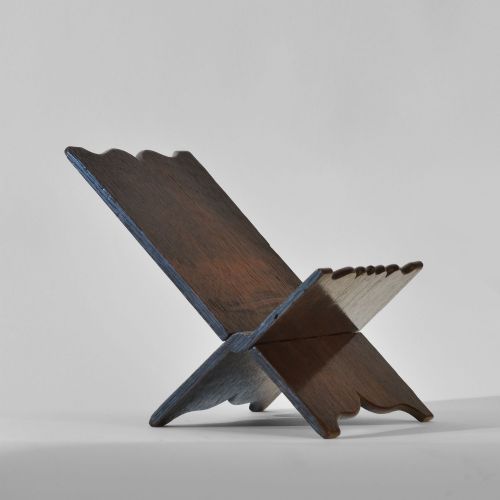
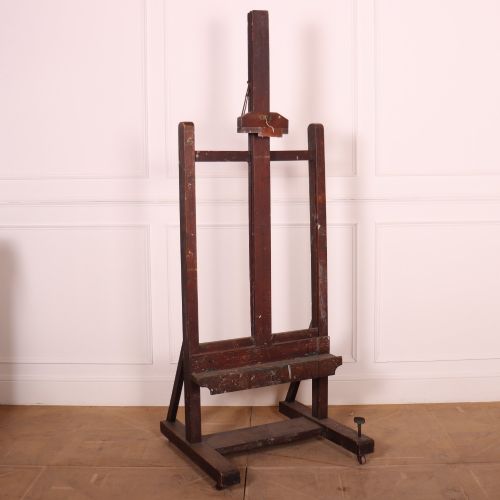
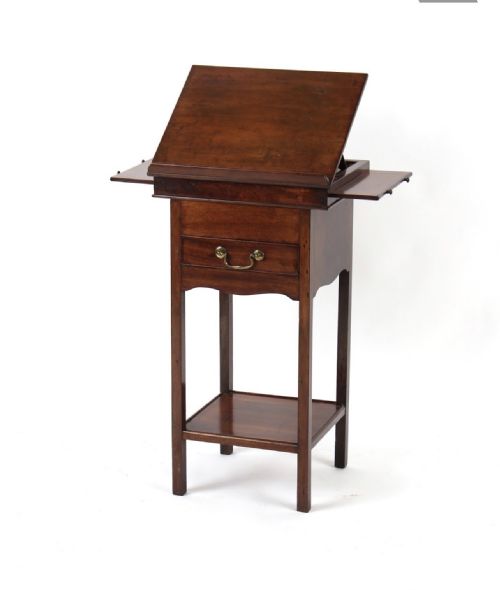
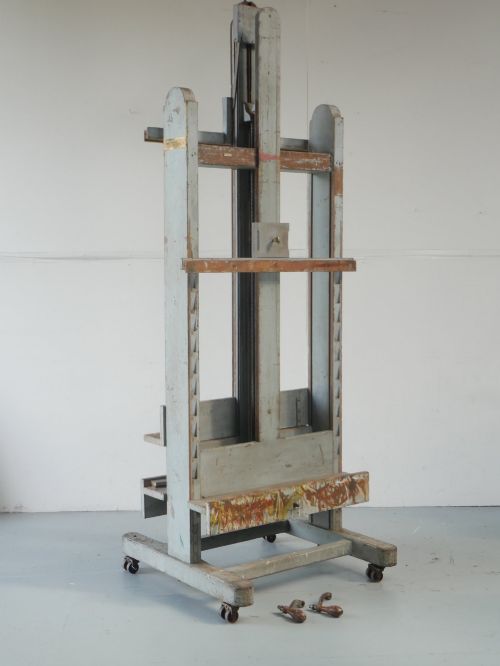
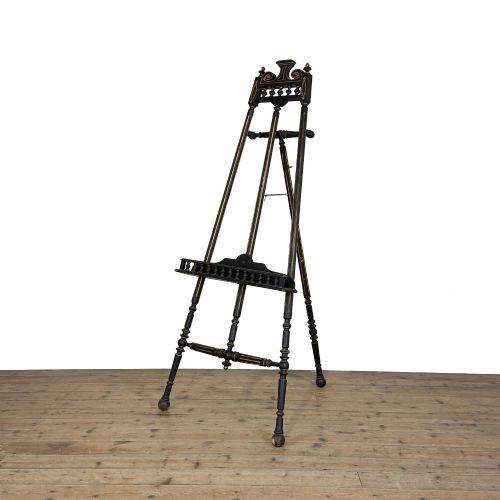
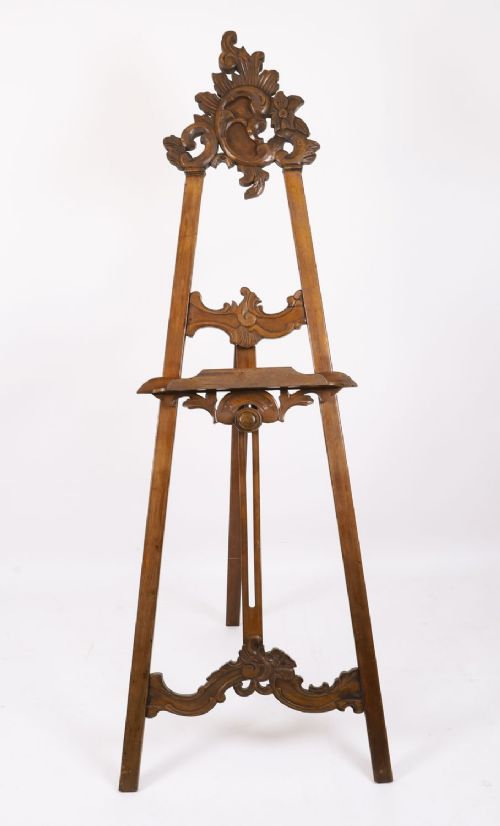
An antique easel stand serves to support paintings, photographs, books, or decorative plates in domestic and studio settings. These pieces range from substantial, fully adjustable studio furniture to delicate tabletop designs meant for a desk or dressing table.
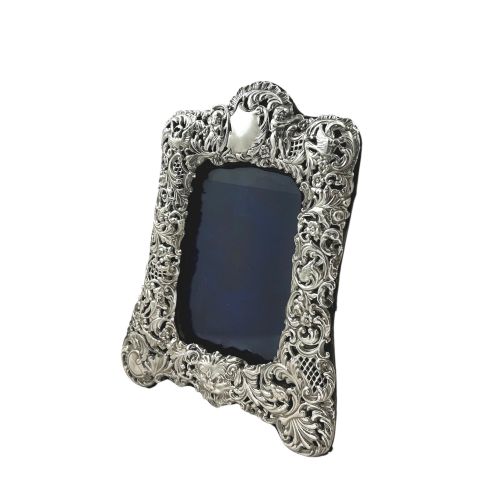
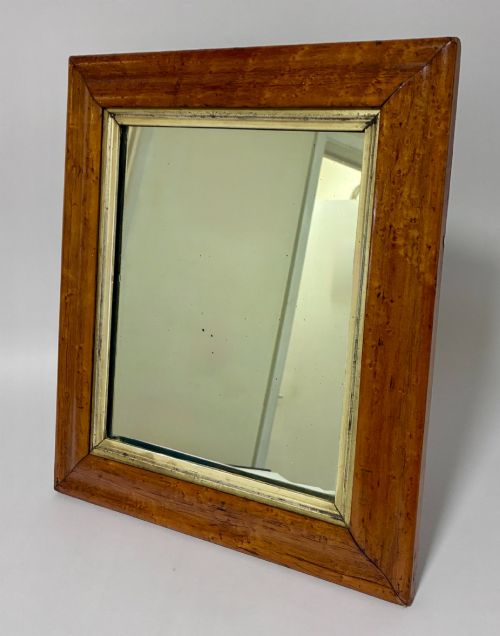
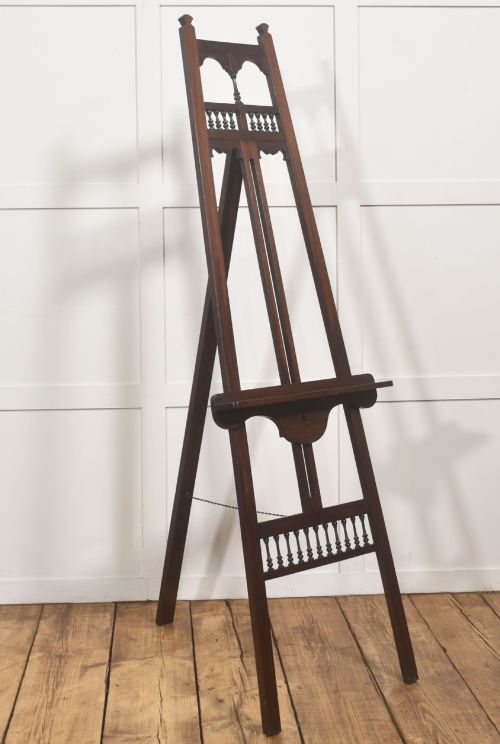
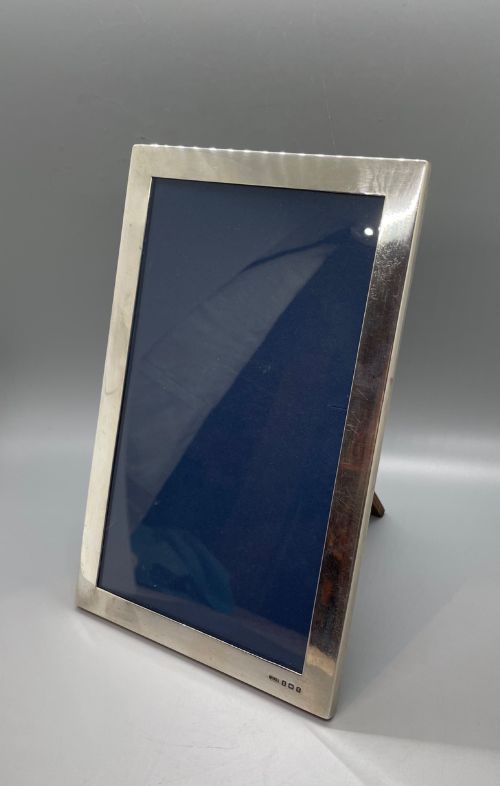
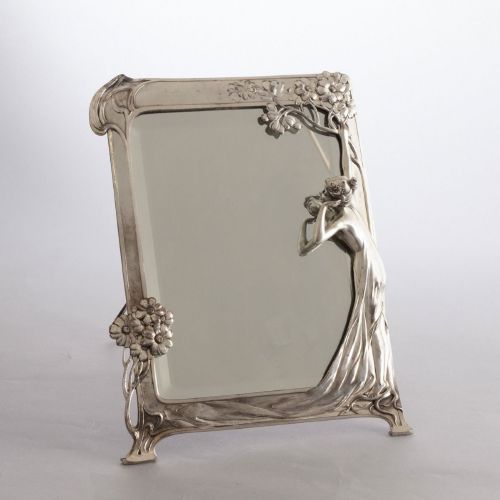
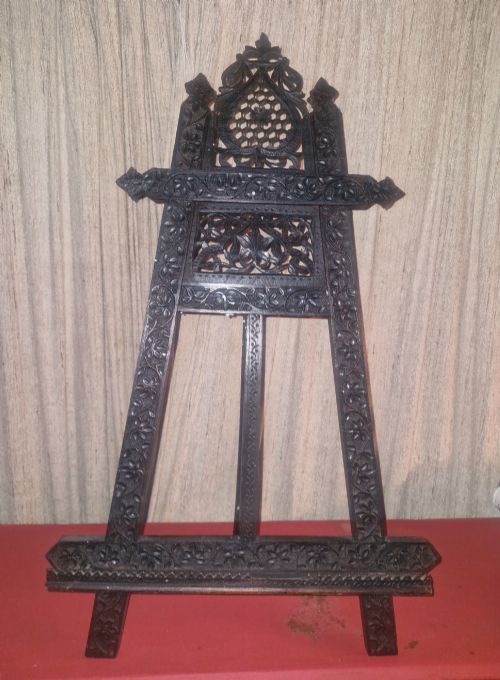
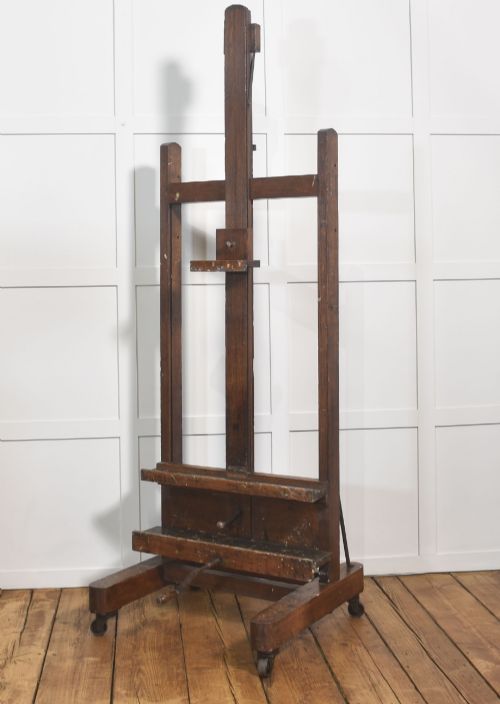
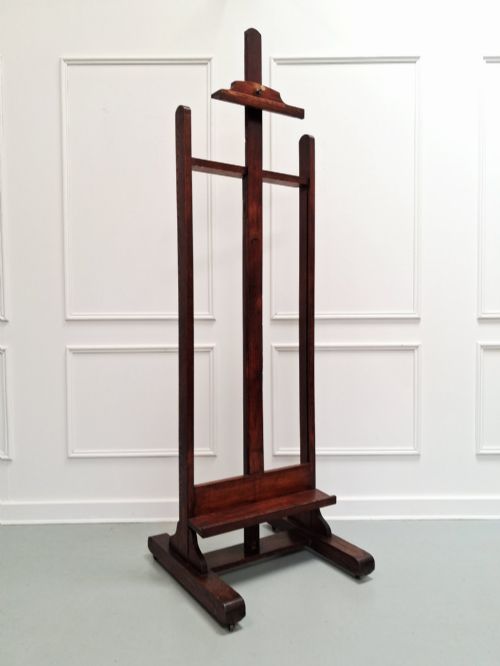
The selections found here frequently span the nineteenth century and the early twentieth century, taking forms such as floor-standing artist models, tabletop picture frames, and display easels in oak, mahogany, and walnut.
Victorian and Edwardian examples predominate, alongside earlier Regency and William IV pieces, reflecting the changing interior fashions for displaying art and family portraits during those periods.
Materials and construction
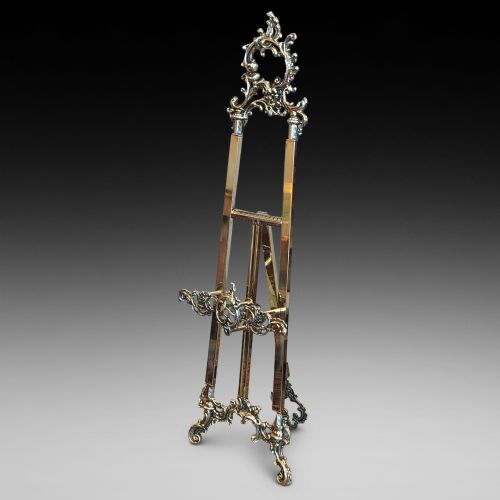
Cabinetmakers utilised hardwoods such as oak, mahogany, and walnut for structural stability, particularly on larger studio and floor-standing models. Finer tabletop accessories incorporated cast metals, brass, sterling silver, and carved lime wood.
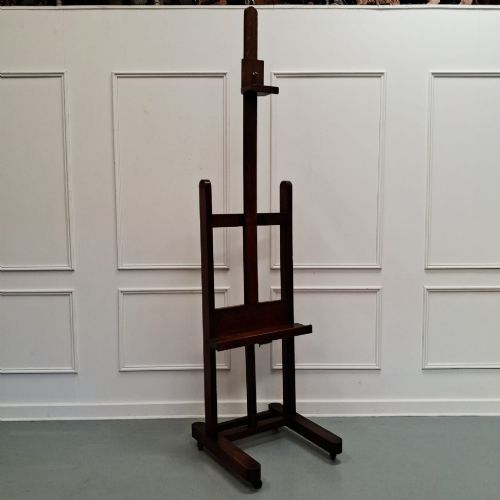
Joinery methods varied by function, with heavy studio stands employing mechanical ratchets and winding handles for height adjustment. Smaller display pieces utilised hinged struts, carved detailing, and gilt bronze mounts.
Antique Easel Stand Retail Price Guide 2026
Typical asking prices for easel stand among the pieces listed under this phrase on Sellingantiques today, from the lower quarter to the upper quarter. They describe what is for sale here now, not the wider market.
Listings feature oak, mahogany, walnut, and sterling silver across Victorian, Edwardian, and Regency periods.
What determines quality
Quality rests upon the integrity of the mechanical adjustments and the crispness of the carving or metalwork. Studio pieces rely on smooth-working ratchets and sturdy frames, while decorative tabletop stands depend on the fineness of the cast brass, silver, or carved wood.
Material selection and proportion separate standard utility items from finer examples. Well-figured timbers and fully intact hardware indicate superior original manufacture.
WMF
The Antique Easel Stand Glossary
- Chevalet
- A small table easel or desktop stand designed to hold an artist's panel or a small picture. These compact pieces offer adjustable angles for working or viewing.
- Repoussé
- A metalworking technique where the design is hammered into relief from the reverse side. This method appears frequently on Edwardian brass and silver frames.
- Champlevé
- An enamelling technique where troughs are dug into a metal surface and filled with vitreous enamel before firing. It is often seen on late nineteenth-century French desk accessories.
- Strut
- A hinged support attached to the back of a mirror or photograph frame to keep it upright. Edwardian examples often paired silver fronts with black leather backs.
- Giltwood
- Timber that has been coated with a thin layer of gold leaf. This finish defines many Renaissance and Rococo style mirrors and display stands.
Antique Easel Stand: Frequently Asked Questions
What is the difference between a studio easel and a display stand?
Studio models are heavy, floor-standing pieces built with mechanical ratchets to hold large canvases while artists work. Display stands are lighter, often intended for tabletops to exhibit photographs, books, or plates.
Floor-standing examples prioritise robust adjustment mechanisms, whereas tabletop versions focus on decorative frames and carved or cast details.
How do I date an antique wooden easel?
Dating relies on the timber used, the style of carving, and the mechanical hardware. Mahogany and walnut are common in nineteenth-century pieces, while oak frequently appears in Arts and Crafts or Edwardian designs.
Examine the joints and screw threads, as hand-cut screws and traditional dovetailing generally indicate earlier nineteenth-century manufacture rather than later twentieth-century production.
Were these stands used exclusively by artists?
Many larger examples served painters in studios, but a significant portion of surviving pieces were made for domestic display. Tabletop mirrors, reading stands, and picture display easels belonged in drawing rooms and libraries.
Victorian and Edwardian households utilised these stands to display portrait photographs, decorative plates, and large bound books.
How do I care for silver and brass components on these stands?
Metal mounts and frames require gentle dusting with a soft cloth to prevent the accumulation of dirt in recessed areas. Avoid harsh chemical polishes that can strip original patination or damage surrounding wood.
For silver-mounted tortoiseshell or leather-backed pieces, keep the stand away from direct sunlight and damp environments to protect the organic materials.