





Antique Earthenware Tankard
An antique earthenware tankard is a sturdy drinking vessel built for ale, cider and spirits, prized for its tactile weight and historic character.
Antique Earthenware Tankard
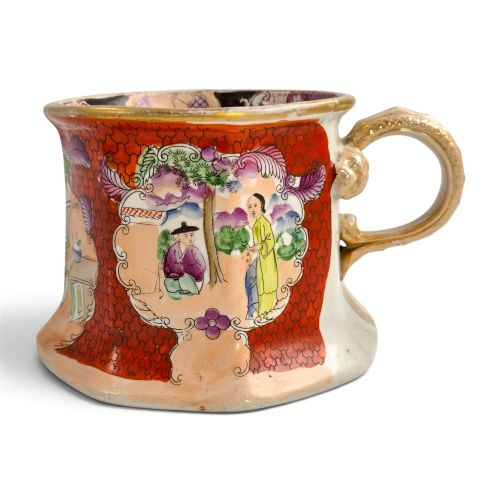
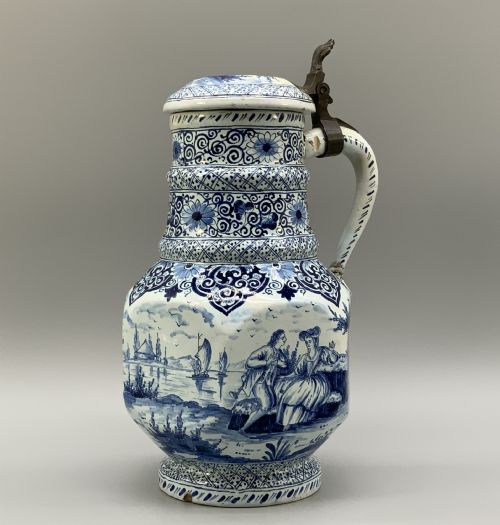
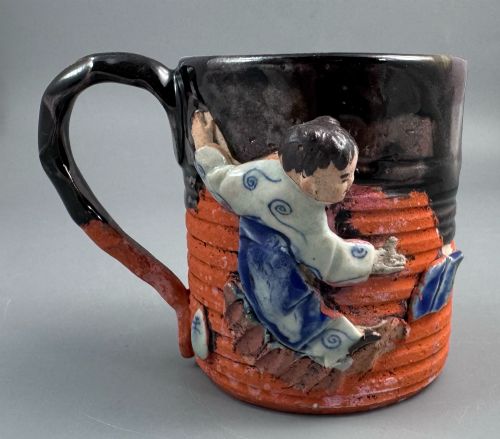
When you search for an antique earthenware tankard, you encounter robust drinking vessels spanning the seventeenth, eighteenth and nineteenth centuries. These pieces encompass English country pottery, Dutch Delftware, German folk art and Japanese Sumida Gawa ceramics.
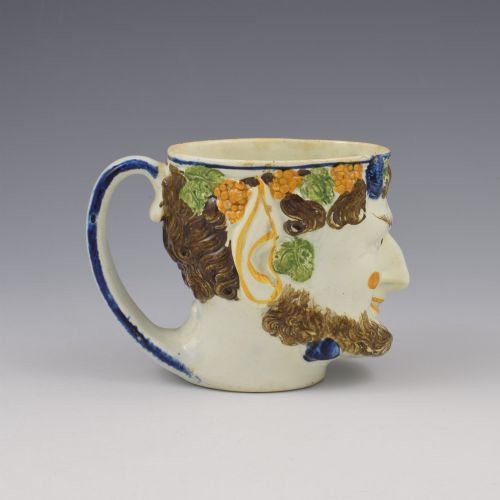
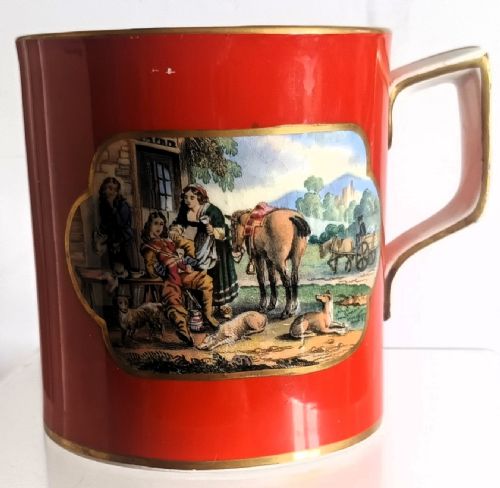
The selections available here range from simple slipware jugs to pearlware commemorative pieces and Victorian transfer-printed mugs. Many examples feature practical handles, while others incorporate whimsical interior frogs or pewter lids.
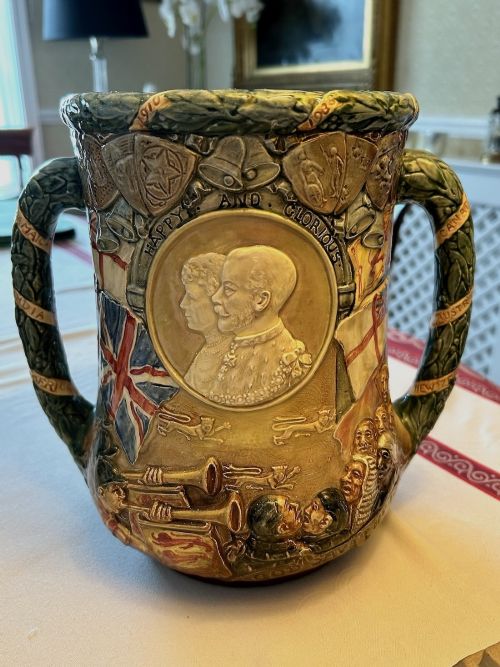
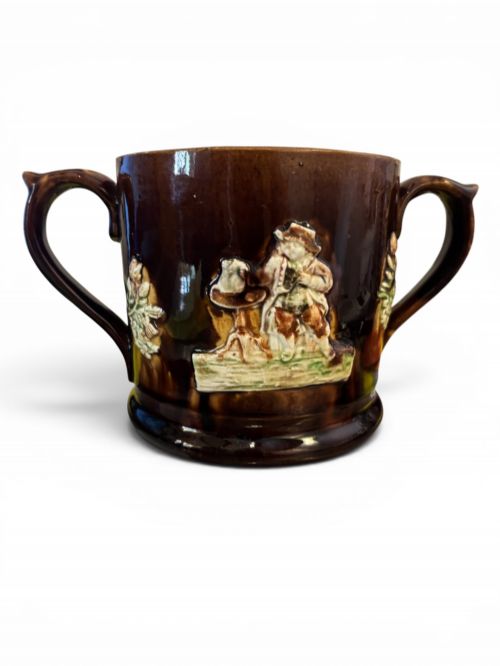
Makers and regional potteries from Staffordshire to Japan shaped these vessels for daily tavern use or specific royal jubilees. You will find both single-handled beer steins and two-handled loving cups among the current selection.
Materials and construction
Potters built these vessels using earthenware and pearlware ceramic bodies, frequently coating them in tin glaze, salt glaze or colourful enamel. Pewter mounts appear on lids and rims to strengthen the porous clay against frequent use.
Decoration techniques vary from hand-painted blue and white motifs to applied figural elements and black and white transfer printing. Slipware traditions utilise liquid clay trails for surface patterns on seventeenth-century pieces.
Antique Earthenware Tankard Retail Price Guide 2026
Typical asking prices for earthenware tankard among the pieces listed under this phrase on Sellingantiques today, from the lower quarter to the upper quarter. They describe what is for sale here now, not the wider market.
Several centuries ago, unsuspecting tavern drinkers faced ceramic amphibians lurking quietly at the bottom of their ale.
Assessing quality and character
Quality rests upon the crispness of the moulded relief, the dexterity of hand-painting and the stability of the glaze. Earlier pieces display the subtle irregularities of hand-thrown potting.
The presence of intact pewter hardware, original lids and clear commemorative signatures elevates a vessel. Condition remains paramount, distinguishing decorative display pieces from heavily restored tavern survivors.
Inoue Ryōsai Workshop·Sarreguemines
The Antique Earthenware Tankard Glossary
- Pearlware
- A fine-grained earthenware developed in the late eighteenth century with a bluish glaze that pooled in recesses. It imitated Chinese porcelain more successfully than standard creamware.
- Slipware
- Pottery decorated with liquid clay applied to a different coloured clay body before firing. This technique created rich linear patterns on early seventeenth-century vessels.
- Tin-glazed earthenware
- Pottery covered with an opaque white glaze containing tin oxide, providing a smooth canvas for painted pigments. Dutch Delftware and English delft utilise this method.
- Frog mug
- A drinking vessel featuring a small ceramic frog moulded inside the bottom or rim. The amphibian surprises the drinker as the liquid level drops.
- Loving cup
- A large ceramic vessel equipped with two or three handles, designed to be passed around a company for shared toasts. These often commemorated coronations or school events.
Antique Earthenware Tankard: Frequently Asked Questions
What is inside a frog mug?
A frog mug contains a small, three-dimensional ceramic frog positioned inside the base so it emerges as the drinker finishes the beverage.
Potters added these creatures as practical jokes or tavern drinking challenges during the eighteenth and nineteenth centuries.
How do I date an earthenware tankard?
Dating relies on the ceramic body type, such as early slipware versus later pearlware, alongside stylistic clues and historical commemorations.
Inscriptions, royal cyphers and specific manufacturing techniques help narrow the decade of production across the seventeenth to nineteenth centuries.
Were these tankards used for daily drinking?
Many of these vessels served practical roles in taverns and homes for consuming ale, beer and cider.
Others functioned as commemorative pieces for coronations, school records or weddings, intended primarily for display rather than daily service.