

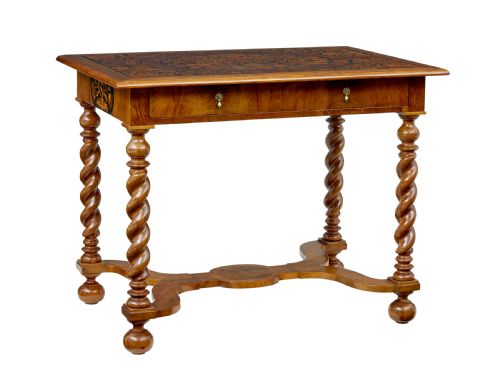
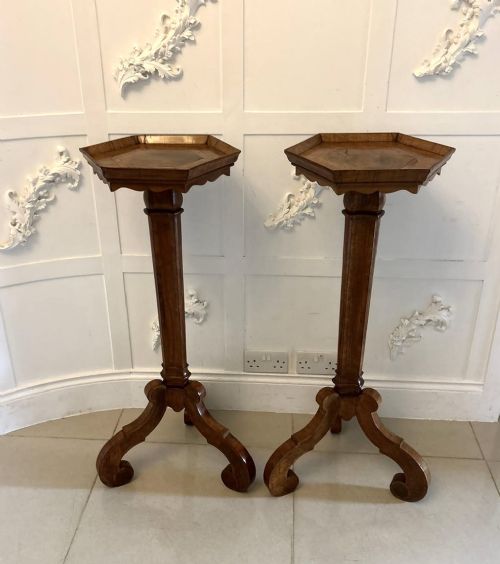





Antique Dutch Wood Carving
These pieces of antique dutch wood carving bring warmth and heavy timber presence into a room.
Antique Dutch Wood Carving
When you search for antique dutch wood carving, you encounter domestic items and sculptural objects shaped by hands across several centuries. The selection ranges from functional household tools to grand decorative panels and furniture details.
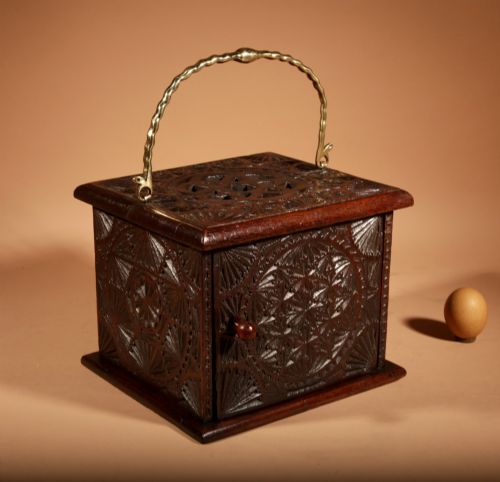
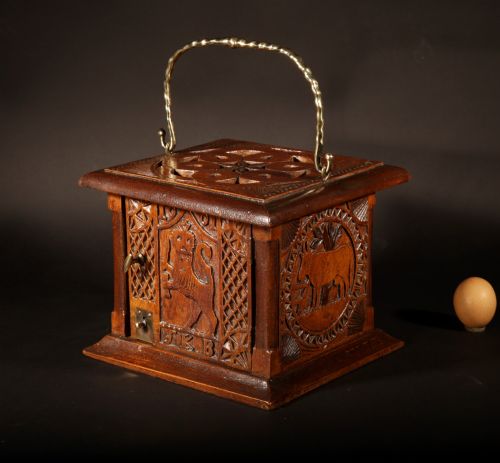
You are most likely to meet chip carved foot stoves, mangle boards, and figural reliefs alongside structural elements of oak and walnut furniture. These pieces reflect regional traditions spanning the seventeenth century through to the twentieth century.
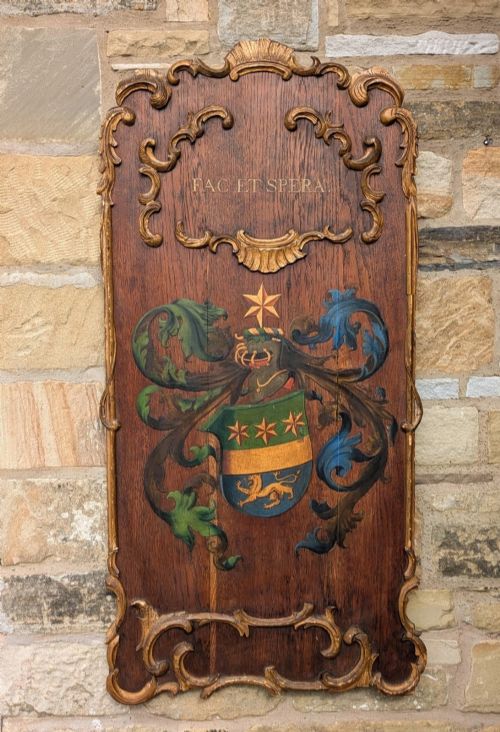
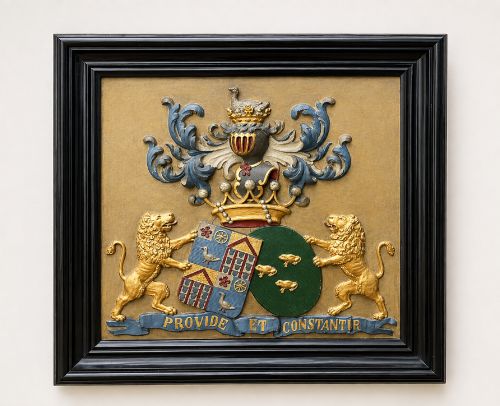
Domestic timber items often display deep relief work, geometric patterns, or heraldic motifs created for everyday use in Dutch homes. Collectors look for these forms to add texture and historical weight to contemporary or traditional interiors.
How they were made
Craftsmen shaped these items using native and imported hardwoods, predominantly oak, walnut, and fruitwoods, employing hand chisels, gouges, and knives. Surfaces frequently combine chip carving with incised line work to create geometric and floral repeats.
Many utilitarian objects receive part-painted decoration or surface patination developed through decades of domestic handling and hearth smoke. Joinery techniques rely on pegged joints, dovetails, and iron fixings appropriate to each period.
Decorative panels and domestic implements show crisp incision depths where carvers worked seasoned timber to resist warping. Tool marks remain visible beneath the finish, recording the direct interaction of blade and wood.
Antique Dutch Wood Carving Retail Price Guide 2026
Typical asking prices for dutch wood carving among the pieces listed under this phrase on Sellingantiques today, from the lower quarter to the upper quarter. They describe what is for sale here now, not the wider market.
An early carved mangle board carries the date 1661, recording a domestic chore rendered decorative enough to serve as a betrothal gift.
What varies in quality
Depth of relief and sharpness of incision distinguish master work from simple utilitarian output. Superior carvings retain clean edge definition in the timber grain without rounding off from excessive wear or over-enthusiastic sanding.
The sophistication of the design composition separates standard household items from bespoke commissions. Pieces displaying balanced proportions, crisp chip carved geometries, and confident figurative details command greater attention.
Timber selection and grain orientation affect structural stability and visual depth. Dense hardwoods allow finer detail retention and smoother surface patination over centuries of use.
Christoffel Bisschop·Hendrik Yan Wolter·Toussaint Gelton
The Antique Dutch Wood Carving Glossary
- Chip carving
- A technique of removing small chips from a wooden surface at shallow angles to form geometric patterns. This method relies on precise knife work rather than deep gouges.
- Mangle board
- A flat wooden board with a handle, used historically in Northern Europe for smoothing linen by wrapping it around a roller. They frequently feature intricate relief carving and dates.
- Foot stove
- A small wooden box perforated with holes, containing a hot coal container to warm the feet in cold buildings. They often exhibit chip carved decoration on the exterior panels.
- Marquetry
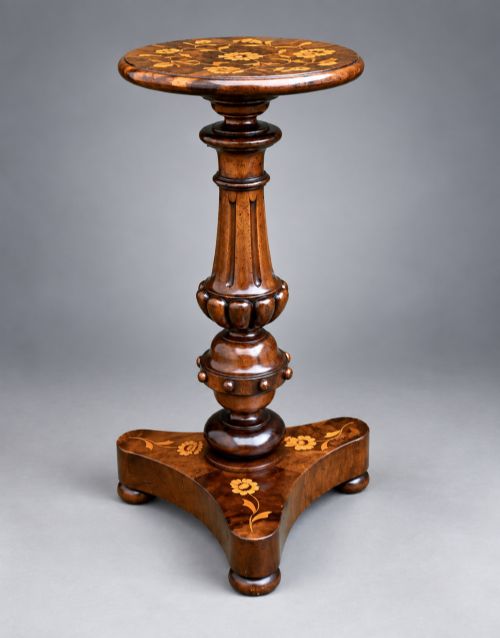
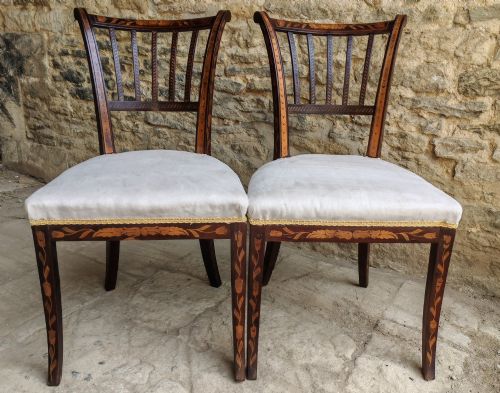
- The art of applying thin veneers of different woods to a structure to form decorative pictures or patterns. It contrasts timber colours to create pictorial depth.
- Bombe
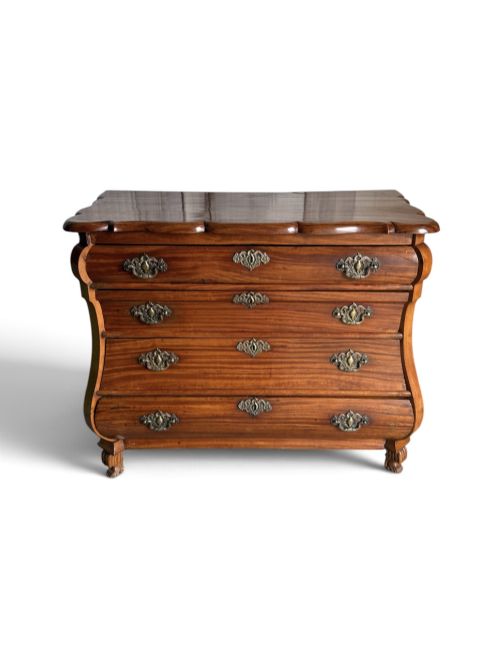
- A swollen or bulging profile characteristic of certain furniture forms from the seventeenth and eighteenth centuries. This curved shape requires skilled timber bending or solid wood shaping.
Antique Dutch Wood Carving: Frequently Asked Questions
What is a wooden foot stove used for?
These domestic items held hot embers inside a metal liner to provide personal warmth during long periods sitting in unheated churches or homes. Perforated lids allowed the heat to circulate around the user's feet.
Over time, these pieces became treasured decorative objects due to the intricate chip carved patterns adorning their oak or fruitwood bodies. Today they sit near hearths or on shelves as sculptural reminders of historical domestic life.
How do you date antique carved timber?
Dating relies on tool marks, timber species, structural assembly methods, and stylistic cues present in the carving. Seventeenth-century pieces often feature robust oak with hand-split surfaces and deep chip carving, while later examples show different wood selections and machine assistance.
Comparative analysis with dated items, such as inscribed mangle boards or marriage plaques, helps establish reliable chronological bounds. Examining the natural wear and oxidation of the wood fibres further confirms age.
How should I clean antique carved wood?
Dusting with a dry, soft-bristled brush removes particles from recessed carved areas without disturbing the underlying patination. Avoid wet cloths or modern chemical sprays that strip historical wax finishes from the timber.
Occasional application of pure beeswax preserves the moisture balance of dry hardwood and enhances the natural grain. Gentle buffing maintains the soft sheen accumulated through centuries of touch.
Where were these carvings made?
Production centred in domestic workshops across Dutch provinces, with distinct regional styles emerging in areas like Frisia. Local craftsmen utilised accessible hardwoods to produce items for everyday household utility and regional custom.
Trade networks also brought exotic timbers into workshops, expanding the palette available to urban carvers. This blend of local oak traditions and imported materials defines much of the surviving corpus.