


Antique Dutch Landscape Art
Antique dutch landscape art captures windmills, canals and rural scenes in oil paint and watercolour across several centuries.
Antique Dutch Landscape Art
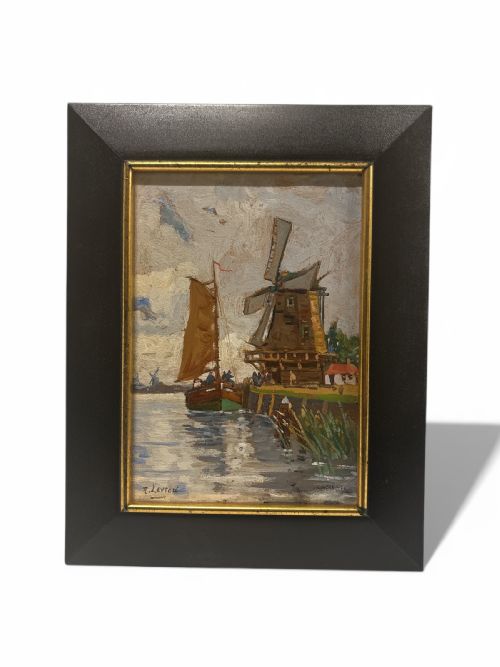
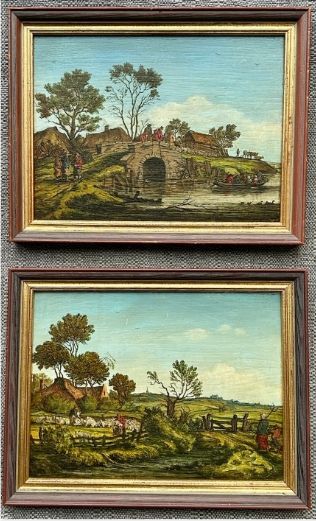
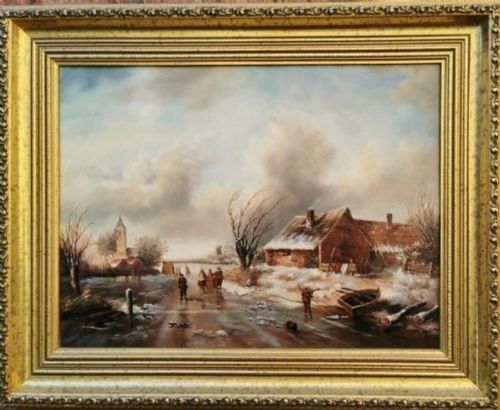
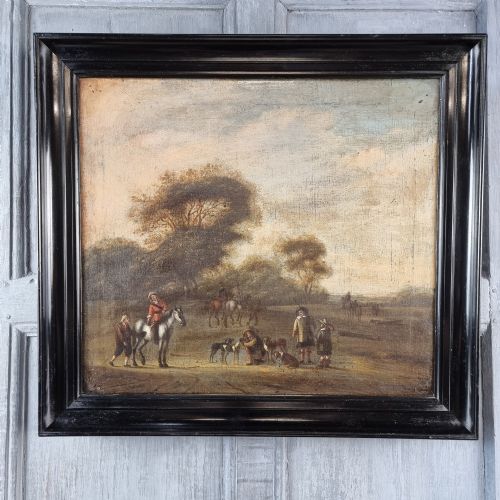
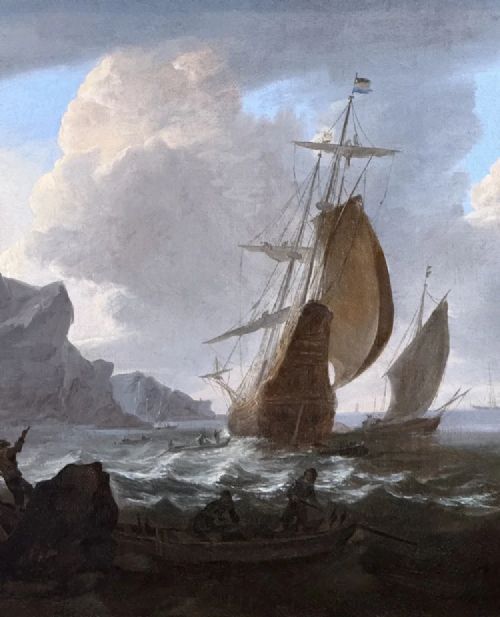
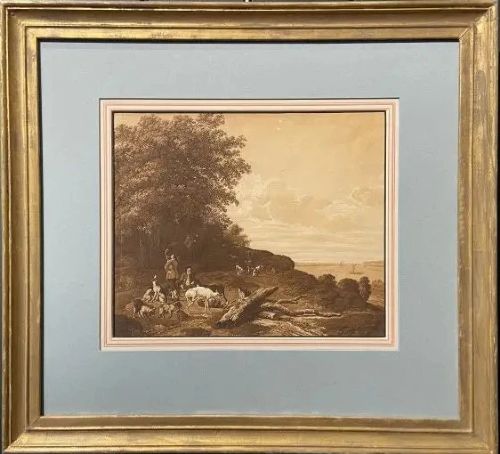
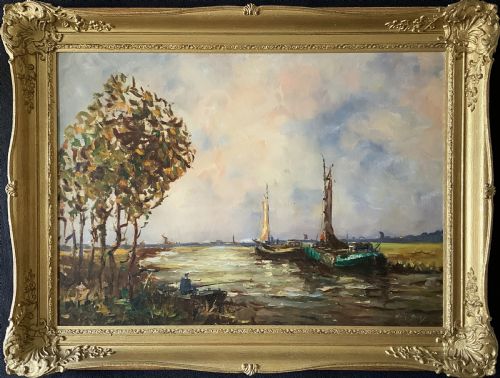
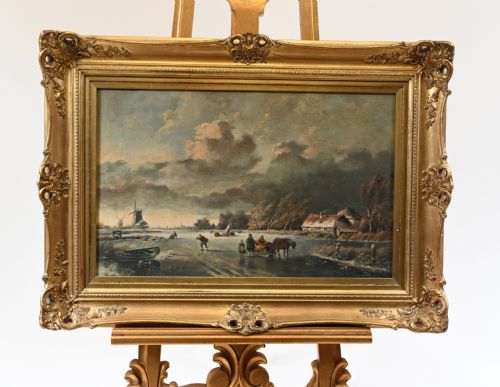
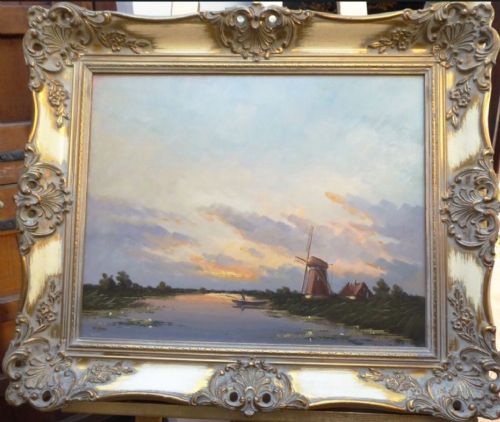
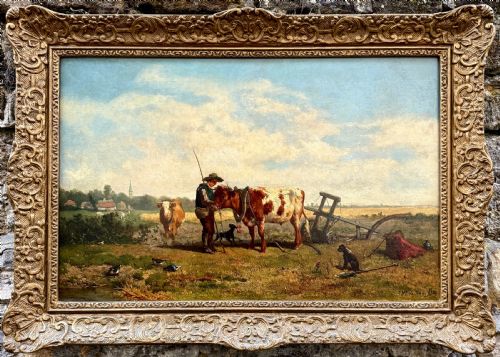
When searching for antique dutch landscape art, buyers encounter oil paintings, watercolours and framed canvas works depicting rural and urban views. These pieces span from the seventeenth century through to the mid twentieth century, encompassing styles such as the Dutch Golden Age, Impressionism and nineteenth century realism. The selection includes canal scenes, winter landscapes with frozen waterways, and maritime views featuring sailing boats.
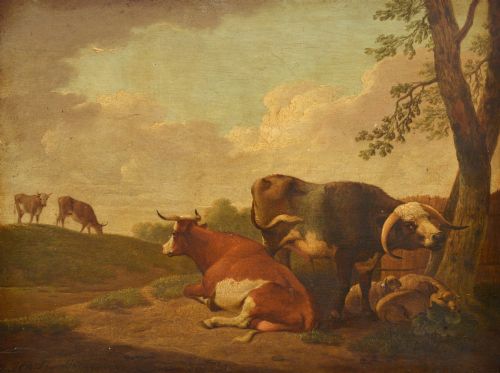
The most common formats on this page are oil paintings on canvas or wood panels, alongside watercolours on paper. Subjects range from quiet pastoral scenes with cattle and sheep to bustling Rotterdam canalscapes and traditional windmills at sunset. Works appear in both signed and unsigned states, sometimes framed in giltwood.
How they were made
Makers utilised oil paint applied to canvas, wood panels or paper substrates to create these artworks. Many pieces incorporate gilt and giltwood frames that complement the canvas.
Techniques range from the fine detail of seventeenth century masters to the looser brushwork of later impressionist and realist painters.
Several canvases manage to squeeze both a stubborn sheep and a watchful windmill into the same blustery Dutch afternoon.
What varies in quality
Quality rests upon the handling of light, atmospheric perspective and brush control within the composition. Earlier seventeenth century examples demonstrate technical precision in depicting skies and water, whereas later works rely on tonal harmony.
The sophistication of the frame, often comprising carved giltwood, and the clarity of the signature or attribution influence the standing of an individual artwork.
R Leyton·W Klombeck·Hendrik Willem Schweickhardt·Bonaventura Peeters·Johannes Lingelbach·Willem Bos·Pieter Cornelis Dommersen·Cornelis Van Poelenburgh·Thomas Bush Hardy·Adrian Van Porten·Cornelis Christian Dommersen·Marmaduke Cradock·Jacob Bogdani·Willem Anton Alexander Knip·Johannes Philippus Galjaard·Abraham Hulk Snr·James de Rijk·Hendrik Willebrord Jansen·William Raymond Dommersen·Jan van Couver·Jan Evert Morel·Gudrun Sibbons·John D Walker
The Antique Dutch Landscape Art Glossary
- Dutch Golden Age
- A period in seventeenth century art characterised by mastery of realism, genre scenes and landscape painting. Works from this era display meticulous attention to light and shadow.
- Oil on Canvas
- A traditional painting medium where pigments suspended in oil are applied to stretched fabric. This combination allows for rich colour blending and texture.
- Giltwood
- Wood that has been covered with a thin layer of gold leaf or gold paint. Frames utilising this material often accompany nineteenth century paintings.
- Watercolour
- A paint consisting of water-soluble pigments applied to paper. Artists frequently utilised this medium for bright, translucent landscape sketches.
Antique Dutch Landscape Art: Frequently Asked Questions
How do I date an oil painting?
Dating relies upon stylistic clues, canvas types and framing methods associated with specific periods. Seventeenth century works differ notably in palette from twentieth century impressionism.
Examining the reverse of the panel or canvas often reveals maker marks, labels or previous exhibition stamps that assist with chronology.
Where should I hang a landscape?
These artworks suit dining rooms, studies or hallways where natural light enhances the oil paint and gilt frames. Pairing a maritime scene with traditional interior decor creates a cohesive display.
Avoid placing canvas works in direct sunlight or damp environments to preserve the integrity of the paint and wood.
What is a winter landscape?
Winter landscapes depict frozen canals, snow-covered rural tracks and figures ice-skating under pale skies. These subjects became prominent in Dutch art as painters captured seasonal light.
Artists utilised muted blues, greys and crisp whites to evoke the cold atmosphere of the season.
Are watercolours fragile?
Watercolours on paper require protection behind glass to prevent atmospheric damage and fading. Framing with acid-free mounts safeguards the paper substrate over time.
Keeping these works away from direct UV light preserves the delicate pigments used by the artist.