





Antique Dutch Dining Chair
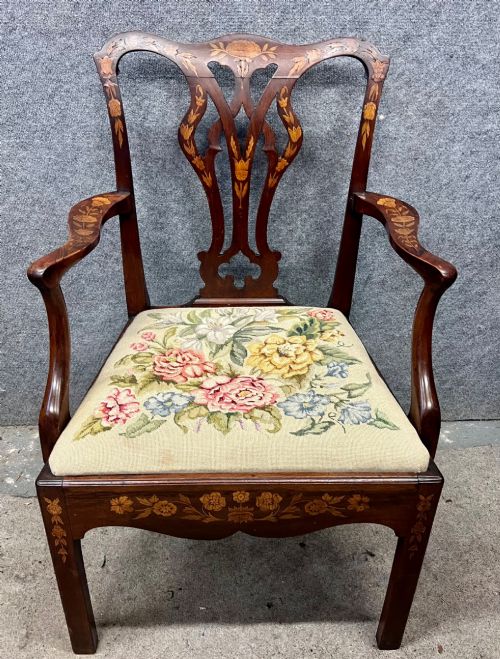
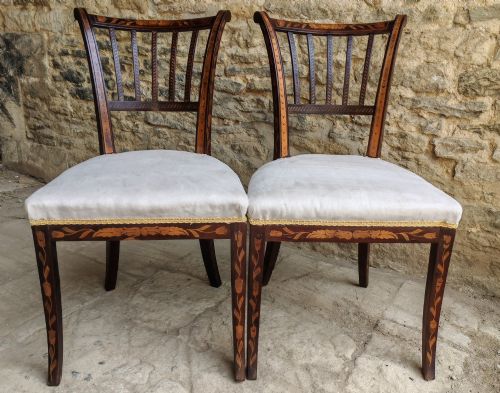
An antique dutch dining chair brings robust form and intricate marquetry into a room, drawing the eye with rich walnut, mahogany, and fruitwood.
Antique Dutch Dining Chair
Every antique dutch dining chair carries the weight of centuries of regional craftsmanship, spanning from the seventeenth to the nineteenth century. These pieces appear as side chairs, armchairs, and high-back dining chairs, often found in pairs or larger sets.
Makers drew on Dutch Baroque, Dutch Rococo, and Anglo-Dutch aesthetics, resulting in forms that balance domestic utility with ornamental ambition. High-back dining chairs and marquetry side chairs dominate the selection, showing distinct regional variations from provincial designs to grander urban commissions.
Materials and construction
Cabinetmakers utilised walnut, mahogany, Cuban mahogany, and fruitwood inlay, building frames designed to withstand generations of daily use. Marquetry surfaces display delicate floral and foliage patterns set into the primary timber.
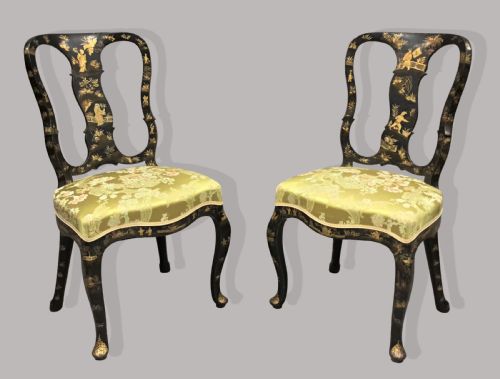
Finishes include parcel-gilt wood and lacquered surfaces with original gilt decoration, complemented by upholstery in fabric, textile, and gimp trim.
Antique Dutch Dining Chair Retail Price Guide 2026
Typical asking prices for dutch dining chair among the pieces listed under this phrase on Sellingantiques today, from the lower quarter to the upper quarter. They describe what is for sale here now, not the wider market.
Listings feature walnut, mahogany, and fruitwood inlay across eighteenth and nineteenth-century forms.
Distinguishing quality
The sophistication of the marquetry work separates standard examples from exceptional ones, particularly where floral and urn motifs show finer detail and tighter shading. Timber selection also dictates standing, with dense Cuban mahogany or figured walnut commanding greater appreciation than simpler native woods.
Integrity of the structural frame and the preservation of original gilding or surface finishes define the upper tier of surviving chairs. Sets that retain their uniformity across multiple pieces hold greater interest than assembled groups.
The Antique Dutch Dining Chair Glossary
- Marquetry
- Decorative veneer work arranged in pictorial patterns on the surface of furniture. It transforms plain timber into elaborate floral displays.
- Parcel-Gilt
- Partially gilded woodwork where gold leaf highlights specific carved details. This technique adds depth and catches the light against dark walnut.
- Gimp Trim
- A narrow woven band used to conceal tacks and secure fabric edges on upholstered seats. It provides a neat finish to textile borders.
- Ladder Back
- A chair back featuring horizontal arched slats resembling the rungs of a ladder. This provincial form offers sturdy support.
Antique Dutch Dining Chair: Frequently Asked Questions
How do I date these chairs?
Dating relies on stylistic markers such as the high back of late seventeenth-century taste versus the sweeping curves of Dutch Rococo. Construction joints and timber choices further clarify whether a piece originates from the eighteenth or nineteenth century.
Examining the wear patterns and the type of veneer inlay provides additional context for the period of manufacture.
What is Anglo-Dutch style?
This term describes furniture that blends English structural proportions with Dutch decorative exuberance, particularly prevalent in walnut seating. These pieces often feature cabriole legs and elaborate back splats.
They reflect the close design exchange between Britain and the Netherlands following the late seventeenth century.
How should I care for marquetry?
Protect inlaid surfaces from direct sunlight and maintain stable room humidity to prevent the fine fruitwood and walnut veneers from lifting. Gentle dusting with a dry cloth preserves the polished finish.
Avoid chemical polishes that can seep into the delicate seams between the inlaid sections.