

Antique Dutch Cupboard
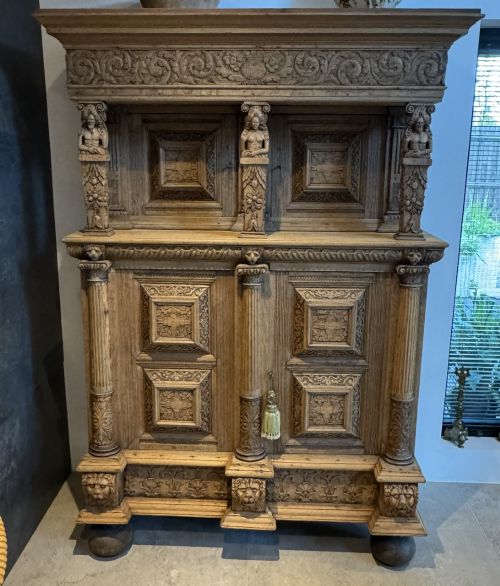
An antique dutch cupboard brings domestic timber architecture into a room, offering substantial storage alongside intricate floral marquetry or carved panels.
Antique Dutch Cupboard
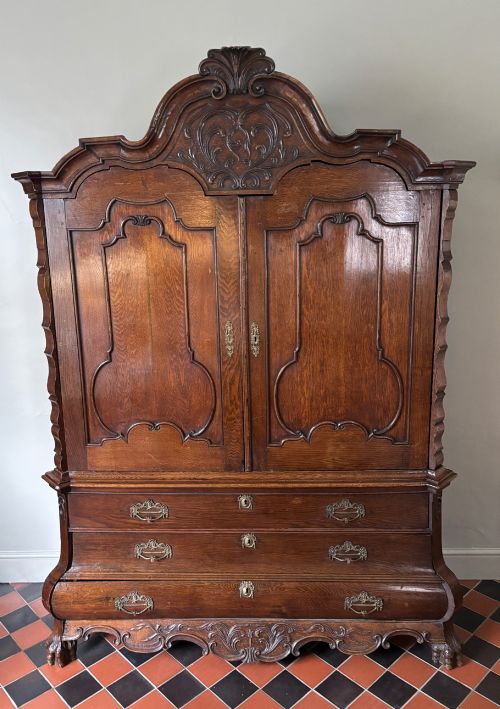
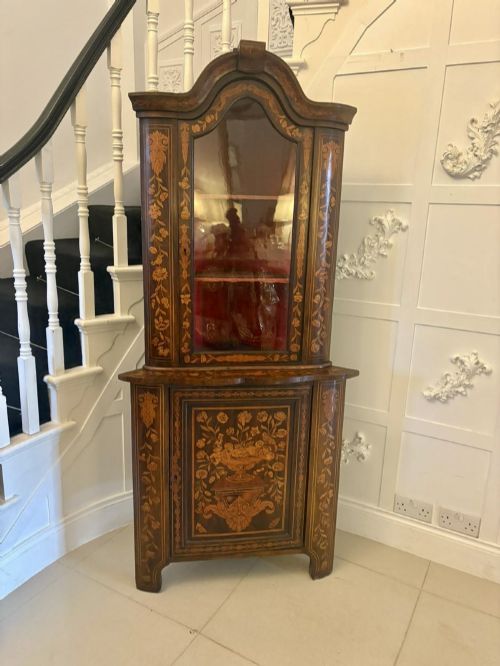
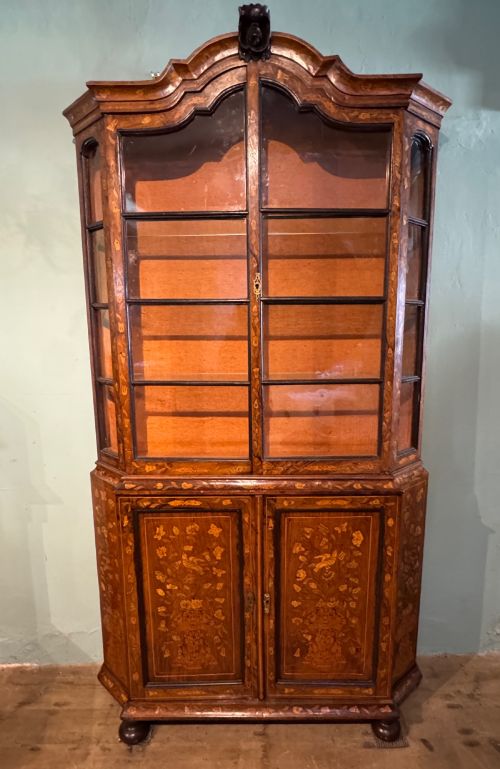
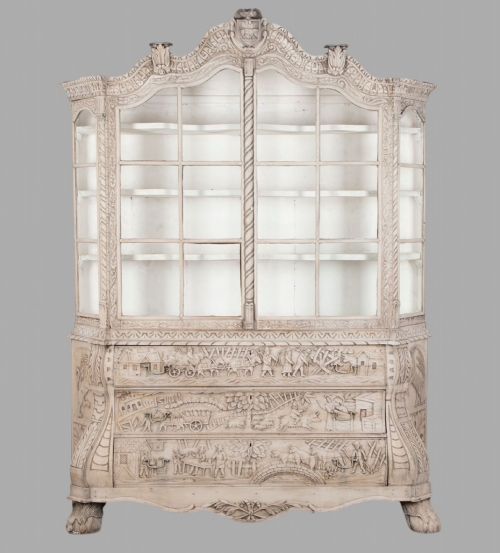
An antique dutch cupboard is a utilitarian or display form built primarily across the seventeenth, eighteenth, and nineteenth centuries. These pieces encompass large linen presses, tall display cabinets, corner units, and bedside cupboards originating from provincial workshops and major urban centres alike.
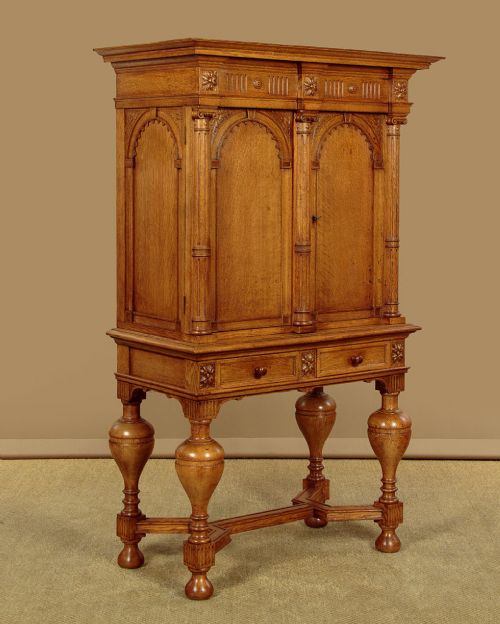
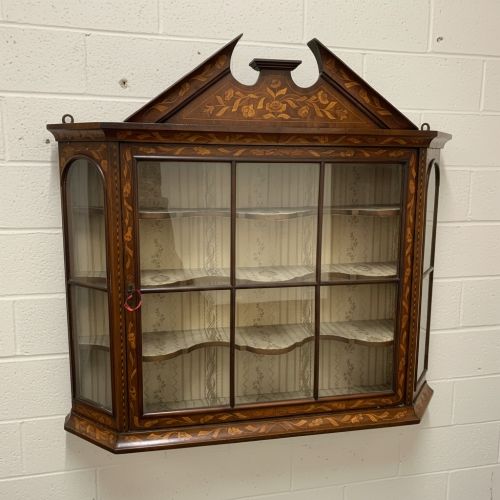
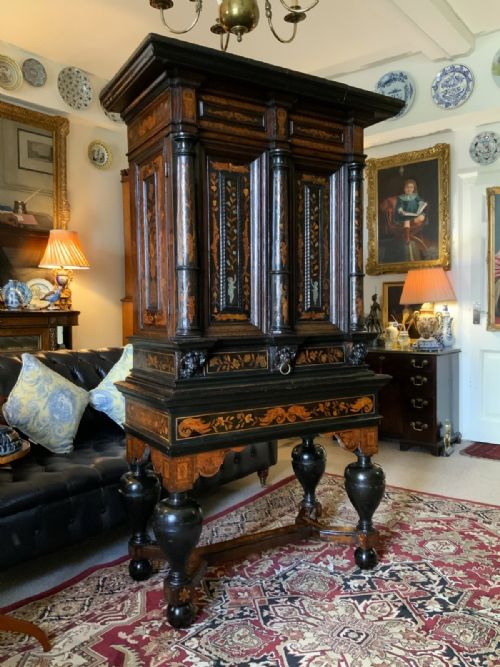
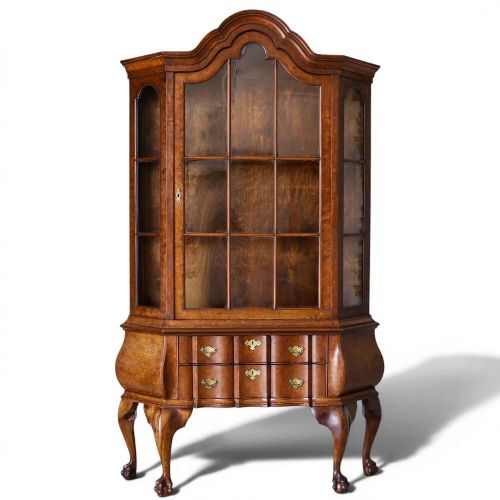
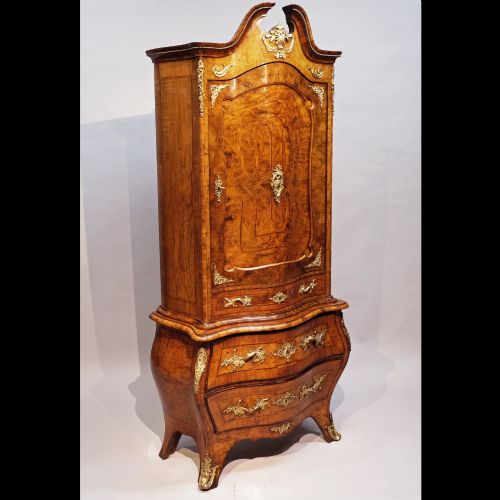
The version most commonly met on this page is the walnut marquetry cabinet or linen press, frequently inlaid with floral designs and supported by regional stylistic movements such as Dutch Baroque and Rococo. Oak, pine, and fruitwood examples also appear regularly, spanning standing cupboards to wall-mounted vitrines.
Materials and construction
Cabinetmakers constructed these pieces using native and imported woods, applying walnut, burr walnut, rosewood, and ebony veneers over solid carcases of oak, pine, or fruitwood. Marquetry panels relied on precise cutting of contrasting timbers to form floral and botanical motifs.
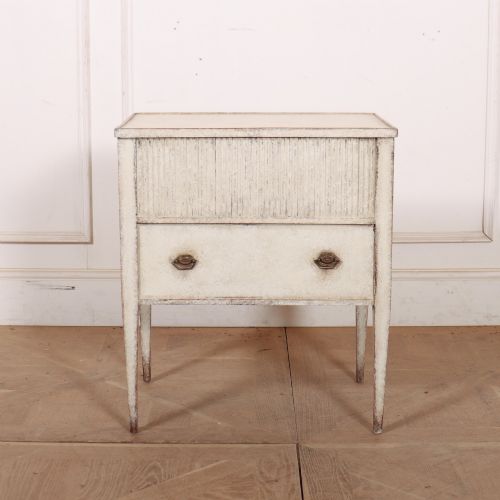
Glazed upper sections, brass hardware, pewter inlay, and painted wood finishes complete the structural vocabulary. Joinery methods range from heavy pegged framing in early oak examples to delicate veneered surfaces on later display cabinets.
Variations in quality
Quality rests upon the ambition of the marquetry and the crispness of the carved details rather than mere age. Pieces featuring dense floral inlay across every surface, combined with figured burr walnut veneers, sit at the upper end of the range.
Proportion and structural integrity define the distinction between everyday utility furniture and high-status examples. Finer cabinets retain their original brass mounts, well-figured timber grain, and balanced door alignments without excessive timber shrinkage.
The Antique Dutch Cupboard Glossary
- Marquetry
- Decorative veneer work arranged in pictorial patterns using various woods. In these pieces, floral and urn motifs predominate.
- Bombé
- A swelling, outward-curved profile found on the lower sections of certain cabinets and chests. This bulging contour requires advanced woodworking skill.
- Linen Press
- A tall storage piece containing sliding trays or shelves behind upper doors, traditionally used for textiles. The base frequently incorporates drawer storage.
- Vitrine
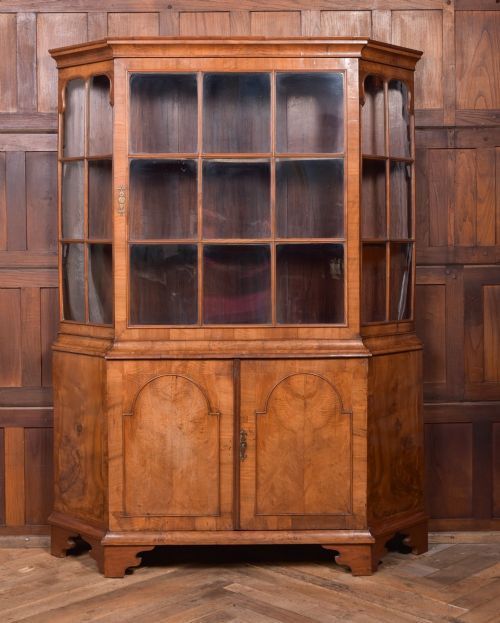
- A glass-fronted display cabinet designed for porcelain or curiosities. Glazed upper doors characterise this form.
- Kussenkast
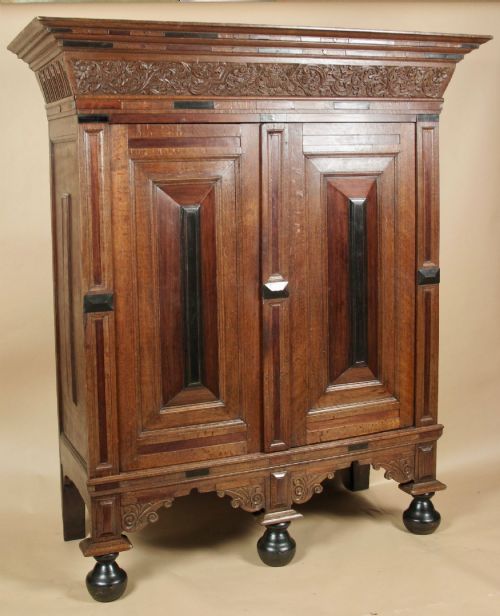
- A heavy seventeenth-century armoire featuring cushion-moulded drawer fronts and panels. These early architectural cupboards often utilise oak and ebony.
Antique Dutch Cupboard: Frequently Asked Questions
How do I date an antique dutch cupboard?
Dating relies on combining timber choice, construction methods, and stylistic markers such as Baroque carving or later neoclassical restraint. Earlier seventeenth-century pieces lean heavily on solid oak and ebony mouldings, whereas eighteenth-century examples favour intricate floral marquetry and walnut veneers.
Secondary woods inside drawers and backboards offer further clues. Pine and native fruitwoods often indicate regional provincial production, while changing hardware styles across the nineteenth century help narrow down the decade.
Where were these cupboards placed in a home?
Large linen presses and armoires stood in bedchambers or upstairs halls for storing household textiles, garments, and family linen. Corner cupboards and display cabinets occupied reception rooms to exhibit valuable glassware and ceramics.
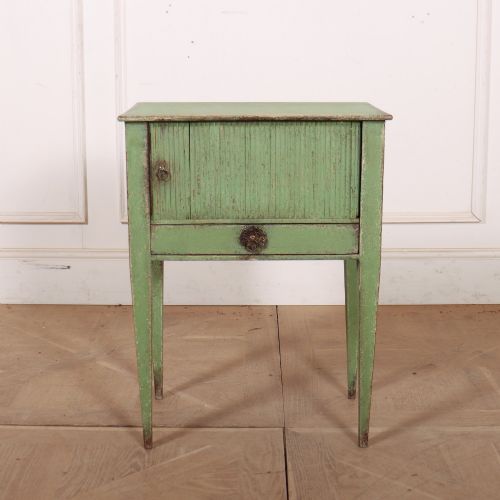
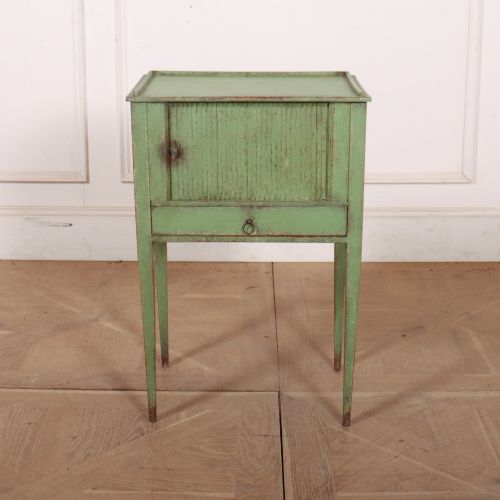
Smaller bedside tables and pot cupboards served private chambers. Wall-mounted vitrines and hanging cabinets maximised floor space in compact urban rooms.
How do I care for a marquetry surface?
Marquetry surfaces require stable environmental conditions away from direct sunlight and sudden temperature shifts. Excessive heat causes veneer shrinkage and lifts the delicate floral inlays from their carcase.
Apply microcrystalline wax sparingly to nourish the timber and protect the polished finish. Avoid liquid polishes that penetrate old grain cracks and soften original adhesives.