



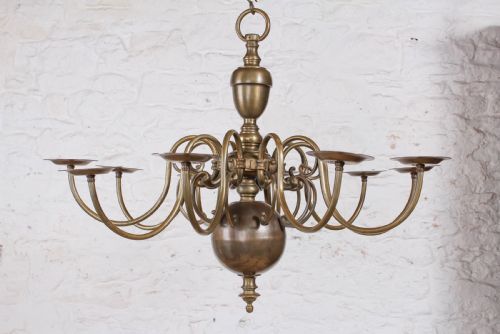
Antique Dutch Chandelier
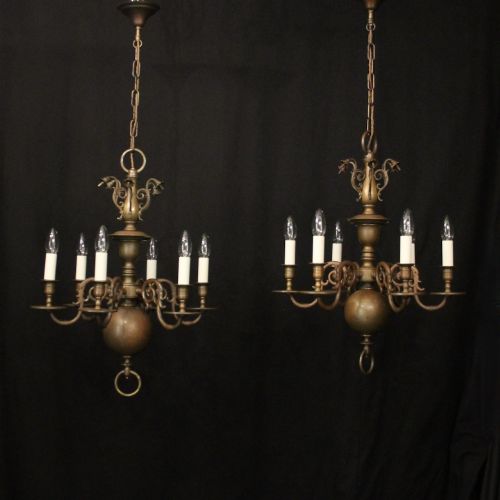
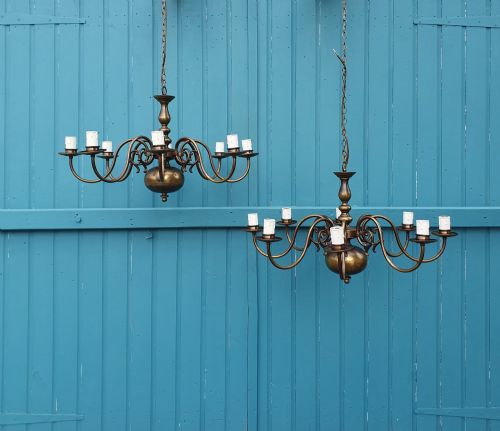
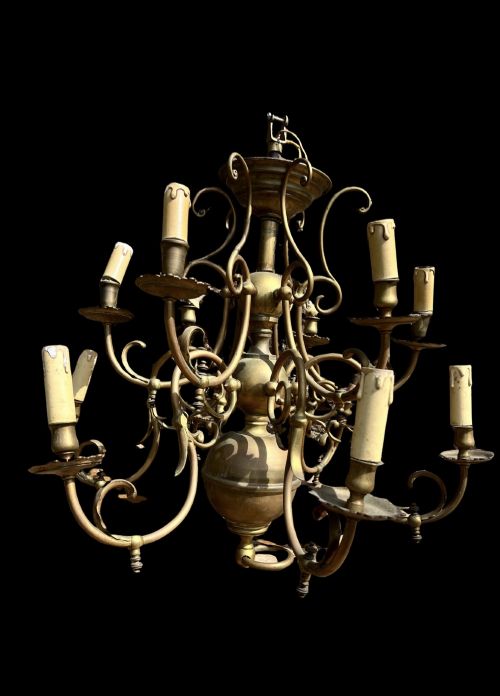
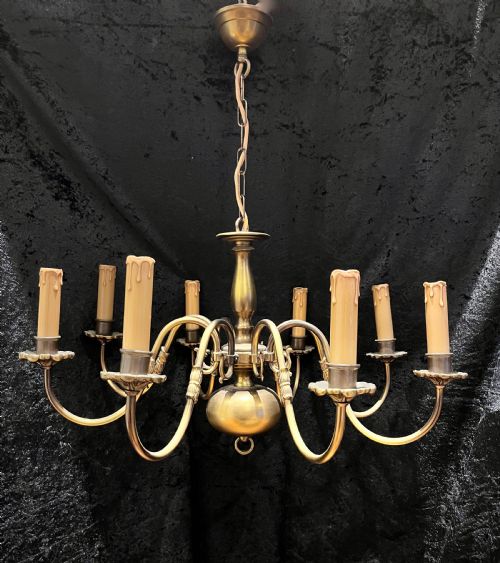
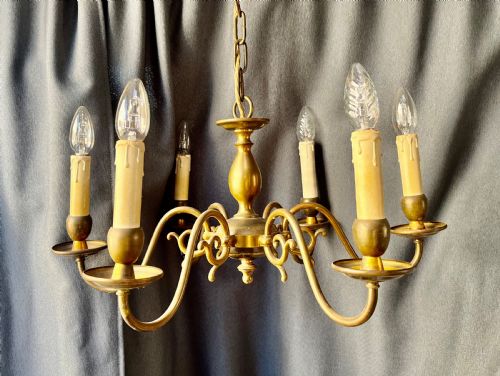
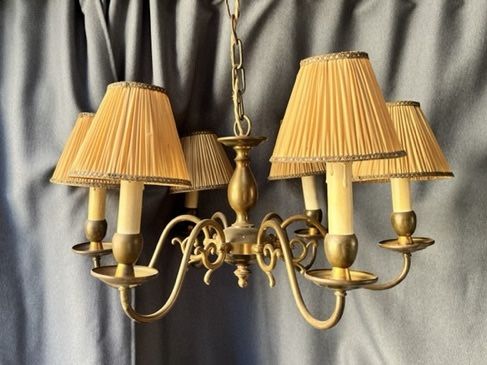
These antique dutch chandelier pieces offer heavy brass arms and tiered branches that bring seventeenth-century styling to high ceilings.
Antique Dutch Chandelier
An antique dutch chandelier brings formal period illumination to a room, drawing on centuries of European metalwork traditions. When you search for an antique dutch chandelier, you encounter multi-armed lighting fixtures designed to suspend from the ceiling and command attention through sheer scale and bright metal surfaces.
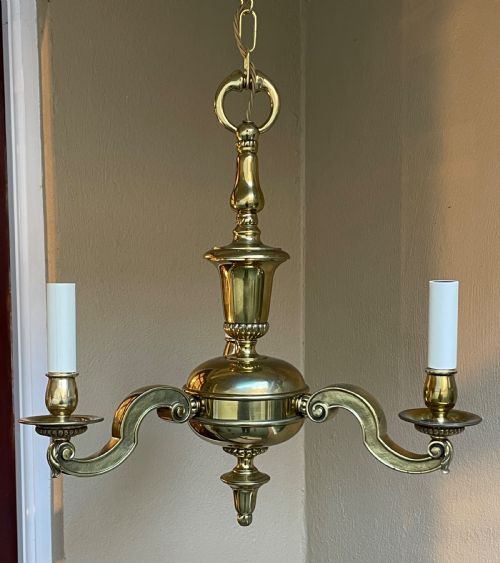
The selections available here range widely in age and complexity, spanning sturdy twentieth-century interpretations and much older multi-tiered examples. Most pieces you meet on this page feature solid brass or bronze construction arranged in three, five, six, eight, or twelve branch configurations.
Stylistic influences across the inventory lean heavily towards Dutch Baroque, Dutch Revival, and Flemish Renaissance aesthetics. These designs frequently incorporate scroll arms and central stems that reflect historical lighting forms used in grand continental interiors.
What varies in quality
Quality in these hanging fixtures rests upon the weight of the metal and the intricacy of the casting work on the arms and central column. Superior examples display crisp detail in the scrollwork and a substantial physical heft from solid brass construction rather than thin sheet metal.
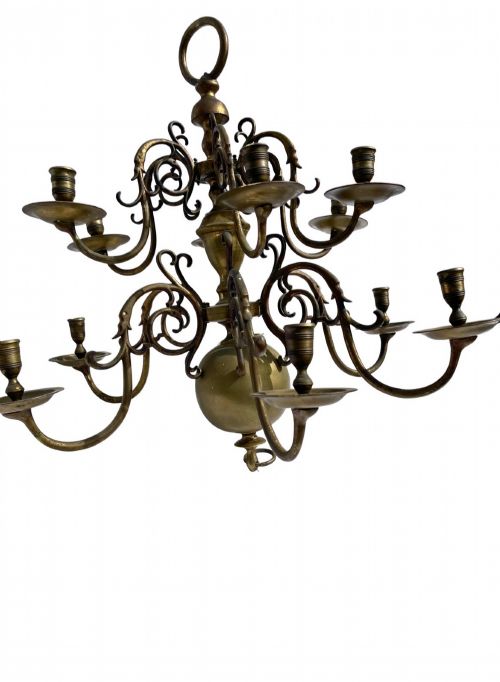
The complexity of the tier arrangement also dictates distinction, moving from simple single-tier branch setups to grand two-tier structures with numerous lights. Better proportion and harmonious balance between the drop length and the spread of the arms separate ordinary functional lighting from commanding decorative centerpieces.
Listings feature brass and bronze materials across styles from Dutch Baroque Revival to Flemish Renaissance, spanning the eighteenth to early twentieth centuries.
The Antique Dutch Chandelier Glossary
- Dutch Baroque
- A decorative style originating in the Netherlands characterised by dramatic forms, ornate curves, and exuberant ornamentation. It heavily influences the scroll arms found on many period chandeliers.
- Flemish Renaissance
- An artistic movement blending northern realism with classical motifs, frequently referenced in antique brass lighting through architectural turning and balanced symmetry.
- Cast Brass
- Molten alloy poured into moulds to create rigid, highly detailed structural components. This method allows for the complex scrollwork seen on multi-armed ceiling fixtures.
- Two-tier chandelier
- A large hanging lighting fixture featuring two distinct horizontal rings of branches arranged vertically along the central stem. These grand examples are typically reserved for high ceilings.
Antique Dutch Chandelier: Frequently Asked Questions
How do I hang a heavy brass chandelier safely?
Hanging these heavy metal fixtures requires securing the mounting bracket directly into ceiling joists or structural timber rather than plaster alone. Due to the substantial weight of solid brass and bronze components, professional installation is strongly advised to ensure total stability.
The drop height should be carefully calculated relative to your room dimensions and furniture placement below. Ensure the lowest point of the chandelier clears head height while remaining visually anchored to the space.
Were these chandeliers originally wired for electricity?
Most antique lighting fixtures of this type were originally designed for candles, oil, or gas before being converted for modern electrical use. Many surviving examples have been adapted over time to take standard electrical wiring and modern bulb fittings.
When evaluating a piece, check the internal wiring and consult a qualified electrician to bring the fittings up to current safety standards. Conversion methods should respect the historical integrity of the central stem and arms.
How do I clean antique brass without damaging the metal?
Maintaining brass surfaces requires gentle dusting with a soft cloth to prevent the accumulation of grime in recessed cast details. Avoid harsh abrasive cleaners or chemical polishes that can strip away desirable historical patina and mellow metal tones.
If cleaning is necessary, use a mild soapy solution followed by immediate drying with a soft towel. Letting the metal age naturally preserves the character developed over decades of exposure.
What is the difference between Dutch and Flemish lighting styles?
Dutch and Flemish lighting styles share common continental European roots and heavy brass construction, but they differ slightly in decorative emphasis. Flemish designs often lean towards robust architectural turning and distinct Renaissance proportions, while Dutch variations frequently feature flowing baroque curves.
Both traditions result in multi-branch fixtures designed to project maximum illumination into large rooms. The terminology is often used interchangeably by makers and dealers to describe these ornate continental metal forms.