


Antique Dutch Brass
Antique Dutch brass brings domestic utility into the realm of decorative art, taking forms from cast chandeliers to embossed foot warmers.
Antique Dutch Brass
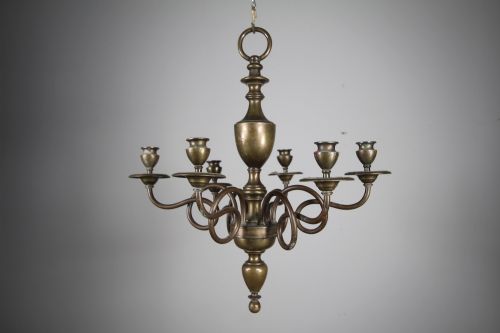
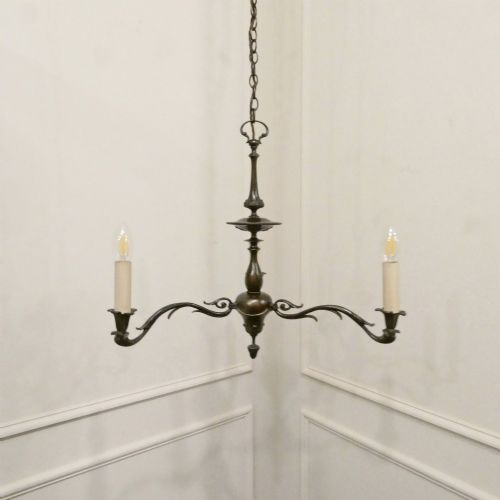
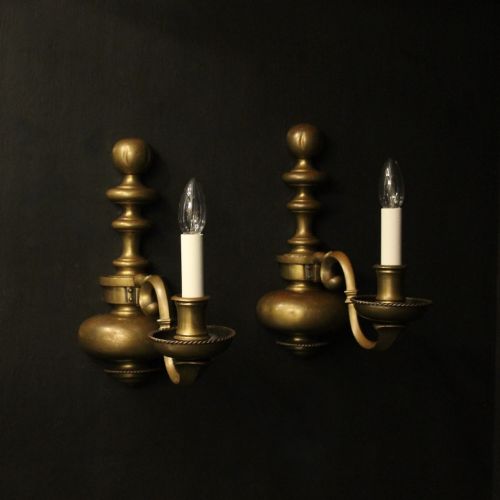
When searching for antique dutch brass, collectors encounter functional household items spanning the eighteenth, nineteenth, and early twentieth centuries. These objects range from heavy multi-branched chandeliers and wall sconces to intricately embossed foot warmers and peat buckets.
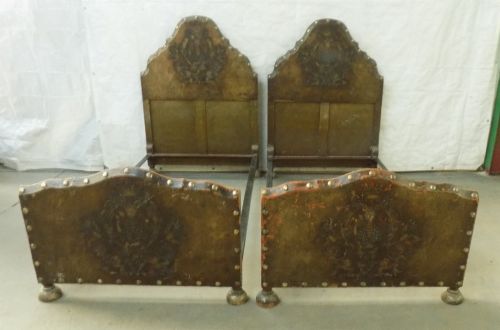
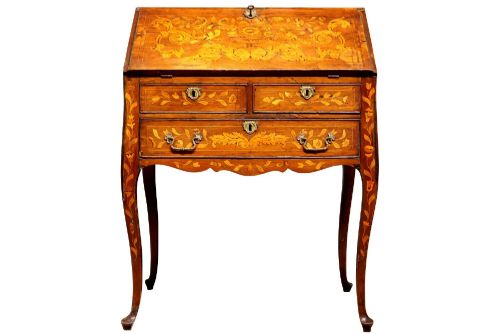
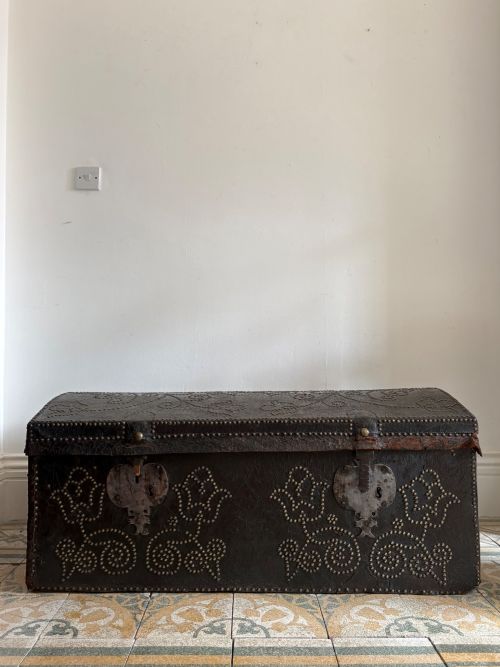
The material appears both in pure cast metal forms and as ornamental mounts upon timber furniture such as oak chests, mahogany commodes, and padouk coffers. Lighting devices and domestic heating containers represent the most frequently encountered variants within this category.
How antique dutch brass was made
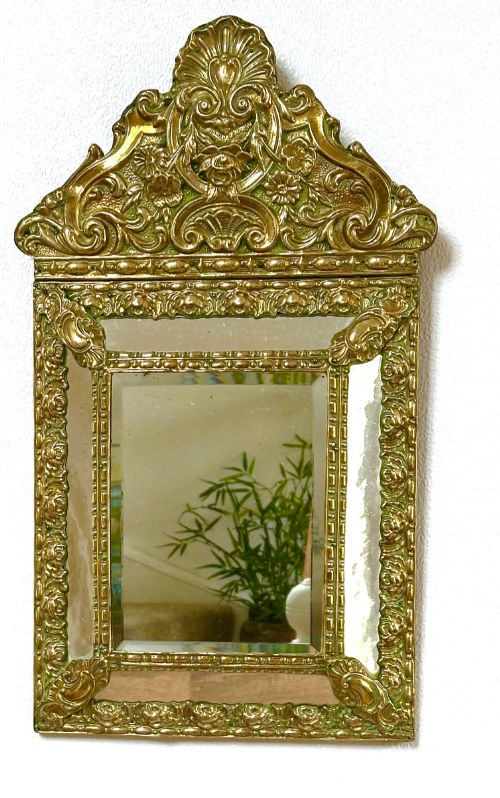
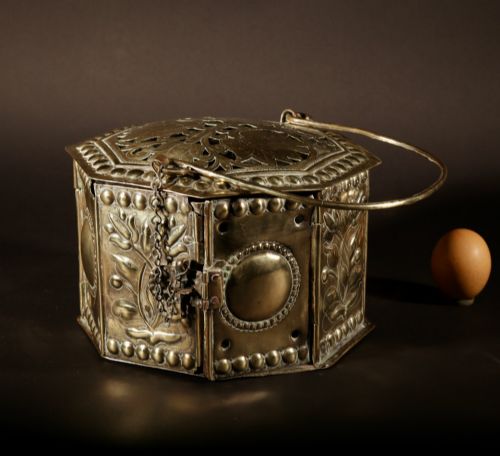
Items were produced through traditional metalworking techniques, combining sand casting for structural chandelier branches with hand repoussé and chasing for decorative sheets. Artisans hammered thin brass plates over carved wooden blocks or used punches to raise floral motifs and family crests.
Many objects integrate brass with timber components, such as coopered oak and mahogany staves held by brass bands, or ebonised wood and rosewood mounted with cast metal fixtures.
Antique Dutch Brass Retail Price Guide 2026
Typical asking prices for dutch brass among the pieces listed under this phrase on Sellingantiques today, from the lower quarter to the upper quarter. They describe what is for sale here now, not the wider market.
Materials paired with brass across these records include oak, mahogany, rosewood, leather, and ebonised wood.
What varies in quality
Quality rests upon the crispness of the hand-chased detail and the weight of the cast metal used in the construction. Pieces displaying deep, deliberate hammering and well-defined floral repoussé sit apart from simpler, flatter stampings.
The integrity of the original joints, whether in the coopered seams of a tea stove bucket or the arm connections of a bronze chandelier, determines the enduring value of the piece.
The Antique Dutch Brass Glossary
- Repoussé
- A metalworking technique where the metal is hammered from the reverse side to form a raised design on the front. This method creates the characteristic textured surfaces seen on wall sconces and foot stoves.
- Teestoof
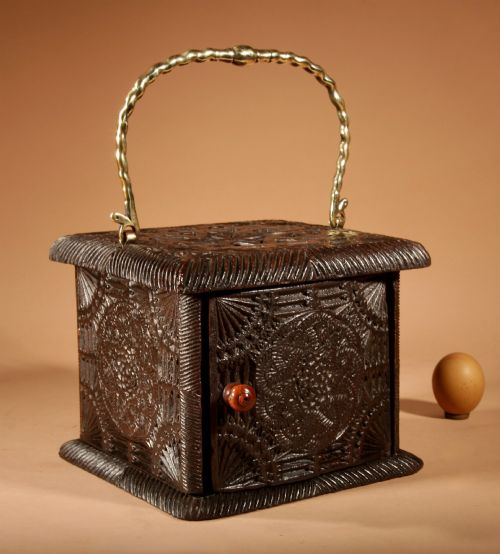
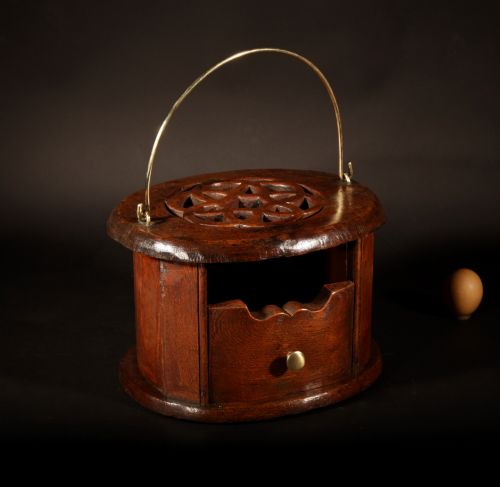
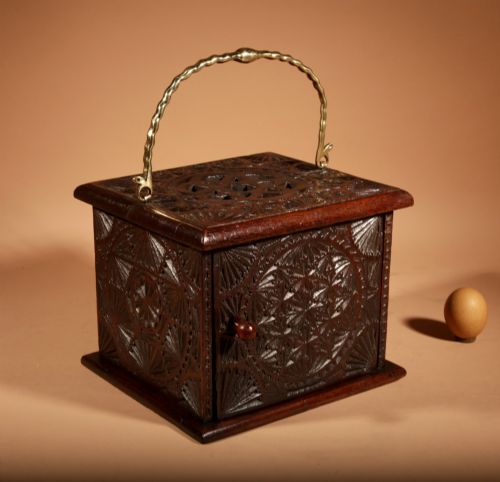
- A traditional Dutch foot warmer or tea stove housing a container for hot coals. These items typically feature pierced or embossed brass lids.
- Schuitje
- A boat-shaped vessel, often applied to coopered peat buckets and jardinières made from mahogany or oak with brass bindings.
- Bombe
- A furniture profile featuring a strongly convex or bulging front and sides, frequently embellished with brass mounts and handles.
- Chasing
- The complementary process to repoussé, where metal is worked from the front using punches to refine details and sharpen lines.
Antique Dutch Brass: Frequently Asked Questions
How were foot warmers used?
Foot warmers, or teestoofs, held small earthenware pots filled with glowing peat embers inside a wooden frame lined with brass. People placed their feet on top of the pierced metal or wooden lid to keep warm during cold weather.
These portable heaters were commonly used in homes and churches before central heating existed, serving both a practical domestic purpose and a decorative function.
How do I identify a peat bucket?
Peat buckets, also known as jardinières or tea stove buckets, are coopered wooden vessels constructed with vertical staves held together by brass bands. They often feature boat shapes and swing handles for carrying fuel.
Later examples from the nineteenth century were frequently repurposed as plant holders or umbrella stands, retaining their distinct brass mounts and liners.
What styles define these pieces?
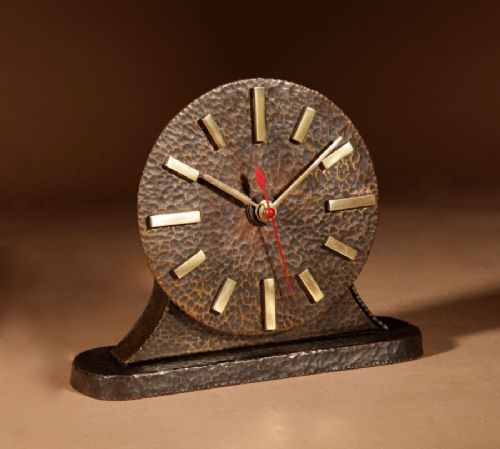
The pieces span various periods including Dutch Baroque, Amsterdam School, and Frisian folk art, showing shifts from ornate hand-chased illumination to geometric hammered metal.
Earlier eighteenth-century items rely on traditional floral repoussé and cast bronze branches, while early twentieth-century examples embrace patinated copper and cleaner industrial lines.
How should I clean antique brass?
Antique brass generally retains its character best through gentle dusting and minimal intervention, preserving the dark patination accumulated over centuries. Aggressive chemical polishing strips away the historic surface appearance that collectors value.
If cleaning is necessary to remove active dirt, mild soap and warm water applied with a soft cloth will protect the underlying metal and hand-chased details.