




Antique Drop Pouch
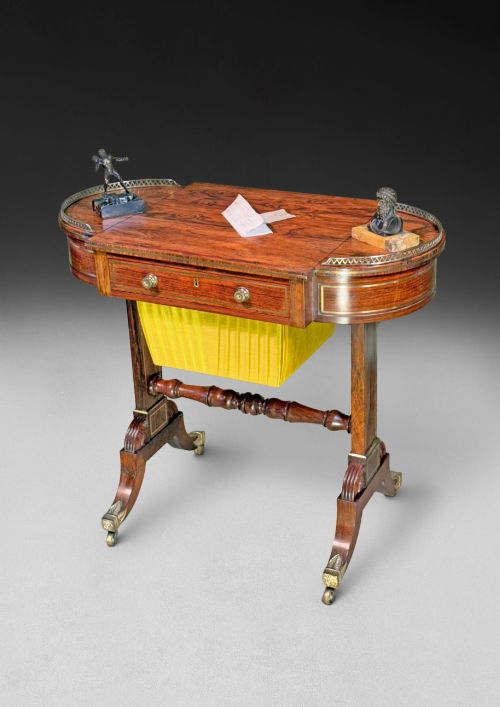
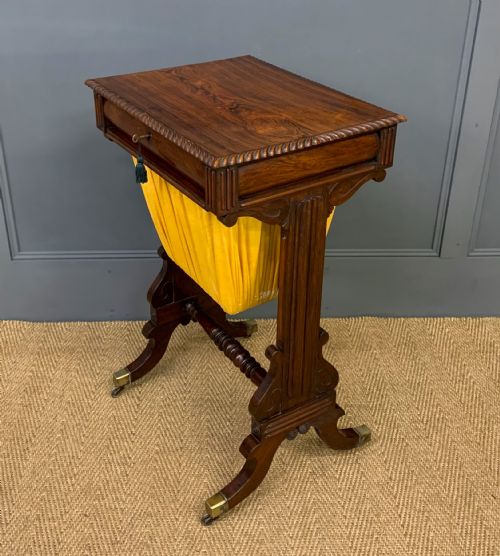
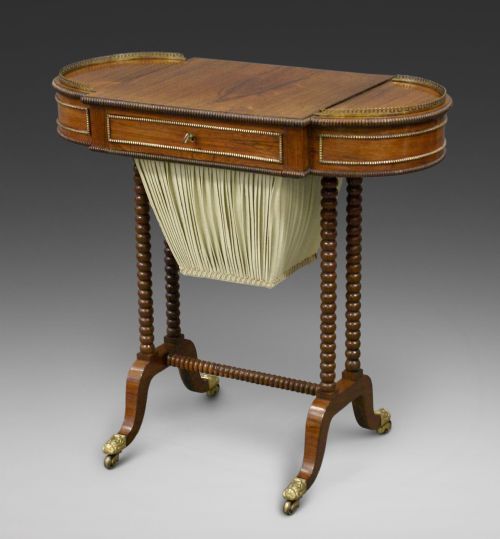
These antique drop pouch pieces are functional work and sewing tables designed for domestic craft, offering refined storage and surfaces for the home.
Antique Drop Pouch
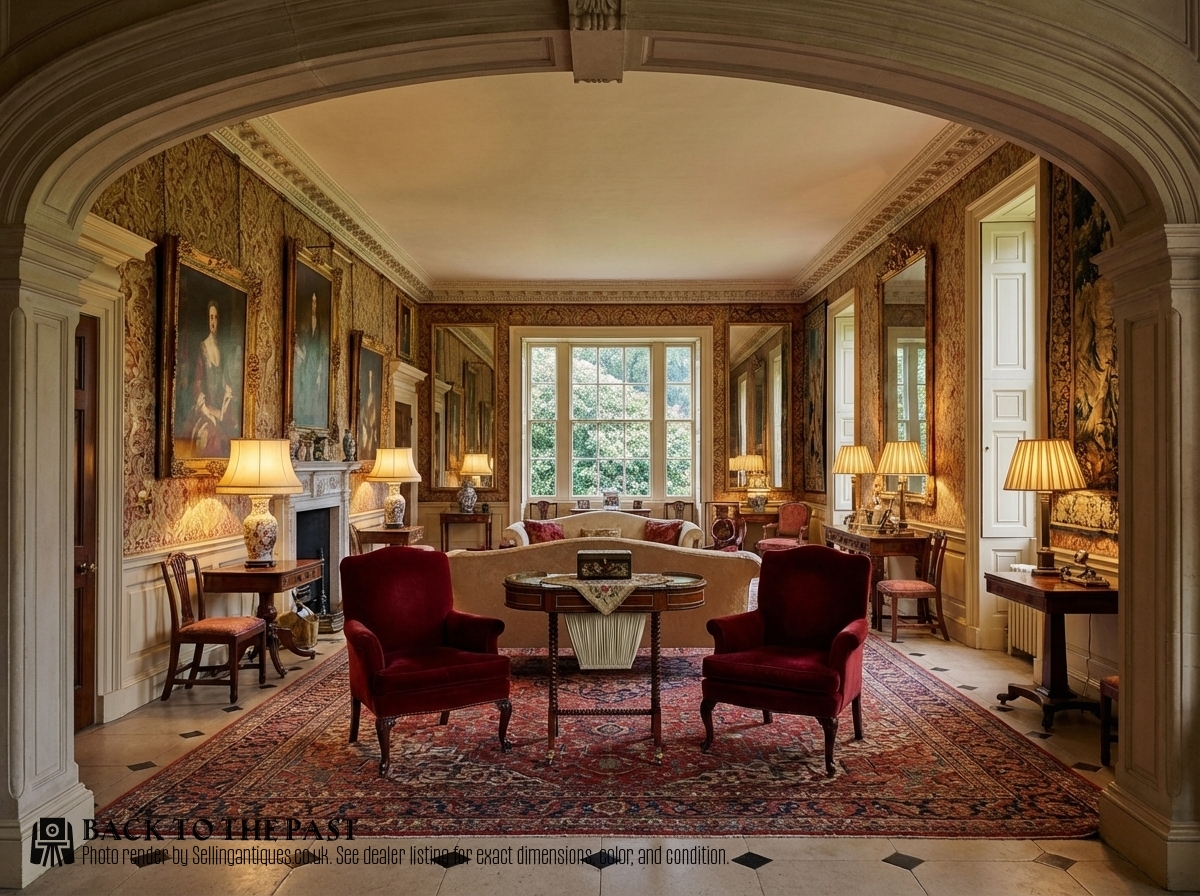
When you search for antique drop pouch, you are looking at small domestic furniture primarily used for needlework, sewing, and light writing tasks. These charming pieces usually take the form of work tables, sewing tables, and occasional tables with suspended fabric bags underneath to hold materials. Buyers encounter examples ranging from the Georgian and Regency periods through the Victorian era.
The construction of these items reflects the sophisticated cabinet-making of the eighteenth and nineteenth centuries, often featuring drop leaves or flap mechanisms. The evidence shows forms spanning the Sheraton period, French Empire style, and William IV eras. Most pieces recorded here utilise fine timbers adapted for domestic utility and elegance.
How they were made
Cabinet-makers constructed these tables using dense hardwoods such as mahogany, rosewood, and pollard oak, often accented with lighter decorative veneers like satinwood and boxwood. The surfaces frequently display sophisticated inlay work characteristic of the Sheraton and Regency styles. These structural timbers provide the necessary durability and polished finish required for high-status domestic spaces.
Beneath the main wooden chassis, makers suspended fabric pouches designed to hold textiles, threads, and sewing implements. Some variations incorporate auxiliary materials such as brass fittings alongside cut glass or crystal elements, particularly seen in related decorative hanging fixtures from later periods.
The listings show work tables constructed from rosewood, mahogany, satinwood, and pollard oak across Georgian and Victorian periods.
What varies in quality
The distinction between standard examples and the finest pieces lies in the selection of timber and the precision of the cabinet-making. Finer tables exhibit highly figured rosewood or meticulously matched mahogany veneers, accompanied by crisp inlay work in boxwood and satinwood. The integration of the drop pouch mechanism with the wooden frame also indicates the level of original craftsmanship.
Proportion and decorative restraint further separate the better pieces from ordinary ones. Well-balanced proportions, elegant leg turnings, and harmonious brass or wood details demonstrate superior workshop standards. The survival of the original suspended fabric pouch in good condition adds significantly to the integrity of the piece.
The Antique Drop Pouch Glossary
- Drop pouch
- A suspended fabric bag attached beneath a work or sewing table to store textiles and sewing accessories. This compartment is typically gathered on a wooden or fabric frame.
- Work table
- A small domestic table fitted with drawers and compartments designed for needlework and crafts. These pieces became particularly popular during the Georgian and Regency periods.
- Inlay
- A decorative technique where pieces of contrasting timber, such as boxwood or satinwood, are inserted into recesses in the primary wood surface. This creates flat, patterned ornamentation.
- Drop flap
- A hinged leaf on the side of a table that can be raised to extend the surface area or lowered when space is required. It is supported by folding brackets or swing legs.
- Pollard oak
- Oak timber taken from trees that have been pollarded, producing a gnarled grain pattern with rich figuring. Cabinet-makers utilised this decorative wood for high-end furniture surfaces.
Antique Drop Pouch: Frequently Asked Questions
How were work tables used historically?
Gentlemen and ladies utilised these tables in domestic interiors for sorting correspondence, reading, and undertaking intricate needlework or sewing projects. The top surface provided a stable area for crafting while the internal compartments and pouch kept tools organised.
As portable and versatile items, they could be easily moved around the principal rooms of a large household as needed throughout the day.
How do I identify a Regency work table?
Regency examples typically feature dark exotic timbers like rosewood or mahogany, clean architectural lines, and occasional brass mounts or delicate inlay. The proportions are generally neat and balanced, reflecting classical influences popular in the early nineteenth century.
Many of these pieces incorporate turned legs and secure drop flaps alongside the characteristic suspended fabric pouch for sewing gear.
Are these tables suitable for modern homes?
These compact tables fit readily beside armchairs or sofas in contemporary interiors, functioning well as occasional tables or small lamp stands. Their built-in storage compartments and pouches offer practical space for hiding modern clutter like remote controls or notebooks.
Placing them in a living room or study introduces warm nineteenth-century timber tones without demanding excessive floor space.