




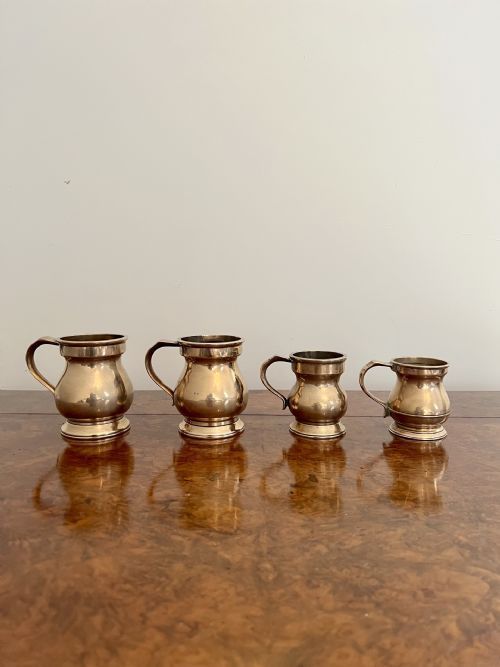
Antique Drinkware
Antique drinkware gathers silver tankards, cut crystal rummers and porcelain beakers made to hold wine, beer, spirits and water across the centuries.
Antique Drinkware
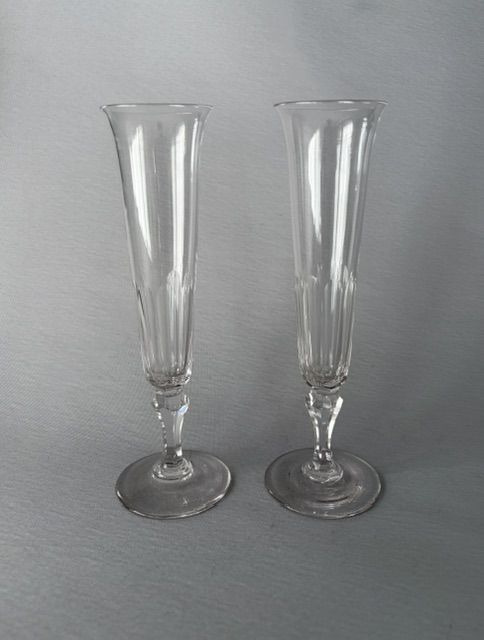
When you search for antique drinkware, you encounter vessels produced for the table and tavern from the eighteenth century into the twentieth century. These pieces span heavy silver tankards, delicate glass flutes, ceramic mugs and matched suites of wine glasses.
The most common forms on this page are Georgian silver tankards, Victorian cut glass tumblers and Edwardian cordial sets. They reflect the changing habits of dining, hospitality and social drinking over two hundred years of British and European production.
Vessels range from modest domestic mugs to large punch bowl sets and tall champagne flutes. Each object is defined by the material of its era, whether sterling silver, lead crystal, porcelain or Old Sheffield Plate.
Materials and methods
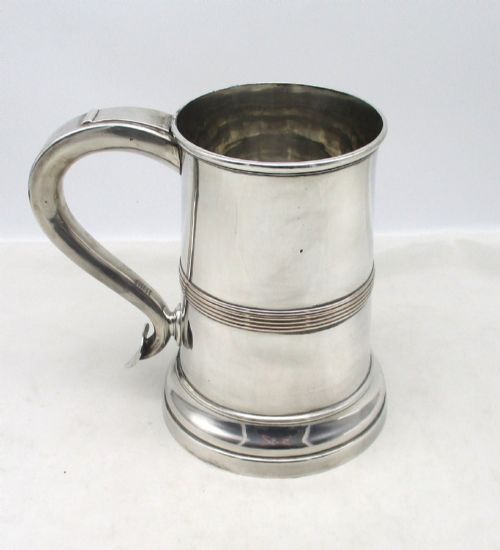
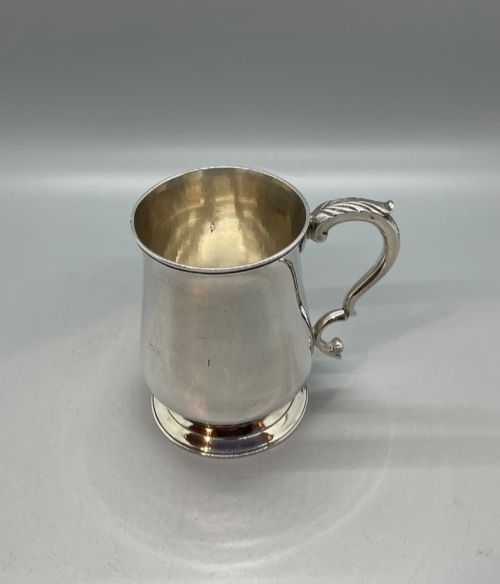
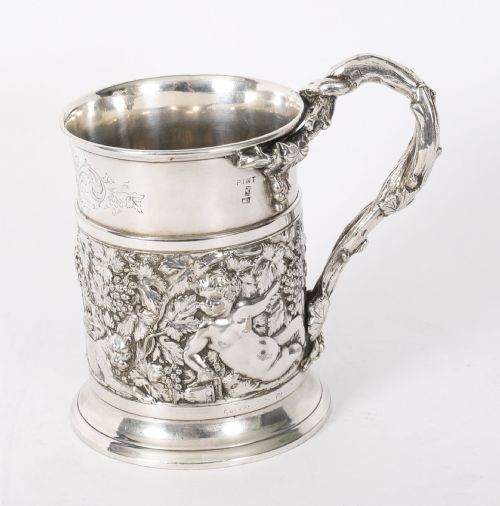
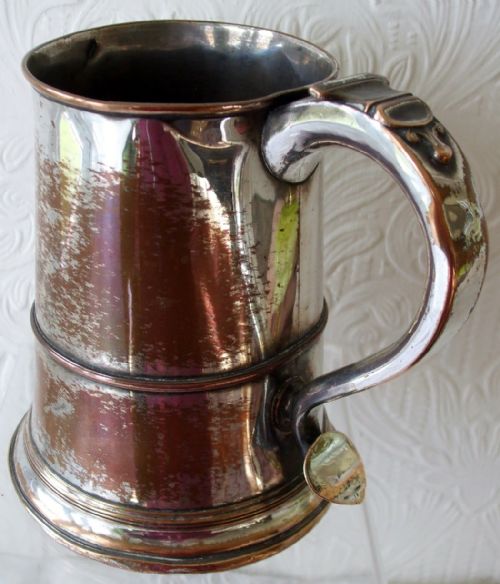
Makers shaped silver tankards and mugs through hammering, casting and soldering, applying handles and decorative embossing by hand. Old Sheffield Plate combined a thin layer of silver fused to a copper base, visible in the warm tones of older tankards.
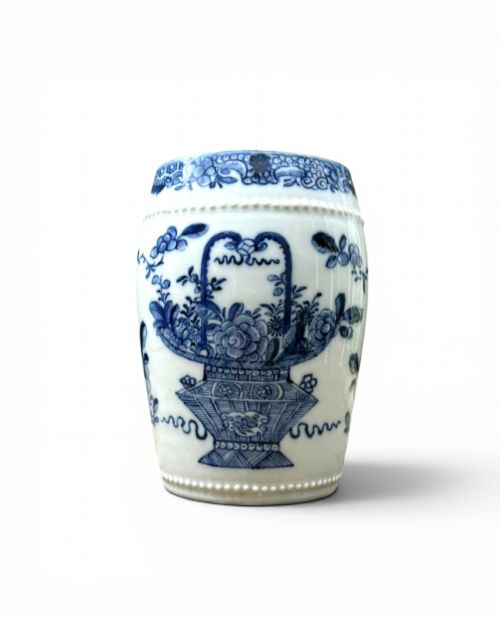
Glassware relies on lead crystal and soda glass, shaped by blowing into moulds or free-blowing before wheel-cutting and engraving. Ceramics such as porcelain and earthenware were thrown on wheels or cast in moulds, then hand-painted or glazed before kiln firing.
Antique Drinkware Retail Price Guide 2026
Typical asking prices for drinkware among the pieces listed under this phrase on Sellingantiques today, from the lower quarter to the upper quarter. They describe what is for sale here now, not the wider market.
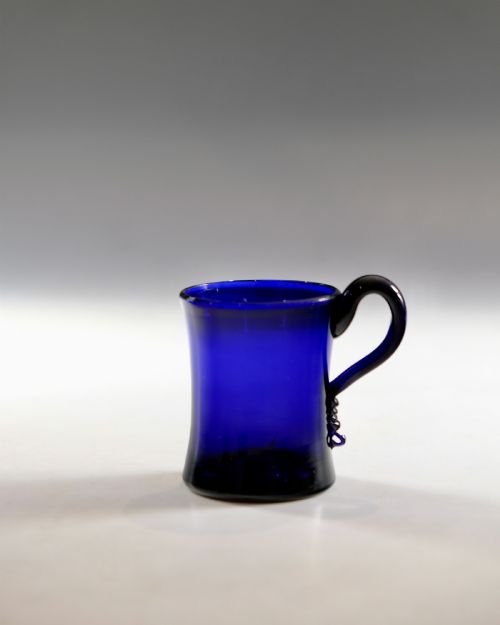
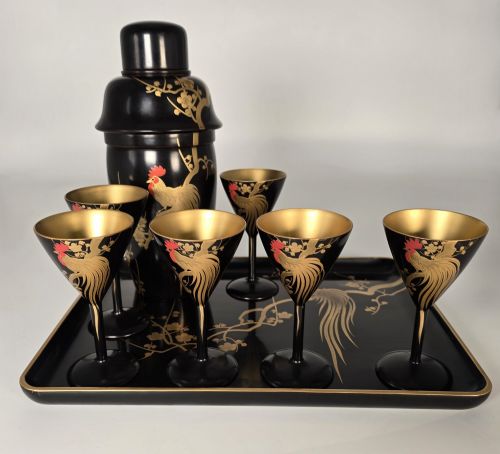
Object types range from silver pint tankards and porcelain chocolate cups to complete suites of French Art Deco drinking glasses.
Distinctions in quality
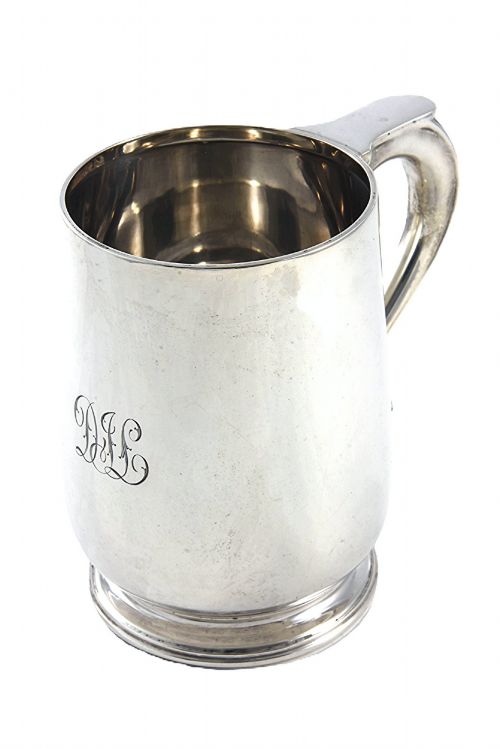
Quality rests in the crispness of the cutting on crystal, the weight and gauge of the silver, and the precision of the engraving or painted detail. Superior glass shows sharp, deep facets that catch the light, while better silver maintains thick walls and clear, legible hallmarks.
The balance of the vessel and the integrity of its construction separate standard domestic items from exhibition pieces. Matched sets with uniform thickness and consistent colour throughout every glass command greater attention from collectors.
William Grundy·Richard Morton·G R Collis·George Unite·Otto Prutscher
The Antique Drinkware Glossary
- Old Sheffield Plate
- A composite material made by fusing a sheet of silver to a copper ingot, produced before electroplating was invented.
- Rummer
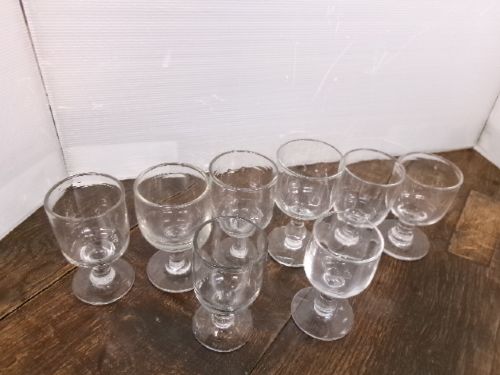
- A large, heavy-stemmed drinking glass popular in the eighteenth and nineteenth centuries for ale, wine or spirits.
- Tankard
- A tall, cylindrical drinking vessel with a single handle, frequently fitted with a hinged lid in earlier examples.
- Hallmark
- A series of stamped marks on silver indicating the maker, assay office, standard of purity and year of manufacture.
- Lead crystal
- Glass containing lead oxide, which increases weight, brilliance and the sonorous ring of the material when struck.
Antique Drinkware: Frequently Asked Questions
How do I date a silver tankard?
Silver tankards carry hallmarks stamped directly into the metal, usually near the rim or base. These marks include symbols for the town, the maker and a date letter.
Matching the letter to published assay office records gives the exact year the piece was tested and certified.
Can I use antique glassware for dining?
Most antique drinking glasses are structurally sound enough for regular use at the table. Hand washing in warm water preserves the clarity of the material and prevents thermal shock.
Avoid dishwashers, as harsh detergents and high heat will cloud old glass and damage delicate engraved surfaces.
What is Old Sheffield Plate?
Old Sheffield Plate is an early form of silver plating created by fusing sterling silver to a copper core. The process produced sturdy items that mimic solid silver.
With age, the copper often shows faintly through the silver wear points, a characteristic prized by collectors.
How do I identify cut crystal?
Cut crystal feels noticeably heavier than standard glass due to its high lead content. The facets are sharp to the touch and produce a clear, sustained musical ring when gently tapped.
Under magnification, hand-cut facets reveal microscopic polishing lines left by the wheel.