





Antique Drinking Jug
These antique drinking jug examples span centuries of social customs, offering tactile vessels shaped from pewter, ceramic and glass.
Antique Drinking Jug
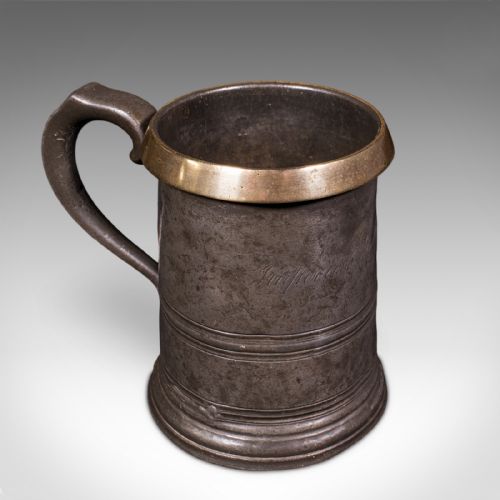
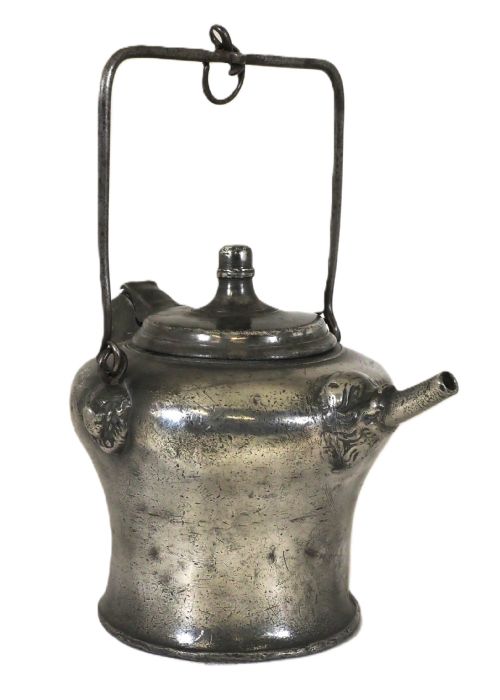
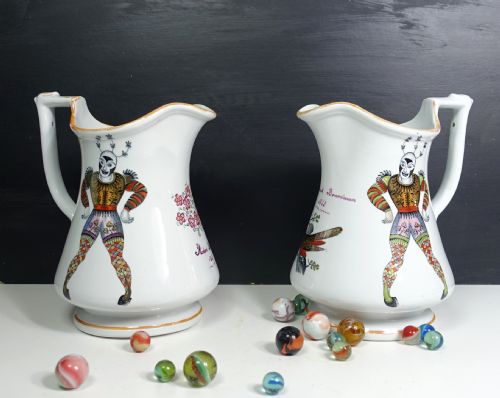
An antique drinking jug encompasses utilitarian and decorative vessels designed for holding beverages, ranging from modest tavern tankards to elaborate porcelain mugs. When people search for an antique drinking jug, they encounter forms as varied as Georgian Derby porcelain mugs, Victorian public house pewter quart jugs, and 18th-century Swiss biberon water vessels.
The objects listed on this page cross multiple periods including Georgian, Victorian, Edwardian, and Art Deco eras. Object types include mugs, tankards, puzzle jugs, glassware services, and pitchers manufactured across England, Bohemia, and Switzerland.
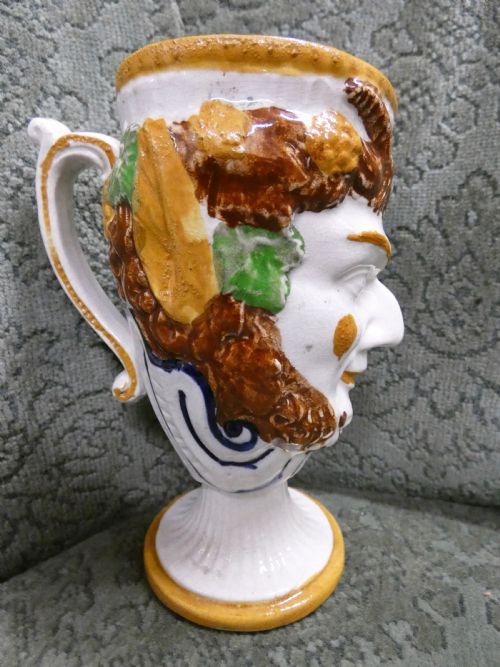
The typical antique drinking jug on this page reflects domestic and social drinking habits of past centuries, utilising diverse forms such as Staffordshire Bacchus frog mugs and Doulton Lambeth salt glaze puzzle jugs. These pieces serve as tangible links to historical hospitality and social gatherings.
How they were made
Makers shaped these vessels using traditional materials like pewter, ironstone, bisque porcelain, salt-glazed ceramic, and intaglio-cut glass. Metal items often show casting and hand-finishing techniques typical of pewterers and silversmiths.
Ceramic examples employ moulding, salt glazing, and hand-painting with pigments and occasional gold leaf accents. Glassware services utilise blowing, moulding, and intricate rock crystal intaglio cutting to achieve decorated surfaces.
Antique Drinking Jug Retail Price Guide 2026
Typical asking prices for drinking jug among the pieces listed under this phrase on Sellingantiques today, from the lower quarter to the upper quarter. They describe what is for sale here now, not the wider market.
Frog mugs hiding miniature ceramic amphibians inside intended to leap out at thirsty drinkers upon their final sip.
What varies in quality
Glassware sets demonstrate quality through the clarity of the metal, the depth and accuracy of intaglio cutting, and the uniformity of the service pieces. Pewter and metal vessels show differentiation in the heaviness of the gauge, structural integrity, and the subtlety of touchmarks or hand-finishing.
Webb Corbett·Doulton Lambeth·Duesbury And Kean
The Antique Drinking Jug Glossary
- Pewter
- A malleable metal alloy consisting primarily of tin, traditionally used for tavern tankards and utilitarian drinking vessels. It develops a soft patina over centuries of handling.
- Puzzle jug
- A ceramic vessel with a perforated neck and misleading passages that challenges the drinker to consume the contents without spilling. They often feature humorous or satirical rhymes.
- Salt glaze
- A ceramic finish created by throwing common salt into the kiln during high-temperature firing, producing a textured orange-peel surface. This durable glaze resists acids and moisture.
- Intaglio
- A technique where design elements are incised or cut beneath the surface of glass or stone, creating a sunken relief. It requires steady hand-cutting by skilled craftspeople.
- Parian ware
- A fine-grained unglazed bisque porcelain resembling white marble, developed in the 19th century for decorative busts and figures. It was frequently utilised for sophisticated drinks jugs.
- Bacchus frog mug
- A drinking vessel modelled after Bacchus, the classical deity of wine, typically incorporating hidden frogs inside the rim to startle the drinker. These novelty items date back to the Georgian period and earlier.
Antique Drinking Jug: Frequently Asked Questions
What is a puzzle jug used for?
A puzzle jug served as a playful tavern drinking game where guests attempted to drink from the vessel without spilling its contents through the perforated neck.
These ceramic items required the drinker to cover hidden holes with their fingers while drawing liquid through a specific hollow handle.
How do I clean an old pewter jug?
Old pewter requires gentle washing in warm soapy water using a soft cloth, followed by thorough drying to prevent water spots.
Avoid aggressive metal polishes that strip away the historical patina built up over generations of use.
How can I tell a Georgian mug from a Victorian one?
Georgian mugs often display hand-painted enamel details or softer porcelain bodies associated with factories like Derby, reflecting earlier neoclassical aesthetics.
Victorian pieces frequently lean towards heavier salt-glazed ceramics, functional public house pewter, or mass-produced parian figures reflecting industrial advancements.
Were these glass sets meant for daily use?
Many Edwardian and Art Deco glass services were produced for formal entertaining and dining rituals rather than rugged everyday drinking.
Intaglio-cut pitchers and matching glasses remained prized possessions kept in cabinets until special social occasions.