



Antique Drinking Chalice
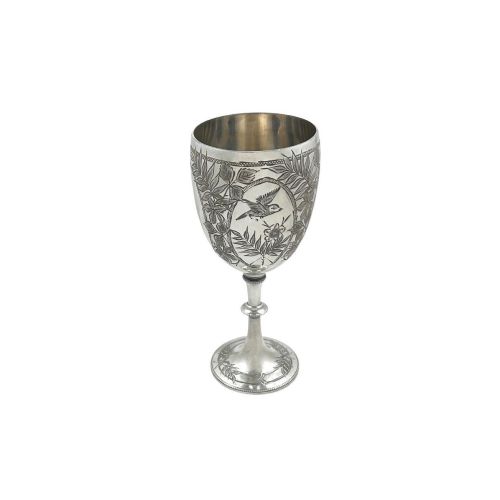
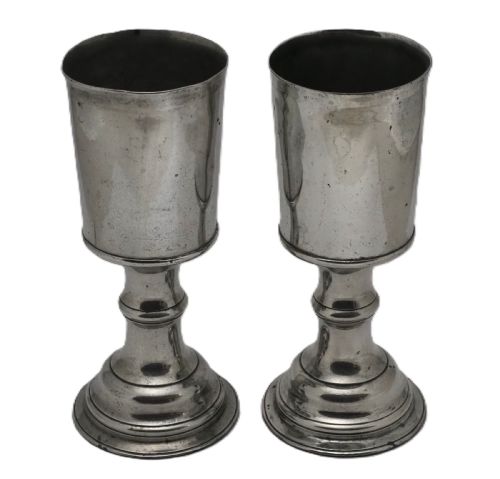
An antique drinking chalice unites ceremony and craft, taking the form of substantial silver, carved wood or heavy lead glass meant for toasts.
Antique Drinking Chalice
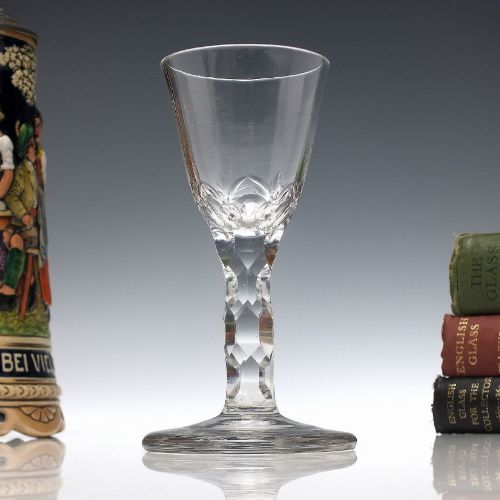
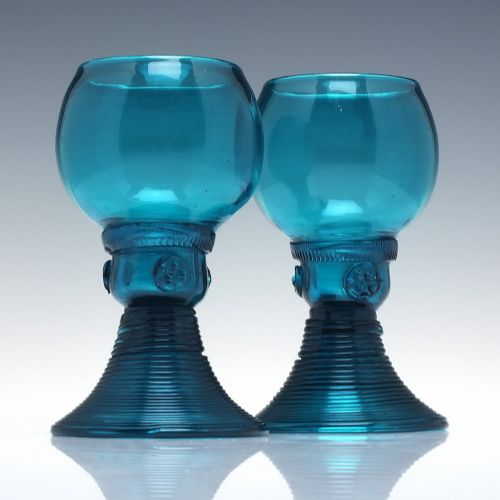
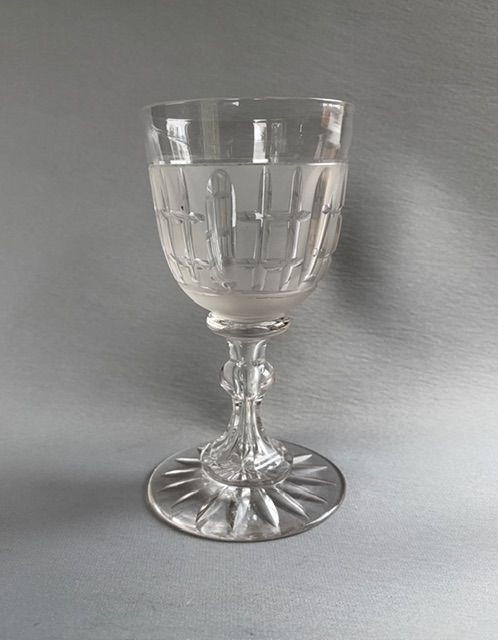
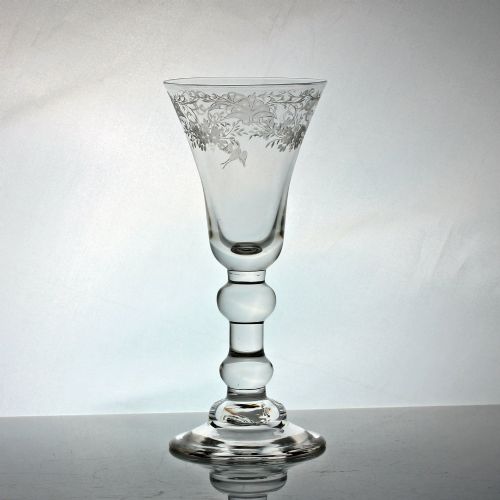
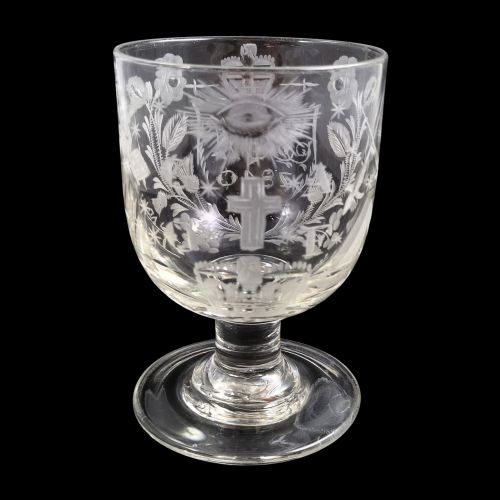
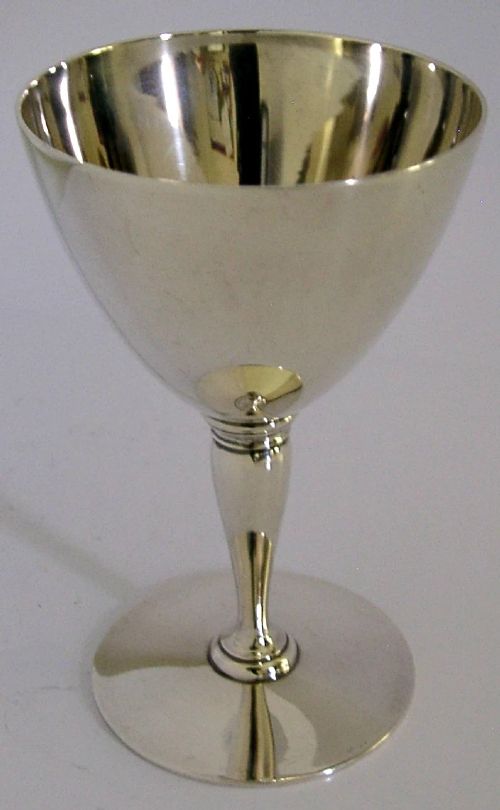
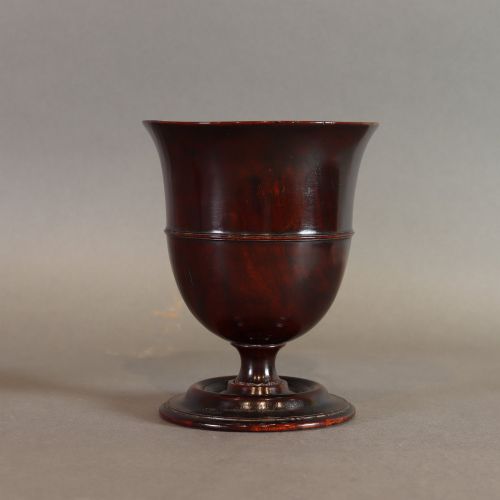
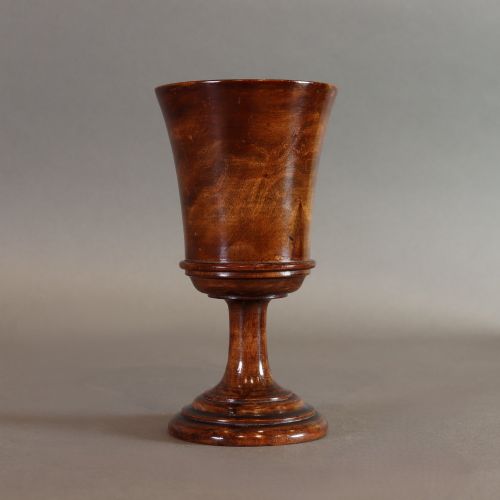
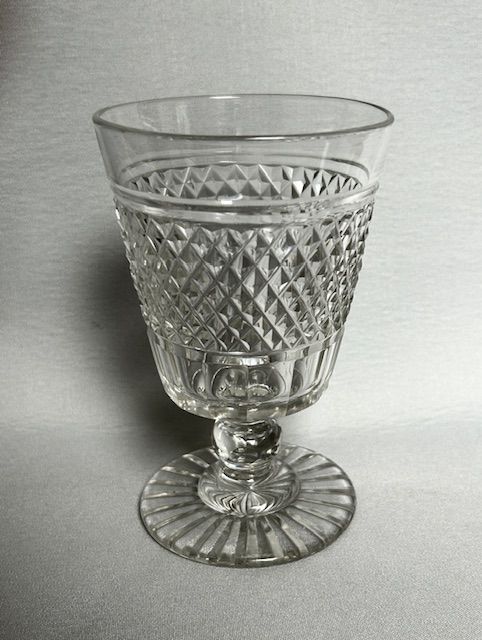
When searching for an antique drinking chalice, buyers encounter a diverse selection spanning centuries, primarily manifesting as heavy glass rummers, sterling silver presentation pieces, and turned treen vessels. These objects range from eighteenth-century English lead-glass wine goblets with engraved stems to nineteenth-century continental enameled glass and bronze Grand Tour cups.
The material vocabulary is broad, encompassing lead crystal, pewter, fruit wood, lignum vitae, and parcel-gilt silver. Form follows function across these examples, appearing as pedestal goblets, balustroid wine glasses, capacity chalices, and deep-bowled rummers designed for communal or ceremonial toasts.
Origin and period dictate much of what appears, stretching from early continental pieces to Georgian and Victorian British glassware and silver. Buyers find both monumental pairs and intimate single vessels, each carrying the distinct manufacturing traits of its decade of production.
Materials and Techniques
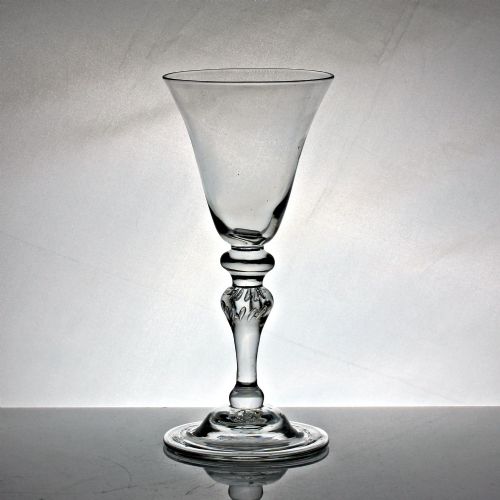
Glass vessels rely on blowing and hot-tool manipulation, often featuring lead glass that allowed deep wheel-engraving, hobnail cutting, and air-twist or corkscrew stem formations. Enamelling, gilding, and moulding techniques add surface decoration to bohemian and French wares.
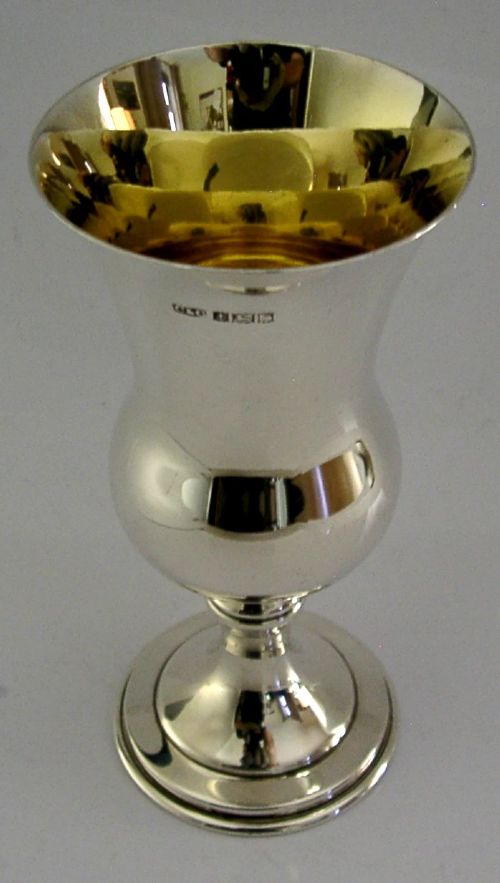
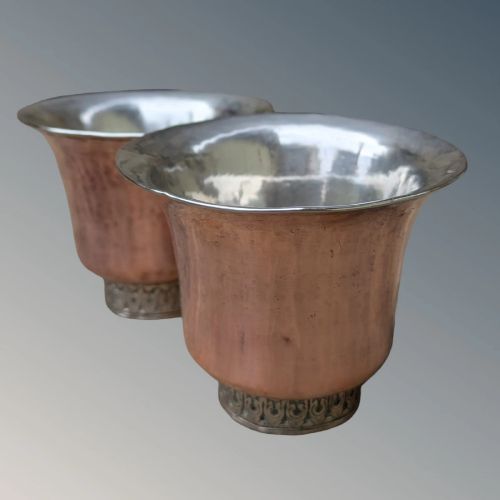
Silver and metal items demonstrate silversmithing skills through casting, raising, chasing, and parcel-gilding, creating vase-shaped bodies and inscribed surfaces. Treen examples utilise wood-turning on a lathe, shaping dense domestic timbers like boxwood, plum wood, and lignum vitae into solid pedestals.
Antique Drinking Chalice Retail Price Guide 2026
Typical asking prices for drinking chalice among the pieces listed under this phrase on Sellingantiques today, from the lower quarter to the upper quarter. They describe what is for sale here now, not the wider market.
Listings feature vessels in lead glass, sterling silver, bronze, pewter, and turned woods like lignum vitae across the Georgian and Victorian periods.
Markers of Distinction
Quality rests upon the crispness of execution, whether in the depth and clarity of wheel-engraving on glass or the weight and balance of a sterling silver body. Superior pieces display deliberate proportion, where stem, bowl, and foot exist in harmonious visual tension rather than awkward heft.
The complexity of the manufacturing technique elevates a piece, such as multi-ply twist glass stems, intricate polychrome enamel work, or substantial gauge silver bearing legible hallmarks. Condition and survival of original surface patination in treen or bronze further separate standard utility items from masterworks.
TIFFANY & Co·Wang Hing & Co·John hunt and Robert Roskell·William Eaton
The Antique Drinking Chalice Glossary
- Rummer
- A large, heavy drinking glass with a thick stem and broad bowl, popular in the Georgian and nineteenth-century periods for ale, wine, or punch.
- Treen
- Small handmade wooden objects of domestic use, shaped by turning on a lathe from dense hardwoods like lignum vitae or fruit wood.
- Baluster stem
- A thick, swelling glass stem shape characteristic of eighteenth-century drinking vessels, often featuring knops or air bubbles.
- Wager cup
- A hinged drinking vessel in human or bell form, traditionally used in wedding or tavern challenges to drink without spilling.
- Parcel-gilt
- Silver objects that are partially gilded with gold on specific interior or exterior areas to create a two-tone metallic contrast.
Antique Drinking Chalice: Frequently Asked Questions
What is an antique drinking chalice used for?
These vessels served ceremonial, celebratory, and domestic drinking functions, holding wine, ale, rum, or punch during toasts and communal gatherings.
Heavier glass rummers and silver goblets were built for frequent tavern or dining room use, while delicate engraved wine glasses marked specific marriages or historical events.
How do I date an old glass goblet?
Dating relies on stylistic clues such as stem formation, bowl shape, and the presence of lead in the glass matrix, which alters light refraction and weight.
Plain stems, balustroid forms, air twists, and specific engraving styles help narrow production from the mid-eighteenth century through to the Victorian era.
Are wooden chalices safe to use?
Treen goblets turned from dense woods like lignum vitae were historically used for liquids, but porous older woods generally require careful handling today.
Most collectors treat wooden chalices as display pieces rather than functional tableware to preserve the dry historic patina and prevent splitting.
What is a rummer glass?
A rummer is a sturdy, capacious drinking glass featuring a short, thick stem and an ovoid or bucket-shaped bowl designed for robust daily toasts.
Originating in the late eighteenth and early nineteenth centuries, they frequently display heavy cutting, engraved sailing ships, or monograms.