




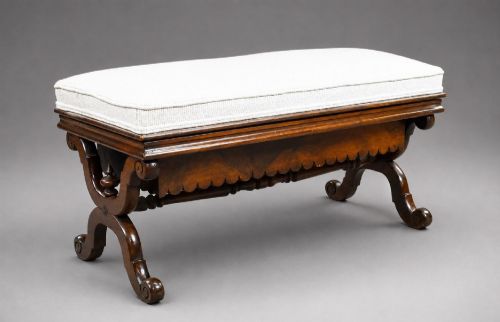
Antique Dressing Bench
An antique dressing bench brings low seating and soft upholstery to a bedroom, combining practical utility with period craftsmanship.
Antique Dressing Bench
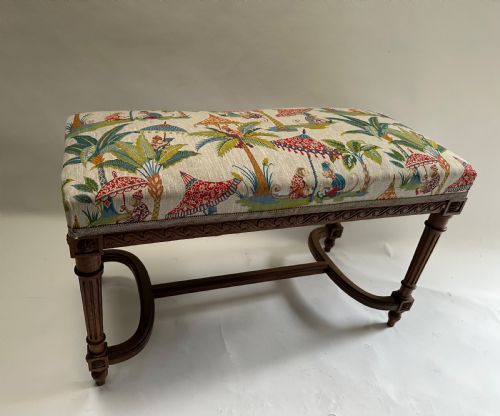
An antique dressing bench encompasses compact stools, low seats and upholstered benches designed for vanity tables, bedrooms and pianos. These pieces appear across various historical eras, functioning as movable seats that fit neatly beneath dressing tables or stand beside bedroom windows.
The selections recorded on this page span the eighteenth, nineteenth and early twentieth centuries, covering periods from the Georgian and Regency eras through Victorian, Edwardian and Art Deco designs. Buyers frequently encounter nineteenth-century walnut and mahogany examples alongside Edwardian and Art Deco variations.
Forms range from simple rectangular frames to elaborate carved seating, incorporating footstools, piano stools and dressing table stools. Originating from English, French, Swedish and Anglo-Indian workshops, these pieces demonstrate diverse regional tastes in domestic seating.
Materials and construction methods
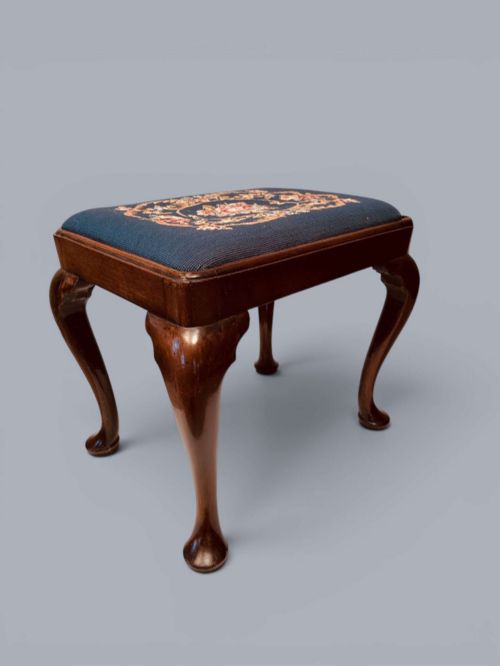
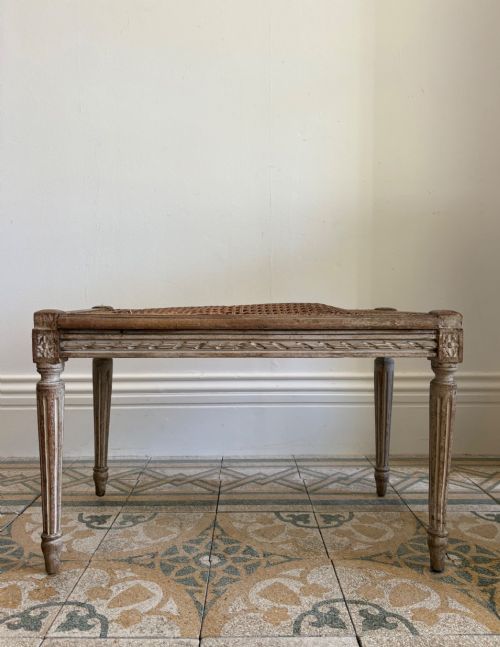
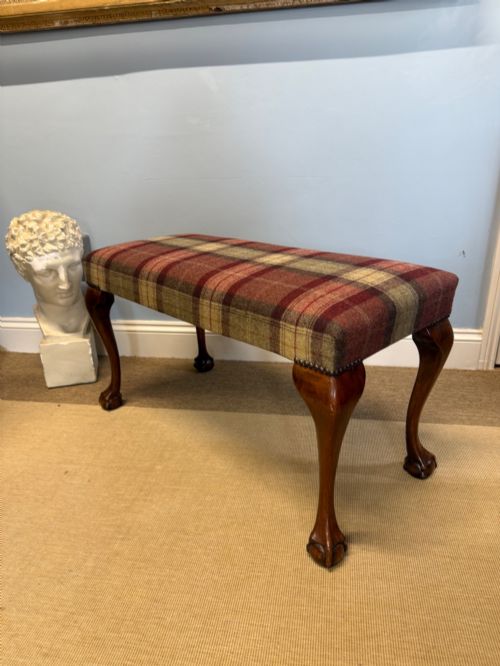
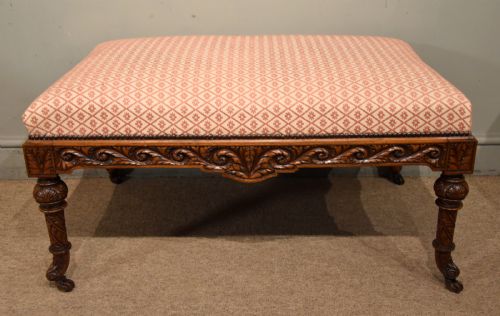
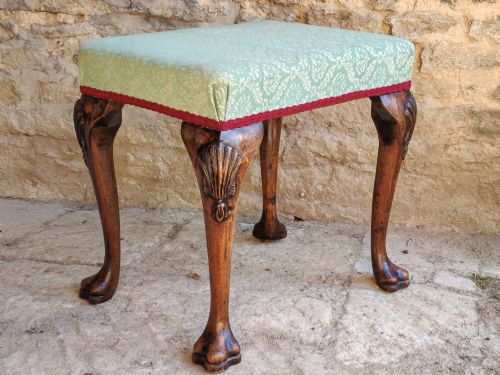
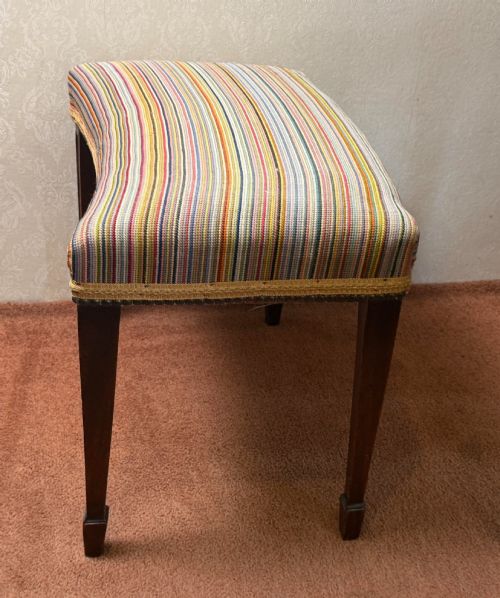
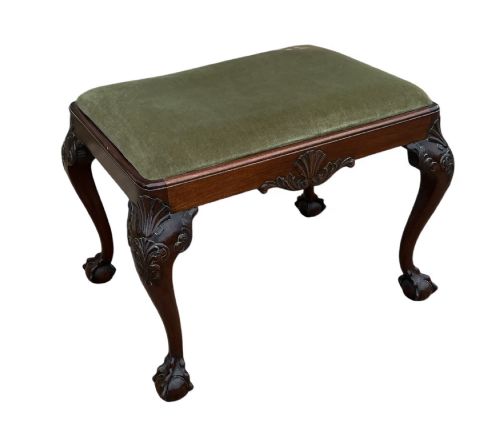
Cabinet makers utilised dense hardwoods such as mahogany, walnut and rosewood for structural frames, frequently employing burr maple, satin birch or painted finishes for decorative effect. Timber frames were shaped with carved cabriole legs, square tapering legs, or turned supports.
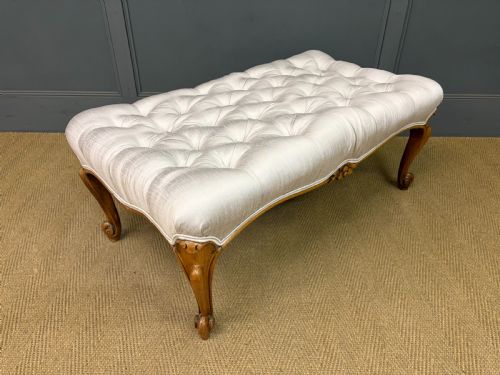
Seating portions incorporate traditional upholstery methods using fabric, silk, velvet, leather and needlepoint textiles. Frames often feature joinery techniques specific to their period, ranging from Georgian mahogany joinery to Edwardian ebonised finishes and Art Deco veneers.
Antique Dressing Bench Retail Price Guide 2026
Typical asking prices for dressing bench among the pieces listed under this phrase on Sellingantiques today, from the lower quarter to the upper quarter. They describe what is for sale here now, not the wider market.
Listings feature mahogany, walnut and rosewood frames alongside painted wood and textile upholstery across the nineteenth and twentieth centuries.
Quality variations in antique seating
Quality rests in the crispness of the timber carving, the selection of figured wood grains such as burr maple or walnut, and the integrity of the frame construction. Superior examples show refined proportions and careful detailing on legs and rails.
The choice of covering materials, whether original silk, leather or period needlepoint, contributes to the distinction between standard production items and finer pieces. Original upholstery treatments and well-executed restorations maintain the character of the piece.
Harry and Lou Epstein
The Antique Dressing Bench Glossary
- Cabriole leg
- A furniture leg that curves outward at the knee and tapers inward toward the foot, often ending in a pad or scroll. This form appears frequently on eighteenth and nineteenth-century seating.
- Biedermeier
- A Central European style dating to the nineteenth century characterised by clean lines, minimal ornamentation and an emphasis on the natural grain of timbers like satin birch. Pieces from this tradition focus on domestic comfort and utility.
- Ebonised
- Wood treated with a dark finish to imitate ebony. This technique was popular in Victorian and Edwardian cabinet making.
- Gustavian
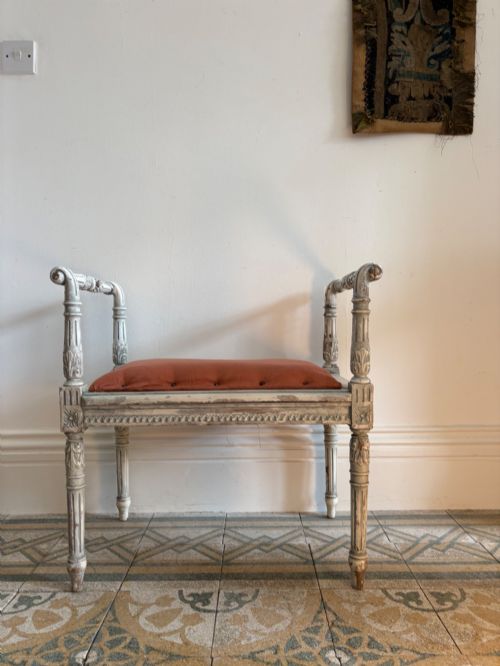
- A Swedish neoclassical style featuring light-coloured painted finishes and restrained classical ornamentation. These items often display pale wood or painted wooden frames with silk seats.
- Needlepoint
- Hand-stitched canvas work used for upholstery on chair and stool seats. It provides a textured decorative surface characteristic of period domestic items.
Antique Dressing Bench: Frequently Asked Questions
What is an antique dressing bench used for?
An antique dressing bench serves primarily as seating before a vanity or dressing table in a bedroom. These low seats also function as piano stools or small movable benches in hallways and sitting rooms.
Because of their compact size, they fit easily into various domestic spaces where extra temporary seating is required.
How do I identify a Victorian dressing bench?
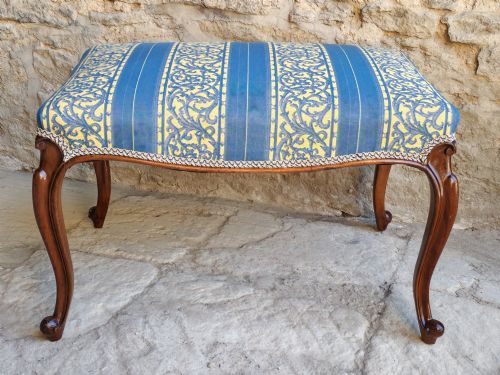
Victorian examples often feature dark hardwoods like walnut or rosewood, frequently incorporating carved cabriole legs or button-upholstered seats. The timber work tends to be substantial and ornate compared to earlier Georgian designs.
Makers during this period also utilised ebonised finishes and turned wooden supports for bedroom seating.
Can I use an antique stool at a modern dressing table?
Most antique dressing benches and stools are built to standard heights that suit traditional vanity tables. Measuring the clearance beneath your dressing table ensures the bench slides underneath properly.
Upholstery heights can also be adjusted slightly during restoration if needed for comfort.
What distinguishes Art Deco dressing benches?
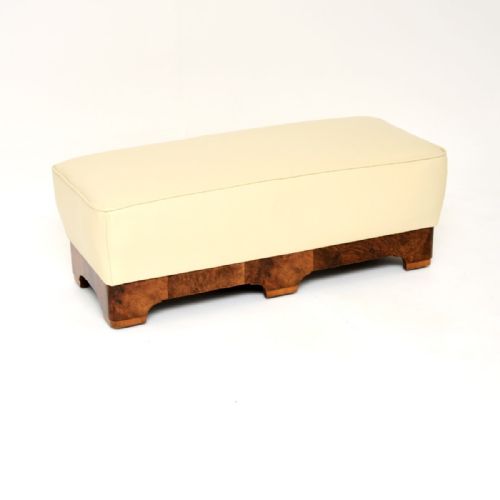
Art Deco benches from the nineteen-thirties typically feature geometric forms, sleek leather upholstery and striking veneers like birds eye maple or walnut. These pieces reflect a shift away from Victorian ornamentation toward streamlined modernism.
Some examples include built-in storage compartments beneath the seat for bedroom items.