



Antique Dresser Hutch
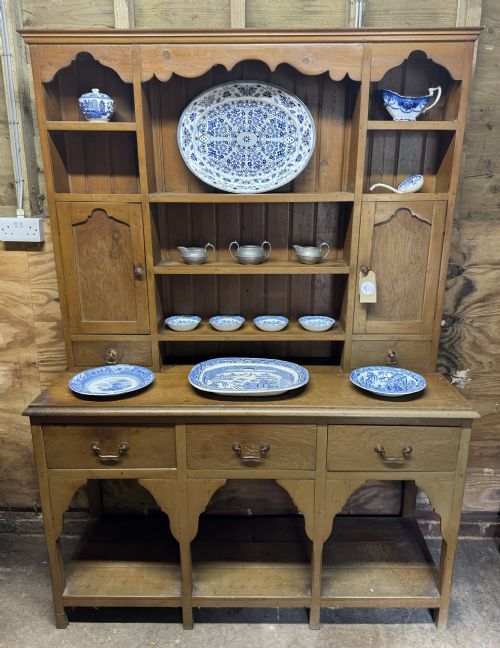
An antique dresser hutch brings centuries of practical storage and display into a room, offering open plate racks and deep base cupboards.
Antique Dresser Hutch
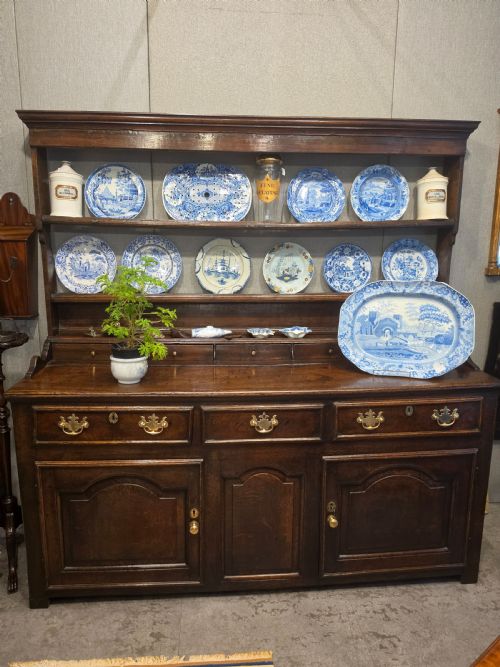
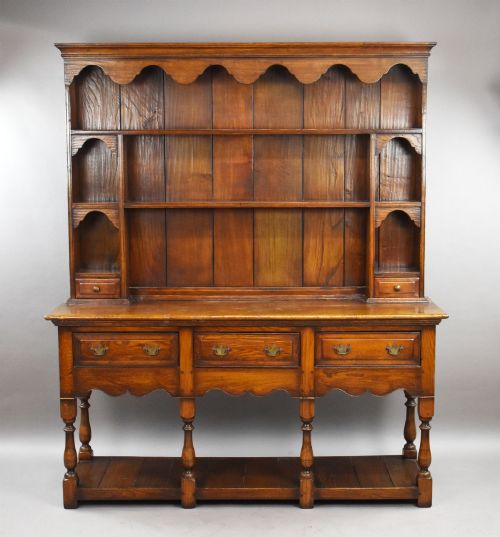
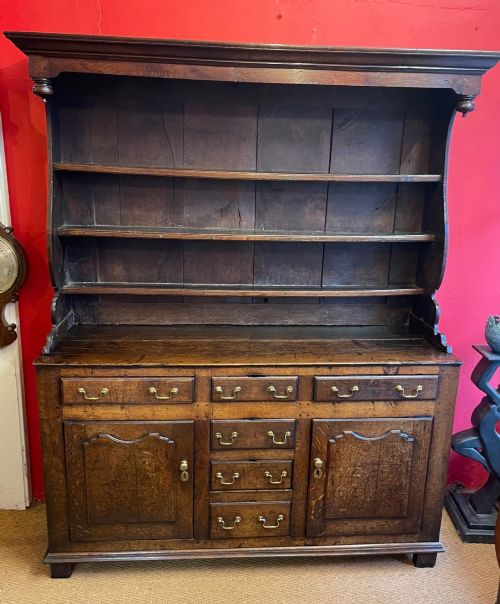
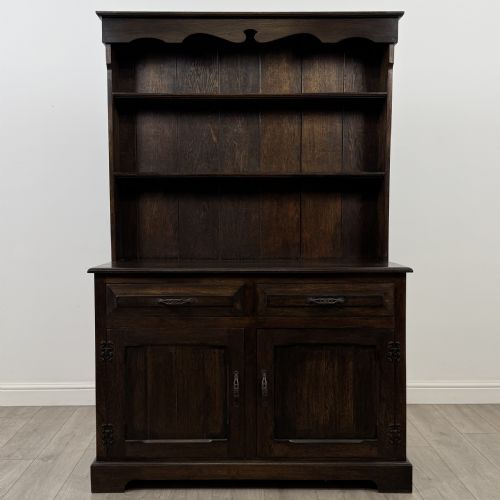
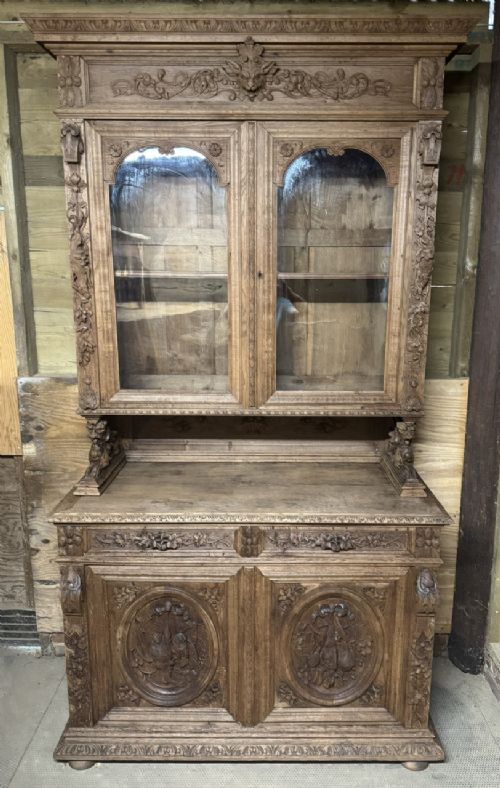
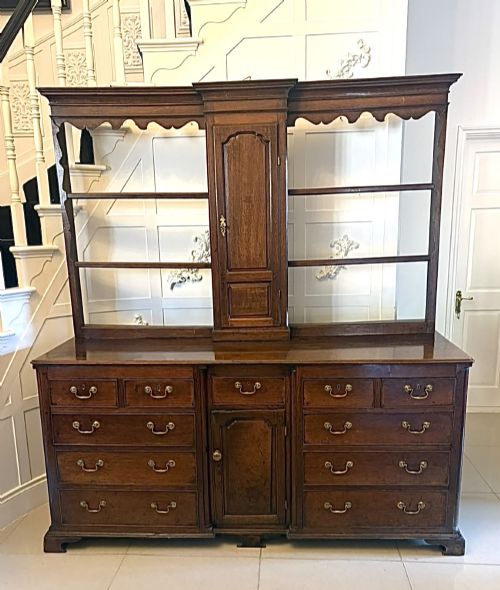
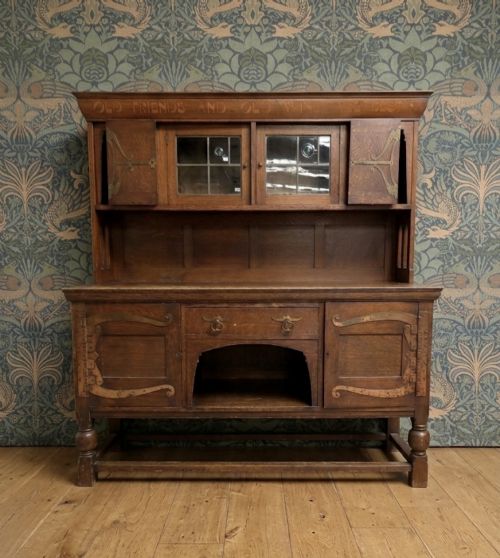
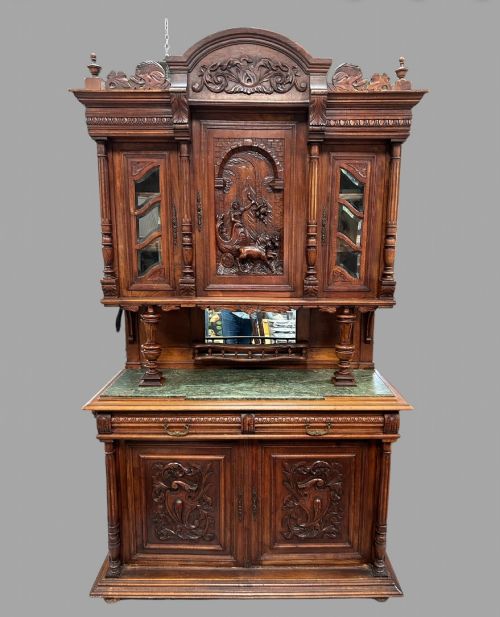
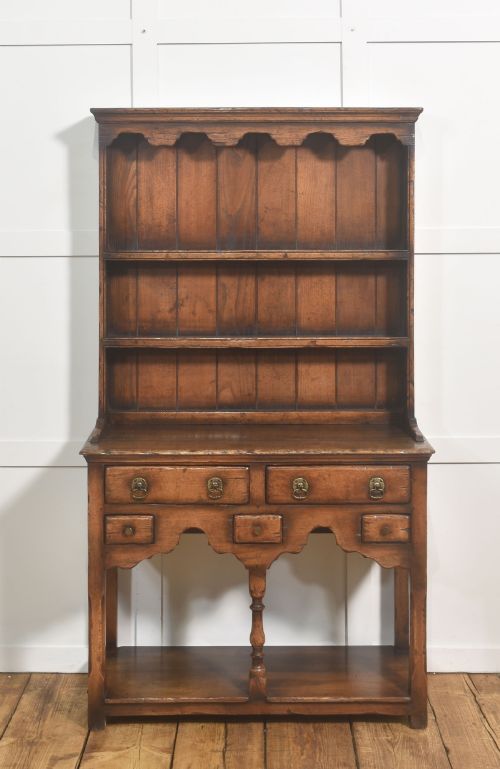
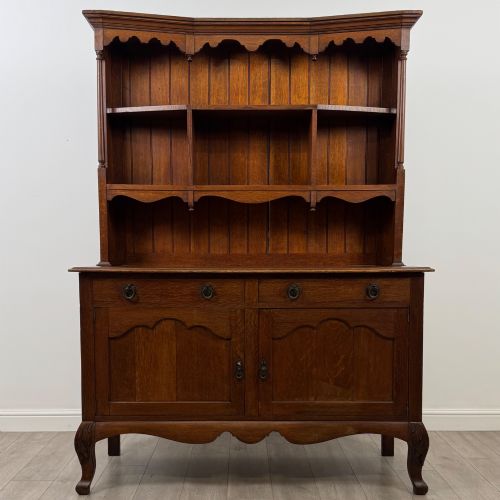
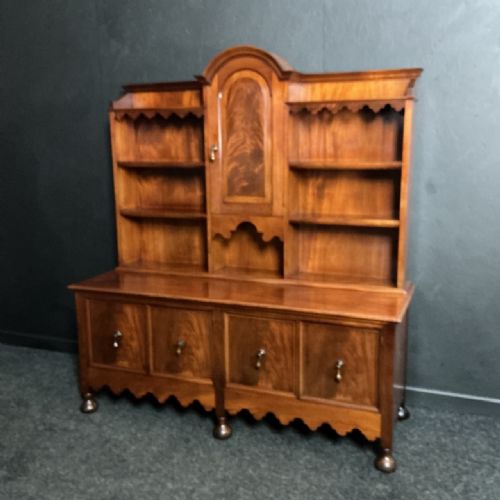
An antique dresser hutch serves as a substantial storage and display piece, combining lower cupboards or drawers with an upper section for plates or glassware. These pieces emerge from various regional traditions, spanning English country workshops, Welsh kitchens, and continental European provinces.
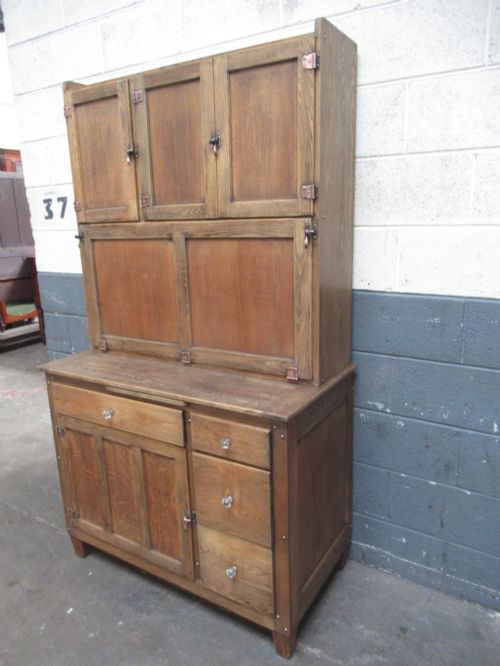
The versions most commonly met on this page span the eighteenth, nineteenth, and early twentieth centuries. Oak and pine dominate the material selection, appearing alongside walnut and mahogany in formal pieces.
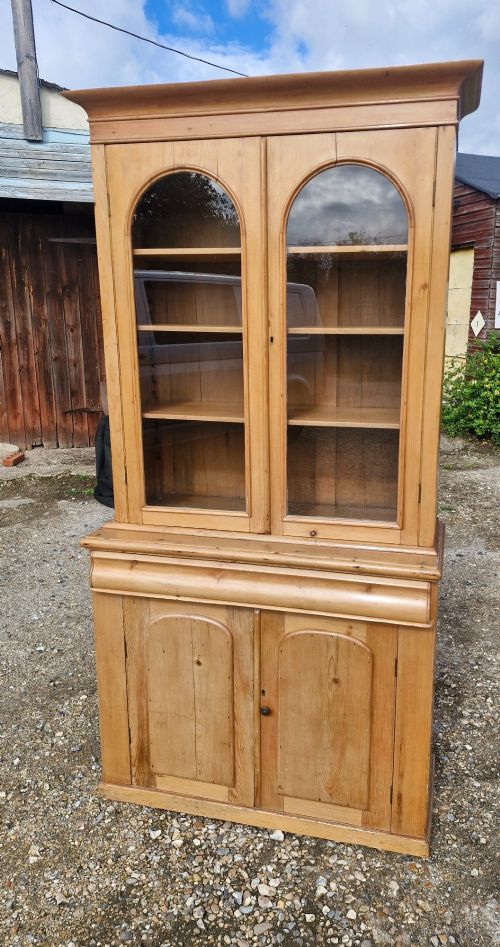
Makers constructed these units either as single integrated items or as two-piece modular units featuring a separate base cabinet and upper plate rack. Regional variations reveal themselves through the configuration of drawers, the height of the plate shelves, and the presence of glazed doors in place of open racks.
Materials and Construction
Joiners relied heavily on native timbers such as oak, pine, and walnut, selecting dense hardwoods for structural integrity and softer woods for domestic utility furniture. Cabinet makers utilised traditional joints, including dovetails for drawer construction and mortise and tenon joints for frames.
Surface treatments range from waxed and polished natural grains to historic painted finishes showing original patinas. Iron and brass hardware, from drop handles to hinges, secure the doors and drawers while marking the period of manufacture.
Antique Dresser Hutch Retail Price Guide 2026
Typical asking prices for dresser hutch among the pieces listed under this phrase on Sellingantiques today, from the lower quarter to the upper quarter. They describe what is for sale here now, not the wider market.
Listings feature oak, pine, and walnut timbers across eighteenth, nineteenth, and early twentieth century periods.
Evaluating Standards
Quality rests upon the integrity of the timber selection and the retention of original components, such as backboards, hardware, and plate racks. Pieces retaining their original surface patinas or authentic historic paint command higher regard than those stripped down or heavily restored.
Refined craftsmanship appears in the precision of the dovetailing, the symmetry of turned legs or carved details, and the proportional balance between the heavy base and the lighter upper rack.
Ambrose Heal for Heal & Son
The Antique Dresser Hutch Glossary
- Plate rack
- An open upper framework featuring narrow shelves with plate grooves or retaining laths to display ceramic tableware upright.
- Patina
- The surface sheen and colour acquired through decades of handling, waxing, and exposure to light.
- Breakfront
- A cabinet design where the central section projects forward from the flanking outer sections.
- Dovetail
- A traditional interlocking corner joint formed by wedge-shaped pins and tails, ensuring strong drawer construction.
- Glazed
- Fitted with glass panels within a wooden frame to enclose shelves for dust-free display.
Antique Dresser Hutch: Frequently Asked Questions
How do I style a dresser hutch?
Balance the open shelves with a mix of ceramics, glassware, and framed prints, keeping heavier platters towards the bottom. Use the base cupboards to conceal clutter while letting the countertop hold daily essentials or decorative objects.
Allow the timber tone or painted finish to anchor the room's colour palette. Position the piece against a sturdy wall where its height and proportions can command the space.
Were these hutches used only in kitchens?
While many examples served as functional kitchen furniture for storing dishware and dry goods, finer mahogany and walnut versions stood in dining rooms or parlours. Provincial and country models adapted to domestic needs across farmhouses and cottages alike.
Over time, owners moved these versatile pieces between rooms depending on household storage requirements. Today they transition easily into living spaces and hallways.
How can I tell pine from oak pieces?
Oak exhibits a heavy grain pattern with visible medullary rays, possessing a dense weight and a warm golden-brown tone that deepens with age. Pine is softer, lighter in colour, and displays a straighter, simpler grain structure often enhanced by knots.
Country pieces frequently utilise pine for utility and painted finishes, whereas oak appears across both rustic Welsh dressers and formal revival cabinets.
Are the top and bottom sections separable?
Many examples are constructed as two-piece units where the upper plate rack simply sits upon the lower base cabinet. This modular design aided transportation through narrow farmhouse doors during earlier centuries.
Certain older or more integrated designs are built as a single fixed carcass. Checking the joinery line between the counter surface and the rack reveals how the piece was constructed.