



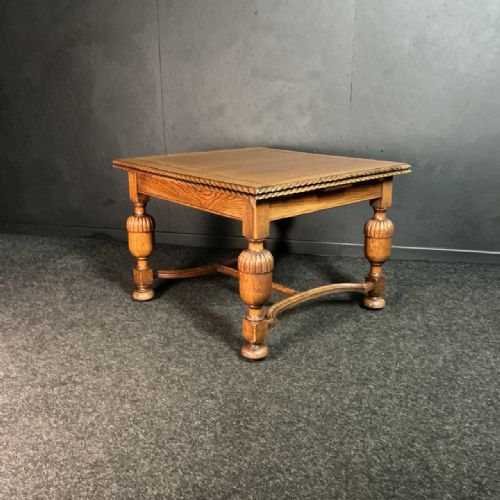
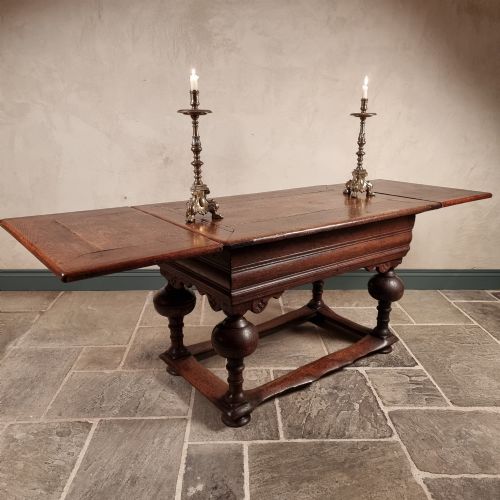
Antique Draw Leaf
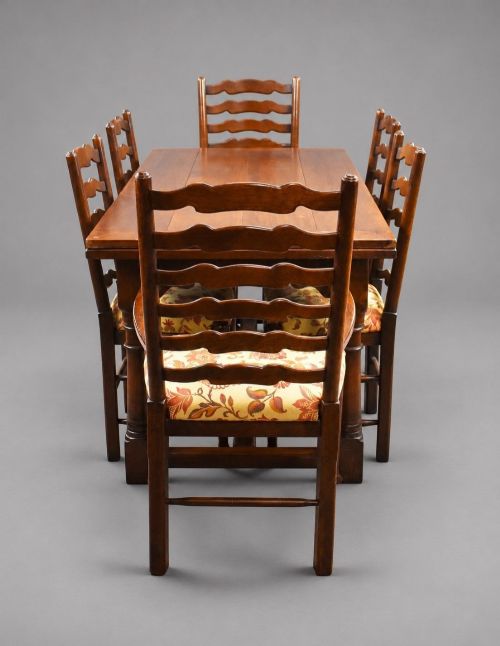
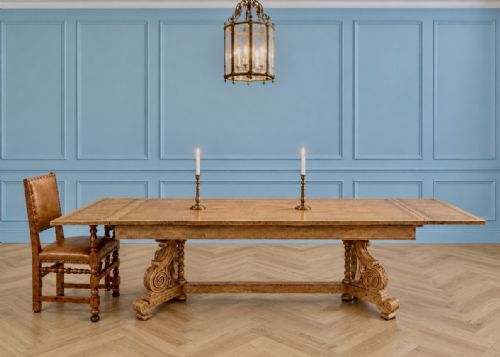
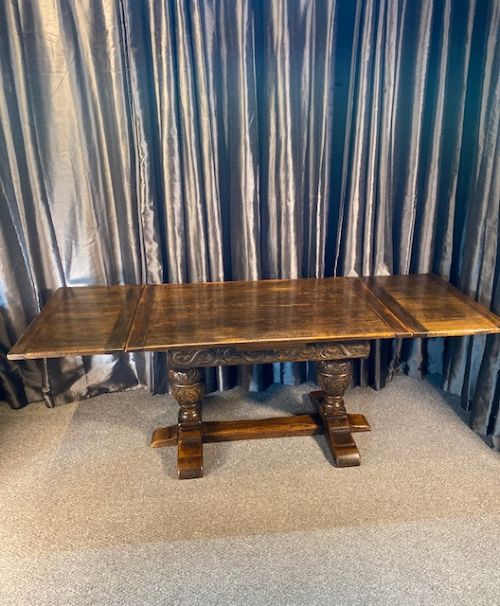
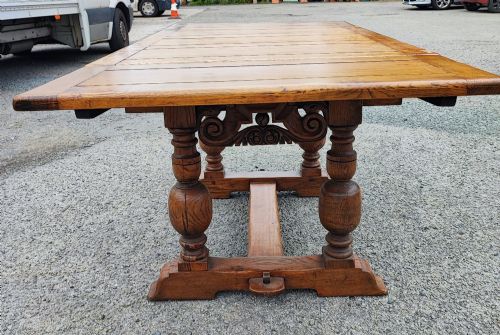
These antique draw leaf tables extend simply from beneath the main surface, offering practical dining space rooted in centuries of craftsmanship.
Antique Draw Leaf
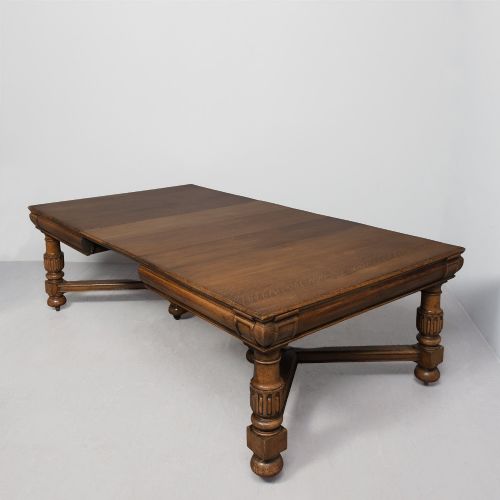
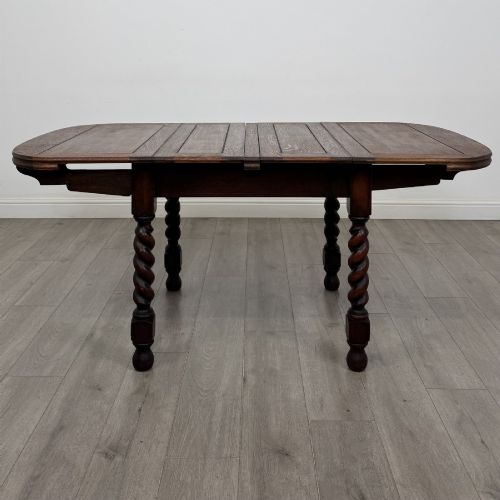
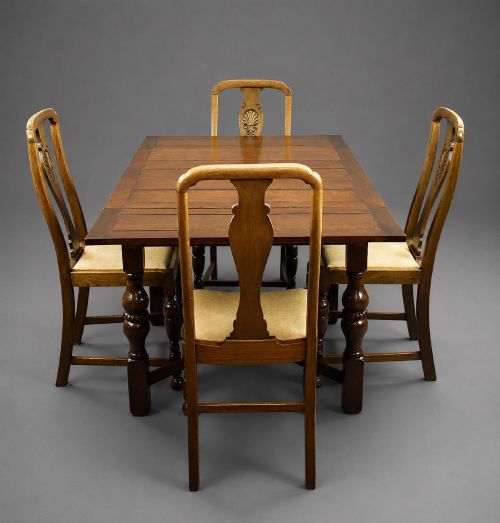
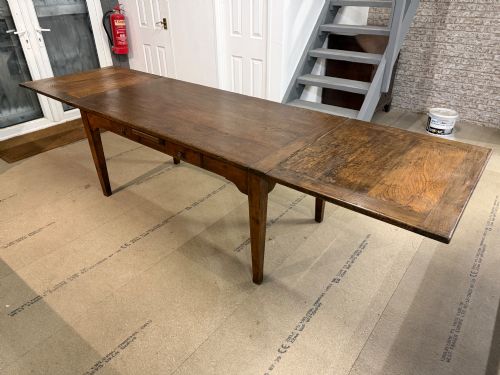
When searching for an antique draw leaf table, buyers find extendable dining furniture designed to expand when extra guests arrive. The mechanism conceals two leaves beneath the main top, sliding outward smoothly to increase surface length.
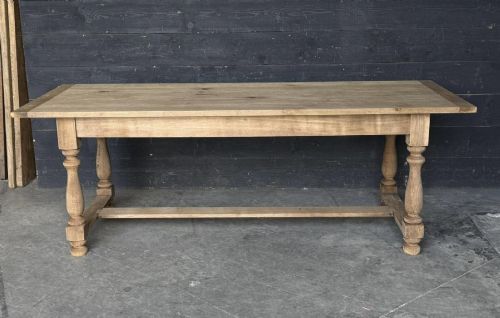
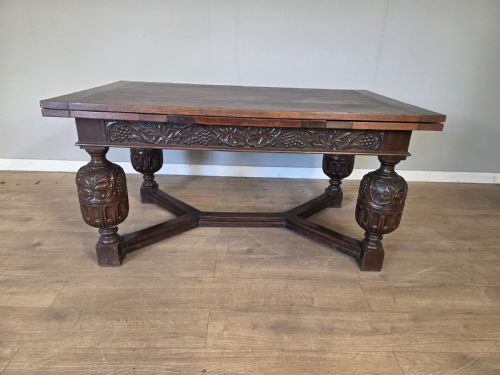
The pieces appearing most frequently on this page are constructed from oak and fruitwood, dating from the seventeenth century through to the Edwardian period and the early twentieth century. Styles range from heavy Jacobean revival refectory forms to lighter French provincial farmhouse tables.
Dining tables dominate the selection, accompanied occasionally by smaller side and drawing room pieces that utilise clever folding or extending mechanisms. Each version provides a dependable surface for daily meals while retaining period character.
Materials and construction methods
Makers relied primarily on solid oak, walnut, mahogany, and fruitwoods such as cherry to build these extending frames. Timber selection depended on regional availability, resulting in robust English refectory designs and refined continental parquetry surfaces.
Joinery techniques involved sturdy mortise and tenon joints to support the weight of the sliding leaves over frequent use. Carved details, inlaid borders, and shaped legs appear across various periods, executed entirely by hand.
Antique Draw Leaf Retail Price Guide 2026
Typical asking prices for draw leaf among the pieces listed under this phrase on Sellingantiques today, from the lower quarter to the upper quarter. They describe what is for sale here now, not the wider market.
Listings feature oak, walnut, mahogany, fruitwood, and cherry across periods spanning the seventeenth century to the early twentieth century.
Judging quality in extending tables
Quality rests upon how precisely the pull-out leaves align with the central top when fully extended. Superior examples operate smoothly without sticking, maintaining a level surface across all sections.
The integrity of the timber and the depth of hand-carved ornamentation separate exceptional workshop pieces from standard utility furniture. Original surface patination and tight structural joinery indicate careful preservation over generations.
Maple and Co·Heals
The Antique Draw Leaf Glossary
- Draw leaf
- An extending table mechanism where two leaves slide out from beneath the main top. This design allows the table to double its seating capacity quickly.
- Refectory table
- A long, narrow dining table traditionally used in communal dining halls. These sturdy wooden tables often feature thick legs connected by floor stretchers.
- Parquetry
- Geometric wood inlay work forming decorative patterns on tabletop surfaces. Makers utilised contrasting timber tones to create intricate visual designs.
- Bread slide
- A pull-out wooden board integrated into furniture to serve food or catch crumbs. This feature appears beneath the main surface on select dining tables.
Antique Draw Leaf: Frequently Asked Questions
How do draw leaf tables work?
The two extension leaves sit on runners directly beneath the main tabletop. Lifting the central top slightly allows the leaves to slide outward from each end.
Once pulled fully into position, the main top drops back down to lock the leaves flush with the surface.
Can I use an antique draw leaf table daily?
These solid timber tables were built for heavy domestic use and suit everyday dining well. Regular waxing protects the wood from daily wear and spills.
Careful handling of the sliding mechanism ensures the internal wooden runners continue to operate smoothly.
How do I identify the period of a table?
Period identification relies on examining the timber species, joinery methods, and carved decorative styles. Seventeenth-century examples display heavy oak refectory frames, while later Victorian and Edwardian pieces show softer lines.
Tool marks and hardware types offer further clues regarding the manufacturing date.
What is the difference between refectory and draw leaf?
A refectory table is simply a long, narrow dining table style defined by its trestle or four-legged stretcher base. A draw leaf table refers specifically to the extending mechanism built into the top.
Many refectory tables incorporate draw leaf extensions, combining both the traditional form and the expanding function.