





Antique Dragon Lamps
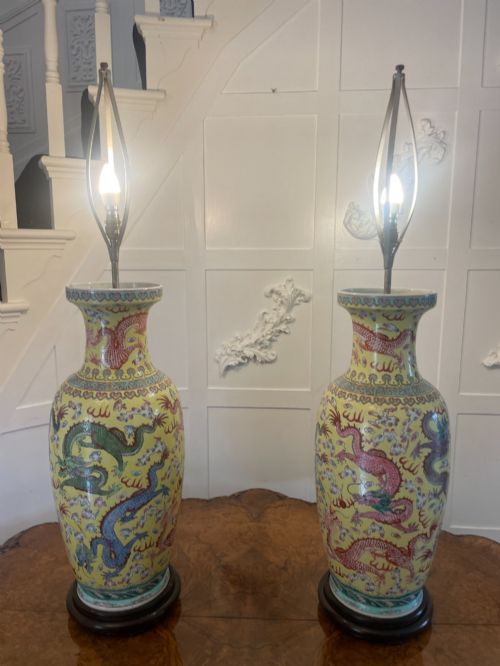
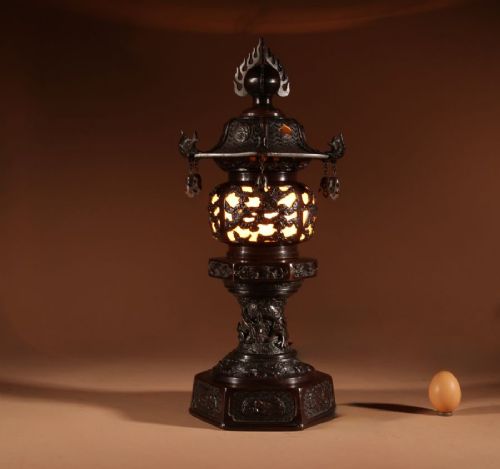
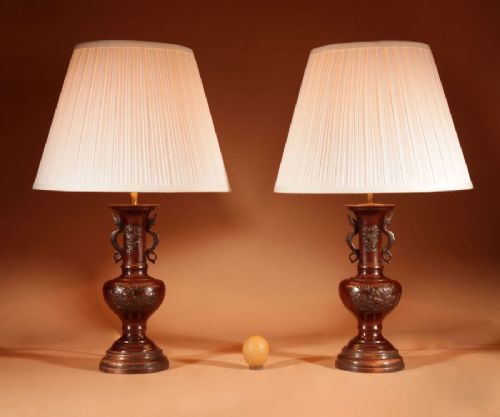
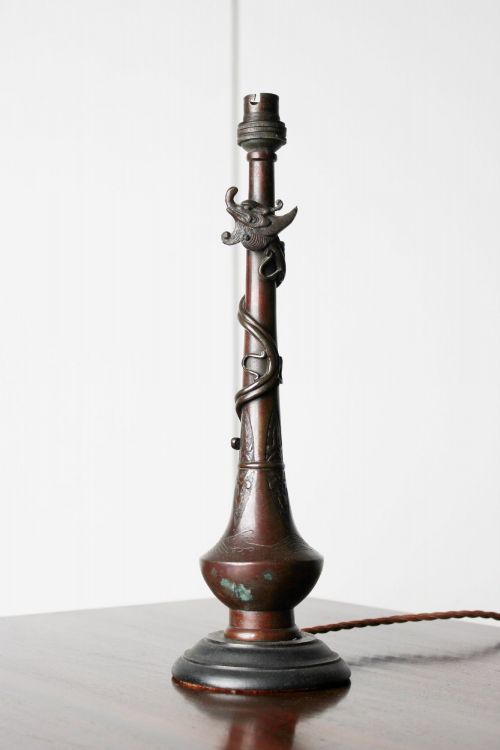
These antique dragon lamps bring sculptural bronze and porcelain illumination into a room, carrying the distinct motifs of the Meiji period and Qing Dynasty.
Antique Dragon Lamps
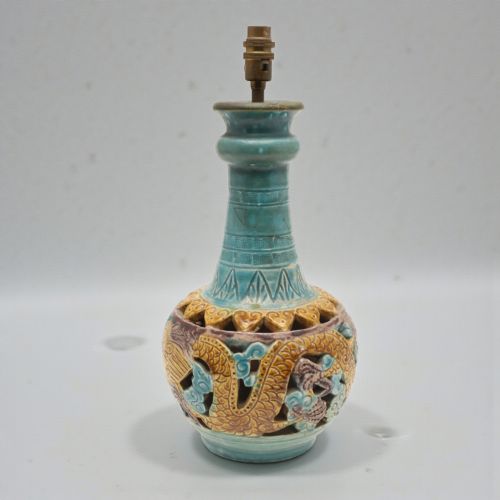
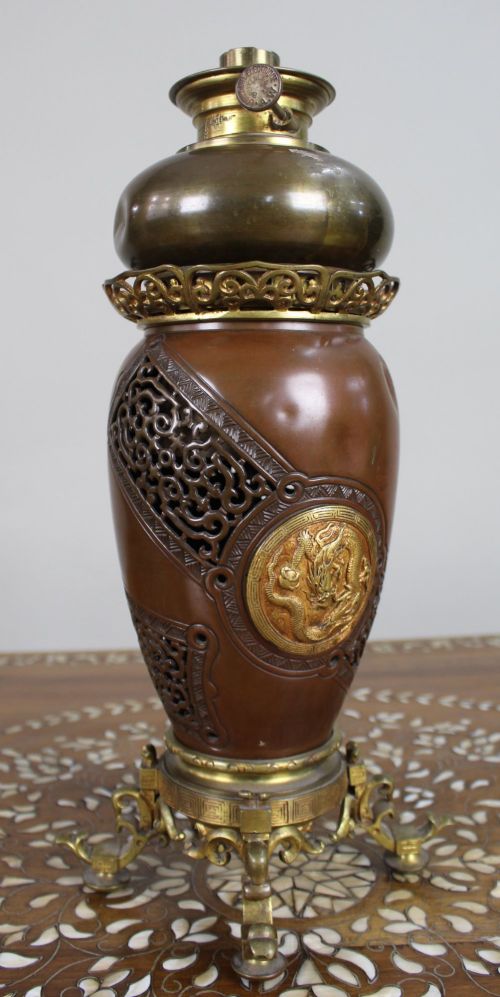
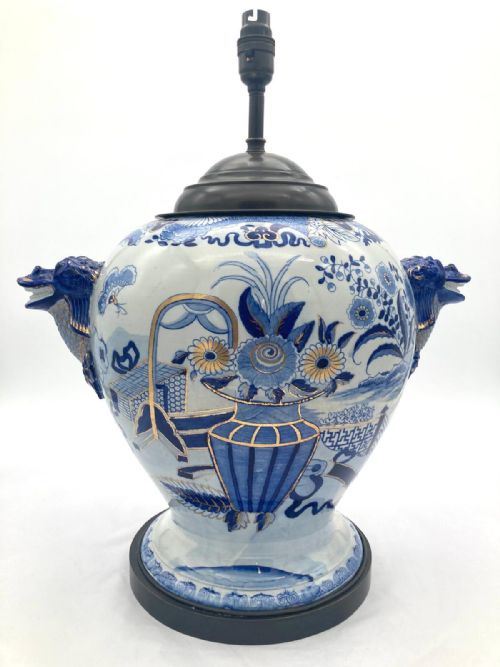
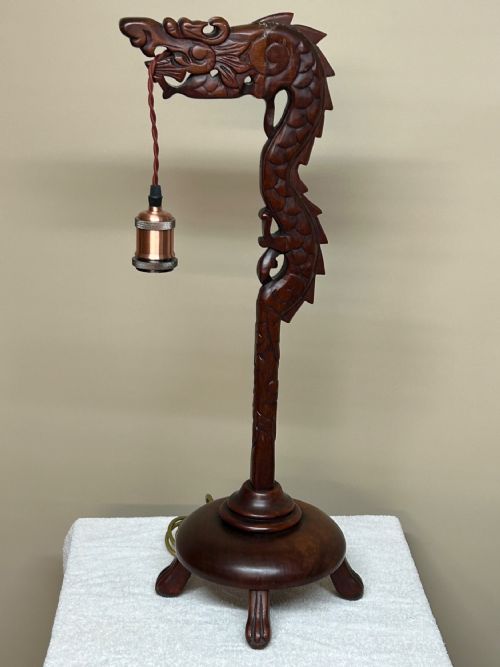
When you search for antique dragon lamps, you encounter a selection spanning the nineteenth century and the early twentieth century, including Edwardian and Regency pieces. The forms take shape primarily as table lamps, floor lamps, and oil lamps, often created by converting vases and lanterns.
The aesthetic bridges several distinct styles, drawing heavily from Chinese Export, Qing Dynasty, and Meiji period Japanese workmanship. You also find Chinoiserie interpretations originating from French and English workshops during the Victorian and Edwardian eras.
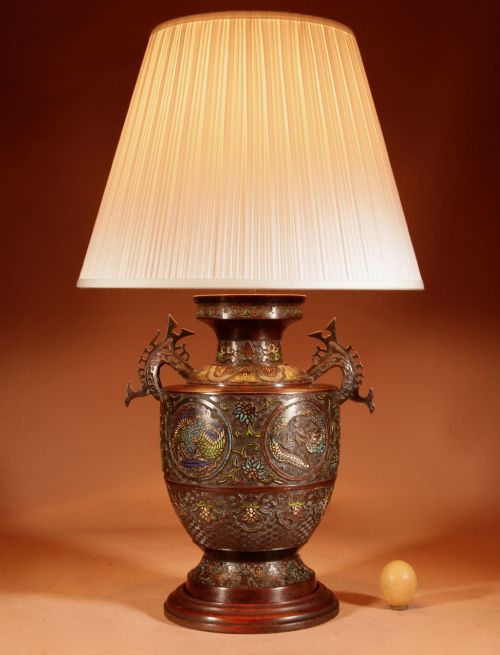
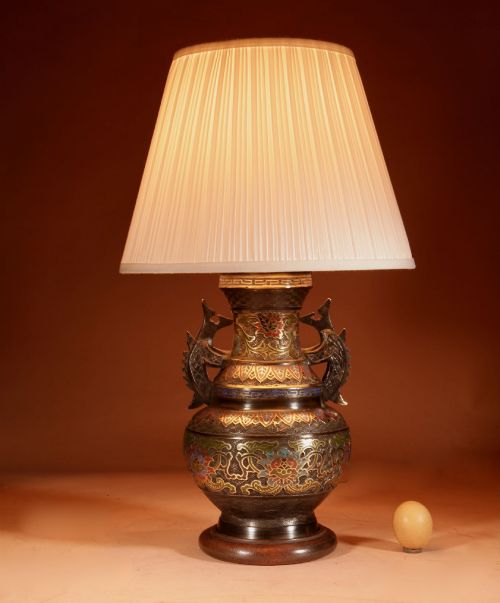
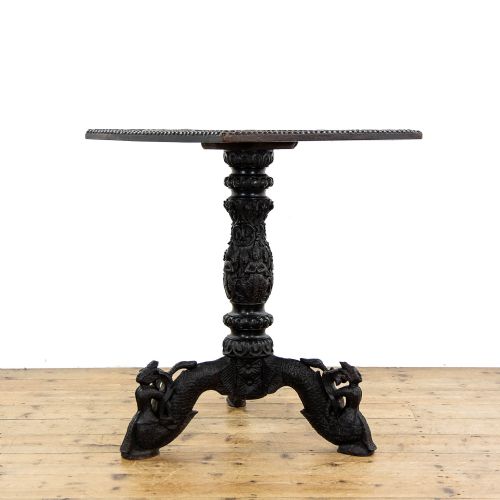
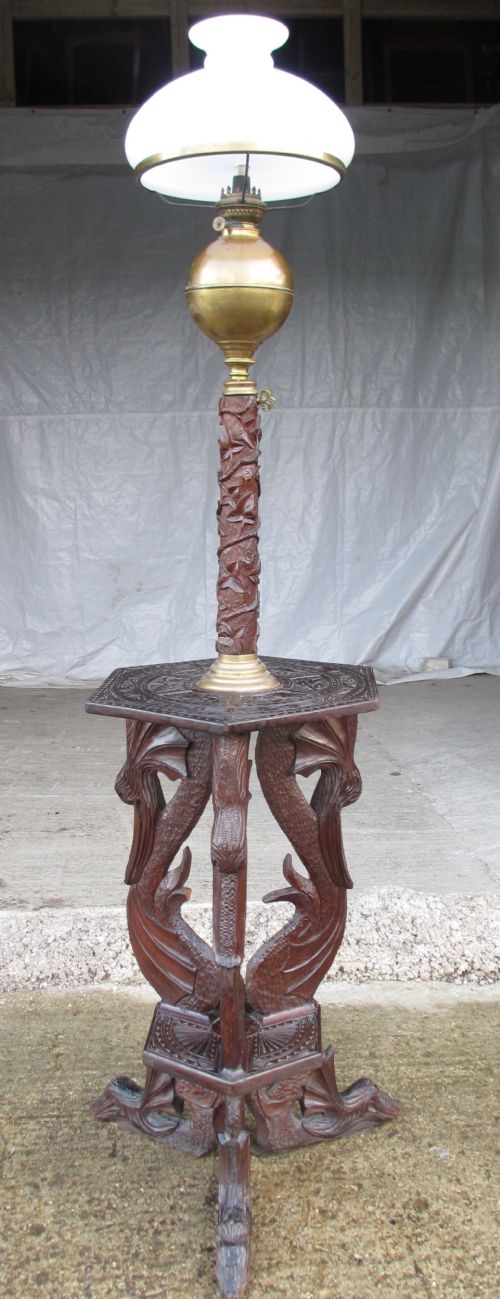
Vases and decorative vessels form the core of these lighting fixtures, frequently paired with fabric shades. Alongside standard lighting, the category includes related pedestals, torchieres, and side tables carved from hardwood.
Materials and construction
The metalwork relies on cast bronze, brass, and gilt bronze, occasionally finished with champlevé enamel or patinated white metal details. Japanese artisans of the Meiji period shaped intricate dragons and figures directly into the bronze bodies.
Ceramic examples utilise Chinese porcelain, including famille rose and rose medallion palettes, alongside ironstone bodies. These ceramic vessels were later wired for electricity, sometimes preserving their original nineteenth-century proportions.
Cabinetmakers utilised hardwood and general wood for associated furniture and lantern stands, incorporating hand-carved dragon motifs. Fabric components complete the lamps, providing diffusion for the light.
Antique Dragon Lamps Retail Price Guide 2026
Typical asking prices for dragon lamps among the pieces listed under this phrase on Sellingantiques today, from the lower quarter to the upper quarter. They describe what is for sale here now, not the wider market.
Listings feature bronze, porcelain, and hardwood across 19th-century and Edwardian periods.
Factors that define quality
The standard of carving and casting dictates the visual impact of the piece. Crisp detail in the bronze scales and claws separates superior Meiji period work from simpler production.
The integrity of the original material matters significantly, particularly whether a porcelain vase or bronze vessel remains undamaged prior to its conversion into a lamp. Hand-painted enamels and famille rose glazes retain more value when their colours remain vibrant and clear.
Proportion and scale influence the overall harmony of the conversion. Pieces that maintain a balanced relationship between the base vessel and the lighting fixtures demonstrate superior design choices.
The Antique Dragon Lamps Glossary
- Meiji Period
- The era in Japanese history spanning 1868 to 1912, known for highly detailed bronze casting and decorative metalwork. Pieces from this time often feature dynamic dragon motifs.
- Champlevé
- An enamelling technique where troughs are dug into a bronze or metal surface and filled with vitreous enamel before firing. This method creates colourful decorative patterns on the body of the lamp.
- Famille Rose
- A palette of opaque rose-pink enamel colours introduced to Chinese porcelain during the Qing Dynasty. It frequently decorates the porcelain vase lamps found in this category.
- Chinoiserie
- European artistic styles that reflect Chinese decorative motifs and cultural themes, popular in English and French furniture and lighting. This style appears in Regency and Edwardian pieces.
- Torchiere
- A tall standing floor lamp or pedestal designed to direct light upwards. Antique examples often feature carved wooden shafts incorporating oriental dragon designs.
Antique Dragon Lamps: Frequently Asked Questions
How are antique lamps wired?
Most antique lamps have been converted from earlier vases, oil lamps, or lanterns and fitted with modern electrical wiring for safety and domestic use.
Buyers should inspect the cord and plug to ensure the setup meets current electrical standards, though professional rewiring is a straightforward task.
What periods do these lamps come from?
The selection spans the nineteenth century through to the 1920s, encompassing Victorian, Edwardian, and Regency eras alongside the Meiji period in Japan.
Dates are typically attributed based on the manufacture of the original vessel before its later conversion into a lamp.
How do I care for bronze and porcelain?
Bronze surfaces benefit from gentle dusting with a soft, dry cloth to preserve their patina without stripping the original finish. Porcelain elements require careful wiping to protect hand-painted enamels from moisture and harsh cleaning agents.
Are original shades included?
Most surviving lamps retain either later fabric shades or are sold without shades to allow buyers to select their own. The primary focus of the piece rests on the decorated base rather than the temporary fabric components.