



Antique Dragon Bowl
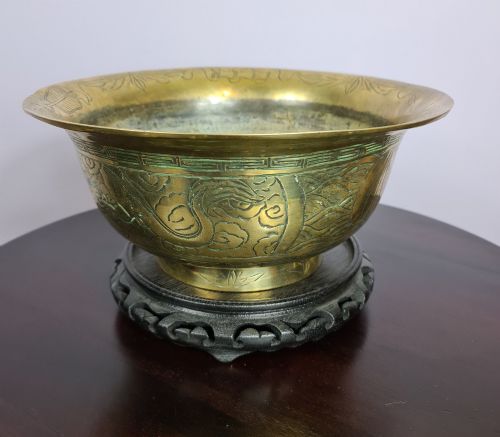
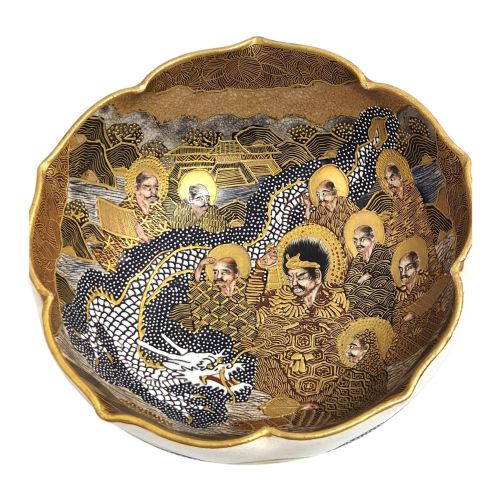
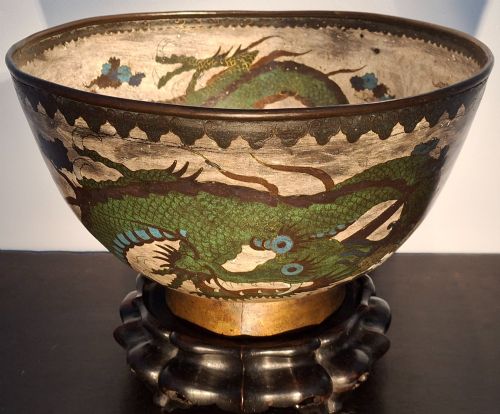
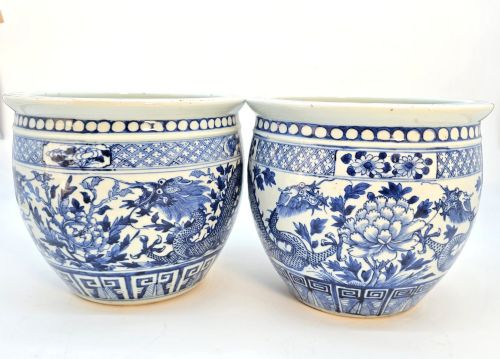
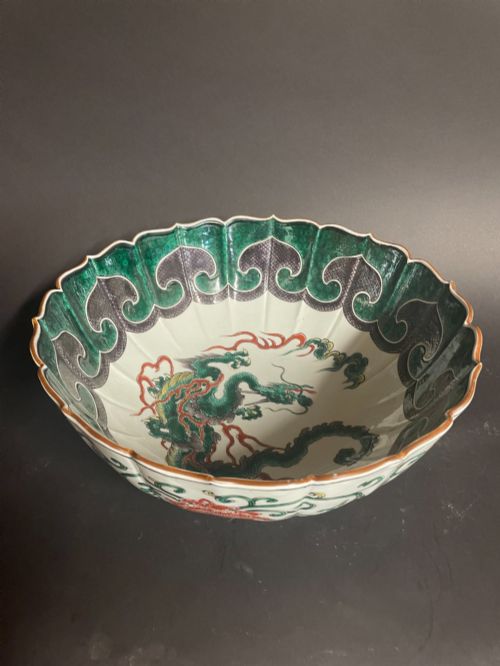
An antique dragon bowl brings mythological power to the table, taking the form of porcelain dishes, bronze censers, and cloisonne chargers decorated with coiling serpents.
Antique Dragon Bowl
An antique dragon bowl encompasses a diverse group of vessels, from delicate porcelain dishes and bone china cups to heavy bronze jardinières and brass cachepots. The pieces span several centuries and geographies, originating in Chinese imperial workshops, Japanese Meiji and Edo periods, and English factories.
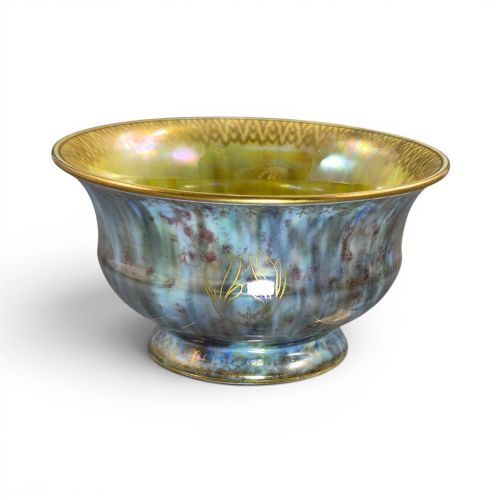
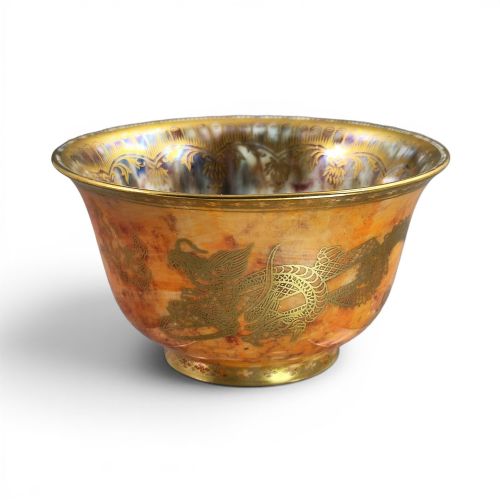
The form itself shifts according to its function and origin, appearing as low bowls, deep censers, octagonal dishes, and large chargers. Buyers meeting this search phrase most frequently encounter Edwardian lustre earthenware alongside nineteenth-century oriental porcelain and metalwork.
Every example centres on the motif of the dragon, depicted either in fierce pursuit of the flaming pearl or coiling around the rim and interior. These vessels served functional roles as incense burners, brush washers, and planters, or purely decorative purposes on stands.
How they were made
Potters and ceramists shaped porcelain, bone china, and earthenware bodies before applying underglaze blue, vibrant enamel palettes, or lustrous metallic glazes. English factories utilised specialised transfer printing and hand-painting techniques, while oriental makers employed complex doucai enamelling and intricate gold leaf accents.
Metalworkers cast bronze, brass, and white metal into heavy censers and jardinières, often chiselling surface details by hand. Cloisonné enamellers soldered delicate wire cells onto bronze or copper bases, filling the compartments with vitreous enamel pastes before firing and polishing.
Antique Dragon Bowl Retail Price Guide 2026
Typical asking prices for dragon bowl among the pieces listed under this phrase on Sellingantiques today, from the lower quarter to the upper quarter. They describe what is for sale here now, not the wider market.
Listings for this phrase include porcelain, bone china, bronze, brass, wood, gold leaf, and lustre glaze across eighteenth, nineteenth, and early twentieth-century periods.
What varies in quality
The calibre of an antique dragon bowl rests upon the crispness of the modelling and the precision of the surface decoration, whether painted or enamelled. Superior pieces exhibit fine, confident brushwork or meticulously soldered wirework that defines every scale of the creature.
Materials and glazes also dictate the upper tiers of the market, where rich lustre effects, deep underglaze blue, and undamaged enamel fillings show the maker's full skill. The presence of clear reign marks or artist signatures often points to higher workshop standards.
Daisy Makeig Jones·Chamberlain Worcester·Wedgwood
The Antique Dragon Bowl Glossary
- Cloisonné
- Enamelwork in which thin metal wire partitions are soldered to a metal base to form compartments filled with paste and fired. This technique creates intricate, jewel-like patterns across the surface of the vessel.
- Lustre Glaze
- A type of ceramic glaze that imparts a metallic sheen through the reduction of metallic oxides during firing. It produces iridescent, shimmering surfaces seen on decorative earthenware.
- Jardinière
- A large ornamental pot or stand designed to hold plants or flowers. These heavy vessels often feature cast or enameled dragon motifs.
- Censer
- A decorated vessel used for burning incense during rituals or ceremonies. Many antique examples take the form of metal or porcelain bowls supported on small feet.
- Doucai
- A Chinese porcelain decorating technique combining underglaze blue outlines with overglaze enamel infills. The resulting style produces vibrant, multicoloured designs on white backgrounds.
Antique Dragon Bowl: Frequently Asked Questions
How do I identify Chinese and Japanese dragon bowls?
Chinese pieces often feature imperial five-claw dragons and specific reign marks on the base, utilising styles such as blue and white porcelain or doucai enamels. Japanese examples from the Meiji and Edo periods frequently employ bronze, intricate cloisonné, or Arita Imari palettes.
Examining the manufacturing technique and decorative motifs helps determine the likely origin and period of the vessel.
What periods do these bowls come from?
The listings span from the eighteenth century through the nineteenth century and into the early twentieth century. Key eras include the Qing Dynasty, Meiji and Edo periods, and the Edwardian period.
Twentieth-century pieces frequently include English lustre earthenware from the 1910s and 1920s alongside heavy twentieth-century brass and bronze items.
How should I clean an antique dragon bowl?
Care depends entirely on the material, whether it is glazed porcelain, delicate enamel, raw bronze, or lustre earthenware. Gentle dusting with a soft, dry cloth is generally safest for delicate enamel and lustre surfaces.
Harsh chemical cleaners and abrasive scrubbing must be avoided entirely, as they can strip away original gilding, enamels, and patinas.