


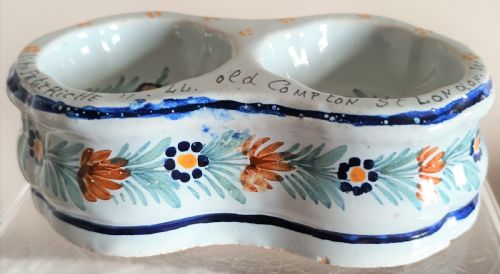


Antique Double Salts
These antique double salts combine practical dining history with sculptural form, offering a distinctive centrepiece for the table.
Antique Double Salts
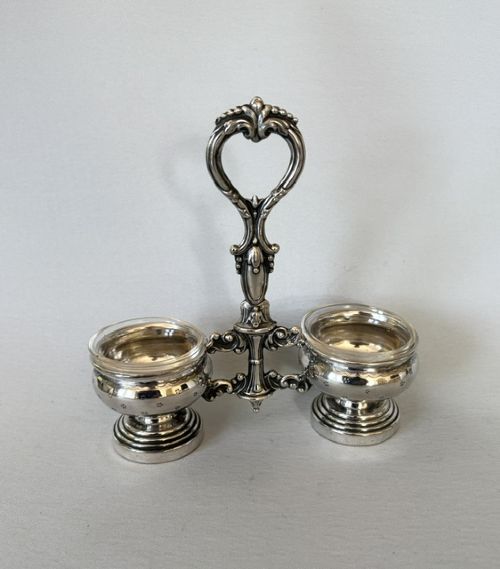
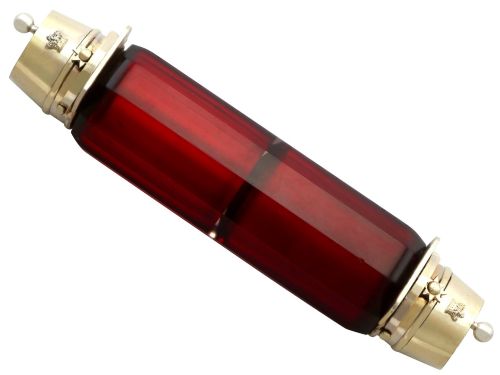
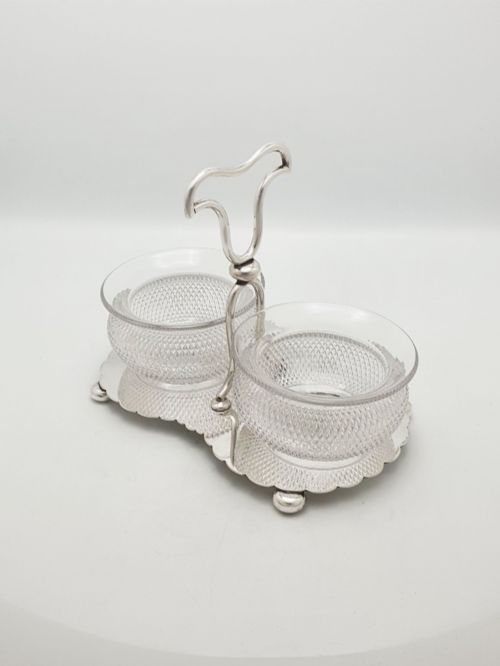
When searching for antique double salts, buyers encounter paired vessel forms designed to hold two distinct condiments or salts simultaneously for formal dining setups. These items span the nineteenth century and the Edwardian era, appearing in earthenware and ceramic bodies rather than metal alone.
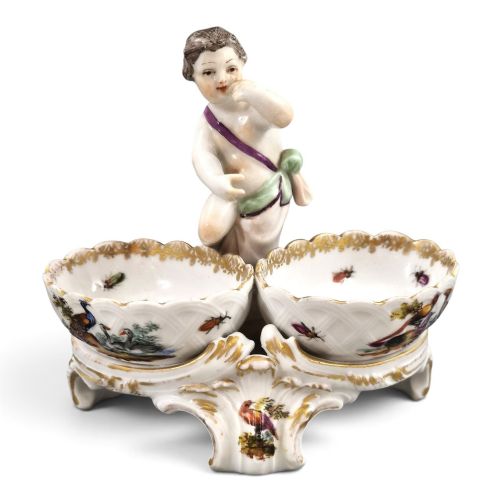
The selections on this page demonstrate functional tablewares from European potteries, notably featuring French faience double table salts alongside figural ceramic pieces. Buyers find dual compartments shaped for practical dining use, reflecting the decorative standards of historical tables.
Materials and construction
The manufacture of these pieces relies heavily on glazed earthenware and ceramic bodies shaped to form twin receptacles. Artisans applied hand-painted details directly onto the ceramic surfaces to add visual depth to the finished tablewares.
Makers utilised traditional firing techniques alongside hand-finishing methods to secure the dual-bowl structure. The combination of durable clay bodies and protective glazes ensured the items survived heavy daily use at the dining table.
Antique Double Salts Retail Price Guide 2026
Typical asking prices for double salts among the pieces listed under this phrase on Sellingantiques today, from the lower quarter to the upper quarter. They describe what is for sale here now, not the wider market.
Some double salts served up two kinds of salt so guests could argue about seasoning before dinner even started.
Factors of quality
Quality in these pieces depends on the crispness of the moulded form and the precision of the hand-painted decoration across both compartments. Superior examples maintain sharp relief details and clean glazing without blurring or pooling in the recesses.
The integrity of the ceramic body and the preservation of the original painted surface distinguish finer items from standard production wares. Condition of the glaze and the overall balance of the double-lobed form guide the distinction between ordinary and exceptional specimens.
HB Quimper
The Antique Double Salts Glossary
- Faience
- Tin-glazed earthenware produced in France and other European regions. This porous ceramic body provides a smooth white background for painted decoration.
- Double Salt
- A single vessel divided into two distinct compartments for holding different salts or condiments at the dining table. This paired configuration saves space and organises table service.
- Hand-Painted
- Decoration applied directly to the ceramic surface by brush rather than through transfer printing. This technique ensures slight variations between individual pieces.
- Glaze
- A glassy coating fused to the ceramic body through kiln firing. It provides a waterproof seal and a decorative finish.
Antique Double Salts: Frequently Asked Questions
What are antique double salts?
These items are paired ceramic or earthenware vessels featuring two connected compartments designed to hold table salts or condiments simultaneously during meals.
They offer a compact solution for serving multiple seasonings on the dining table within a single coordinated object.
How were double salts used?
Dinners relied on these dual vessels to keep different salts or seasonings accessible within a single reach at the table.
The divided structure allowed hosts to present two distinct seasonings without cluttering the dining surface with multiple separate dishes.
How do I date ceramic double salts?
Dating relies on examining the ceramic body, the style of the hand-painted decoration, and the characteristics of the glaze used by the pottery.
Maker marks and regional painting styles help narrow the period of manufacture to specific decades within the nineteenth and early twentieth centuries.
How do I care for antique ceramic salts?
Clean these items gently using a soft cloth and avoid harsh chemical abrasives that can damage the historical glaze.
Keep them away from excessive moisture and sudden temperature changes to preserve the ceramic body and painted surface.